Book the festival weekend and you will learn exactly nothing about whether you could live in one of these towns. Most of them put on a good one: the tulips, the bourbon, the polka, the bluegrass. You come home charmed, and charm is a sales pitch.
Somewhere in America, most people your age quietly believe, a real downtown still runs six walkable blocks, the diner counter opens by 6 a.m., and the old movie house charges pocket money. Of the towns on this list, twelve come close.
The 1950s feeling in them is not a facade and not a festival. It is a ritual that repeats on an ordinary week: bluegrass on Friday, an organ recital on Thursday, a $5 Tuesday movie, a Saturday polka floor. The catch is modern and it is real. Hospital miles, airport miles, summer heat, stairs, crowds, a town with one grocery store.
So judge each town on two things. Does its ritual run on a plain weekday, or only when the banners are up? And does the catch fit your health, your spouse, your budget and how far you will actually drive? By the end you can slot yourself into the cheapest move, the walkable theater town, or the hospital-and-airport compromise, then book the first test trip midweek in February.
Quick Tips Before You Start
Book midweek
Tuesday to Thursday in February or early March shows you the town without the festival crowd or the rate spike.
Eat breakfast out
Every downtown here has a diner or bakery counter open by 6 a.m. That counter is the fastest read on the town.
Check the hospital
All twelve have one within 26 miles, but the nearest commercial airport ranges from 38 to 95 miles.
Price the rent
Two-bedroom downtown rents run $925 to $1,450 a month. Thomas and Schulenburg sit at the bottom, Lititz and Galena at the top.
Look for the $5 ticket
Many restored movie houses and opera houses still run cheap screenings or recitals. That is the ritual, not the souvenir shop.
1. Mount Airy, North Carolina: Mayberry, Squad Car Included
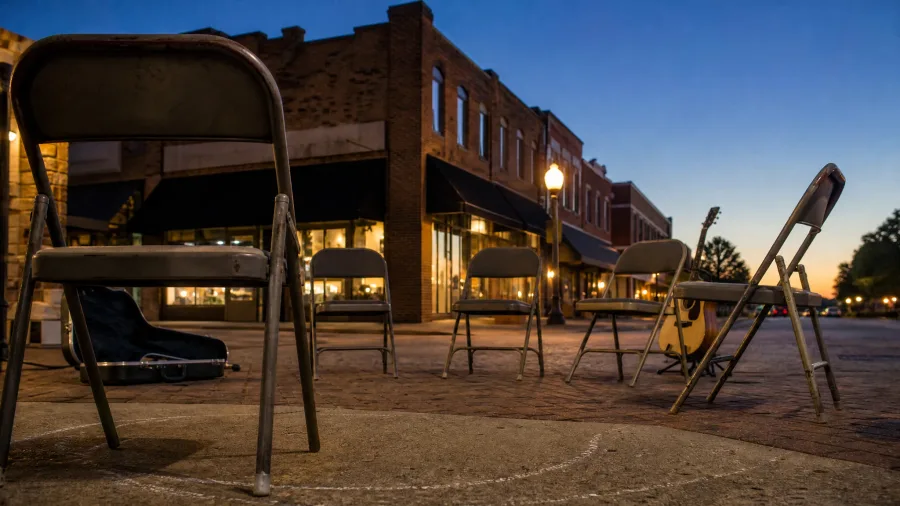
Six blocks, end to end, is the whole of Main Street, and a two-bedroom downtown runs around $1,050 a month in a town where the median house sells for about $219,000. The souvenir version of Mayberry is right there on the sign, with squad-car tours idling at the curb and a barber shop selling the haircut as a photo op. Where the locals actually gather is the corner where Main meets the Andy Griffith Parkway on a Friday night, folding chairs carried over from the hardware store and set down on the pavement a little before seven.
That free bluegrass circle is the ordinary-weekday test in its purest form, and it only shows itself on a normal Tuesday. The diner counter opens at 5:30 in the morning for the mill and hospital shifts, and the town goes about its working business until the weekend crowd arrives. From April through October the squad cars and gift shops take over, so a retiree weighing a move should arrive midweek and watch what the town does when nobody is buying a postcard.
💡 Tip: Stand at the corner for the Friday circle even if you don't play. The music is the point and the chairs are free.
| Town | Population | Median home | Two-bedroom rent | Nearest hospital |
|---|---|---|---|---|
| Mount Airy, NC | 10,600 | $219,000 | ~$1,050 | 6 miles |
| Pella, IA | 10,600 | $239,000 | ~$1,150 | 8 miles |
| Guthrie, OK | 11,200 | $179,000 | ~$950 | 12 miles |
| Schulenburg, TX | 3,100 | $168,000 | ~$925 | 14 miles |
| Hermann, MO | 2,400 | $214,000 | ~$1,000 | 26 miles |
| Galena, IL | 3,100 | $259,000 | ~$1,250 | 25 miles |
| Lititz, PA | 9,400 | $312,000 | ~$1,450 | 10 miles |
| Thomas, WV | 590 | $129,000 | ~$925 | 26 miles |
| Abingdon, VA | 8,300 | $236,000 | ~$1,100 | 7 miles |
| Bardstown, KY | 13,600 | $228,000 | ~$1,050 | 6 miles |
| Baker City, OR | 10,100 | $272,000 | ~$1,150 | 18 miles |
| Bisbee, AZ | 4,900 | $248,000 | ~$1,150 | 22 miles |
2. Pella, Iowa: Tulips, Bakery Counters, a Working Opera House
Pella, Iowa, is the town to pick if you want your old rituals printed on a calendar you can plan a trip around, not just a good Friday night that happens to fall your way. It is the one place on this list where the rhythm is published and predictable, and that alone makes it worth a visit before you decide anything bigger.
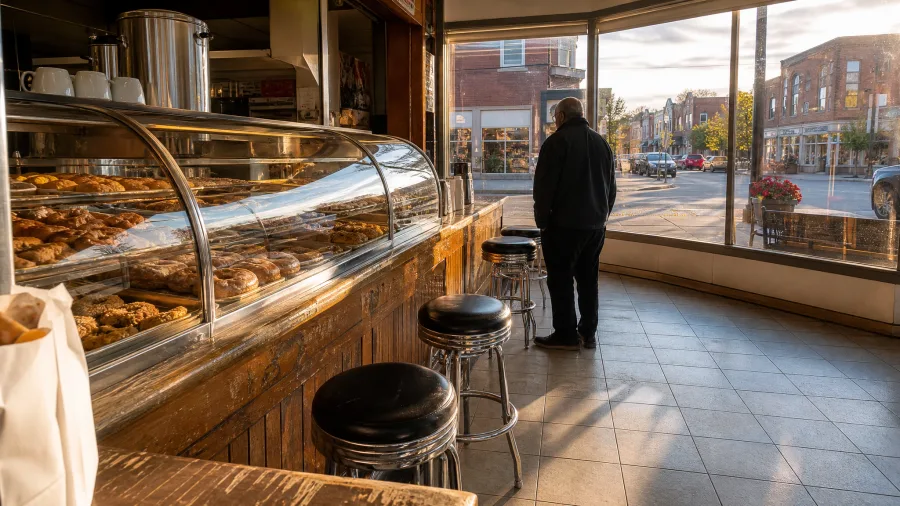
The 6 a.m. bakery counter is your first ritual: coffee and something still warm, seven walkable blocks of storefronts outside the door, and the whole town moving at the pace of a normal Tuesday. It suits the reader who wants a schedule, not a strip of antique shops. You can do the bakery, the blocks, and nothing else, and it is a full morning.
Thursday brings the organ recital at the opera house, a working building that still earns its name. Sit down, do nothing for an hour, and listen to a room built for the sound. The first week of May is the tulip festival, which is the ritual the tourist board sells, but it is also the week to skip: room rates typically double and places book out by March. Come any other week and you get the same town without the crowd or the spike.
The numbers fit the same pattern. Median home $239,000, two-bedroom downtown rent about $1,150, seven blocks you can walk end to end. A normal Tuesday is the bakery counter at 6, the seven blocks, and no tulip crowd and no rate bump. That is the version of Pella a retiree is actually testing.
3. Guthrie, Oklahoma: A $5 Movie on Victorian Main
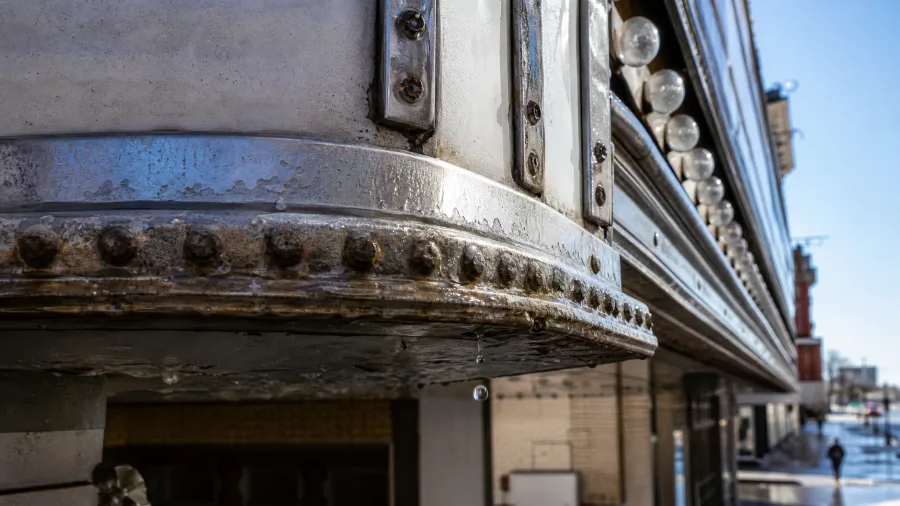
A town can publish its rhythm and still charge festival money to join in, and Guthrie is the answer to that worry: on Tuesdays the restored 1929 theater runs a screening for $5, with regular evening shows the rest of the week and classics up on the marquee come the weekend. Nine blocks of unbroken 1890s brick run flat past storefront glass that catches the streetlamps at dusk, so the walk feels like one continuous street rather than a few preserved pockets between parking lots.
The numbers match the ticket: median home $179,000, two-bedroom rent around $950, the cheapest of the larger towns on this list. The catch is the calendar, not the cost. July and August afternoons push toward 94 degrees with thin shade along the sidewalks, so aim for April through June or September into October, or plan your walking for the mornings and your movie for the heat of the day.
4. Schulenburg, Texas: Polka, Painted Churches, Cheap Houses
The squeeze box starts before you find a seat, and the floor under your boots gives a little with each turn. Schulenburg's Saturday polka dance at the hall costs $10 at the door, doors at 7 p.m., and the room is not a costume party. Grandparents, their kids, and teenagers who learned the steps at a wedding all share the same floor, which is why the music carries the old feeling better than any storefront can.
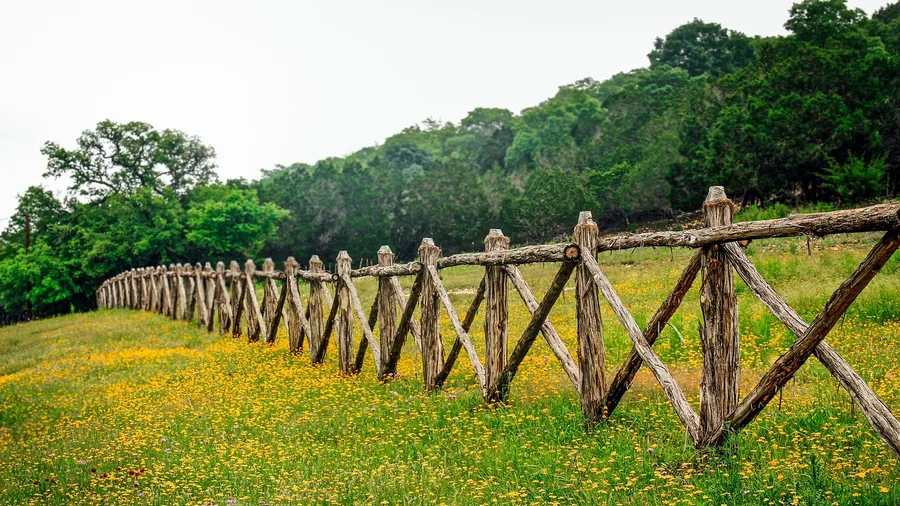
You can spend a whole Saturday before that in the countryside. The painted-church loop runs four churches over 26 miles and costs nothing, a self-guided drive through flat ranch land where the steeples appear a mile off. Do not skip High Hill, where the ceiling inside is painted in panels of blue and gold above a plain wooden altar. Allow a slow half-day for the loop, then go home, change, and be at the hall by seven.
This is the cheapest serious contender on the list by the numbers: median home $168,000, two-bedroom downtown about $925 a month, tied at the bottom with a town of 590 in West Virginia. What you pay instead is heat and distance. Summer highs run hottest here, so come March or April for the wildflowers along the roads, not July, and know the commercial airport is 95 miles out. Anyone with a spouse in fragile health or a job that still means flying cannot make that work.
💡 Tip: Drive the painted-church loop on a weekday. On Sunday you'll be competing with services and funerals.
⚠️ COMMON MISTAKE
Don't Judge a Town by Its Festival
The tulip festival, the bourbon weekend, the leaf-peeper October: all of them are sales pitches. Book a wet Tuesday in February instead. You'll see the diner counter at 6 a.m., the bakery that opens before the bank, and whether the rituals run when nobody is watching.
5. Hermann, Missouri: A German River Town With a Trolley
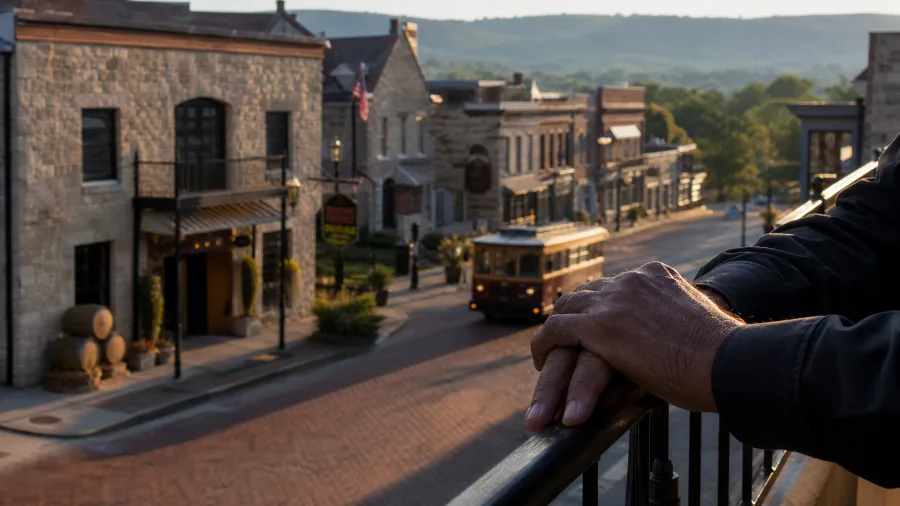
Know before you go that 2,400 people support exactly one grocery store. That single fact decides the weekend-versus-move question here more than any trolley schedule, because a week of dinners in Hermann depends on one produce aisle and one closing time, and the hospital is 26 miles away. If a late pharmacy run or a specialist every month is part of your life, this is a wonderful visit and a hard place to live.
What you can do, though, is park on Friday and not touch the car until Sunday. The trolley loop costs about $8, runs Thursday through Sunday, and swings past the wineries with a stop at the riverfront. Friday at 5 p.m. you park once and ride down to the water; Saturday at 9 a.m. you walk five blocks of 1840s brick and take the 11 a.m. trolley out to the vineyards; Sunday at 8 a.m. you have the riverside path to yourself and coffee at ten.
That brick is the draw: five blocks of storefronts laid up in the 1840s, built by German settlers who put their money into stone and their Sundays into singing. The wineries draw the crowds, and on a fall Saturday the tasting rooms fill with buses. The ritual that carries it is the ordinary weekend, the walk down to the river and back for coffee. Prices sit mid-list, median home $214,000 and two-bedroom rent about $1,000. Worth the crowd? On a weekday, yes.
6. Galena, Illinois: Brick Sidewalks and Grant's Stairs
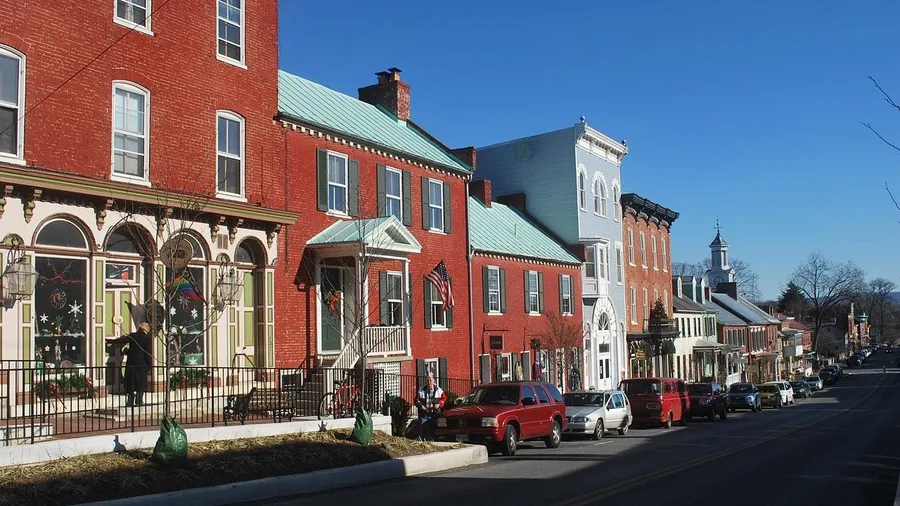
Galena costs more and asks more of your legs than the river town with the trolley. Here the beauty is real and the grades are real. Six blocks of Main run between brick buildings that have never been torn down and rebuilt, then a long staircase climbs to Grant's home, tour about $12. On a July afternoon, that climb is a workout, and the packed sidewalks belong to Chicago weekenders who drove three hours to be there.
The living-town detail is the hardware store on Main, which sells nails and canning jars rather than refrigerator magnets, proof the street still works between visits. The numbers are steep too: median home $259,000, two-bedroom rent about $1,250, second-priciest on the list. Bad knees should skip the stairs, and anyone drawn purely by the look of the place should treat Galena as a long visit, not a purchase.
7. Lititz, Pennsylvania: Pretzel Bakery and a Summer Band Shell
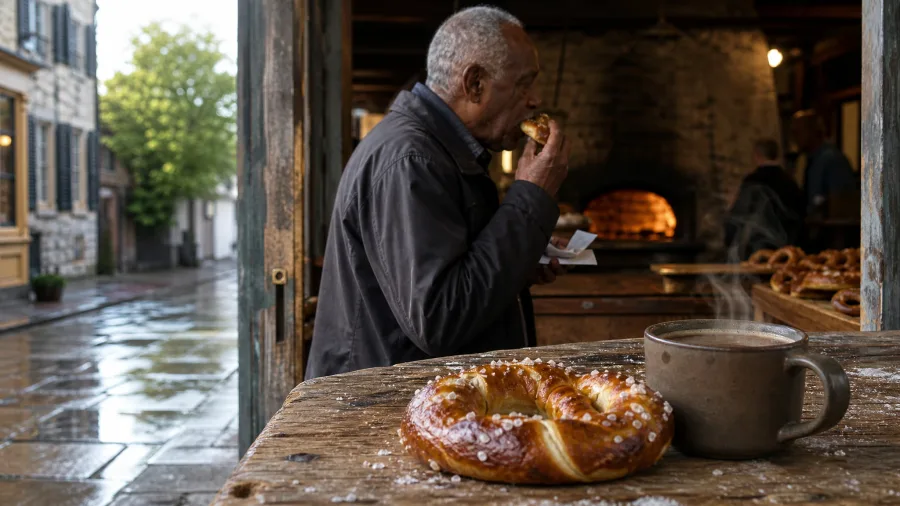
The first thing that hits you at the counter of the 1861 pretzel bakery is the heat off the oven, and then the smell of lye and salt. You pay about $4 for a hand-twisted pretzel and a coffee, and you eat it standing up, because that is what everyone does.
Then, on a Thursday evening in summer, you walk to the park band shell, unfold a chair, and sit down for a concert that costs nothing at all. June through August, every week, local musicians, no ticket window, no wristband, no festival banner. That is the ritual that carries this town, not the one week a year when the tour buses pull in.
What the free concert and the cheap pretzel do not tell you is what the rest of it costs. The median home here runs around $312,000 and a two-bedroom downtown rents for roughly $1,450 a month, which puts Lititz at the top of this whole list. You are not buying a big house or city amenities for that money. You are buying seven walkable blocks and a train from nearby Lancaster into Philadelphia, and the town knows it.
The catch has wheels. Lancaster County traffic clogs the roads, and in summer the tour buses come for the pretzels and the history and the charm. September and October are the months that belong back to the people who live here, once the buses thin out and the sidewalks empty. If your budget is the biggest one you have, and what you want is to walk everywhere plus catch a train to a real city, this is the fit. If you want square footage, keep driving.
All twelve towns pass the test; they differ in price, climate and how far the airport is.
8. Thomas, West Virginia: Coal-Boom Storefronts, $129,000
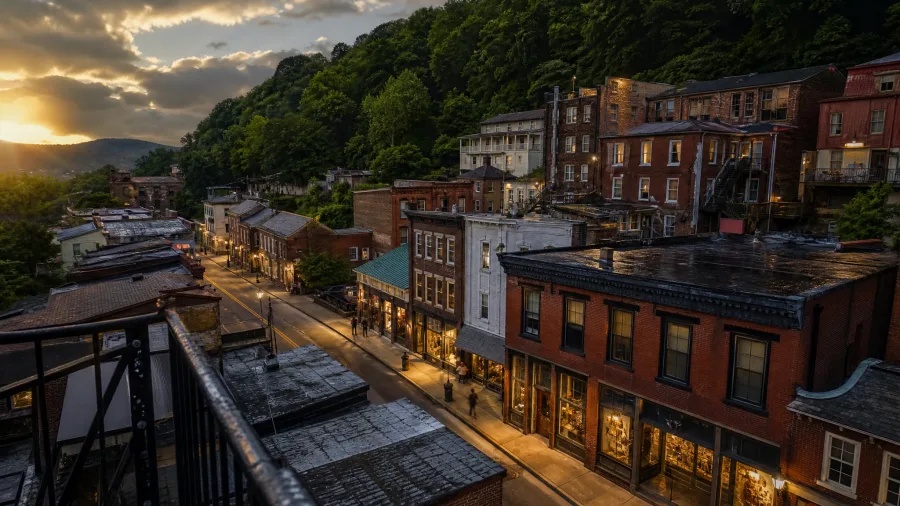
Thomas is two blocks of coal-boom storefronts pressed into a West Virginia hillside, and the cheapest ticket on this whole list.
You come for the Friday gallery walk. Studios and galleries stay open late, you move storefront to storefront with a paper cup of something warm, and the walk runs straight through the winter, not just the fair-weather months. That is the doing of it: you are on your feet, in the cold, looking at what people who live here made that week, and the two blocks fill in a way that a wider downtown never does.
The numbers are the reason your ears prick up. Median home around $129,000. Two-bedroom rent about $925 a month. Population 590, which is not a typo, and it is the number that explains every other number here.
Now the real price, and it is not on the mortgage. The hospital is 26 miles away. A chain supermarket is 48 miles. The airport with commercial service is more than 60 miles out. You will drive for the ordinary things, in weather, on two-lane roads, and you will do it more often than you think when you are planning from a kitchen table in another state.
So ask the plain question before you fall for the price. If you want a pharmacy open after 6 p.m., or a specialist you can reach without a full afternoon in the car, this is not your town, however good the gallery walk is on a Friday. If you have the health and the patience for the distances, the two blocks and the $129,000 are real, and they are yours.
Thomas, WV — At a Glance
🚶 Downtown walk
2 blocks
🛏️ Long-weekend room
$95–$165/night
🍽️ Dinner for two
$42–$68
✈️ Airport
60+ miles
🚕 Rideshare after 9 p.m.
Thin
When to go
April–June or September–October for the Friday walk in daylight and mild weather; summer highs reach the low 80s, winter highs sit in the 30s.
9. Abingdon, Virginia: A Rep Company and Brick Sidewalks
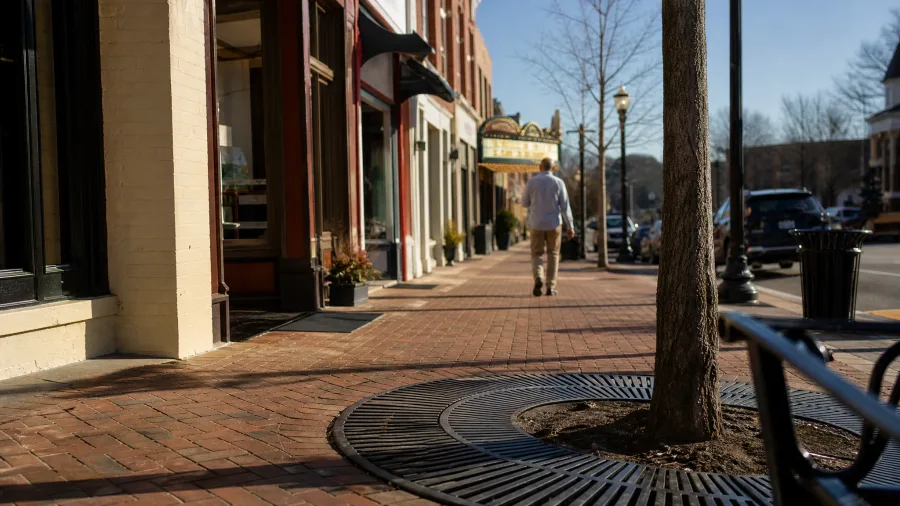
If you want old brick underfoot and a live stage you can walk to, Abingdon is the answer, and it is worth the extra miles to the airport.
The Barter Theatre runs a season from April through November, tickets roughly $18 to $45, and the Wednesday matinee is the one to book. That crowd is local season subscribers, not tour buses, and sitting among them tells you more about whether this town is for you than any weekend visit will. The photograph you keep is the seven blocks of brick sidewalk at mid-morning: coffee first, then the seven blocks, then the trailhead that starts inside town and climbs away from the storefronts. Stand at the top and look back down the brick before the sun gets high.
The median home is around $236,000 and a two-bedroom downtown rents for about $1,100, with the airport 38 miles out, closer than most towns on this list can claim. The catch is October, when the leaf-peepers fill the sidewalks and the rooms. September is the quiet month instead, the brick warm, the theater in season, the crowds still a few weeks off.
Weekend Visit or Full Move?
Book a weekend if…
- You want the festival: tulips, bourbon, leaf-peepers, polka.
- You can't picture a Tuesday without a big-box store.
- You need a pharmacy open past 6 p.m.
- You want the photo, not the routine.
Test a move if…
- You'll show up on a wet Tuesday in February.
- You can live with one grocery store in town.
- You can plan errands around a 20- to 48-mile drive.
- You want the diner counter to know your order.
10. Bardstown, Kentucky: Courthouse Square and Bourbon Season

Of all twelve, this is the one big enough to have a hospital within six miles and still small enough that the courthouse square is where the evening happens. In Bardstown, 13,600 people, the ritual starts around dusk: a slow loop around the square, past the courthouse columns, past the storefronts, the same faces making the same circuit they make most warm evenings. The other ritual opens earlier. The diner counter takes its first customers by 6 a.m., and by the time the square loop begins the town has already run a full working day in front of you.
Two distilleries sit within five miles of downtown, and a tour runs about $12 at either – cheap enough to make it a regular afternoon rather than a splurge. In summer, and especially on a July Saturday, book at least a week ahead; the bourbon crowd arrives in buses and the tasting rooms fill. The houses run a median of $228,000 and a two-bedroom downtown rents for about $1,050 a month, which sits in the middle of this list and buys you a town with a grocery, a pharmacy, and a hospital close enough to matter.
The catch is the summer, when highs push toward 92°F and the bourbon traffic thickens Main at the same time. If you want quiet above all, this is the wrong trade. If what you want is the hospital and the grocery more than the silence, and you can live with heat and a busy July, Bardstown keeps the small rituals while giving you the services the smaller towns on this list cannot. Come in April or October. Come after the crowds thin, and walk the square on a plain Tuesday – that is the town you would be moving to.
11. Baker City, Oregon: Gold-Rush Downtown Under Mountain Light
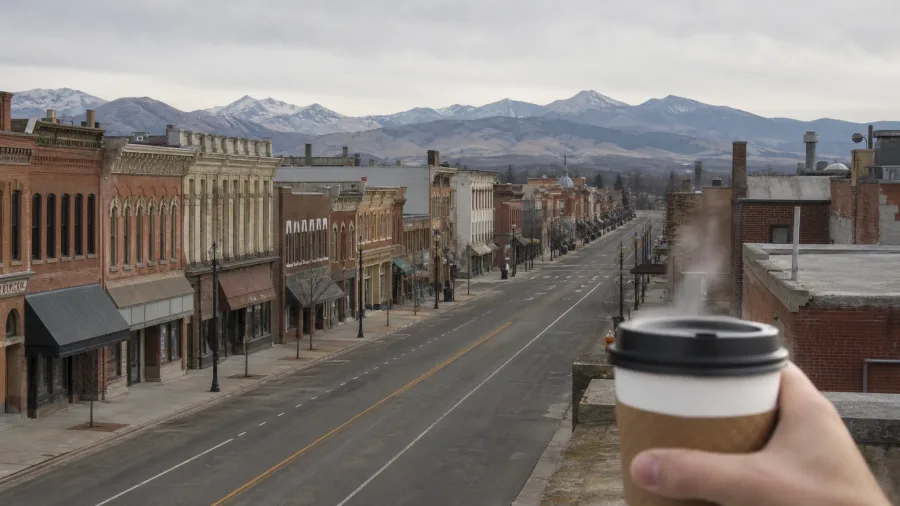
The first thing you notice on Main at 7 a.m. is not the stone, it is the air – cold enough in October that your coffee steams harder than it does at home, and so dry and clear that the Elkhorn ridges stand up sharp behind the rooftops as if someone wiped the glass. Eight blocks of 1870s stone and brick run end to end, and if you count the mule deer cropping the lawn at the edge of town on your morning walk, you are not imagining things: they are routine here, not an event. Which makes the question worth asking plainly – do you actually see them? Yes, most mornings on the streets above downtown and almost always on the Elkhorn drive, though on a hard-winter dawn you may get tracks instead.
Settle into the 1907 hotel at roughly $135 a night and you have a base for all of it. The Elkhorn scenic drive runs 106 miles and is a full day with stops, six to eight hours, not an afternoon – gravel sections, old mining towns, and the kind of empty that makes you pull over just to listen. The rest of the picture: median home about $272,000, two-bedroom downtown around $1,150, winter highs near 34°F. And the catch is the air is clear while the distances are not. The nearest commercial airport is 88 miles out, so this is a town for walkers who will accept a long drive for a specialist or a big shop, not for anyone who wants a flight on short notice.
12. Bisbee, Arizona: Stair Streets and No Big-Box Stores
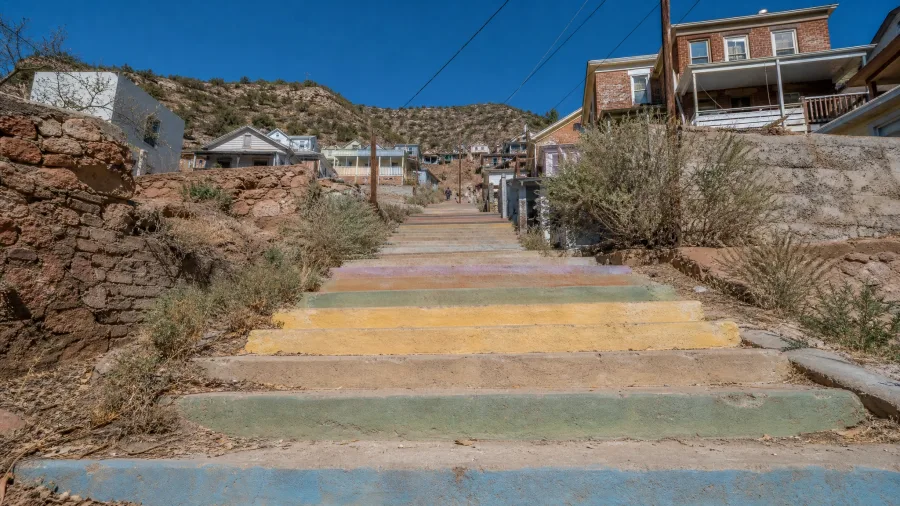
Bisbee is the honest answer to the first half. Nobody rebuilt this place for you: the houses climb the canyon walls in the order miners left them, the stairs are the sidewalks, and on a Tuesday the postman is still hauling mail up a hundred steps. The price is in the second half. Bring grippy shoes, not flip-flops.
The story that explains the town is copper, and the mining museum tells it in one stop for about $10 – the open pit is right there, a mile-wide hole you can stand at the rim of, and the numbers on the placards turn a pretty canyon into a company town that dug itself out of the rock and then watched the price fall. That is the whole arc in an hour, and it is why the streets look the way they do. To feel the rest of it, walk the stair streets down from the pit overlook into Old Bisbee: roughly a thousand steps, no rail on some flights, and a knee that complains on the way down will file a formal objection on the way up.
The figures are $248,000 median and about $1,150 for a downtown two-bedroom, with the hospital 22 miles off and the nearest chain supermarket 30. Monsoon afternoons roll in through July and soak the stairs. If stairs every day are out of reach, or hearing that the big-box store is half an hour away makes you tired, come for a long weekend and let someone else carry the groceries up.
🧭 How to Test a Town in One Visit
Book a Tuesday-to-Thursday
Pick February or early March, never a festival weekend.
Eat breakfast at 6 a.m.
Sit at the diner or bakery counter and listen to who knows whom.
Walk the whole downtown
Four to nine blocks end to end, on foot, no car.
Do the weekday ritual
Bluegrass circle, $5 movie, organ recital, gallery walk. What runs on a normal Tuesday?
Drive the errands
Hospital, grocery, airport. Know the mileage before you fall for the town.
Frequently Asked Questions
Can you really live in these towns on a $200,000 house budget?
Yes in Schulenburg ($168,000 median), Guthrie ($179,000), Hermann ($214,000), Mount Airy ($219,000) and Bardstown ($228,000). Lititz at $312,000 and Baker City at $272,000 are the stretch. Add monthly rent pressure: two-bedroom downtown units run $925 to $1,450.
What if I need a hospital nearby?
Every town on this list has a hospital within 26 miles. Bardstown and Mount Airy are closest at 6 miles, Abingdon at 7. The bigger variable is the airport: 38 miles from Abingdon, 95 from Schulenburg, 88 from Baker City.
Is a festival weekend a good way to test a town?
No. Festival week doubles room rates in Pella and fills the sidewalks in Galena. Book a Tuesday to Thursday in February instead, and look for the rituals that run when nobody is selling you anything.
Do I need a car in these towns?
Hermann is the exception: the trolley runs Thursday to Sunday for about $8 and covers five blocks plus the riverfront. Everywhere else you'll want a car for the grocery store, hospital and airport. Rideshare is thin after 9 p.m. in all twelve.
What does a long weekend cost?
An inn or motel runs $95 to $165 a night. Dinner for two is $42 to $68, and museum or theater tickets $5 to $18. Budget roughly $400 to $600 for two people over three nights, before gas.
The One Tuesday Movie to Build a Trip Around
Rank nothing. Match your situation. Cheapest move: Thomas at a $129,000 median with rent around $925, or Schulenburg at $168,000 and about the same rent, if one grocery and a hospital 26 miles out are acceptable. Walkable culture and theater: Abingdon, with Barter Theatre season tickets at $18 to $45, or Lititz, the top price on the list at $312,000 and $1,450 rent, for pretzels and the summer band shell. Reluctant spouse who wants a hospital and an airport close: Mount Airy, six miles from care, or Guthrie, an hour from Oklahoma City.
Then take the first step. Book Tuesday to Thursday in February, not a festival weekend. A festival is a sales pitch. A wet Wednesday is the life.
Strip the tourist layer and the feeling is still there: the 5:30 a.m. diner, the Friday bluegrass after the squad cars pull out, the $5 Tuesday movie, the Thursday organ recital, the Saturday polka floor. Use the twelve as test trips, not purchases. One ordinary weekday tells you whether the ritual is yours and whether the catch is tolerable.
Pick Your Town and Book the Tuesday
Open a calendar, choose one town from the twelve, and book two nights midweek in February. The diner counter at 6 a.m. will tell you more than any festival ever could.