Everyone compares the Grand Canyon to a postcard, but a postcard never made your knees feel strange at dawn.
The quiet fear behind any bucket list at this age is that the iconic view demands the hard hike, the three miles and 480 feet of gain at Delicate Arch, the climb you are no longer sure about. At most of these places the facts run the other way: the signature sight sits on a paved rim, a boardwalk, a shuttle route, a pullout or a boat, and the demanding route is optional. So the question is not whether you can still do these places. It is which low-effort version, which season and which booking make each one doable in two or three days.
You will stand on a paved rim before six, watch a geyser keep its schedule, ride a red bus over a mountain pass, eat beignets at a counter. The payoff is the view, not the mileage.
Choose one region per trip, match the place to the next shoulder season, and book the hardest reservation first. Park entry is $35 per vehicle for seven days, or $80 for the annual America the Beautiful pass, and a two-week trip for two runs $4,800 to $7,500. Start with Grand Canyon South Rim or Yosemite Valley, then work down the list as windows open.
Quick Tips Before You Start
Book the lodges first
Popular park lodges open 6–12 months out; reserve before you book flights.
Buy the annual pass
America the Beautiful costs $80 and covers entry at every national park on this list.
Keep a buffer day
Mountain and glacier plans get cancelled by weather; one spare day saves the trip.
Rent the car early
Gateway airport rentals jump in peak season; book with a cancellable rate.
Pack for the season
Desert parks swing 30 degrees between dawn and noon; layers beat a heavy jacket.
Budget one splurge
Set aside $120–$300 per person for a scenic train, bus or boat—it's often the highlight.
1. Grand Canyon's South Rim at Sunrise
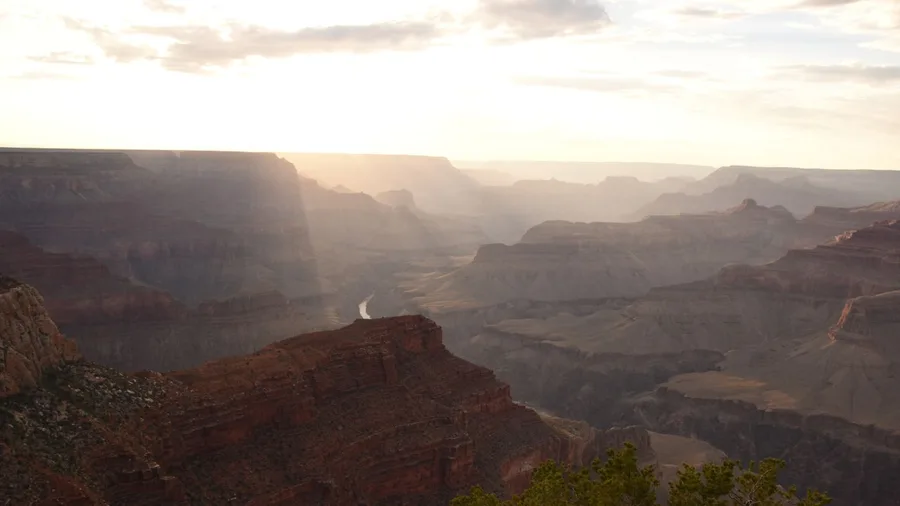
The canyon is not the problem. The cold is. Arrive at Mather Point an hour before the sun clears the horizon and you will stand in wind off the rim that drops into the thirties even in June, and the people who came up from the village in shorts are the ones who leave after ten minutes.
they budget their energy for a hike they do not need. The South Rim is a paved walkway running for miles in both directions from the main viewpoints, flat enough for a rolling walker, and the shuttle buses stop at every one of them. Hikers past sixty have flagged which easy national park trails pay off without punishing the knees, a useful list for planning the next stop. Hop the Village route to Yavapai Point, get out, look down, and the canyon does the work. The Bright Angel and South Kaibab trails drop off the rim into the heat and the switchbacks, and nothing about the classic view requires you to follow them. Skip that, spend the energy on being there early instead.
Two days is the right number. One morning for the sunrise at Mather, one afternoon for the Desert View Drive pullouts east toward the Watchtower, and a slow second morning for the trail of time if the legs are willing. May and June bring the long light and the wildflowers along the rim; September and October bring cooler air and thinner crowds, and either window beats July, when the inner canyon bakes and the shuttle fills by nine.
Entrance runs $35 per vehicle for seven days, and if this trip touches a second park, the $80 America the Beautiful annual pass pays for itself on the spot. Lodging inside the park books out six to twelve months ahead in the target months, so that reservation is the one to lock first; gateway rooms in Tusayan and Williams run $140 to $260 a night in shoulder season and climb past $380 in peak.
The payoff is specific and it is not a climb. You stand at the rail in the dark while a few dozen other people stamp their feet, the sky greys, the far rim goes from black to rust to a red that deepens by the second, and the whole canyon floor fills with shadow and light at the same time. Sit on the low wall for a few minutes after the crowd scatters. That is the version of this place worth the trip, and it asks nothing of your knees.
💡 Tip: Arrive at Mather Point 30 minutes before sunrise; the shuttle doesn't run that early, so drive and park at the visitor center lot.
| Place | Region | Best season | Days needed | Signature moment |
|---|---|---|---|---|
| Grand Canyon South Rim | Arizona | May–Jun, Sep–Oct | 2 | Sunrise at Mather Point |
| Yellowstone | Wyoming/Montana/Idaho | Jun–Sep | 2–3 | Old Faithful and wildlife pullouts |
| Yosemite Valley | California | May–Jun | 2 | Tunnel View waterfalls |
| Going-to-the-Sun Road | Montana | Jun–Sep | 2 | Red Bus over Logan Pass |
| Zion Canyon | Utah | Spring or fall | 2 | Pa'rus Trail canyon walls |
| Delicate Arch | Utah | Sep–Oct | 2 | Sunset from the lower viewpoint |
| Denali | Alaska | Jun–Sep | 2–3 | Tundra Wilderness Bus wildlife |
| Glacier Bay | Alaska | Jun–Sep | 2–3 | Tidewater glacier from the boat |
| Big Sur | California | Spring or fall | 2 | Highway 1 pullouts |
| Golden Gate & Alcatraz | California | Spring or fall | 2 | Bridge viewpoint and ferry |
| Central Park & skyline | New York | Spring or fall | 2–3 | One museum and one viewpoint |
| French Quarter & jazz | Louisiana | Spring or fall | 2–3 | Live jazz and beignets |
| Charleston historic district | South Carolina | Spring or fall | 2–3 | Battery walk and one plantation |
| Hawaii Volcanoes & Road to Hana | Hawaii | Spring or fall | 2–3 per island | Lava landscape and jungle drive |
2. Yellowstone's Geyser Basins and Wildlife
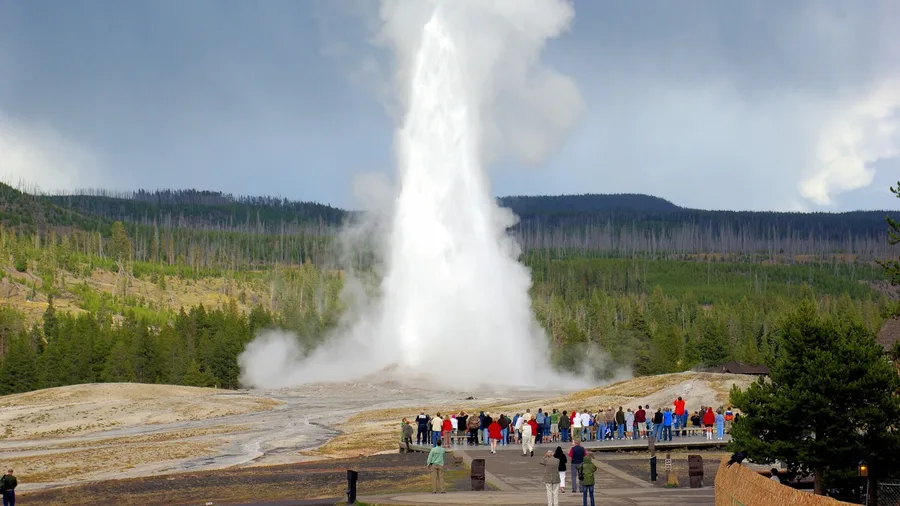
The smell arrives before the sight in the Upper Geyser Basin: hot sulfur drifting across the boardwalk, warm and mineral and faintly of struck matches, with a low hiss underneath it from vents you cannot see. Boardwalks and roadside pullouts carry a park this size better than most people expect, which means a geothermal landscape the scale of a small city can be read on foot at a stroll and from the driver's seat.
Old Faithful and Grand Prismatic both sit at the end of flat, railed walks built for exactly this. The geyser erupts on a rough schedule that the visitor center posts, so check the predicted time and arrive ten minutes early; Grand Prismatic buries the classic view of its blue eye behind steam until you take the short rise to the overlook just south of it, where the colors read from above. Two to three days between June and September covers the geyser basins and the wildlife pullouts without a single backcountry mile.
Then there is the food stop that earns its place on a park loop: a bison burger in one of the gateway towns, usually somewhere in the high teens to low twenties, at a table near a window with the day's dust still on your boots. Peak-season gateway lodging runs roughly $220-$380 a night, which is why the shoulder months of the same $140-$260 band are the real budget lever. Wildlife turns up from the car more often than not, so the car is your viewing platform and the hike stays optional.
💡 Tip: Grand Prismatic is best from the Fairy Falls overlook—a 10-minute walk uphill beats the crowded boardwalk.
3. Yosemite Valley's Waterfalls and Granite Walls
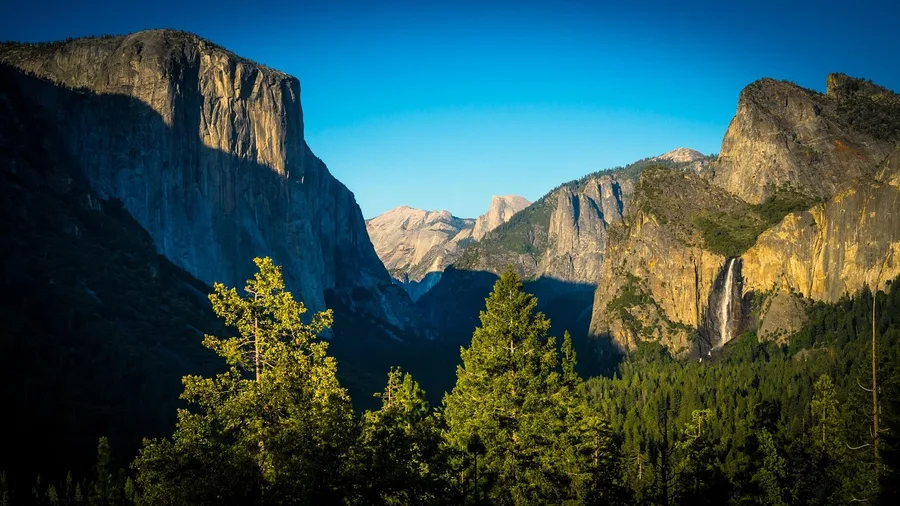
Yosemite Valley is a flat mile-wide floor beneath granite walls, and the show fits between the walls.
Tunnel View is the picture you already know: El Capitan on the left, Half Dome at the far end, Bridalveil Fall dropping on the right. It is only this good in the early morning, when the light comes up the valley behind you and the granite turns gold instead of flat white; by midday the haze flattens it and the pullout is jammed. Two days on the valley floor paths and shuttle stops keep the visit flat, and May to June is waterfall season, when the snowmelt has Bridalveil roaring and the falls at their heaviest. Entry is $35 per vehicle for seven days; peak lodging runs $220-$380 a night and shoulder season $140-$260. No climb is required for any of the classic scenery.
4. Going-to-the-Sun Road in Glacier
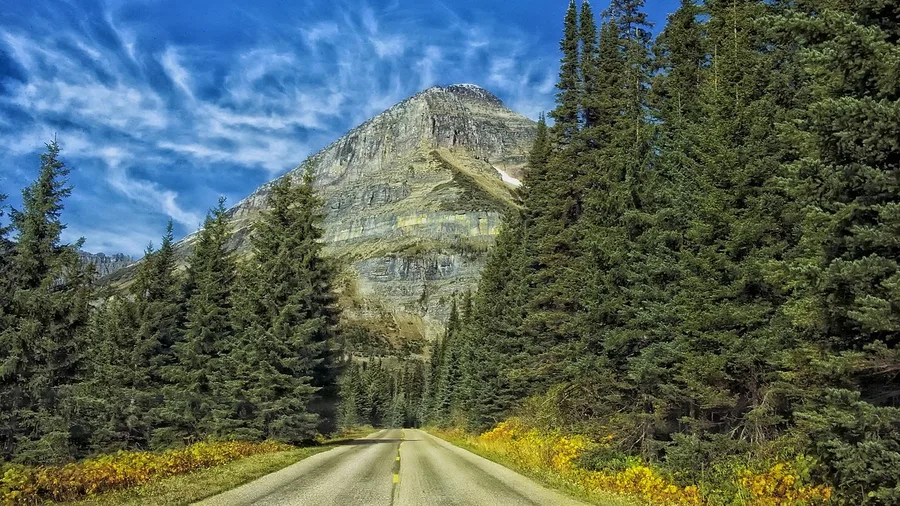
Glacier is worth it, with one catch: the road is the attraction, and the road is narrow. Going-to-the-Sun Road climbs into high alpine country across Montana's Glacier National Park, and the pullouts along the way are where you actually see it – the valley dropping away, the last snowfields holding on in July, the whole shelf of rock opening up. A flat valley can show you the postcard without a climb; here the climb is done by the car, and the pullouts and short boardwalks do the rest of the work.
Give it two days between June and September, when the full road is open; entry is $35 per vehicle for seven days. The Red Bus tour sits in the $120-$300 add-on range and is worth the money for one reason: it takes the parking search and the driving stress off the narrowest stretches, so you look out instead of gripping the wheel. Keep the second day as weather buffer. Mountain plans get canceled by cloud, and a spare day is what turns a washout into a shrug instead of a wasted trip.
💡 Tip: The east side of Logan Pass opens later in June; check the park's plowing updates before booking mid-June.
💡 PRO TIP
Book the one hard thing first
Every stop on this list has a single reservation that decides the trip: the rim lodge at Grand Canyon, the Denali bus, the Alcatraz ferry, the Glacier Bay boat. Lock that one 6–12 months out, then build the rest of the itinerary around it.
5. Zion Canyon's Pa'rus Trail and Shuttle
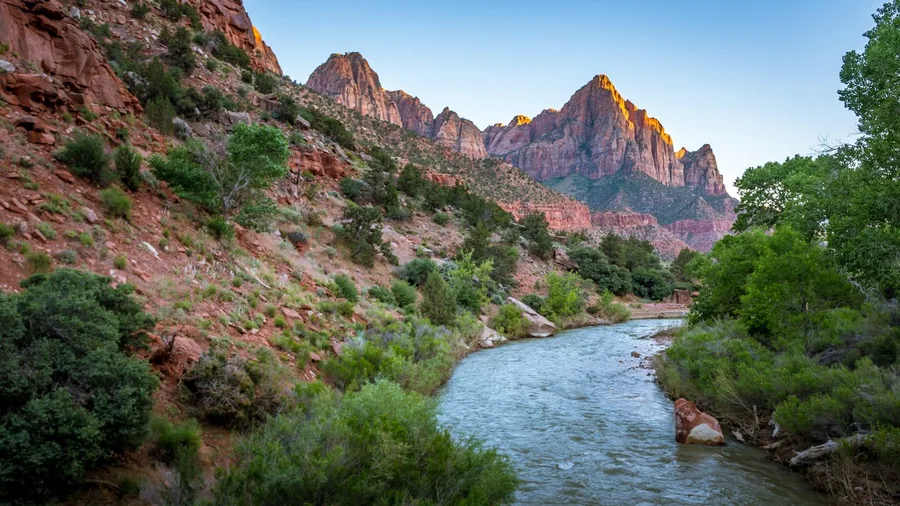
Zion is the park where that stops mattering, because the canyon experience sits on flat ground. The Pa'rus Trail runs paved and level from the visitor center along the Virgin River, and the canyon walls rise on both sides the whole way – no exposure, no ledge, no railing to talk yourself past. The shuttle does the same job from a seat: it carries you up the canyon road past the formations while someone else watches the traffic.
Two days in spring or fall covers it, and $35 per vehicle gets you seven days in the park. The shuttle also solves the parking problem – the lots at the trailheads fill early, and the bus means you never circle one. Travelers with limited mobility or a real fear of heights get the classic view this way; The Narrows is not required, and nobody should let a guided-photo list tell them it is.
The catch is the calendar. Spring and fall are the windows because summer heat on the canyon floor is the one thing the flat path cannot fix, and the shuttle queue in high season eats an hour before you have seen anything. Go early, ride to the end, walk back down the Pa'rus at your own pace.
💡 Tip: Ride the shuttle to the last stop and walk back one stop at a time—you'll dodge the crowds and the uphill.
The easy way vs the hard way
6. Delicate Arch at Sunset in Arches
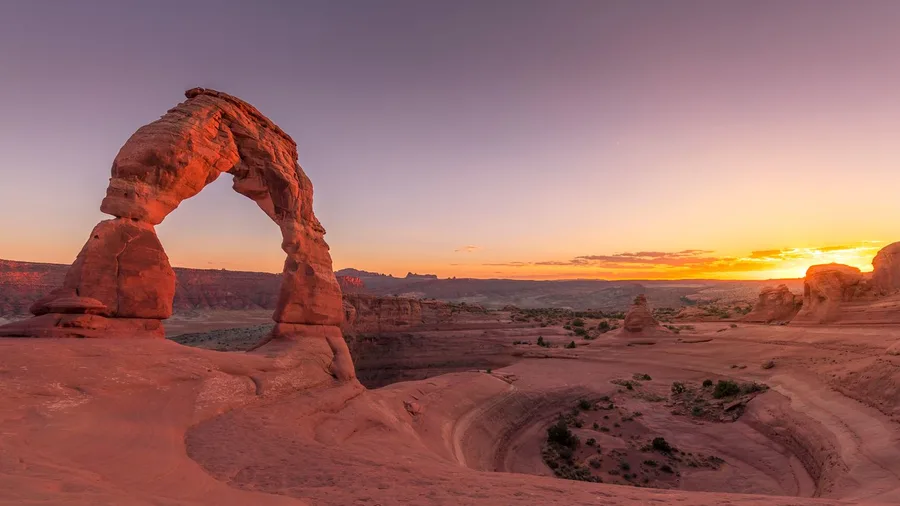
The rock goes from rust to orange to a deep lit copper in about twenty minutes, and the whole amphitheater of people sitting on the slickrock goes quiet with it. A flat path carried one canyon; here the headliner takes a little more decision. Delicate Arch stands alone at the lip of a natural bowl outside Moab, Utah, and the sunset hour is when the light does the thing people drive across the country to see.
The direct route is three miles round trip with 480 feet of gain, up open rock with no shade and a stretch along a ledge near the top. In summer heat that is a real afternoon, not a stroll. The lower viewpoint, reached by a short paved path from the Wolfe Ranch side, keeps the arch in frame from across the bowl and skips the climb entirely. If short, gentle walks with big views are the goal, these short Utah hikes show what a couple of miles can buy. That is the version to choose when knees, heat or a tight schedule take the trail off the table.
Both routes deliver the arch, so this is not a case of settling. The trail puts you underneath it with the La Sal Mountains behind; the viewpoint puts it in context, smaller, framed by the bowl, and you are back at the car in under half an hour with plenty of daylight left.
Plan for two days in September or October. The air cools, the sunset comes earlier and the parking at Wolfe Ranch turns over instead of sitting full from noon, and entry runs $35 per vehicle for seven days. A vehicle reservation for timed entry is often required in season at Arches, so check the current system before you commit to an evening. That entry fee is also the cheapest kind of splurge on this list: pay once, see the arch twice if you want.
The real spending here is time and a bed in Moab, where shoulder-season rooms land roughly $140 to $260 a night. Skip the guided jeep tour and put the money into a second night instead, so weather or a clouded sunset does not cost you the shot. Arrive at either spot an hour before sunset, bring a headlamp for the walk down, and let the light do the work.
💡 Tip: The lower viewpoint is a 0.5-mile round trip on a flat gravel path—bring a camp chair and stay for the afterglow.
Denali Trip — At a Glance
🚌 Access
Narrated bus tour
🗓️ Book ahead
6–12 months
⏱️ Time needed
2–3 days
🦌 Likely wildlife
Bears, caribou, moose
🌦️ Buffer day
Essential
💰 Bus cost
$120–$300
The mountain
Denali itself is visible only about one day in three—the bus maximizes your odds.
7. Denali's Tundra Wilderness Bus
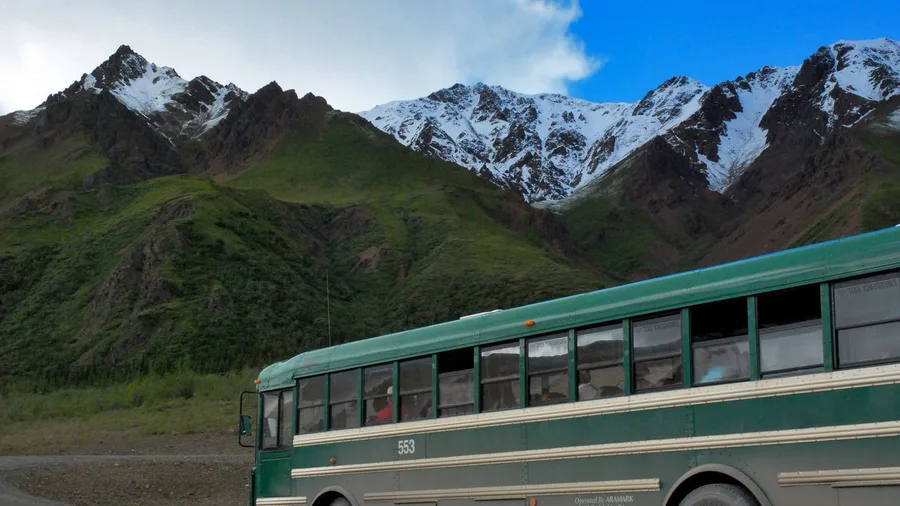
A 3-mile trail with 480 feet of gain is one way to reach a famous sight. Denali asks nothing of your legs at all. The park is 6 million acres of roadless country, and the way in is a narrated bus that does the miles and the climbing for you, rolling past grizzly bears digging on a hillside, caribou crossing the gravel, and, on a clear day, the Alaska Range filling the windshield.
Give it two to three days in June through September, and budget $120 to $300 per person for the bus tour, the same add-on range as the other scenic rides on this list. Book 6 to 12 months ahead, because the buses sell out and the road is the only access. Keep one weather buffer day: the mountain is out roughly one day in three, and no reservation buys you a view. Short walks at the stops cover the legwork; the bus covers everything else.
8. Glacier Bay from a Small Ship
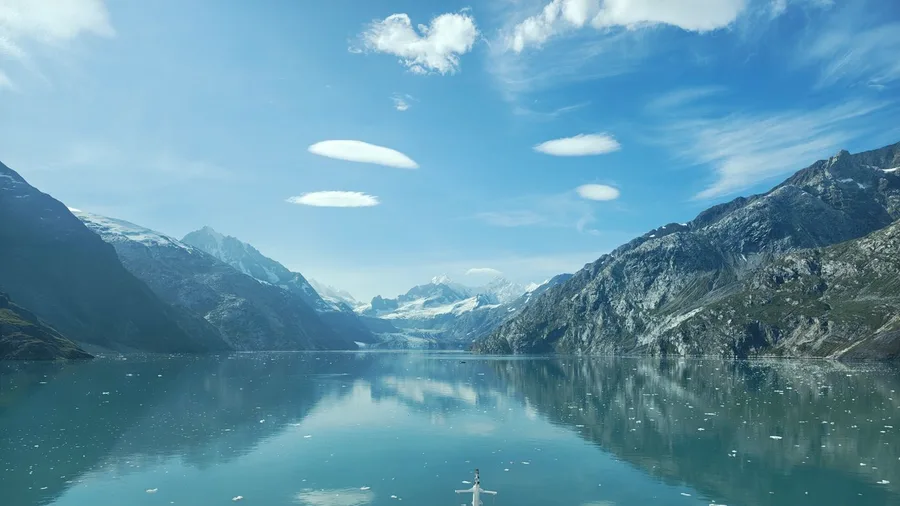
Around $120 to $300 per person buys a day on the water in Glacier Bay, and the locals in Gustavus and Juneau will tell you it beats the flight. The small-ship and day-boat runs put tidewater glaciers in front of you, cabin and meals included, while the $300 to $550 glacier flight splurge can be grounded by low cloud with no refund of your morning. Book 6 to 12 months ahead, because the boat reservation is the hardest booking on the whole trip.
Two to three days in June through September gives you the margin. The ship is the viewing platform: you stand at the rail while a wall of blue ice calves into the water and the sound arrives a second late. Hiking is not the price of the glacier, and one buffer day absorbs the weather that decides whether the boat sails at all.
Two ways to do the Alaska leg
Denali bus
- Narrated bus ride, not a hike
- Caribou and moose often close to the road
- Sit left going in for the mountain view
- Book the earliest departure for wildlife
Glacier Bay boat
- Calving face stays in view for an hour
- Ship waits out a low-cloud morning
- Motion-sickness patches beat the rail
- Glacier flight cancels first on weather
9. Big Sur on the Pacific Coast Highway
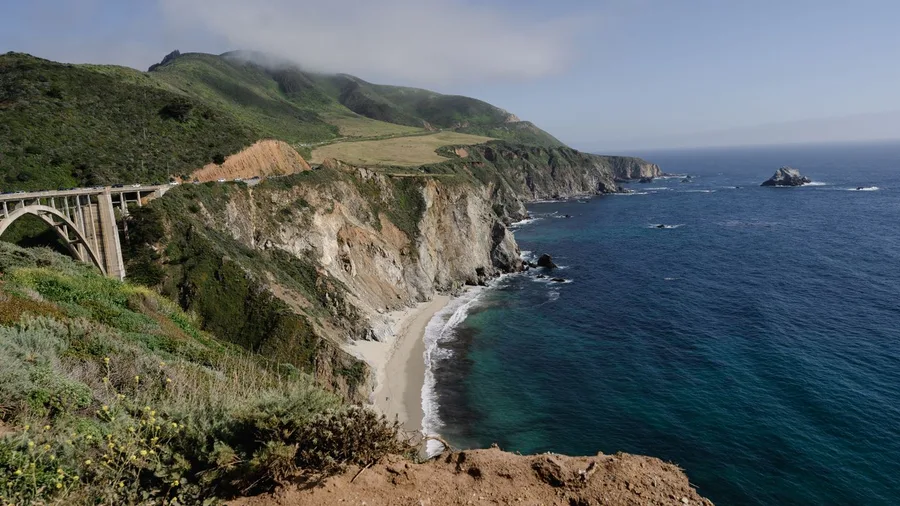
A boat puts the scenery in front of you. Highway 1 does the same from the driver's seat, with redwoods on one side and cliffs dropping to the Pacific on the other. The car is the viewing platform here, and the pullouts do the work a trailhead would elsewhere. You will stop more than you expect, and that is the point.
Two days in spring or fall is the right dose, with shoulder-season lodging at $140 to $260 a night. Daylight and turnouts matter more than any hike: drive the stretch in good light, pull off wherever the coast opens up, and let the road be the attraction. This suits anyone who can sit in a car for a few hours and step out at will.
It does not suit a driver who needs guardrails, a firm schedule, or a fast route between two cities. The road bends, narrows and closes without warning when the cliffs slide. Go for the drive itself, not to get somewhere, and the coast delivers.
💡 Tip: McWay Falls is a 10-minute walk from the pullout—the shortest payoff on the whole coast.
10. San Francisco's Golden Gate and Alcatraz
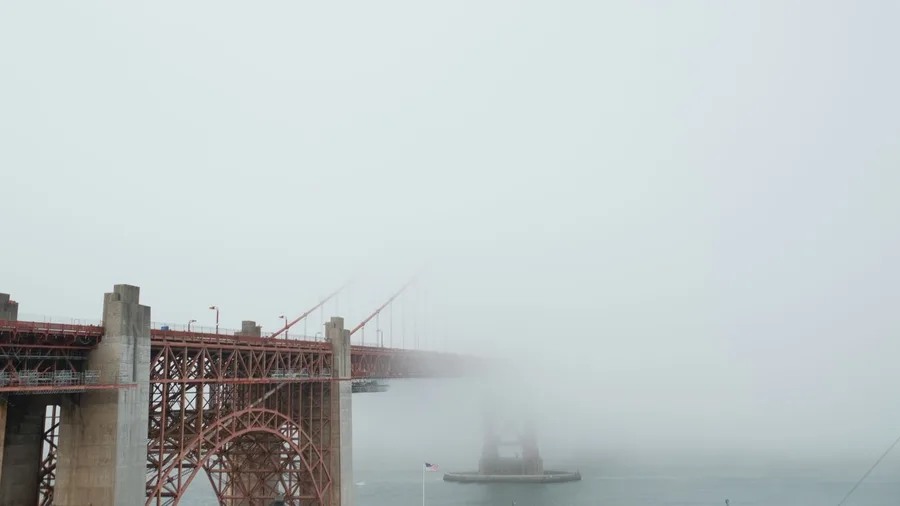
The fog moves fast at the Golden Gate, and the moment that stays with you is the one where a tanker slides under the south tower and the orange steel fades at the top, bottom third still sharp, gray above. Stand at the Battery East overlook or the welcome center plaza off the southeast end, on the city side, where the bridge is close enough to fill a frame and the wind is the first thing that registers, cold and steady off the water. Go early. Before 9 a.m. the tour buses haven't stacked up and the light comes across from the east, which is the side the towers want.
Two days in spring or fall covers the pair that defines the city: one bridge viewpoint and one ferry to Alcatraz. The ferry is the reservation that decides the trip, because slots sell out and the good morning crossings go first, so book weeks ahead, not days; the crossing is short, and the audio tour on the island lets you walk it at your own pace. You don't need a climb or a long trail. You need a timetable slot and a jacket.
11. New York's Central Park and Skyline
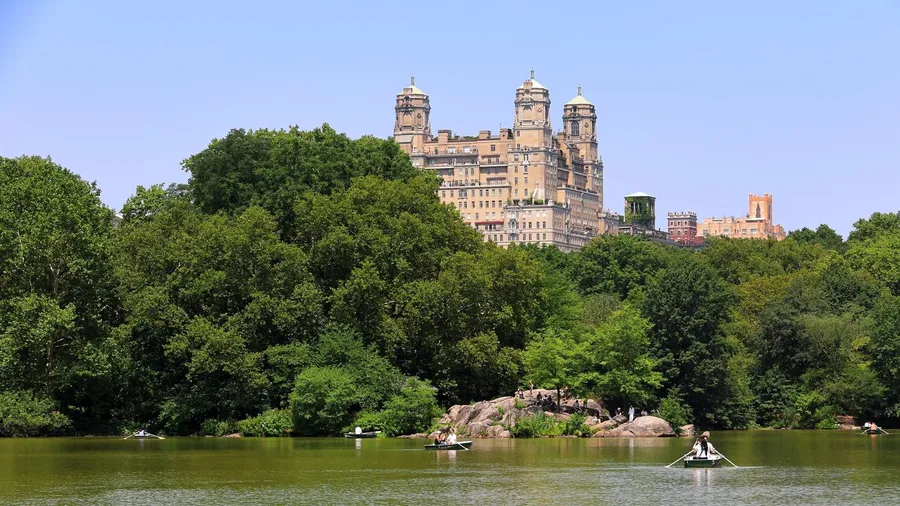
You can, if you stop treating the city as a checklist and pick three things: the park, one museum, one view from above. Central Park is the place to do nothing. Take a bench by the pond at the southeast corner, or the boathouse if you want a table, and sit for an hour watching rowboats and dogs and the skyline showing over the treetops, and call that the sightseeing.
Give it two to three days in spring or fall, and split each day with a rest stop and a subway ride rather than a long walk between districts. Museum Mile off the park's east edge is a menu, not a checklist: pick one museum, spend the morning there, and walk out through the park in the afternoon. The icons arrive at street level and from one observation deck, not at the end of a trail.
💡 Tip: The Staten Island Ferry is free and gives you the skyline and the harbor in one 25-minute ride.
12. New Orleans' French Quarter and Live Jazz
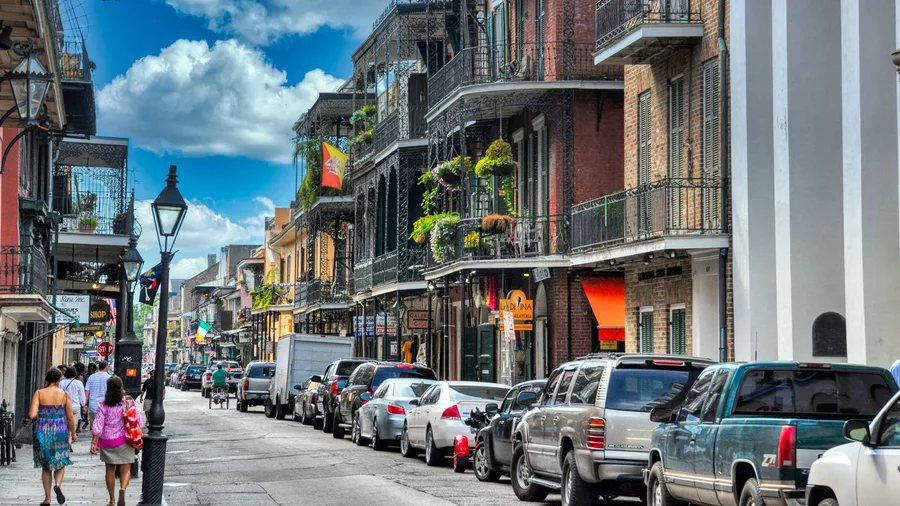
Follow the smell of chicory coffee and wet brick from the Quarter toward Frenchmen Street after dark, and you'll hear a brass line spilling out of a doorway before you see the room it comes from. New Orleans works at the pace of its music, which is slow, and the cultural core of the trip is a French Quarter walk by day and a live jazz club at night, both inside a district you can cover on foot.
Do it over two to three days in spring or fall, and stay near the walkable center so the car stays parked. The streetcars are the low-effort overview, and they connect the Quarter to the rest of the city: ride the St. Charles line out and back just to watch the mansions and the oaks go past the window. The effort here is heat and crowds, not distance. Plan the walking for mornings, save the music for evenings, and the days never run long.
⚠️ COMMON MISTAKE
Don't drive into the French Quarter
Parking is scarce and expensive, and the Quarter is small enough to walk end to end in 30 minutes. Stay in the Quarter or the Garden District and use the streetcar—your car should sit still for the whole visit.
13. Charleston's Historic Streets and Plantations
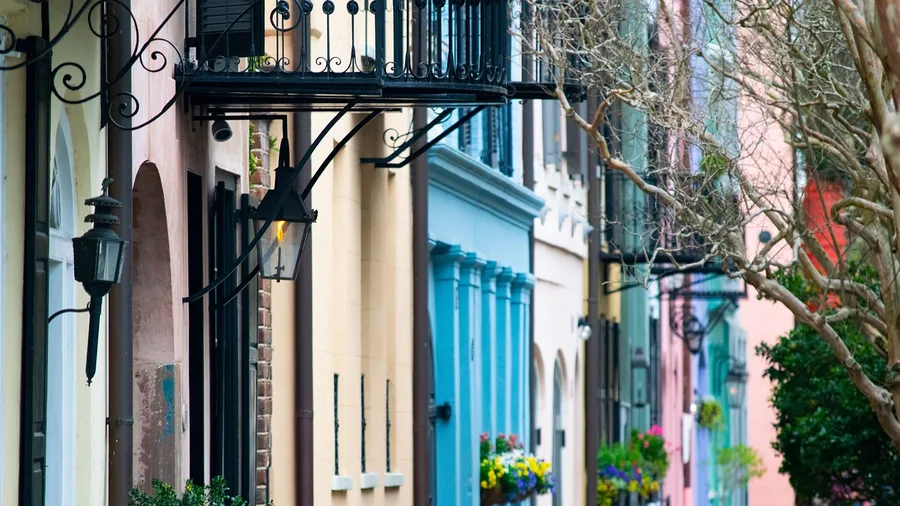
Charleston is the Southern city that gives you the most history for the least physical effort, and its historic district costs nothing to walk through. The city sits on a peninsula, and the street grid itself is the exhibit: the Battery seawall, the pastel single houses with their side piazzas, the gardens behind the wrought-iron gates. You do not drive between the sights because the sights are the spaces between the buildings. Walking is the access and the pace, and both are gentle.
Two to three days is the right stay, in spring or fall. Spring brings the gardens into bloom; fall brings relief from the heat that can flatten a midday by the water. Stay within a few blocks of King Street or the Battery and you remove the car from the trip almost entirely, which in a city of tight one-way streets and scarce parking is a gift. The Battery walk itself is free, and the seawall at sunset is the moment you will photograph, with Fort Sumter out in the harbor and the shrimp boats coming back across the water.
The one add-on worth planning is a half-day at one of the nearby plantations or gardens along the Ashley River, and it belongs on your itinerary as exactly that: a single half-day, not a day of driving between sites. Bring water, and take the plantation's own narrated grounds tour rather than covering the acreage on foot, because the stories of the place sit in the house and the history is best told from a chair.
Walking a grid that has held this much history does something a bus tour cannot: it lets the city come at you in pieces, the church steeple, the courtyard glimpse, the cobblestone lane. You notice the worn stone door sills, and the way the sea breeze moves up the side streets in the afternoon.
💡 Tip: The Battery at 8 a.m. is empty and the light is soft—the same walk feels completely different from noon.
Where to put your bookings
14. Hawaii Volcanoes and the Road to Hana
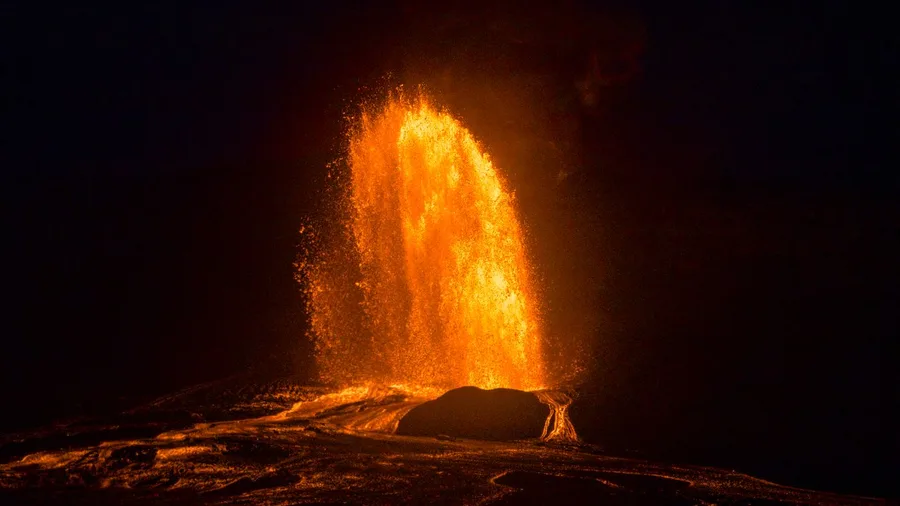
Two to three days per island is the shape that fits this pairing, and the national park fee is $35 per vehicle for seven days; the inter-island flight is the real cost, but it is the only way the two fit into one trip. Hawaii Volcanoes on the Big Island and Maui's Road to Hana are the endpoints of the most logistics-heavy plan on this list, and they reward you with two different Hawaiis in one trip.
At Hawaii Volcanoes you are walking on geology that is still warm, and short paths and scenic pullouts carry the visit without a long hike; the Crater Rim views are the payoff. On Maui, the Road to Hana is a drive with pullouts, not a trail, and the trick is to start early, stop only where the view earns it, and let the turnouts do the work. A scenic boat add-on fits the $120 to $300 range and puts the coastline in front of you from the water.
Book lodging and the boat six to twelve months ahead, and keep your daily drives short; the two-island combination asks for more planning than the rest of the list, and it pays you back in variety.
💡 Tip: Start the Road to Hana by 7 a.m. and turn around at Hana—the return in daylight is the whole point.
Frequently Asked Questions
Is this list doable as one trip?
No. The 14 places are best done as 6–8 separate trips, not one loop. Pick one region per trip—Southwest, Alaska, California coast, or the South—and give it 2–3 days per stop.
What is the best season for most of these places?
May–June and September–October for desert and mountain parks, June–September for Alaska, and spring or fall for the southern cities. Avoid July–August in the desert and peak summer in the mountain parks if crowds bother you.
Do I need to hike to get the signature view?
Almost never. The rim at Grand Canyon, the boardwalks at Yellowstone and Yosemite, the lower viewpoint at Delicate Arch, the Pa'rus Trail at Zion and the pullouts on Going-to-the-Sun Road all deliver the classic view without a climb.
How far ahead should I book?
Book popular park lodges and the hardest reservation 6–12 months ahead—the Denali bus, the Glacier Bay boat, the Alcatraz ferry. Flights and rental cars 4–6 months out, gateway lodging 2–3 months out.
Is the annual park pass worth it?
Yes if you're hitting two or more national parks on this list. Park entry is $35 per vehicle for seven days at each, and the America the Beautiful pass is $80 for a year.
What does a two-week trip for two cost?
Expect $4,800–$7,500 total including rental car, midrange lodging, park entries and one splurge—scenic train, bus or boat at $120–$300 per person, or a helicopter flight at $300–$550.
Pick one region, one season, one hard booking
Every one of the 14 earns its place because a low-effort approach still delivers the signature sight, and the hard hike stays optional. Pick one region per trip, match it to the next shoulder season, and book the hardest reservation first, whether that is the rim lodge, the Denali bus, the Glacier Bay boat or the Alcatraz ferry. Grand Canyon South Rim or Yosemite Valley is the gentler first trip.
Budget $4,800 to $7,500 for two weeks for two, covering rental car, midrange lodging, park entries and one splurge, and treat the list as six to eight separate trips of two or three days each rather than one loop. Delicate Arch's three miles and 480 feet is one option; the lower viewpoint still shows you the arch. Before 70 the win is choosing the version that leaves energy for the next place, and the next dawn at the rim.
Start with the one booking you can't redo
Open your calendar, pick the next shoulder season, and reserve the rim lodge or the Alcatraz ferry today—the rest of the itinerary follows from there.