One hotel room in Venice costs $120 to $180 a night in January and $280 to $420 in May. Winter in Europe is not the cold, dark, half-closed season you are picturing.
Start with the flight, because it is the part people assume is fixed. A typical US round-trip fare to these cities runs $550 to $900 from the East Coast and $750 to $1,150 from the West Coast, and peak summer tacks on another $200 to $400.
Then comes the hotel math. Dubrovnik drops to $90 to $140 from $250 to $400. Nine cities repeat that halving, and each one charges something back: cold, rain, a closed ferry, a holiday week that wipes out the saving.
So the question is not whether winter is cheaper. It is which city fits how you travel. The mildest walker wants Lisbon or Seville; the museum person wants Amsterdam or Vienna; the market person wants Prague or Kraków; the bather wants Budapest. Check each city's official tourism site for seasonal closures and weather alerts, pack layers and waterproof shoes, and hold a refundable room before you lock the flight.
Pick two or three and build a week. The savings hold when the weather and the opening calendar suit you, and they evaporate when they do not.
Quick Tips Before You Start
Pack real layers
Merino base layer, fleece mid, waterproof shell. Three thin layers beat one heavy coat in every city on this list.
Waterproof shoes, not just warm ones
Acqua alta, Prague cobbles and Amsterdam drizzle all punish suede. Bring boots that survive a puddle.
Book refundable rooms
Winter rates jump for Carnival in Venice and Christmas-market weeks across Central Europe. A free-cancellation rate buys you the option to dodge them.
Check tide and closure apps
Venice has an official tide forecast; Dubrovnik and Kraków tourism sites list seasonal closures. Look before you fly, not after.
Aim for mid-January to February
Markets are gone, holiday pricing is gone, and rates sit at their yearly floor. You trade festive stalls for the cheapest week of the season.
1. Venice: Fog on the Canals, Half-Price Rooms
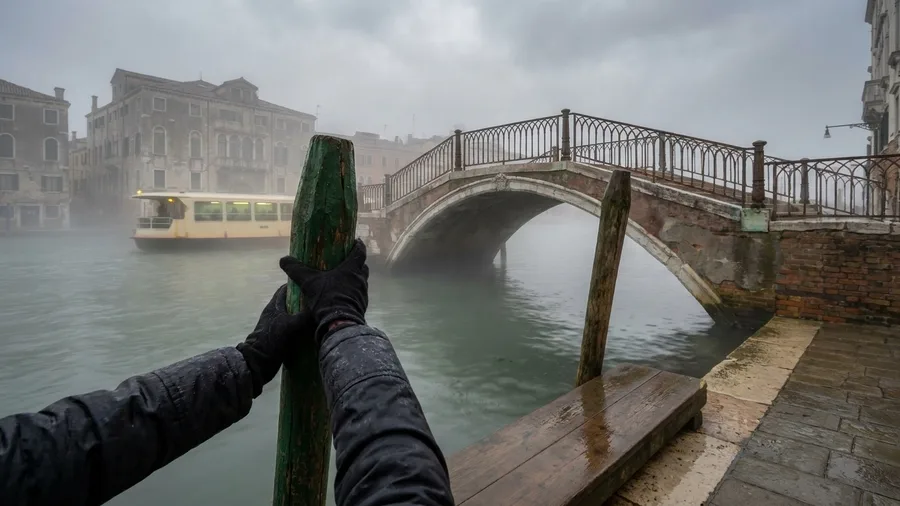
In January, yes, if you accept that the water arrives from both above and below.
January highs hover around 45°F, and fog settles low on the canals so that the palazzi on the far bank fade to gray. Acqua alta can push water across walkways in Piazza San Marco and the low lanes behind it, which is why the raised boards appear and why waterproof shoes and layers are the baseline kit rather than an afterthought. What you get back is a different city: rooms at $120-$180 a night instead of the $280-$420 that May through September commands, roughly half to two-thirds off, and a saving large enough to stretch three nights into five. The day-trippers thin out, the queue at St Mark's shortens, and the same basilica, the Doge's Palace and the vaporetti that were a scrum in July work with room to stand still and look. The catch is calendar arithmetic. Carnival in late January and February lifts rates and fills the city, so if the price is the point, book around that week, keep the reservation refundable, and check the tide forecast each morning before you plan your route. This is the pick for travelers who want the art and the lanes without the summer density and will plan around water and one crowded festival.
💡 Tip: Buy a multi-day vaporetto pass on day one. In fog you will use the boats as your main transport, not a sightseeing splurge.
| Destination | Winter high | Winter hotel/night | Peak hotel/night | Best for |
|---|---|---|---|---|
| Venice | 45°F | $120–$180 | $280–$420 | Art, lanes, fog |
| Dubrovnik | 50–55°F | $90–$140 | $250–$400 | Wall walks |
| Prague | 35–40°F | $85–$130 | $170–$260 | Markets, beer halls |
| Budapest | 38–42°F | $75–$120 | $150–$240 | Thermal baths |
| Lisbon | 58–62°F | $95–$150 | $180–$280 | Mild city walks |
| Seville | 60–64°F | $85–$140 | $170–$260 | Food, monuments |
| Amsterdam | 40–45°F | $130–$190 | $240–$380 | Museums, light festival |
| Vienna | 35–40°F | $120–$180 | $220–$350 | Markets, coffeehouses |
| Kraków | 32–38°F | $65–$100 | $130–$210 | Cheap market weeks |
2. Dubrovnik: Walk the Walls With Nobody in Front
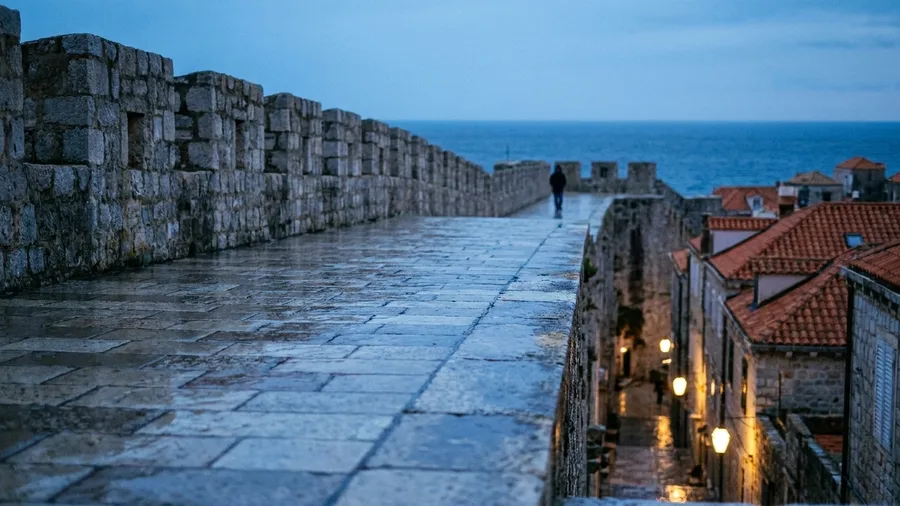
You can get the postcard in winter with a jacket and no one in front of you. The walkable core of Dubrovnik goes quiet between December and February, when the daytime highs settle around 50-55°F, cool enough for a coat but nowhere near beach weather.
That mildness matters because it means the Old Town's walls and Stradun stay usable when the crowds that fill them in summer have gone. The same walk that turns into a single-file shuffle in August opens up in January, and you can stop at a parapet, look down at the terracotta roofs and the water, and not move for ten minutes because nobody is pushing past. Rooms drop to roughly $90-$140 a night against $250-$400 in peak season – half or less – so you're paying less to see a version of the city most visitors never get.
The quiet has a cost. Many restaurants close for the season, island ferries stop running, and the cable car up Mount Srd can shut when the wind comes through. Plane the fewer options into the plan and check the official tourism site for what's actually open before you commit, because a wall walk with no crowd is worth the jacket, but a wall walk with no dinner is not.
🗺️ How to Book a Winter Trip, Start to Finish
Pick two or three cities
Choose by weather tolerance: Lisbon and Seville for mild, Kraków and Vienna for cold that pays you back.
Check the holiday calendar
Map Carnival in Venice, Christmas-market weeks and New Year, then avoid or accept them deliberately.
Verify closures first
Confirm ferries, cable cars, baths and museum hours on official sites before you commit to a city.
Book a refundable room
Winter rates move for holiday weeks; a free-cancellation rate keeps your options open at no real cost.
Set the airfare window
Expect $550–$900 from the East Coast and $750–$1,150 from the West; summer adds $200–$400 to both.
Pack for the cold you picked
Waterproof shoes, merino base layers and a shell go in the bag regardless of which city wins.
3. Prague: Markets, Beer Halls, $85 Rooms
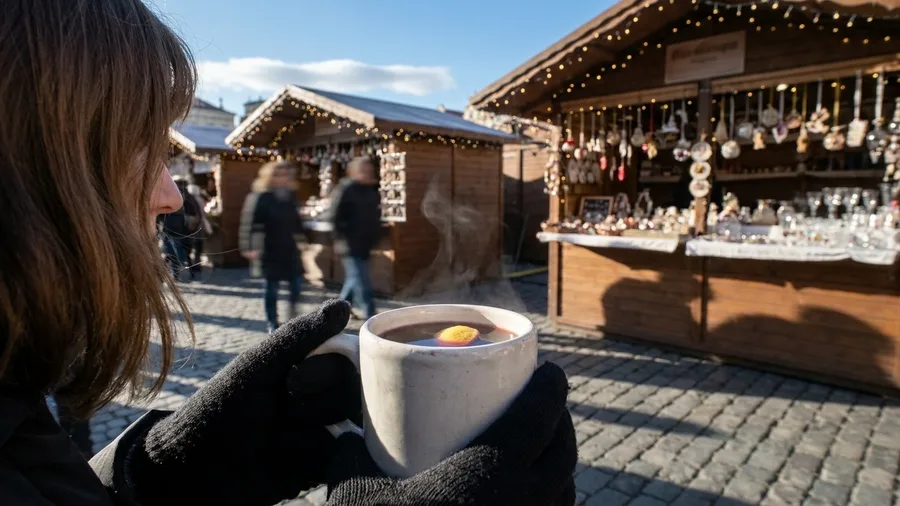
$85 a night buys a room in Prague in winter, against $170 to $260 in peak season, and the Christmas markets are the reason to pay it before early January. December through February highs sit at 35-40°F, cold enough that real layers and waterproof shoes are the entry fee, but the stalls on the squares warm you back up with mulled wine and grilled sausage, and the cheap beer halls do the rest of the budget work.
The calendar is everything here. The markets run to early January, so an arrival before that date gets the full run of them, while a mid-January arrival trades the stalls for the lowest rates of the year. Market weeks and New Year push prices back up, which is why a refundable room matters more in Prague than in almost any city on this list.
Who it suits: market-goers and budget city-break travelers who want cold weather to do something for them. Who it does not: anyone chasing short sleeves, long daylight or a quiet romantic getaway, because the squares in December are as packed as they are pretty, and the dark comes down before five.
💡 Tip: The Old Town Square market is the famous one; the quieter Havelské tržiště market a few minutes away has better prices and shorter lines.
⚠️ COMMON MISTAKE
Don't book the holiday weeks and call it a winter deal
Christmas-market weeks in Prague, Vienna and Kraków, New Year everywhere, and Carnival in Venice all push rates back toward summer. If the cheap rate is the reason you are going, travel mid-January to February and leave the festive weeks to people who want the crowds.
4. Budapest: Steam, Snow and a $75 Room
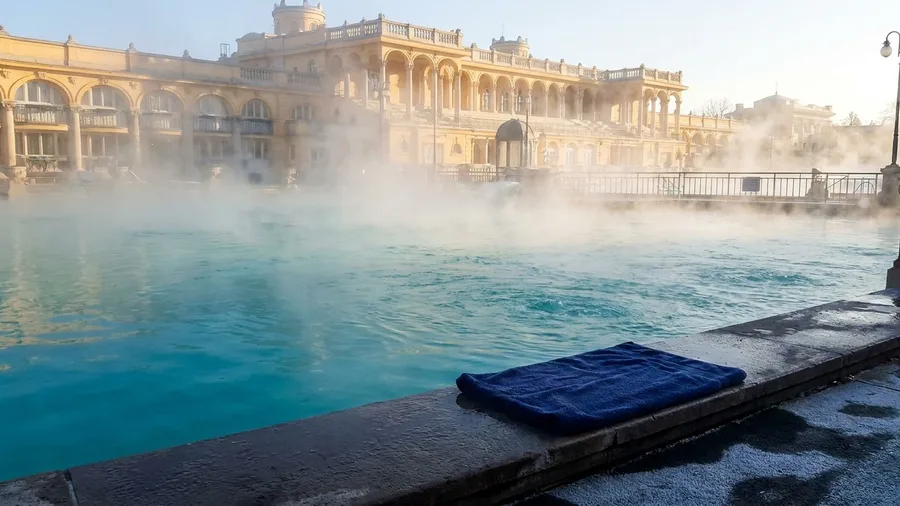
Steam rolls off the outdoor pool at Szechenyi while the air above it sits near freezing, and the bathers in the water are in no hurry to get out. Budapest's Dec-Feb highs land at 38-42F, cold enough that your hair stiffens on the walk from the changing room, but the thermal pools run all winter and the cold stops being something to endure once you are neck-deep in 100F water watching your own breath.
This is where the cold turns into the whole point instead of a tax on the trip. A double room costs about $75-$120 a night in winter where summer asks $150-$240, so a long weekend with two bath visits and a nice dinner still comes in under what a room alone costs in July. Bath and museum hours often shorten in Jan-Feb, so check the official schedules rather than assuming, and book the room refundable. Couples and budget travelers get the most from it: in summer the baths are one stop among many, and in winter they are the reason you came.
What a Five-Night Budapest Winter Break Actually Costs
Winter airfare from the West Coast adds $200–$400.
5. Lisbon: 60°F Walks at Shoulder-Season Rates

Know the rain before you book: Lisbon's winter is mild, not dry, and a run of wet days can flatten a three-day trip. December to February highs run 58-62F, warm enough for a jacket and a long walk, but showers roll in off the Atlantic and leave the hills slippery in spots. This is a city break, not an Atlantic sun holiday, and the plan should carry a waterproof pair of shoes and two indoor backups for the days that open gray.
On a dry morning, walk uphill into Alfama before the streets fill: from the Miradouro das Portas do Sol the tagus spreads below and the trams grind past. Stops like Belem take most of a half day; by midafternoon the pastries are still warm and the line has shortened.
The hotel math rewards the gamble. Rooms run $95-$150 a night against $180-$280 in peak season, so a week in January costs about what a long weekend costs in June.
Outdoor cafes persist through winter on sheltered squares, and a coffee and a pastel de nata is a couple of euros. Pack leggings under a rain shell, keep a museum or two in reserve, and this is the mildest winter on this list.
💡 Tip: Buy a rechargeable Viva Viagem card at the airport metro and load it with credit — it covers metro, tram and funicular for the whole trip.
6. Seville: Orange Trees and Fifteen-Minute Queues
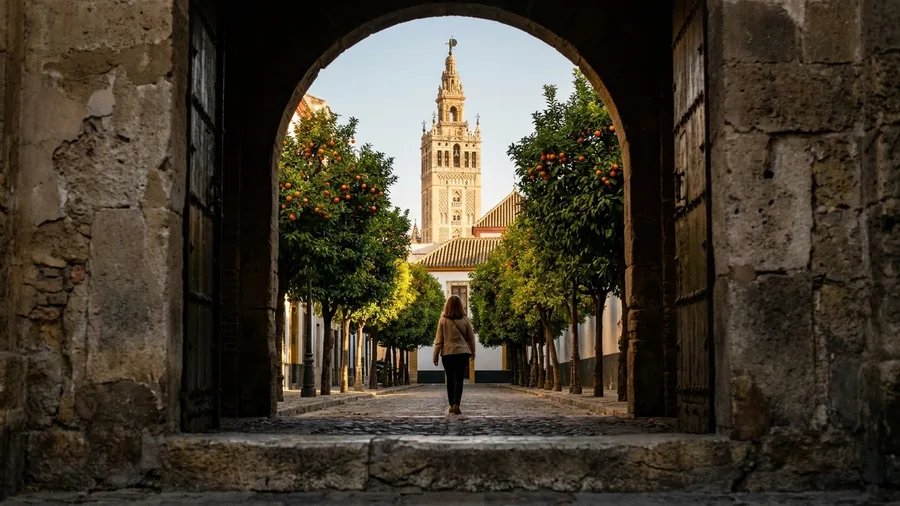
Seville is a warm-weather city you can walk in winter, and that changes what the trip is. Dec-Feb afternoons land around 60-64F, shirtsleeve weather by two in the afternoon and cool enough by dusk for a jacket, which beats the 100F-plus summer that turns sightseeing into a survival exercise.
Money does part of the work: rooms drop to roughly $85-$140 a night against $170-$260 in high season, near half. The rest is time: with the Alcazar and the cathedral queues down to minutes rather than the summer hour-plus, you can see both in a morning and spend the afternoon eating. Bitter oranges hang over half the streets on the walk between them. If you dislike heat and travel to eat and walk, book the nicer hotel here and let the shorter lines be the bonus.
7. Amsterdam: Museums Without the Snake Line
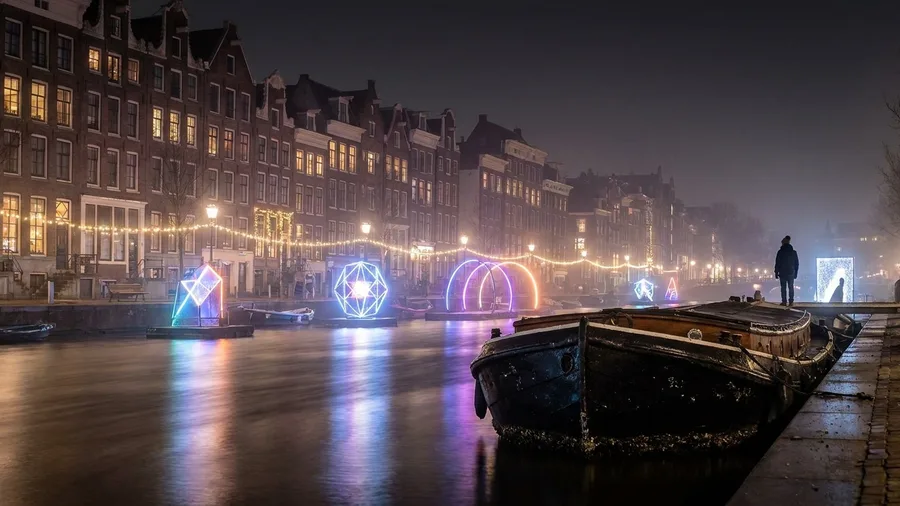
New Amsterdam cold hits harder than Seville mild, but the winter math lands in the same place: a museum city with the queues stripped out and the hotel bill cut nearly in half.
December through February highs run 40-45F, and the damp comes at you sideways off the canals. Layers and waterproof shoes are not optional kit here; they are the price of walking the Jordaan in comfort. The reward is that the line at the Rijksmuseum, the one that snakes around the forecourt in July, is short or gone, and the Van Gogh Museum slots open the same day rather than weeks out. Cold and dark become the trade you make for seeing the art in an hour instead of an afternoon. The same trade works outdoors, where national parks in winter swap crowds for quiet.
Hotels run $130-$190 a night against $240-$380 in peak season. The saving is real, but smaller than what the eastern cities on this list give back, so treat Amsterdam as the middle of the ledger rather than the bargain end of it.
Locals treat the dark as an asset. The Amsterdam Light Festival runs through December and into January, with illuminated installations set along a route you can walk or see from a canal boat, and it gives the short evenings a purpose instead of a reason to stay in. If the festival is the whole draw, book December or the first half of January and check the current dates before you commit, because the route and the dates shift year to year.
Amsterdam Winter — At a Glance
📅 Book by
Early Dec for Light Festival
💶 Saving vs summer
About $110–$190/night
🎟️ Van Gogh tickets
Same-day slots in Jan–Feb
🚫 Skip if
You want the cheapest city on this list
✈️ Flight add-on
$200–$400 more in peak summer
Booking move
Reserve a refundable room now; winter rates climb for New Year and Light Festival weekends.
8. Vienna: Glühwein, Coffeehouses, Ball Season
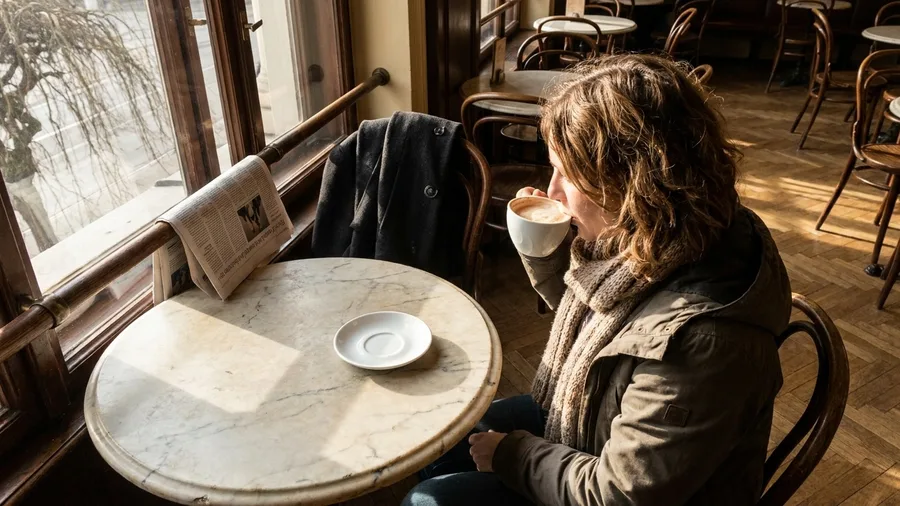
The cold finds your hands first, wrapped around a paper cup of glühwein at a market stall in front of the Rathaus, steam curling off it while the lights strung through the trees do the work of a sunset that quit at four. Vienna in December runs 35-40°F by day, cold enough that you drink the wine rather than nurse it, and that is the point: the season here is built so every stretch outdoors ends somewhere warm.
That warmth is the coffeehouse, and it is the reason Vienna suits a slow winter. The cold is broken into short outdoor bursts, each one closed by a marble table, a melange and a newspaper on a wooden rod, and nobody hurries you out. The markets carry the holiday weeks, and the January-February balls stretch the festive feeling into a season of indoor glamour for anyone who would rather waltz than stand in a queue.
The bill reflects the city's standing: $120-$180 a night in winter against $220-$350 in summer, well under peak but still above what Prague, Budapest and Kraków charge. Market weeks and New Year push rates back up, so lock a refundable room and you have protected the plan against the spike. Come for the atmosphere and the coffeehouses if that is your draw, and know the cold is the entry fee, not the obstacle.
💡 Tip: Standing-room tickets at the Staatsoper sell for a fraction of a seat and go on sale about 80 minutes before curtain. Queue early.
Vienna: Market Weeks vs Mid-January
Same city, two different winter trips
9. Kraków: The Cheapest Winter Week on the List
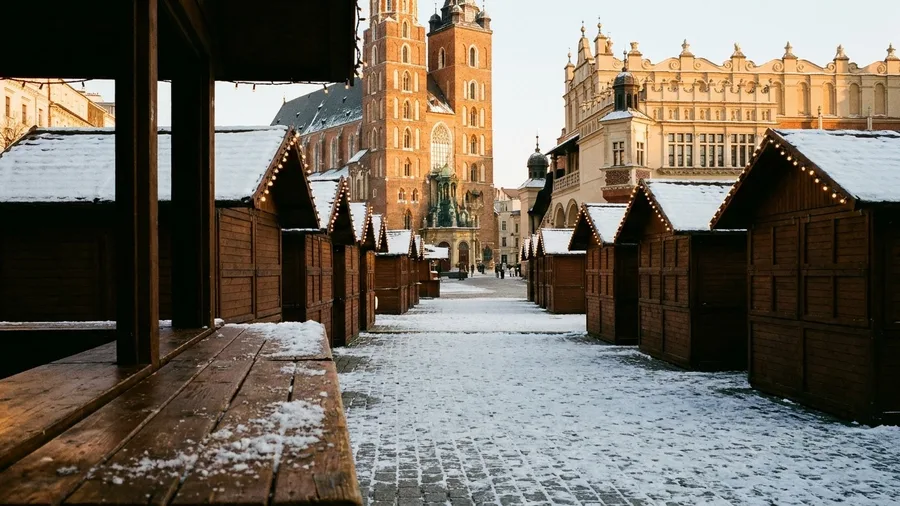
Vienna gives you the markets and the coffeehouses at a premium; Kraków runs the same formula on a tighter budget, and asks more cold in return. The day's high here in December and January tops out around 32-38°F, the coldest stop on this whole list, so the method changes: serious layers, waterproof shoes, and outdoor time broken into short bursts rather than long strolls. If snowy peaks appeal more than snowy squares, mountain towns that improve in winter make the same case for cold-weather travel.
The payoff is the cheapest winter week you will find among these cities, hotels at $65-$100 a night against $130-$210 in peak season. The main market fills Rynek Główny, the vast square at the old town's center, and in the early evening, when the stalls light up and the scent of grilled sausage and hot beer cuts through the cold, it earns its reputation as one of Europe's best. Go after dark rather than at midday: the square is at its best when the lamps are on and the crowd has thinned.
Market weeks and New Year lift rates, so a refundable booking is the safeguard, and budget travelers who can handle real cold will find the trade fair. This is the stop for the traveler who wants the festive city break at the lowest price, and who packs for 32°F without complaint.
Winter Trip: Do This, Not That
Do this
- Book a free-cancellation rate and recheck it monthly
- Travel mid-January to February for the lowest rates
- Check official tourism sites for seasonal closures
- Pack waterproof boots and three thin layers
- Keep two indoor backups for every outdoor day
Not that
- Assume every restaurant, ferry and cable car runs
- Book the Christmas-market week and call it a deal
- Rely on summer opening hours
- Pack suede shoes and one heavy coat
- Plan a beach holiday around a 45°F city
Frequently Asked Questions
Is it actually cheaper to visit Europe in winter?
Yes — hotels fall to roughly half of peak in most of these cities. Venice drops from $280–$420 to $120–$180, Budapest from $150–$240 to $75–$120, Kraków from $130–$210 to $65–$100. Airfare is lower too: $550–$900 round-trip from the East Coast versus $200–$400 more in summer.
Which of these cities is warmest in winter?
Seville, at 60–64°F, with Lisbon close behind at 58–62°F. Both are city breaks rather than beach trips — you will want a jacket in the evening and a rain plan in Lisbon.
Do Christmas markets justify the higher holiday-week rates?
Only if the market is the reason you are going. Prague, Vienna and Kraków all raise rates for market weeks and New Year, and the stalls close in early January. If you want the cheapest week, travel after they close.
What should I pack for a winter city break?
Three thin layers — merino base, fleece mid, waterproof shell — plus boots that survive a puddle. Add gloves and a hat for Prague, Vienna and Kraków, where highs sit in the 30s.
What closes in these cities during winter?
It varies by destination: Dubrovnik loses many restaurants and island ferries, Venice deals with acqua alta, and bath and museum hours shorten across Central Europe in January and February. Check official tourism sites before booking.
Should I book a refundable hotel?
Yes. Winter rates spike for Carnival in Venice, market weeks in Prague, Vienna and Kraków, and New Year everywhere. A free-cancellation rate costs little and lets you dodge those weeks or rebook if plans shift.
Pick the Cold City That Suits You
Match the city to your coat, then book the room. Cheapest is Kraków at $65 to $100 and 32 to 38°F. Mildest is Lisbon at 58 to 62°F, with Seville close at 60 to 64°F. Best markets are Prague, Vienna and Kraków. Best museums are Amsterdam and Vienna.
That Venice gap, $120 to $180 against $280 to $420, is the pattern rather than a one-off. It also has an expiry date: rates climb for Carnival in Venice, Christmas-market weeks in Prague, Vienna and Kraków, and New Year. Book around those weeks or accept the spike.
So check official tourism sites for closures and weather alerts, note that many museum and bath schedules shorten in January and February, and reserve a refundable room before you commit to a flight. Then pick your week and let winter do the discounting.
Pick Your Two Cities Tonight
Open the table above, choose the city whose winter high you can actually live with, and check its hotel rate for a mid-January week before you book anything else.