Americans ruin a Europe trip by adding a second famous city when they should be adding a second good one. You have London, Paris and Rome done, the flight into Brussels, Amsterdam, Rome, Barcelona or Munich is already booked, and the reflex says anything non-obvious costs another flight and blows the budget. It doesn't. Only Sibiu needs a short connection; the other eleven sit $30 to $90 and 30 minutes to three hours from where you land, with doubles at $90 to $260 and daily spend of $70 to $140.
Twelve cities follow, each pinned to a nightly rate, a daily spend, a best season and the one thing worth the detour. Book the trip off this page instead of twelve browser tabs.
Work through it and you will be able to name a first pick for cheapest, for best food, for best scenery and for the best two-night add-on, then lock shoulder-season dates before you touch the onward train.
Quick Tips Before You Start
Book the train, not the flight
Every city here except Sibiu is a 30-minute to 3-hour train ride from a major hub, so price the train before you commit to a rental car.
Check the nightly rate first
Double rooms run $90 to $260 across the list; knowing the rate tells you whether two nights or four makes sense.
Aim for shoulder season
Late April to June and September to October work for all twelve, and they dodge both the August heat and the November grey.
Budget $70–$140 a day
Room excluded, daily spend is $70 to $100 in Poland and Romania and $90 to $140 elsewhere; coffee runs $2.50 to $4.
Pack for walking
Old cores here are 20 to 40 minutes end to end on foot, often over cobbles and stairs, so leave the rolling suitcase for the airport.
1. Ghent, Belgium: Bruges Without the Postcard Crowds
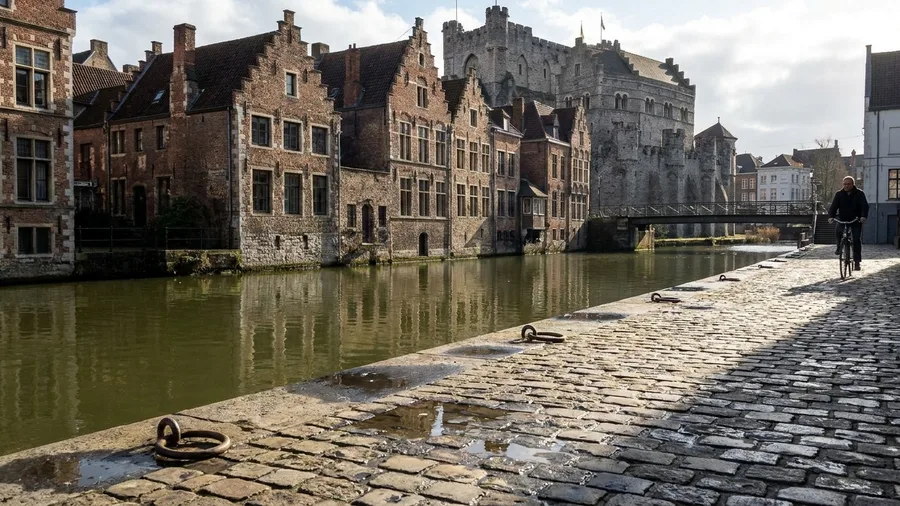
Ghent is the quieter Bruges, and you should still pick it. The three-nights test is the one to hold yourself to: three nights here cover the Graslei quay, the castle, the design museum and one full afternoon on a rental bike out along the canals, which is more actual doing than most people manage in a week of hop-on buses. Nobody comes home saying they wished they had watched more canal from a bench.
The match with Bruges is real. The same guild-house fronts rise straight out of the water, the same tight bridges, the same early-morning flat light on the brick. The difference lands on your card: doubles run $160-$230 while Bruges charges peak-season rates for rooms with less character and a street below full of tour groups by nine. You get thirty minutes on the train from Brussels, so this is not a separate trip, it is a second stop added to one you have already paid to fly into.
The honest part is that Ghent works for a living, and the walk in tells you so. You will pass offices, a boarded facade or two, a tram that is not there for you, and the postcard core turns out to be small. What you trade for those flawless blocks is a student quarter where locals set the pace and dinner costs $18-$35, plus a room rate that leaves money for the bike rental and the museum. That is a good trade. Bruges is the museum; Ghent is the town that happens to have the same view.
💡 Tip: Ride the bike route along the Leie before the museums open; the canal path is empty and flat for miles.
| City | Best months | Double room / night | Daily spend | Build the stop around |
|---|---|---|---|---|
| Ghent, Belgium | Apr–Jun, Sep–Oct | $160–$230 | $90–$140 | Canal quay, castle, bike ride |
| Utrecht, Netherlands | Apr–Jun, Sep–Oct | $170–$250 | $90–$140 | Wharf cellars, Dom Tower |
| Bologna, Italy | Apr–Jun, Sep–Oct | $130–$200 | $90–$140 | Porticoes, ragù, market hall |
| Annecy, France | Jun, Sep | $180–$260 | $90–$140 | Lake swim, cycle path, peaks |
| Wrocław, Poland | May–Sep | $110–$160 | $70–$100 | Market square, river islands, dwarfs |
| Coimbra, Portugal | Mar–Jun, Sep–Oct | $120–$180 | $90–$140 | Baroque library, student fado |
| Ljubljana, Slovenia | Apr–Jun, Sep–Oct | $140–$210 | $90–$140 | Castle hill, riverside, Lake Bled |
| Sibiu, Romania | May–Sep | $90–$140 | $70–$100 | Two squares, roof eyes, village museum |
| Girona, Spain | Apr–Jun, Sep–Oct | $150–$220 | $90–$140 | Wall walk, staircases, Costa Brava |
| Valletta, Malta | Apr–May, Oct | $160–$240 | $90–$140 | Fortress grid, harbour ferries |
| Aarhus, Denmark | May–Sep | $170–$250 | $90–$140 | Art museum roof, Latin Quarter |
| Turin, Italy | Apr–Jun, Sep–Nov | $130–$200 | $90–$140 | Café arcades, Egyptian museum, aperitivo |
2. Utrecht: The Canal Ring Amsterdam Doesn't Advertise
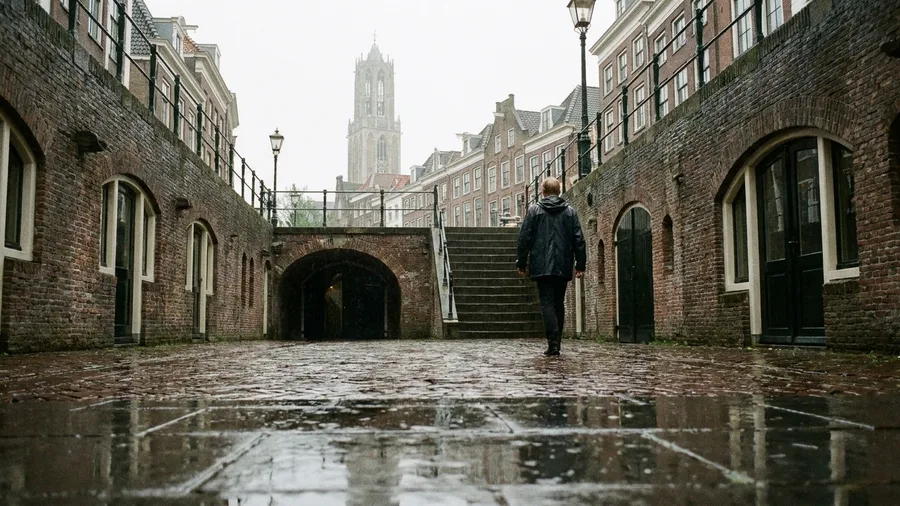
Know before you go: if you are coming for art on the level of the Rijksmuseum, book Amsterdam and do not talk yourself out of it. Utrecht cannot answer that, and it will not pretend to. The swap works on a narrower test, which is whether canal layout and thinner crowds matter more to you than a first-rank collection, and only you can settle that one.
Apply the working-city test to the Netherlands and the answer arrives thirty minutes by train from Schiphol, close enough that it slots into a trip you have already booked rather than becoming a new itinerary. Doubles run $170-$250 and two nights is enough. Build the day around two things: the wharf-level cellars that sit below street level, where a cafe table is a flight of steps down from the pavement, and the Dom Tower, with a compact old town you cross entirely on foot between them.
Amsterdam stays a thirty-minute day trip if you still want it, which takes the risk out of the choice. You sleep where the crowds thin and the canals are quiet enough to hear a bike bell from a bridge away, and you still get the museum if the mood takes you. A city with less on its walls and more room on its bridges is the trade. For a two-night stop on the way into or out of Schiphol, that is the right way round.
3. Bologna: Porticoes, Ragù and No Tour Buses
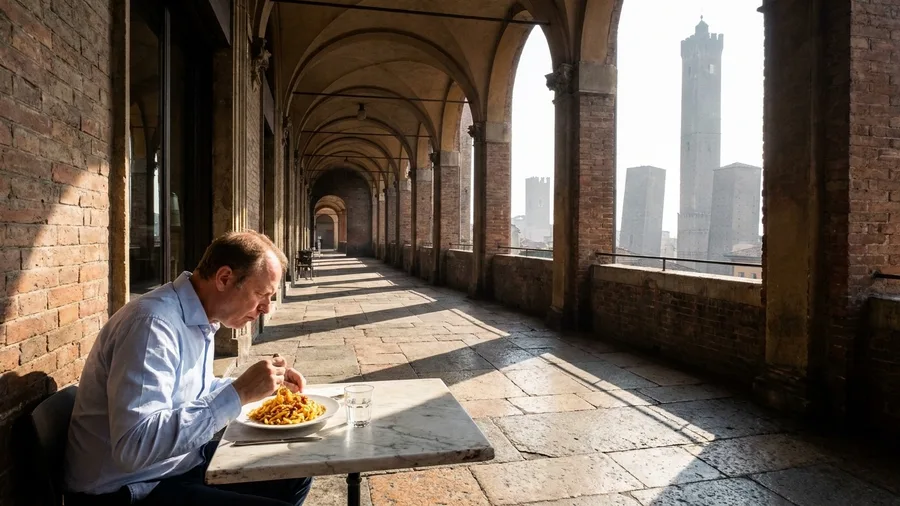
Bologna, mostly, and it is the same test the canal cities just taught you: pick the place that works rather than the place that poses. You will not find a blockbuster sight to tick off here, no leaning tower, no obligatory monument, and that absence is exactly what keeps the tour buses out and the food honest. What you walk into instead is forty minutes of covered arcade, porticoes running for miles above the streets, so you can cross half the city in a downpour without opening an umbrella. Wedge that around the medieval towers and the market hall and you have three solid days without once queueing for anything.
The eating is the reason you came, so do it right: a plate of tortellini floating in clear broth, tagliatelle under a slow meat sauce, a slice of mortadella from the counter, dinner landing between $18 and $35 because the clientele is students and office workers, not a coach party. Give it three nights, doubles $140-$210, and use it as a base, with Modena half an hour away and Florence about an hour by train. What it lacks is that single famous sight, and August is the trap, when the heat and the holiday closures hollow the place out, so aim for late April through June or September.
4. Annecy: Alpine Lake Without Chamonix Prices
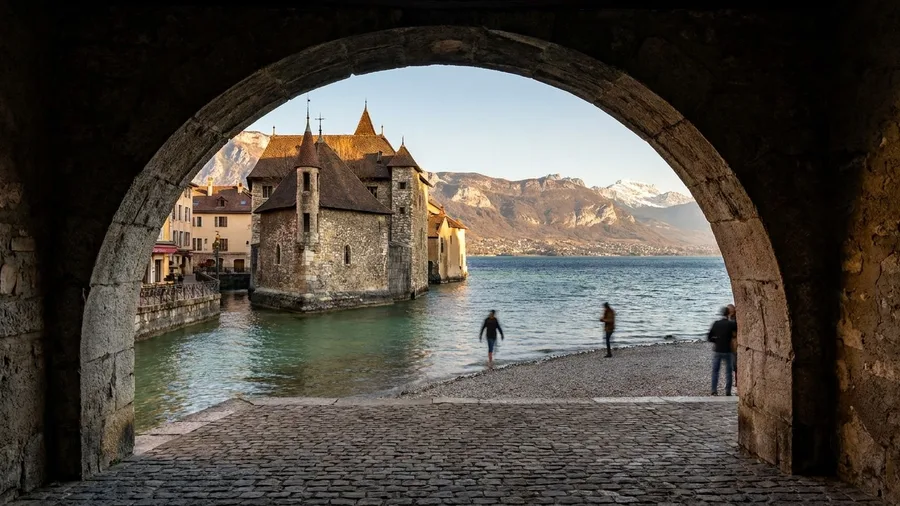
Annecy's doubles run $180-$260 a night, the highest on this list, and still land under Chamonix in high season. That is the whole pitch: the same Alpine wall of mountain, a lake in the middle of it, and a room bill that does not read like a ski resort's.
The lake does the work. It is genuinely that opaque green-blue near the shore and deep navy further out, ringed by peaks with patches of snow still holding in June, and the old town threads a narrow canal between buildings on the way to the water. The swim happens off the grass parks and pebble beaches at the north end, the cycle path around the lake runs flat and mostly car-free for roughly 40 km, and the surrounding peaks launch paragliders and hikers from a cable car above town. Three days covers all three, and the history sits in the middle of it: the Palais de l'Ile is a 12th-century island prison shaped like the prow of a ship, split by the canal current on both sides, and it has been a coin mint, a courthouse and a jail before it was a museum. Pay the small entry fee, take 30 minutes inside, and walk out understanding how a medieval town used its water as infrastructure rather than decoration.
💡 PRO TIP
Book the onward train early
Onward trains from the hub run $30 to $90 and 30 minutes to 3 hours. Book them the same week you book the flight: the cheap seats on these short routes sell out first, and the walk-up fare can double.
5. Wrocław: River Islands and the Lowest Prices
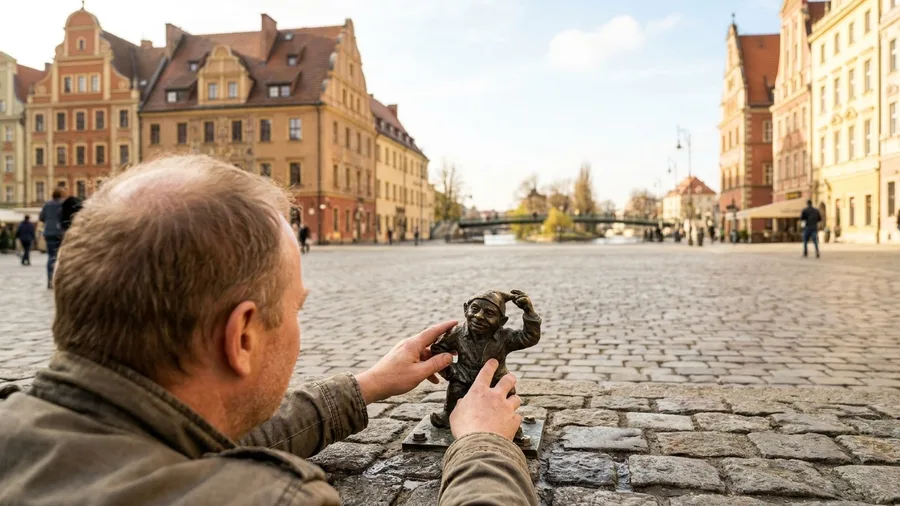
Wrocław costs roughly a third less than the Alpine lake stop per night, and dinner drops from $18-$35 to $12-$22. That is the same three-night city break, at the list's floor.
The market square is the largest in Poland, ringed by rebuilt burgher houses in ochre and rust, and it opens onto a lattice of river islands crossed by footbridges. Walk the whole core – market square, islands, the dwarf statues bolted to the pavements – end to end in about 25 minutes. Families get the dwarf trail: a few hundred small bronze dwarfs hidden across the city, each doing something different. Couples get the evening bridges and the cathedral on the island of Ostrów Tumski, where the last gas lamps in the city are still lit by hand at dusk.
💡 Tip: Buy a 24-hour tram pass and use it for the islands; the bridges are walkable but the tram saves your feet for the dwarf trail.
What a week here actually costs
Room excluded, per person per day, and the train in from the hub
6. Coimbra: A University on a Medieval Hill
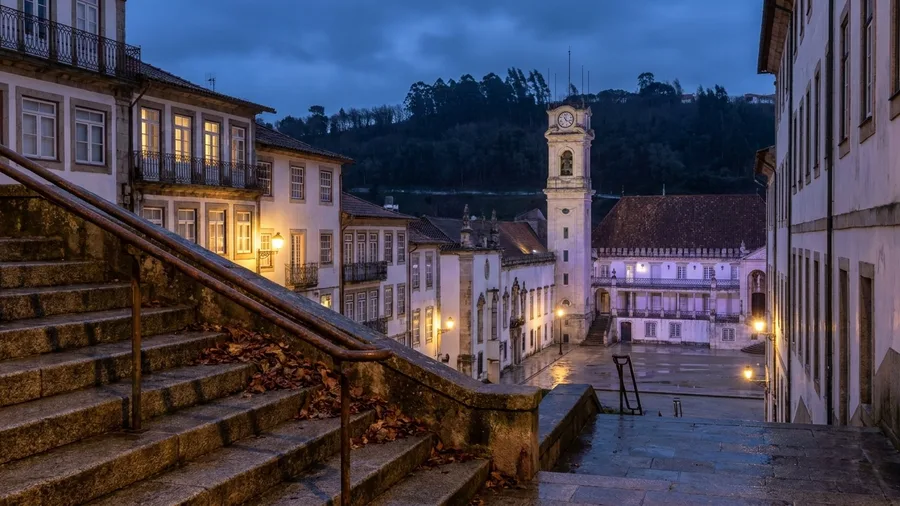
The sound in Coimbra comes from above and below at once: students in black capes crossing the courtyard above the old town, and the mournful fado drifting up the stairways that connect the two.
The city climbs a hill to a university founded in 1290, and the baroque library at the top – dark wood, gilded shelves, bats kept to eat the bookworms – earns the walk. The steep lanes between the courtyards and the riverbank are the price, and they are steep. Doubles run $120-$180 a night, and it sits about two hours from Lisbon and one from Porto, both by train.
The specific thing you might not plan for: the swifts. They nest in the old university stonework and scream through the squares in the evenings from roughly April to September, and the terraces above the river fill to watch them. That is the honest likelihood – reliable in term time, gone in winter. A student-sung fado night in a small bar near the university runs a fraction of a Lisbon fado dinner, and the trade is real: come July or August and the city empties, half the student bars shut, and you get the library without the sound.
7. Ljubljana: The Walkable Base for the Alps
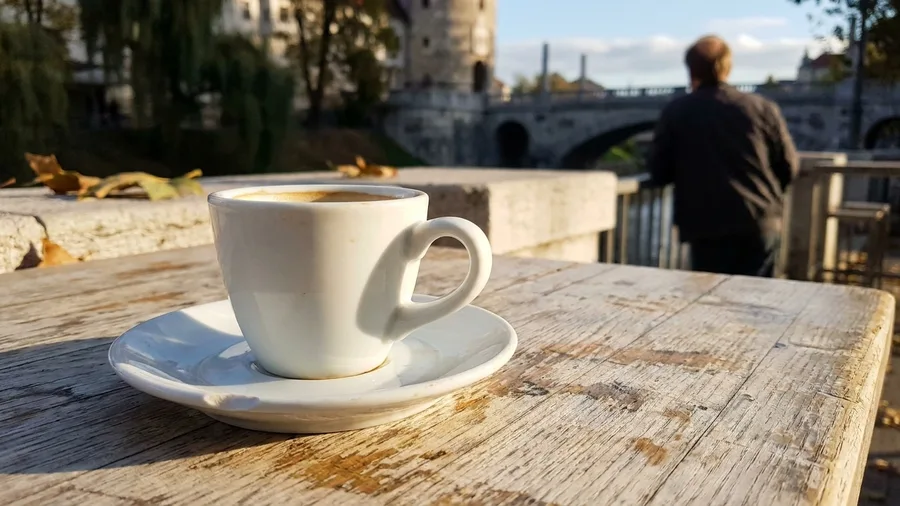
Ljubljana is the stop you sleep in rather than the stop you sightsee, and that is the whole point of it. The green capital sits on the Ljubljanica river, a castle on the hill above, café tables strung along the banks where a coffee costs $2.50 to $3.50.
Start with the number that matters: the old core walks end to end in 25 minutes. You will pass the Triple Bridge, the riverside market under the colonnade and the funicular that hauls you up to the castle, and by the time you turn around you have seen the city. Three nights, doubles $140 to $210, day one spent on the castle hill and the market. Day two is the point. Then, at the end, another sentence to close the paragraph cleanly.
Here is what the position buys you. Lake Bled is roughly an hour by bus or train, the Postojna caves are an easy half-day, and you can put the Adriatic at about two hours by rail. Every one of those comes back to the same bed, so you unpack once instead of repacking in three towns.
The catch is real. After two full days the city runs dry on urban material, and anyone who wants a city break with a museum list should take Turin or Bologna instead – this is a base, not the reason you booked the flight. What you get in trade is centrality: an hour from the Alps in one direction, two from the coast in the other, at a room rate well under the lakeside hotels that charge for the address.
Two nights or three? How each pick spends your days
Book it as a base
- Ljubljana: three nights, four if you add Bled and the caves on separate days.
- Aarhus: three nights, but Copenhagen eats three hours each way.
- Girona: two nights is enough city; add a third only for the coast.
- Coimbra: two nights, day trip to Lisbon or Porto not both.
Book it as the destination
- Bologna: three nights, but skip July and August.
- Turin: three nights; July and August are hot and shut down.
- Valletta: two nights covers the grid; avoid high summer.
- Annecy: three nights for the lake, and book the room first.
8. Sibiu: Transylvanian Squares at the Lowest Cost
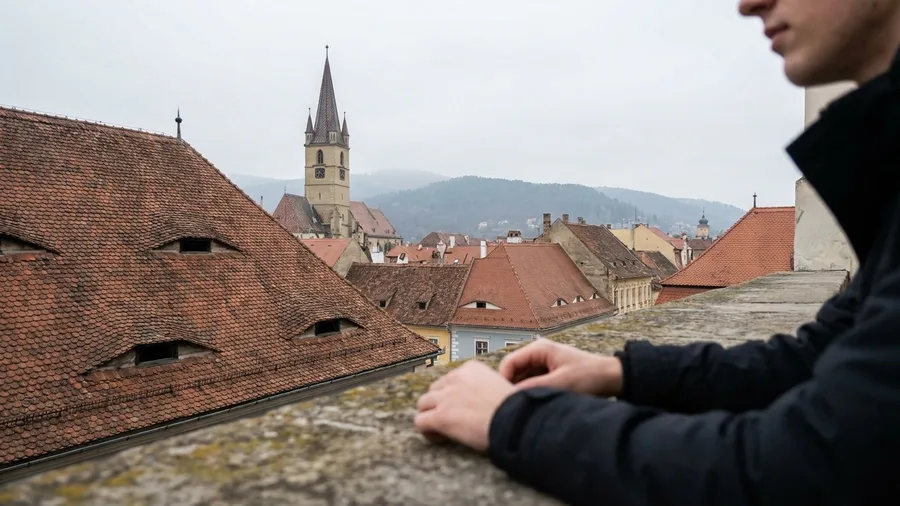
What hits you first is the eyes, small dark roof vents set into the tall tiled roofs, staring down at the square like half-shut lids. Then you look at the price. Doubles in Sibiu run $90 to $140, and a sit-down dinner costs $12 to $22, the bottom of the range on this whole list.
It is a Saxon city in Transylvania, two linked squares at the foot of the Carpathians, the Lutheran church rising over stone lanes that are three centuries intact. Three nights covers the squares, the roof windows and the open-air village museum outside town, and one rented car for a day gets you over the mountain road behind it. Then the honest part. From the US it takes two flights and a long transfer, so it only earns its place on a longer trip or as a partner to some other European stop – you are trading the hardest access here for the lowest cost and the most unlike-anything-else setting you will find.
9. Girona: Catalan Staircases an Hour From Barcelona
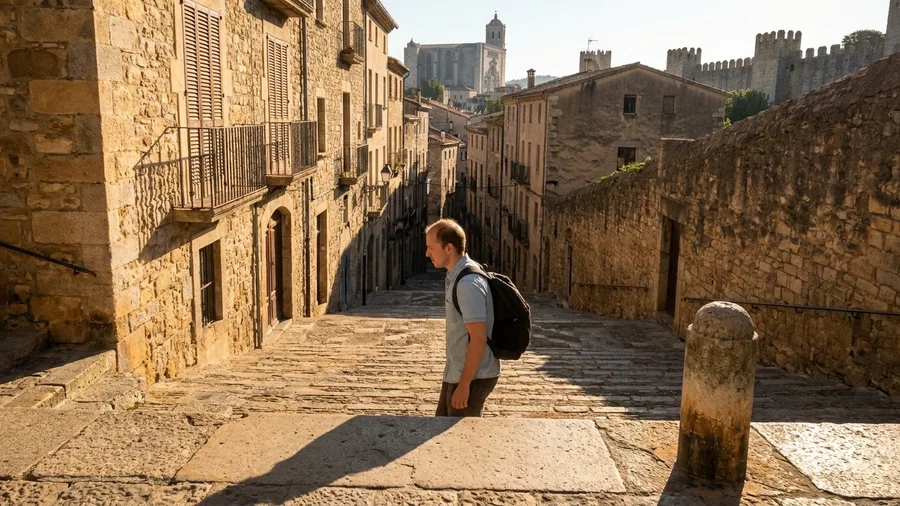
Girona is the safest bolt-on here, and the honest catch is that everyone else has worked that out. Take it anyway – two nights covers it, doubles run $150 to $220, and the high-speed train from Barcelona puts you in the old town in 40 minutes.
The wall is where the trip lands. Walk it at sunset, when the stone goes gold and the staircases below drop away toward the cathedral, and save the steep lanes for morning before the midday crowd arrives. Stay three nights and you earn the other half of the reason: a bus or car west delivers a Costa Brava cove in an afternoon.
The reservation: the walled core is small and August heat makes it smaller, and the city's fame from a television series has pulled midday foot traffic noticeably past what it was, with evenings still quiet by comparison. You get a Catalan city break and the coast without Barcelona's crush – the cost is a compact centre and a lunch-hour surge.
Valletta at a Glance
📏 City size
About 1 km by 600 m
🌙 Nights to book
2, or 3 with the harbour ferries
💶 Double room
$160–$240 / night
⛴️ Ferry
A few dollars each way to Sliema and the Three Cities
📅 Best months
April–May and October
One catch
The beaches are rocky, not sandy, so base elsewhere on the island if a sand holiday is the point.
10. Valletta: A Whole Capital in One Weekend
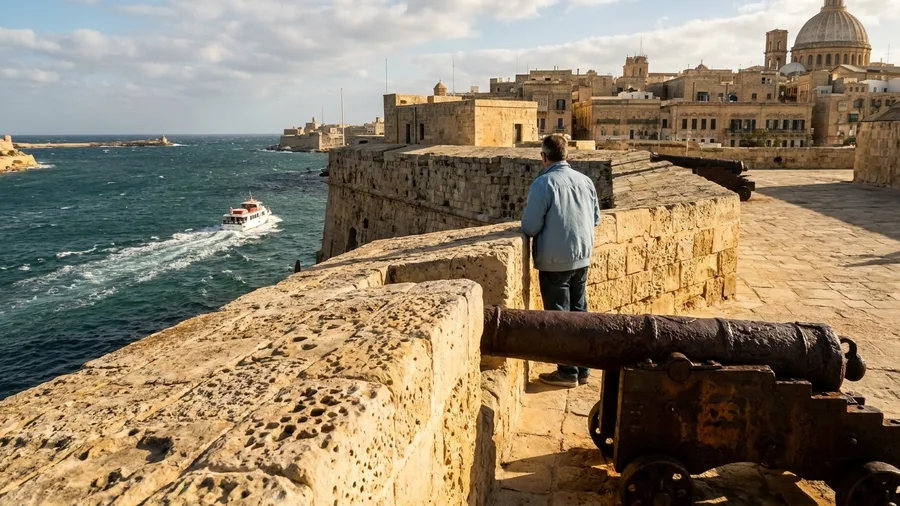
Book before you check the beaches. Valletta's shore is rock ledge and concrete platform, not sand, so anyone picturing a lazy week on a sun lounger should base on the north of the island and day-trip in. What you get instead is a honey-coloured fortress city wrapped around two harbours.
The scale is the whole trick: the capital runs roughly 1 km by 600 m, a grid of steep stepped lanes you cross on foot in twenty minutes. Two nights covers the cathedral, the bastions and the barrakka lift; three buys you the harbour. Ferries hop to the Three Cities and across to Sliema for a few dollars each way, doubles run $160-$240, and the shot is from the Upper Barrakka at the 12:00 gun, looking down the Grand Harbour as the smoke clears and the cruise crowd photographs the wrong direction. Go in April, May or October. July and August hand the waterfront to ships at midday.
Four things people believe about these cities
11. Aarhus: Design, Sea Air, No Copenhagen Prices
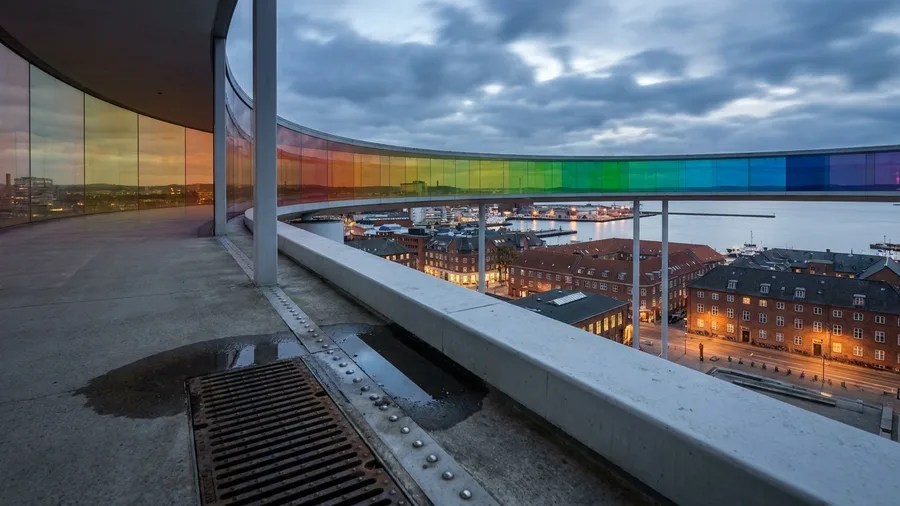
The first thing you notice in Aarhus is the light off the water: flat, silver, coming in low off the bay and bouncing under the awnings of the Latin Quarter's low brick houses. The second is the quiet. A university city on the Jutland coast, it has the design and food draw of Copenhagen without the queue at the door.
Prices say the same thing. Doubles run $170-$250 against $230-$320 in the capital, and the room you get is a clean Nordic one, not a bargain-bin compromise.
Build two nights here. Walk the circular rooftop ramp of the art museum, a spiral of rainbow glass that puts the whole city under your feet, then drop into the Latin Quarter and end at the harbour bath, where you can swim in the bay from a wooden deck in the middle of town and watch the ferries come in.
This is a stop for sitting still. The harbour bath's sauna, the café chairs along the canal, the long bench above the beach north of the centre where nobody talks – an hour disappears in any of them, and it should. Copenhagen is three hours by train if you still want it, so this pairs with the capital rather than replacing it.
The caution is honest: Denmark is not cheap, and this is one of the two most expensive picks in this whole list. The saving over Copenhagen is real but relative, not absolute. You come here for the design and the food at a lower room rate, not for a budget week – and the sea air and the light come free.
💡 Tip: Do the rooftop walkway on arrival day; it orients you to the whole city and the harbour bath is a short walk down.
🧭 How to build the second stop in five steps
Price the train from your hub
Onward trains run $30 to $90 and 30 minutes to 3 hours; if the route needs a second flight, cross it off unless the trip is long.
Check the nightly rate
Doubles run $90 to $260 across the list, and that number decides whether two nights or four makes sense.
Pick the trip shape
Cheapest is Wrocław or Sibiu, best food is Bologna, best scenery is Annecy, and the best two-night add-on is Girona.
Match the month
Late April to June and September to October work everywhere, while July and August are hot in Bologna, Girona, Valletta and Turin.
Book the train with the room
Lock the shoulder-season dates first, then the onward train; the cheap seats on these short routes go first.
12. Turin: Grand Cafés and Alps Views, Few Americans
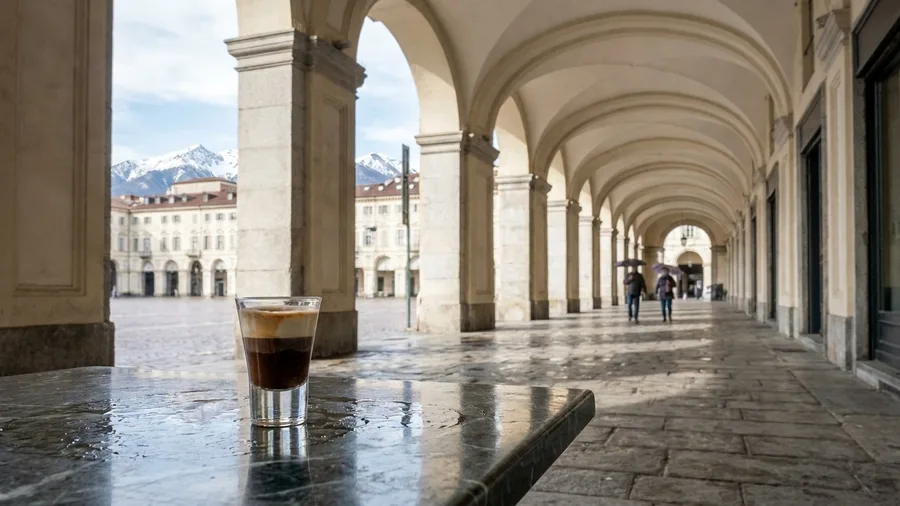
Turin, and specifically the café arcades. Sit under the vaulted colonnades on Piazza San Carlo with a bicerin – coffee, chocolate and cream in a small glass – and watch the city do its evening business without a single tour group in sight.
Three nights covers the essentials: the Egyptian museum, which is a genuine first-rank collection and not a curiosity, the cinema museum under the Mole's spire, and the arcades themselves. The aperitivo is the other reason to come – $8-$12 buys a drink and the buffet that comes with it, dinner runs $18-$35, and doubles are $130-$200, the second-cheapest on this list. The Alps sit on the skyline from the river bridges, and one hour on the high-speed train puts you in Milan, so it slots neatly between the lakes and the capital.
Fair warning: the approach from the station looks industrial, and winter fog can swallow the mountains for days. If you want pretty at first glance, this is not the city. What you get instead is the grand café culture, the food and the Alps light once the mist lifts – and almost no American accents at the next table.
Frequently Asked Questions
Is it worth adding a second city to a 7-10 day Europe trip?
Yes, if it is a train ride rather than a flight. Every pick except Sibiu is 30 minutes to 3 hours from a major hub, so you lose an afternoon rather than a day. Two nights covers Coimbra, Utrecht and Girona, and three covers most of the rest.
How much does a week in one of these cities cost?
Rooms run $90 to $260 a night, and daily spend is $70 to $100 in Poland and Romania and $90 to $140 elsewhere. Coffee is $2.50 to $4, and a sit-down dinner is $12 to $22 in Poland and Romania and $18 to $35 in the others.
When is the best time to go?
Late April to June and September to October work across the whole list. Skip July and August in Bologna, Girona, Valletta and Turin for heat and crowds, and skip November to March in Wrocław, Sibiu and Aarhus for grey, cold days.
Do I need a car?
No for eleven of the twelve. The old cores walk end to end in 20 to 40 minutes, and trains connect the hubs. Sibiu is the exception: hire a car for one day to get over the mountain road and out to the village museum.
Are these cities cheaper than the famous ones they shadow?
Mostly, and by different amounts. Wrocław and Sibiu are the cheapest at $70 to $100 a day. Ghent and Utrecht undercut Bruges and Amsterdam on rooms. Aarhus undercuts Copenhagen, but the saving is relative, since Denmark is still expensive.
Four trip shapes, four cities to book
So: cheapest is Sibiu, best food is Bologna, best scenery is Annecy, best two-night add-on is Girona. Say those out loud and the trip is half planned.
You already have the hub flight, and every one of those except Sibiu sits on a $30 to $90 train. The barrier was never access. It was the decision.
So make it. Lock late April to June or September to October first, then book the onward train the same week, because those seats go early. One city, two dates, no tabs left open.
Pick your city, then book the train
Scan the table at the top, choose the one trip shape that fits your week, and price the train from your hub today.