At seven in the morning the lake at Annecy is glass, one swimmer's arm cutting through it from the pier, and by noon a family is eating supermarket tomatoes on a towel. That is the week most American travelers miss, because they book the Paris hotel and day-trip from it instead.
Your last trip to France was a checklist of monuments and a room you only slept in. The assumption is that a French vacation is that same checklist with more churches bolted on.
The week worth copying is the opposite of a hub: one town, a self-catering apartment, a morning at the market, an afternoon swim or bike ride, dinner cooked in the kitchen or eaten at the harbor. The town is the whole destination, not a base for excursions to somewhere better.
Each of the eight towns below comes with a peak double rate and a known day-shape – Annecy's roughly $1,400 week apartment at one end, a $25 market picnic in Aix at the other. Read until your family's rhythm shows up, and know which town is yours and what to book before you touch the trains.
Quick Tips Before You Start
Book the apartment first
Lock a self-catering place in your chosen town before you buy any train tickets; the good ones go six months out.
Check the market days
Every town here runs its market on fixed weekdays, and that schedule should shape which days you stay put.
Rent bikes, not cars
Annecy, La Rochelle, Colmar and Arcachon are all flat and rent bikes for the day; a car only fights you for parking.
Count the kitchen
A week of market breakfasts and packed lunches saves enough to cover your train fares, so treat the kitchen as part of the budget.
Read the tide table
On the Atlantic and the Channel, plan the beach morning around the tide, not the clock — especially at Saint-Malo.
Shop like a local
Buy bread daily, cheese by the wedge, and wine by the region; supermarkets near the market are cheaper than the market itself.
1. Annecy for a Lake-and-Mountain Week
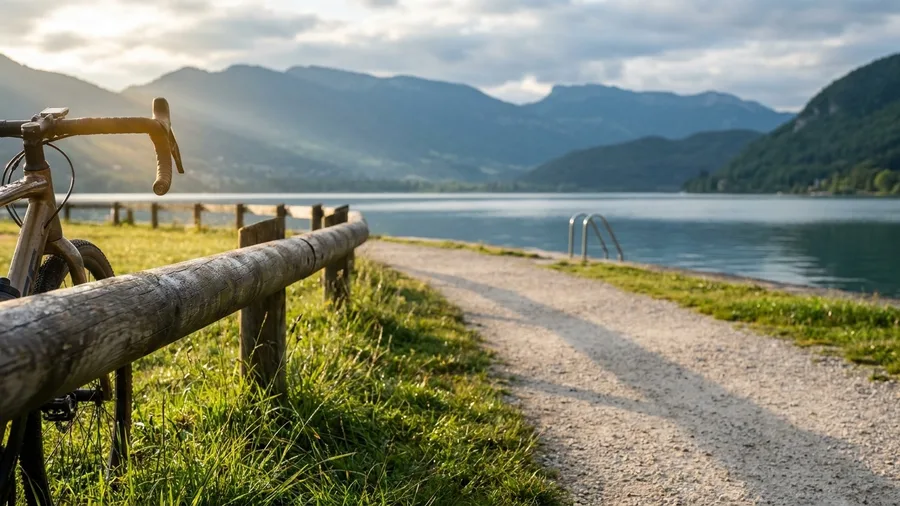
About $1,400 buys the whole Annecy week: a self-catering apartment for seven nights, kitchen included, before you count a single meal out. A peak-season double in town runs $180 to $260, so the apartment is the decision that makes the rest of the budget work. Book it before you book anything else.
The day starts in the water. You walk down to Plage des Marquisats in the morning while the lake is still glass, swim, and then pick up the bike path that runs flat along the shore toward Talloires. Flat is the whole point: children ride it on their own, and the mountains across the water stay scenery instead of turning into a climb you have to talk the family into. You can do that same morning six days running and nobody negotiates.
Tuesday and Friday are market mornings, and they supply the apartment: bread, cheese, fruit, whatever the stalls are pushing, eaten on the balcony or packed for the lake. Afternoons a short train or bus drops you in a mountain village and back. It fits families and couples who want water plus easy mountains. It does not fit anyone whose evenings need a bar scene, because nights here are lakefront, early and quiet, and the kitchen is where they end.
💡 Tip: The east-shore path toward Veyrier-du-Lac is quieter than the Talloires side on weekends; take it if you want the lake without the peloton.
| Town | Region | Best for | Peak double room | Signature French-holiday move |
|---|---|---|---|---|
| Annecy | Haute-Savoie | Active families | $180–$260 | Lake swim, then the flat bike path to Talloires |
| La Rochelle | Charente-Maritime | Couples, active families | $150–$220 | Cycle to Île de Ré, eat oysters at the old harbor |
| Saint-Malo | Brittany | Beach families | $160–$240 | Walk the ramparts at low tide |
| Colmar | Alsace | Food-and-wine couples | $140–$210 | Ride the Route des Vins village to village |
| Arcachon | Gironde | Families, couples | $170–$250 | Climb the Dune du Pilat, then eat at a cabane |
| Collioure | Occitanie | Couples, art lovers | $130–$200 | Fauvism walk, swim at Plage de l'Oli |
| Honfleur | Normandy | Short breaks | $150–$230 | Vieux Bassin, Impressionist museum, one tasting |
| Aix-en-Provence | Provence | Food lovers, slow travelers | $160–$240 | Market morning at Place Richelme, Luberon afternoon |
2. La Rochelle for a Bike-and-Oyster Break
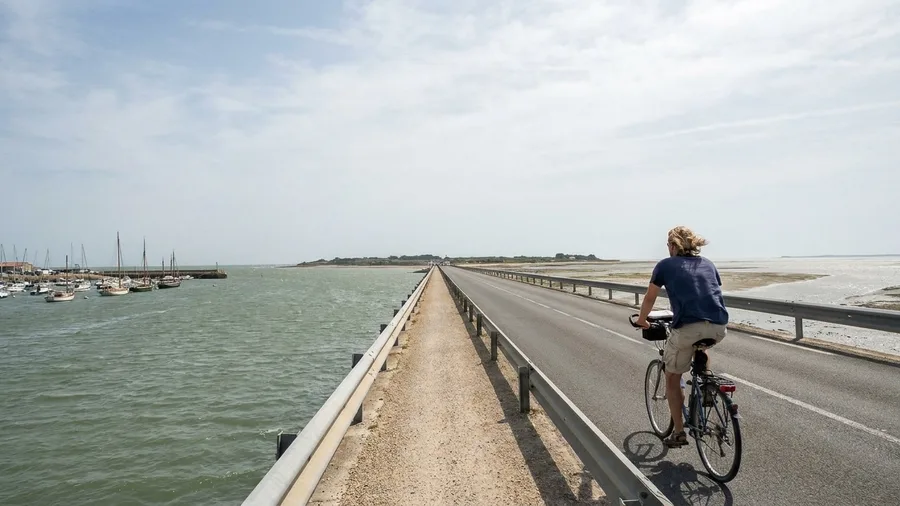
La Rochelle is a flat Atlantic harbor town where the rental bike stands in for the car. It works the way a lake town works, same equipment, one town pointed at water and a path, this one pointed at a working port and a dozen oysters. You leave the car keys in the drawer.
A bike runs about $18 a day. The ride itself is the attraction, not the thing that gets you somewhere: you pedal out toward Île de Ré, over the bridge or onto the ferry, cross to the island, ride the flat lanes, come back. Hours disappear in it and you never once look for parking. Peak-season doubles run $150 to $220, so this is one of the cheaper weeks on the Atlantic.
The oyster payoff is a dozen around $15 at a table on the old harbor, which is the best money you will spend all day. Supplies come from the Marché Central, which covers a picnic for the island crossing in one pass. If the sky turns, the aquarium eats the rainy hour without breaking the rhythm of the day.
The day-shape test is a car-free, low-cost loop: ride, swim, harbor table, repeat. It holds for four or five days without effort and then the town starts to feel small, which is fine if you came for a break and not a fortnight.
Know who this is not for. If you are picturing a quiet villa with a pool and a wall around it, this is the opposite: the town is dense, the bikes are the whole point, and the harbor is loud at night. Couples and active families will love it. Pool-and-privacy people should keep looking.
What One Peak Week Actually Costs
An Annecy peak-week example; other towns on this list run $200–$400 lower.
3. Saint-Malo for a Walled-Coast Family Stay
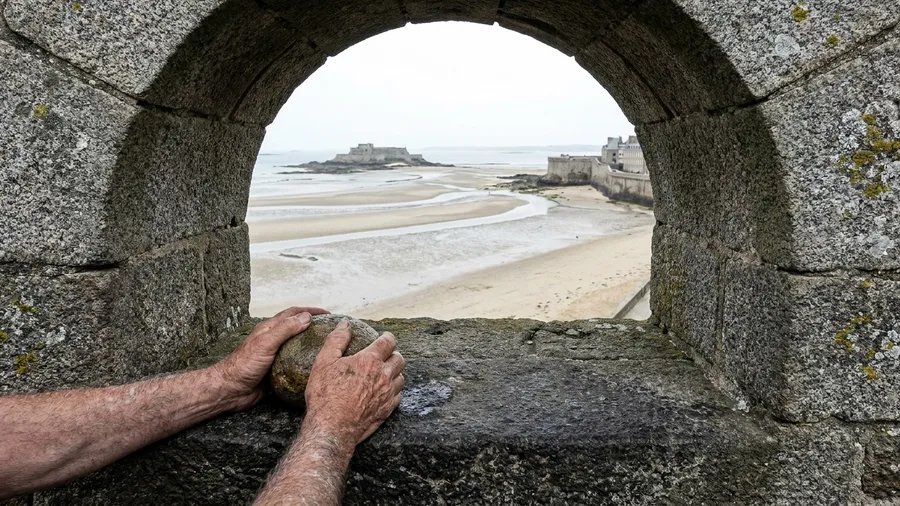
The bike path comes off the coast here and the tide table takes over. Saint-Malo trades the flat ride for a walled town, and the schedule is set by the water, not by a plan you made the night before.
The doing is the ramparts. You walk the old walls at low tide, look down at the beach the sea has handed back for the afternoon, then watch it take the beach away again. That hour of walking is free, it is the best thing in town, and children run it twice without complaint. From the walls you can ferry over to Dinard for the day or bus out to Mont Saint-Michel for the one big excursion of the stay.
Peak doubles run $160 to $240 and a family apartment for the week lands between $1,200 and $1,600. There is no hot-weather guarantee: Breton water is cold and Breton sky does what it wants, and that is the trade. Book inside or just outside the walls, or every beach morning starts with a parking search. The day is tidal, planned around the tide table instead of the clock, which suits children and defeats itineraries.
Paris Hotel Week vs. Rented Apartment Week
Paris hotel, August
- Double room for a week: $1,600–$2,400
- Every breakfast and lunch bought out
- Day trips bolt on train fares and long days
- The city in August is half closed and hot
- You see monuments, not a region
One town, rented apartment
- Apartment for a week: about $1,400
- Kitchen covers breakfast and picnic lunches
- Local bike rental at $18 a day replaces the car
- Market days and a swim set the rhythm
- You learn one place properly, at a slower pace
4. Colmar for an Alsace Wine-and-Village Week
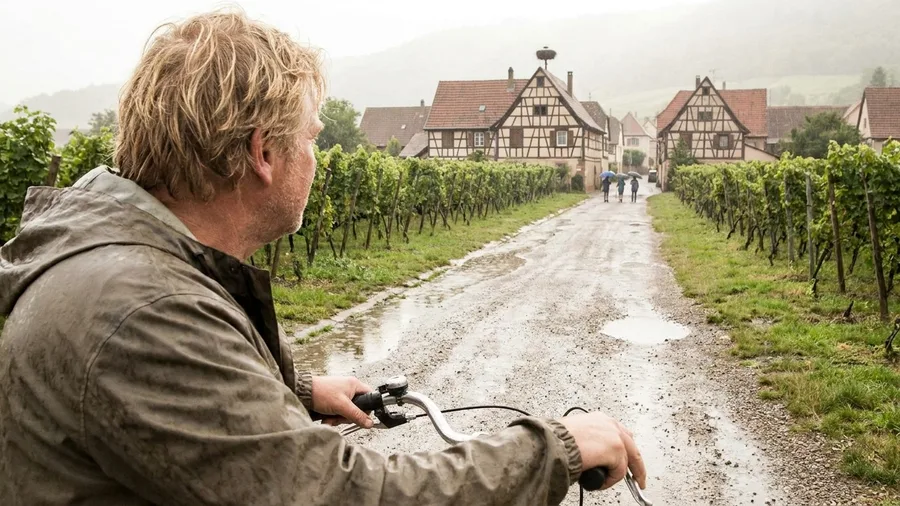
Colmar is the wine-country week you can run on a bicycle and a train ticket, and the schedule is the flat Route des Vins rather than a tide table. Rooms in peak season land between $140 and $210 a night, and a tasting at a village winery runs $12 to $20, so a day of riding and one stop costs less than a middling dinner in Paris. Rent a bike in town and pedal the vineyard lanes to Eguisheim or Kaysersberg, both a short ride out on ground flat enough that nobody is shifting gears; the storks nesting on the chimneys are the wildlife you are actually guaranteed, and they are everywhere from spring through summer. On the days you want a city, the train reaches Strasbourg in under an hour and you leave the car parked.
Mornings go to the covered market, where you assemble lunch from cheese, charcuterie and a punnet of fruit and carry it to a village square to eat. Book a taxi for any evening tasting before you go out, because the whole point of tasting Alsace Riesling is not being the one who drives after; budget around $40 to $60 for the round trip and treat it as part of the wine's price. This is a low-mileage day, a short ride, one glass, one square, and it rewards couples and slow travelers who want the table more than the itinerary. Skip it if anyone in the group needs a beach: the nearest coast is hours away and the pool is not why you came.
💡 Tip: Colmar's Christmas market is famous and jammed; come in September or early October for the same villages with room to walk.
⚠️ COMMON MISTAKE
August Is Not the Same Everywhere
Book Annecy and Arcachon in August and you share the lake and the dune with half of France on holiday. Shift the same week to late June or early September and the prices in this article drop 20 to 30 percent while the water stays swimmable.
5. Arcachon for Dune, Beach and Oyster Cabanes
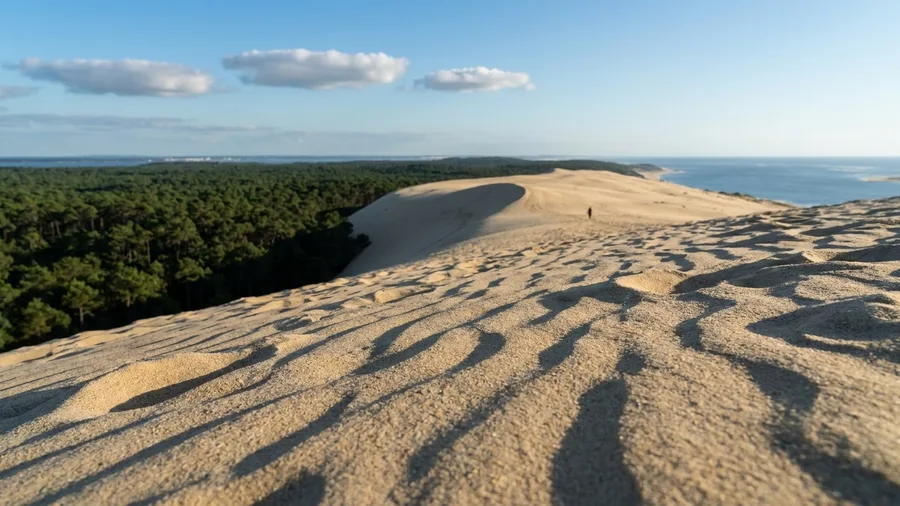
Book your bed in Arcachon before you plan anything else, because the town fills in July and August and the cheap rooms go first; peak doubles run $170 to $250, and a cabane in Le Canon or Gujan-Mestras will serve you a dozen oysters for around $18. The dune is the reason you came, and the climb up the sand is free. Go at eight in the morning, when the sand is still cool underfoot and the August crowd is still at breakfast, and you will have the ridge and the view down the coast nearly to yourself.
The rest of the week runs on sand, seafood and water, the same slow rhythm as any wine village, with a dune in place of a vineyard. When the beach loses its pull, a train to Bordeaux fills a day of city, or the ferry out to Île aux Oiseaux puts you among the cabanes tchanquées standing on their stilts in the basin. Families and couples settle in easily here; anyone who dislikes sand in their shoes will find the week long, and August tests the patience of even the patient. There is no city agenda required, and that is the point.
6. Collioure for a Catalan Art-and-Cove Break
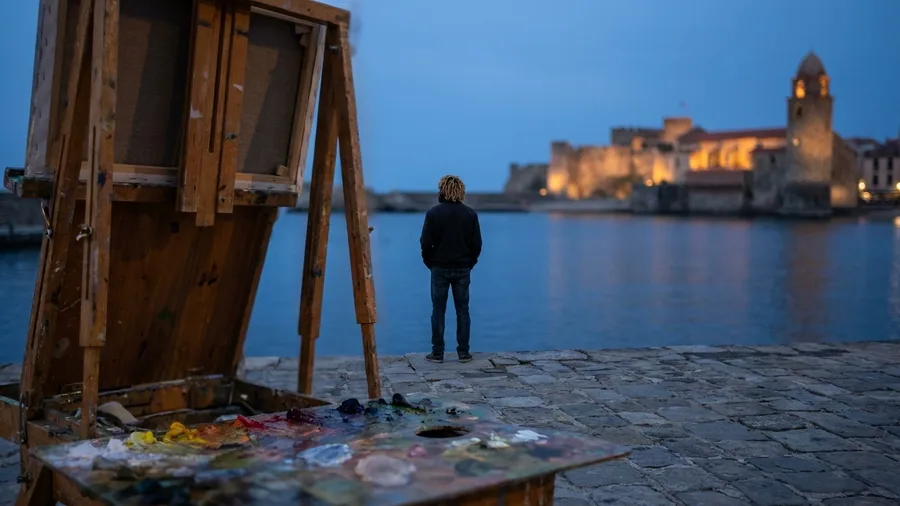
The smell is what stays: anchovies curing in salt, drying on racks in the sun, sharp enough to catch at the back of your throat before you see the market stall. That is the sound and temperature of Collioure too – a small Catalan port where the light is flat and white at midday and the lanes are barely a car wide.
Walk the Chemin du Fauvisme, the route marked through the spots where Matisse and Derain painted, then swim at Plage de l'Oli and eat anchovies at the market. Art, cove and plate fit inside one morning, which is why this town suits a short break rather than a week.
Peak doubles run $130-$200, and the train from Perpignan costs about $8. If you are coming by car, park outside town and walk in or ride the train; the lanes are narrow and the parking is the friction that eats the first hour.
Couples and art lovers will find the rhythm easy – a walk, a swim, a plate, repeated without fatigue. Families needing long sandy beaches should not come; the coves are small and the swimming is a dip, not a day.
It is the cheapest, shortest day on the list, and priced accordingly.
🗺️ Building the Week, Step by Step
Pick the day-shape
Choose the rhythm you want — lake swim, bike-and-oyster, walled beach, wine villages — before you pick a town name.
Book the apartment
Reserve a self-catering place in that town first, since the good ones go six months ahead of summer.
Lock the market days
Note which weekdays the market runs and build your stay-at-home mornings around it.
Book trains, not cars
Once the base is fixed, buy rail tickets and add a rental car only for the day trips that need one.
Plan one excursion only
Give the week one big day out, like Mont Saint-Michel or the Luberon, and leave the rest repeated and cheap.
7. Honfleur for a Normandy Harbor Weekend
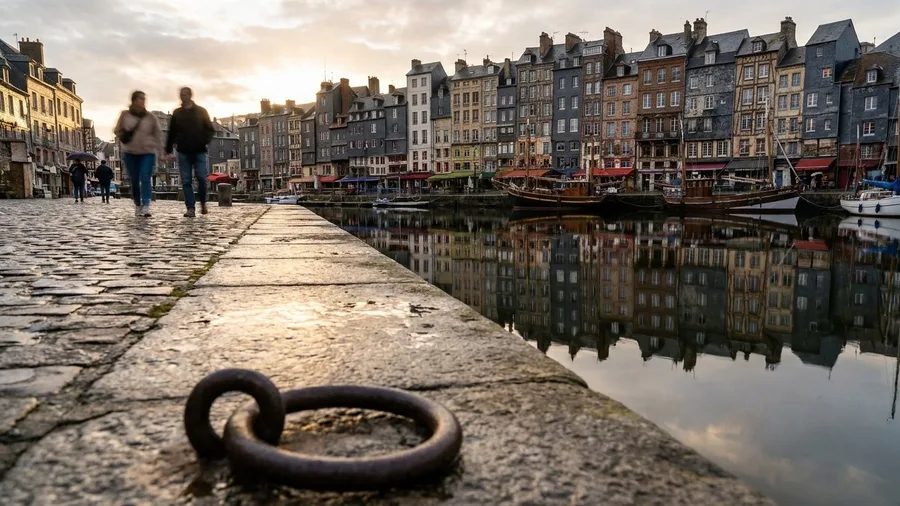
Honfleur is exactly that, and the catch is that twenty minutes is most of it. The Vieux Bassin holds you for a morning: tall slate-fronted houses leaning over the water, boats knocking, the whole thing small enough to walk in a loop before lunch. The Eugene Boudin museum, named for the painter who taught Monet to look at skies, fills a wet hour, and the cider and Calvados tasting costs $10-$18 and is best saved for late afternoon. A peak double runs $150-$230. That is the honest shape of the reservation: this is a two-night town, not a week, and there is no beach-and-sun guarantee waiting on the other side of the harbor.
Plan it as a loop of quay, museum and one tasting, with the car kept for the coast: an afternoon in underrated small New England towns or the cliffs at Etretat is what stops a short break feeling short. The one thing that decides whether the weekend works is where you sleep. Book a hotel with parking, because the harbor lanes are tight and single-lane and driving them in circles is the whole morning gone. Two nights, a room with a space behind it, and the drive out to the coast – that is a weekend, not a compromise.
8. Aix-en-Provence for a Market-and-Luberon Base
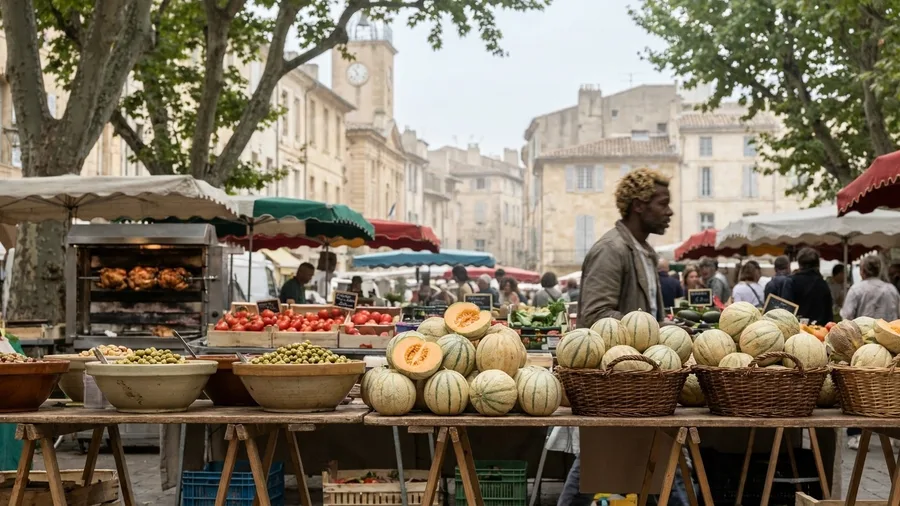
You sit down under the plane trees on Cours Mirabeau with a paper cone of cherries and nothing on the schedule until lunch, and the morning is already going right. That is the Aix rhythm: a walkable town that holds you rather than sends you out, which is the same logic as a foot-crossed harbor town stretched over a full week instead of a weekend. A peak double runs $160-$240, and a market picnic lunch lands around $25. The market sits daily at Place Richelme – tomatoes, olives, a rotisserie chicken, cheese from a stall – and the Cezanne trail through town fills a morning for anyone who wants a plan. What it does not have is a beach: the Mediterranean is a train ride away, and that is the deliberate trade for a week of squares and shade.
The week's engine is the market, and the afternoon is where the region comes in. Take a bus or a short drive into the Luberon – Bonnieux, Gordes, the villages strung along the valley – or a train to Marseille when you want a city day without the car. Fits food lovers and slow travelers. The day-shape test holds: a market morning, a village afternoon, a picnic lunch, and a whole week done on foot plus one bus, which is what the apartment and the market are for. What it asks in return is patience with an unhurried day.
💡 Tip: Market days in Aix rotate by square; ask at the tourist office which one is running the morning you arrive, or you will walk to an empty place.
Frequently Asked Questions
Do you need a car to vacation in these French towns?
For Annecy, La Rochelle, Colmar, Collioure, Honfleur and Aix, no — bikes, buses and trains cover the week. Arcachon and Saint-Malo are easier with a car for the excursions to the dune and to Mont Saint-Michel. Rent only for the days you need it.
How much does a week in one of these towns cost?
Budget about $1,850 for two adults in a rented apartment for a peak week, including groceries, bikes and local transport, before airfare. Collioure and Colmar run lower; Annecy and Arcachon run higher.
When is the best time to go?
Late June and early September give you the same water and 20 to 30 percent lower prices than August. Colmar is best in September or early October, when the villages empty out but the wine route stays open.
Do you need to book ahead?
Book the self-catering apartment six months ahead for June through September. Restaurants in Collioure and Honfleur fill by seven, so reserve dinner the morning of. Trains can wait until a month out.
Is it worth it if we have already done Paris?
That is the point of these eight. A week in one town with a market and a swim is a different France from a hotel near the Louvre, and the day-shape — morning market, afternoon water, evening table — is what French families actually book.
Which town is best for a short break?
Collioure for three nights and Honfleur for two. Anything longer and you run out of town; both work as a rail stop with no car at all.
Match the Town to Your Family Before You Book Anything
Pick by appetite, not by map. Active families who want water and mountains go to Annecy. Couples who want a bike and an oyster go to La Rochelle. Food-and-wine travelers go to Colmar or Aix-en-Provence, and anyone with only two or three nights goes to Collioure or Honfleur.
Then do the step most people save for last: book the self-catering apartment in the chosen town, and only then lock the trains around it. The apartment sets both the week's rhythm and its price, and trains are easy once the base is fixed. If two towns are calling, ask which day you could repeat six times – a swim and a bike path, or a market and a village. Book that one.
The Paris checklist does not scale down to a week in one place; the apartment and the market do. One town, one kitchen, one morning at the stall, and by nine the lake is full of swimmers. That booking is the whole trip.
Book the apartment before the train
Pick the town whose day you want to repeat six times, then reserve the self-catering place this week — peak summer apartments go six months out.