The planning mistake is treating the famous name as the destination and the driveway as the finish line. Most people route to Monticello, look up at the hill, and drive home without ever reaching Poplar Forest, the octagonal retreat forty minutes away where the same man went to hide from his debts.
You already know the names on the highway signs: Madison, Jefferson, Jackson, Adams, Grant, Johnson, Hayes, Hoover. At these eight houses the part your civics class skimmed is the actual exhibit, from the reconstructed enslaved quarters at Montpelier to an 1876 election deal hashed out indoors at Spiegel Grove to the orphan cottage in West Branch where Hoover began.
So the question isn't which president mattered most. It's which story you want to stand inside, and whether the detour's admission, tour length and setting fit the miles you have.
Six of these stops run free to $25 and most tours finish in under two hours, so you can match a site to your interest, then check official hours before you commit the route.
Quick Tips Before You Start
Book the first tour
Most house tours run on a fixed schedule with limited slots, and the first morning tour usually has the fewest people on it.
Bring the paper pass
Several of these sites are cashless and only take cards at the visitor center, not at the door.
Wear real shoes
The enslaved quarters and estate walks are on gravel and grass, and you will cover more ground than the house tour suggests.
Check the day of week
Some mansion interiors close on Mondays or Tuesdays; confirm before you route a long drive around one.
Budget for the add-ons
Special exhibits or library access sometimes cost extra beyond the base admission, so ask at the desk.
1. Montpelier's Constitution Story Told Through Enslaved Families
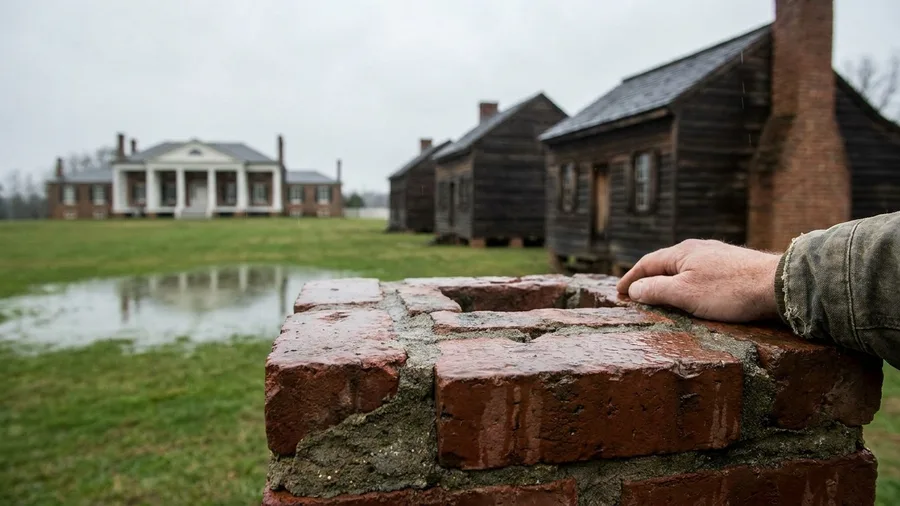
Montpelier is a 2,650-acre plantation in Orange, Virginia, and the Constitution is only half of what happened there.
Madison's drafting gets the headline and the mansion tour, which runs about 45 minutes and costs around $22 for adults. But the estate was a working plantation, and the exhibit called 'The Mere Distinction of Colour' takes the document apart from the inside: it traces how the Constitution Madison shaped was built in a country where the people who wrote it held other people as property. The reconstructed quarters and the enslaved community's living spaces put names, labor and resistance alongside the founding text. This is the photograph the trip is remembered for, and it is not the portico. Stand in the quarters and look back toward the big house; that sightline, more than any interior room, holds the contradiction you came to see. Arrive early, walk the grounds before the tour, and save the exhibit for last, when the mansion's polish is still in your head.
💡 Tip: The estate is large; drive to the quarters rather than walking from the mansion if the weather is bad.
| Home | Location | Admission | Time to allow | Story focus | Best for |
|---|---|---|---|---|---|
| Montpelier | Orange, VA | $22 adult | 45-min tour + estate | Constitution and slavery | Constitutional history |
| Poplar Forest | Forest, VA | $18 adult | 60-min tour | Jefferson's retreat and debt | Architecture and quiet |
| The Hermitage | Nashville, TN | $25 adult | 30-min mansion + estate | Jackson and enslaved community | Frank plantation history |
| Adams National Historical Park | Quincy, MA | $15 adult | 2 hours | Adams family letters and diplomacy | Family stories |
| Ulysses S. Grant NHS | St. Louis, MO | Free | 90 minutes | Failed farm and enslaved labor | Budget Civil War context |
| LBJ National Historical Park | Stonewall, TX | Free | 2 hours driving tour | Civil rights and Vietnam | Modern presidency |
| Hayes Presidential Library | Fremont, OH | $20 adult | 75 minutes | Disputed election of 1876 | Reconstruction politics |
| Hoover National Historic Site | West Branch, IA | Free | 90 minutes | Orphan origins and Depression | Small-town 20th century |
2. Poplar Forest, Jefferson's Octagonal Retreat and Debt
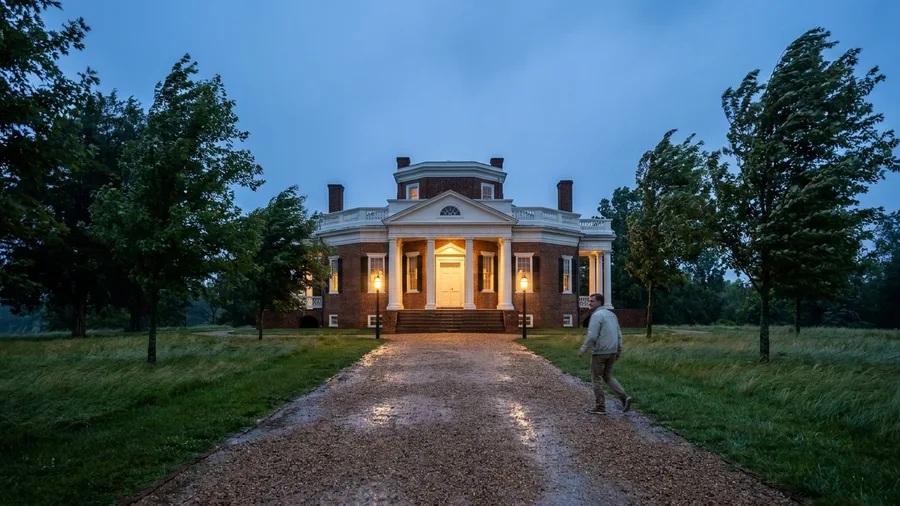
Sixty minutes of guided tour, $18 for adults, and a house shaped like an octagon: Poplar Forest in Forest, Virginia, is the smaller Jefferson site most travelers skip in favor of Monticello, and it is the one that shows what the famous house leaves out.
Jefferson designed this retreat himself, an octagonal villa meant to be an escape from public life and from the debt pressing on him. It stayed a working plantation anyway. The people who built and finished the villa were enslaved craftspeople, John Hemmings among them, and Jefferson's retirement debts shaped how the land was run and forced the place's sale after his death. Here is the honest part: the octagon is a design obsession made private, and standing in it you see the same dependence on enslaved labor that Monticello's crowds can obscure. If you want the quieter Jefferson, with architecture and a debt ledger instead of a queue, this is worth the detour; if you want the full public spectacle, you have already made that call.
3. The Hermitage's Enslaved Community Beyond Andrew Jackson
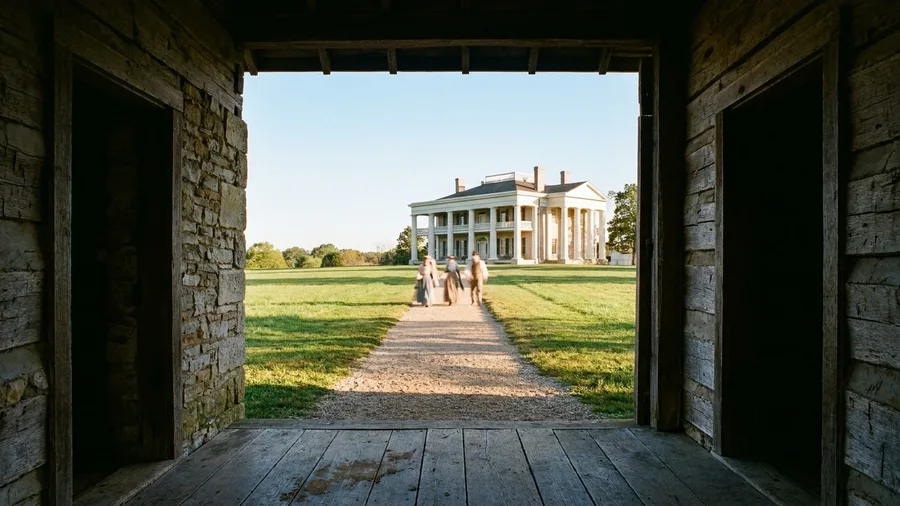
You walk out of the mansion tour, past the portico and the formal garden, and the first thing that registers is how much ground there is: 1,120 acres in Nashville, and a 30-minute tour that covers the military fame and the presidential power. Adult admission runs around $25.
The enslaved community interpretation sits beside that story, not behind it, putting the labor that built and ran the estate next to the portraits and the silver. Jackson's Indian removal policy belongs in the same visit, because the site links his national power to Native displacement and to the enslaved people who worked this land. This is the frank plantation visit the money buys you, and it is worth the $25: a place where the name on the gate is only the beginning of who paid for it. If you want a polite house tour with the harder material trimmed off, this is not it, and that is the point.
💡 Tip: The grounds close earlier than the mansion in winter; check the last entry time before you drive out.
⚠️ COMMON MISTAKE
Don't budget only for the house tour
At Montpelier, The Hermitage and Poplar Forest, the estate walk is where the overlooked story lives. Visitors who book a single mansion tour and leave miss the quarters, the ledgers and the reconstructions that answer the question they came with.
4. Peacefield's Adams Family Letters and Diplomacy
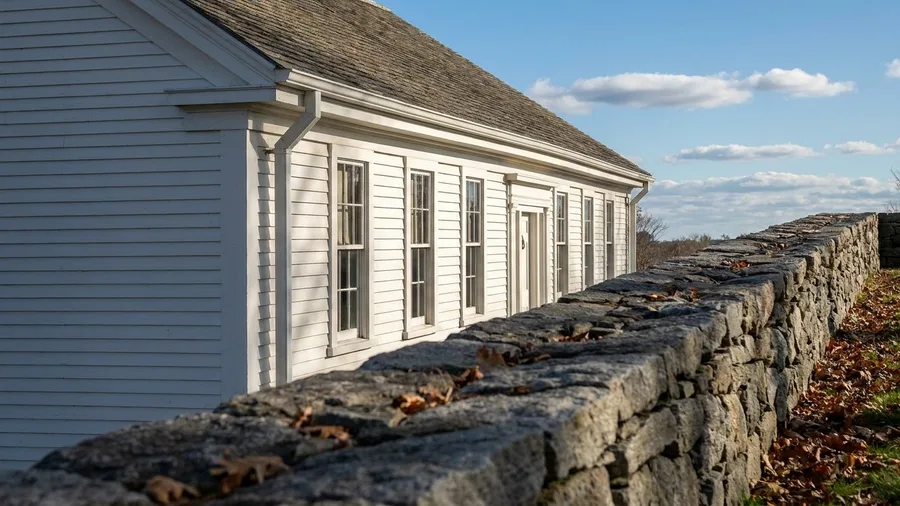
Late afternoon in Quincy, the light comes low through the tall windows of Peacefield and the floorboards carry the dry, papery smell of a house that has held letters for two centuries.
This is the Adams family seat, and timed right it is the best look at the household behind an office that any of these stops gives you. Adult admission runs about $15, and the ticket is not for Peacefield alone: a two-hour ranger-led tour covers it plus the birthplaces of both John Adams and John Quincy Adams, so you are buying a small neighborhood of one family's public life.
Arrive for the first tour of the morning. The house is small and the group moves through narrow rooms, so the earliest slot is the one where the ranger has time to slow down over the good material, and by midday in summer the upstairs rooms hold the heat.
The material is family, not fanfare. Abigail Adams's letters show a woman running the farm and the household while advising her husband and commenting on the politics of the day, and John Adams's diplomatic career gives the foreign-policy layer that the familiar Revolutionary story tends to leave out. Come for this one if you like family stories and early American diplomacy; skip it if you want battlefields and crowds, because Peacefield is neither.
The Mansion Tour Only vs. The Estate Walk Too
Mansion tour only
- See the furniture, the portraits and the famous rooms
- Finish in 30 to 60 minutes
- Hear the president's name and dates
- Miss the quarters and the labor record
- Work well for a tight driving day
Mansion plus estate walk
- Add the enslaved quarters and reconstructed spaces
- Budget an extra hour on the grounds
- Get names and specific stories, not a category
- Understand who paid for the house you just toured
- Need good shoes and weather cover
5. White Haven's Failed Farm and Enslaved Labor
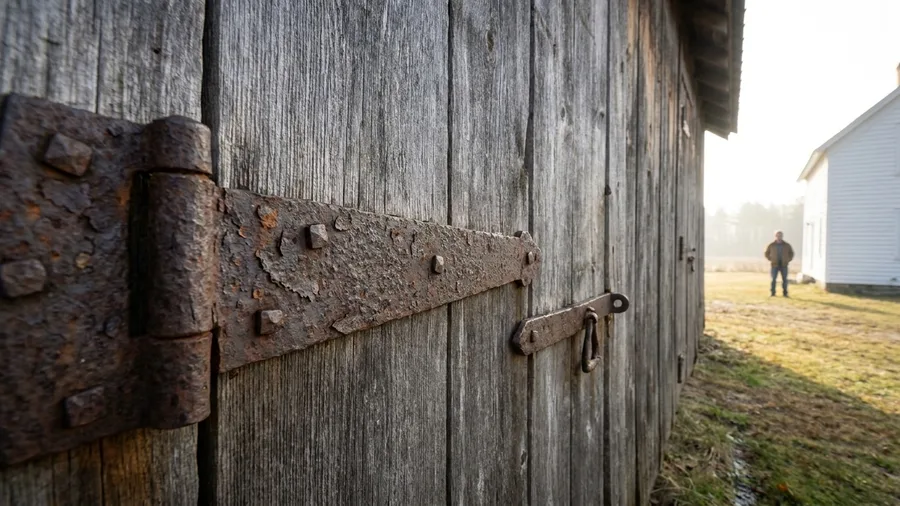
Not much, for most people, and that gap is exactly what makes White Haven worth the stop. The Ulysses S. Grant National Historic Site sits just outside St. Louis, admission is free, and 90 minutes covers the farm and the enslaved quarters.
Grant came to this Missouri farm as a young man and farmed it badly. Crops failed, the soil and the market ran against him, and he was a struggling tenant farmer with a family and no clear way forward. That is the man you meet here, years before the general. It reframes everything you thought you knew about the figure on the fifty-dollar bill.
The harder story sits beside it. The enslaved people held by Julia Dent Grant's family worked this land, and the quarters on the grounds make the pre-war household personal rather than abstract. Walking the farm and the quarters together, the question of emancipation is no longer a chapter heading; it is the shape of the household where Grant lived.
That is the real reason to come. The farm failed, but the people who worked it were bound by it in a way no failed crop ever bound Grant, and the site does not let you forget who paid for the house you are standing in. Free, compact, and 15 minutes off the interstate, it works as a low-cost stop on a budget route.
Skip it if you are chasing battle re-enactment and marble monuments; this is a quiet farm with a hard story. Take it if you want Civil War context before the battlefields themselves, because it makes the war's stakes concrete before you see a single cannon.
💡 Tip: The site is free but the visitor center is small; call ahead if you need a ranger-led tour rather than the self-guided walk.
6. LBJ Ranch's Civil Rights and Vietnam Backdrop
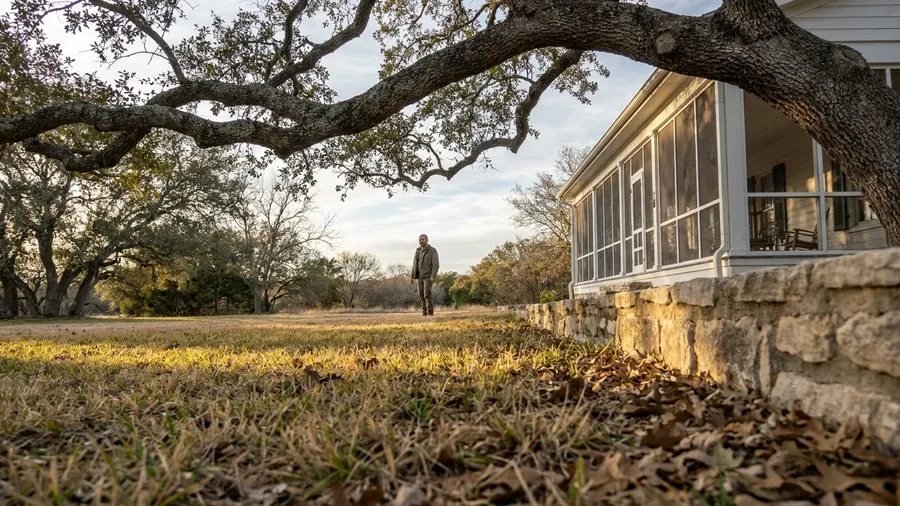
Take the LBJ Ranch if you want to see a 1960s presidency inside a landscape rather than a timeline. The Lyndon B. Johnson National Historical Park in Stonewall, Texas, charges nothing, and two hours covers the ranch driving tour, the Texas White House and the one-room schoolhouse.
It suits travelers who like modern politics with room to think and who do not mind a self-guided drive through Hill Country. It does not suit anyone hoping for a polished museum block: the ranch is spread out, some of it is viewed from the road, and the story is carried by the buildings and the setting rather than by exhibits. Families with impatient kids will find the driving tour long; history-minded adults will find the two hours well spent.
💡 PRO TIP
The docent question that changes the tour
At any of these sites, ask the ranger before the tour starts: 'Whose labor built and ran this house?' The answer usually redirects the next 45 minutes toward the people the exhibits are named after.
7. Spiegel Grove's Contested Election and Reconstruction's End
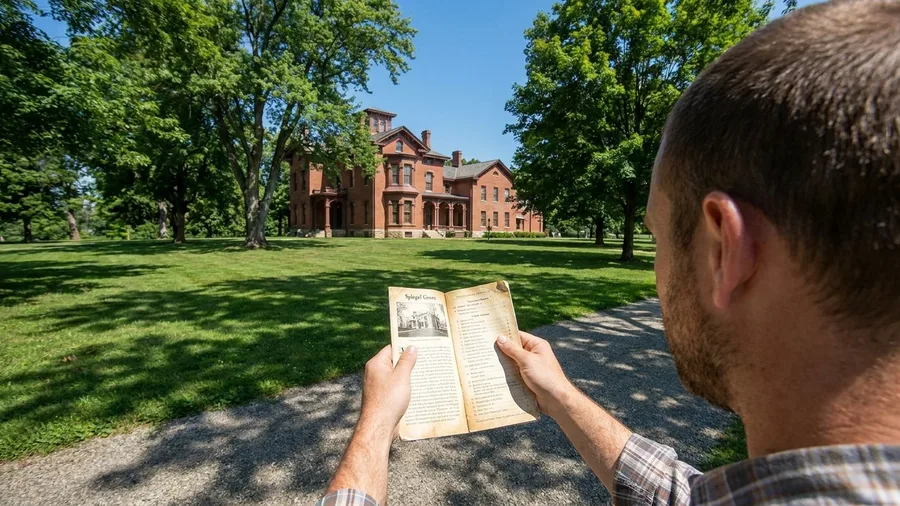
This stop costs more and asks for less walking than the civil rights-era ranch, and it earns the twenty dollars on one room's worth of story. Spiegel Grove, the 25-acre estate in Fremont, Ohio, holds the Rutherford B. Hayes Presidential Library & Museums, the first presidential library in the country and a genteel house you can walk in about 75 minutes. Adult admission runs around $20. The house is pleasant. The reason to come is the deal that put Hayes in it.
The 1876 Hayes-Tilden contest was disputed, and not politely. Multiple states sent competing slates of electors, the count stalled, and a special commission settled it days before the inauguration. What came out of it was the Compromise of 1877: Hayes got the White House, and federal troops withdrew from the South. That withdrawal is where Reconstruction ends on the map, and where Jim Crow begins.
The exhibits do not hide this. Follow the timeline through the library and you will see the backroom bargain treated as the political hinge it was, not a footnote to a portrait. The genteel parlor and the abandoned Black southerners sit in the same building, which is exactly the point of coming here instead of learning it from a textbook margin.
So who should detour? Travelers who want the political backstory behind Jim Crow, and anyone who thinks elections only got contested recently. Skip it if you are chasing battlefields or sweeping architecture; this is a house and a library, and the drama is procedural. Allow 75 minutes for the guided tour, more if you read the archive displays, and check current hours before you route to Fremont, since the library keeps its own schedule.
The celebrated office hides the compromise that bought it. Here you stand in the compromise, not the celebration.
💡 Tip: Ask at the desk for the Reconstruction timeline handout; it makes the 1877 compromise legible in five minutes.
🚗 Route the Eight Homes in Four Days
Day 1 — Virginia
Montpelier in the morning, Poplar Forest in the afternoon, overnight near Lynchburg.
Day 2 — fly or drive south
Head to Nashville for The Hermitage and its estate walk.
Day 3 — north by plane
Fly to Boston for the Adams sites in Quincy, then drive to St. Louis if time allows.
Day 4 — Midwest loop
White Haven in the morning, Hayes Library in Ohio by afternoon, Hoover in Iowa the next day.
8. Hoover's Orphan Origins and Depression Presidency
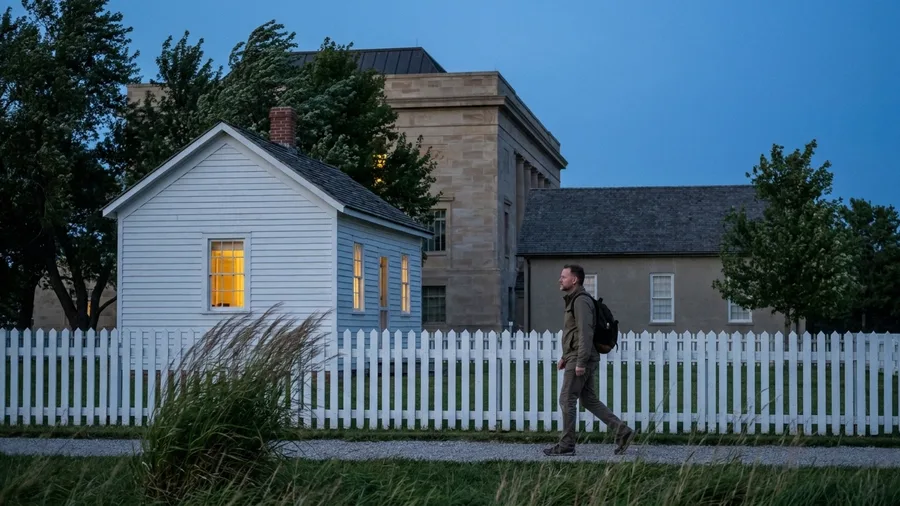
Know before you pull in that this is a small stop, and small is the point. The Herbert Hoover National Historic Site in West Branch, Iowa, takes about 90 minutes, admission is free, and the whole place is a short walk between a two-room birthplace cottage, the Quaker meetinghouse, and the presidential library. Come for a slow hour, not a headline.
Hoover was orphaned young and raised by Quaker relatives, and you see the scale of that upbringing in the cottage's narrow rooms. The library supplies the contrast the name usually hides: the engineer and World War I relief organizer who fed occupied Belgium, set beside the Depression president whose response defined his reputation. Sit on the grounds a while and the caricature loosens. It suits a compact road stop with a large 20th-century story, and the question of what the name Hoover leaves out is answered between the cottage and the relief record.
Frequently Asked Questions
Do I need to book tours in advance?
For most of these sites, no — you can buy admission at the desk. But the Adams National Historical Park tour and the LBJ Ranch driving tour run on fixed schedules with limited slots, so reserve online a day or two ahead if you are routing a long drive around them.
Which home is best for kids?
The LBJ Ranch suits families best because the driving tour keeps everyone moving and the schoolhouse is easy to grasp. The Hermitage and Montpelier also work for older kids who can handle an estate walk. The Hayes and Hoover sites are quieter and better for adults.
How much does the whole list cost?
If you paid adult admission at all eight, you would spend about $100 in tickets. Two of the sites are free, and the rest range from $15 to $25. That figure excludes travel, lodging and any special exhibits.
Can I see more than one home in a day?
Yes, if you pair sites that are close together. Montpelier and Poplar Forest are roughly two hours apart in Virginia and can be done in one long day. The Adams sites are all in Quincy, Massachusetts, and count as one visit.
Are the houses accessible for wheelchairs or strollers?
The visitor centers and estate paths are generally accessible, but the historic house interiors often have narrow doorways and stairs. Call the specific site before you go; each park handles accessibility differently, and the rangers will tell you exactly which rooms you can reach.
The One House to Drive To First
For constitutional history, pick Montpelier if you want the full plantation context, Poplar Forest if you want architecture and a debt ledger. For slavery and plantation history, The Hermitage gives you the grandest house and the frankest estate walk; White Haven delivers the same subject in 90 minutes for free. For nineteenth- and twentieth-century politics, LBJ Ranch puts civil rights and Vietnam in the same rooms, and Spiegel Grove explains the deal that ended Reconstruction.
Confirm hours and tour times on each official site before you route the trip; the prices and durations here are planning figures, and a locked mansion interior can wreck a long drive.
Then go back to the driveway. The famous name is only the doorway, and the question is which overlooked story you actually want to stand in, whether that is enslaved quarters, a debt-shaped villa or an orphan cottage. Route by the missing story, not the presidential seal.
Pick your four and check the tour times
Open the table above, choose the homes that match your interest, and confirm the current tour schedule on each official site before you book the drive.