Most people book the longest train they can afford and ride it end to end, then step off two nights tireder and one afternoon wiser. Choose by nights on board, season and fare instead, and the country opens up.
The Empire Builder is the standard picture: two nights, a roomette at $1,100 to $1,600. Round-trip coach booked 8 to 12 weeks out does not scale that way. A $70 to $150 Cascades day ride buys Puget Sound; a $180 to $300 one-night Coast Starlight buys the Pacific coastline.
Line the ten routes up on that trade and you can shortlist by two nights or less, fall foliage, a no-sleeper budget, a car transfer to Florida or warm winter sun. Start with the Coast Starlight: one night, year-round, cheap in coach.
The route that fits you is the one whose nights, season and fare buy the scenery, stopovers and easy connections you will use, not the longest timetable in the book.
Quick Tips Before You Start
Book 8-12 weeks out
Coach fares in the numbers below assume you book 8 to 12 weeks ahead; last-minute seats on the sleepers climb fast.
Price the roomette separately
Sleeper upgrades add about $350 to $900 per night over coach, so two nights can double the trip cost.
Ask for the scenery side
On the Empire Builder that means the left side heading west; on the Coast Starlight it is the ocean side. Ask when you book.
Pack for the dining car
A sleeper fare includes meals; coach riders can buy them. Either way, book a dinner seating as soon as you board.
Check the checked bag rule
Most long-distance trains allow checked bags at staffed stations, but not at every flag stop. Confirm before you plan a tight connection.
1. Empire Builder to Glacier and the Northwest
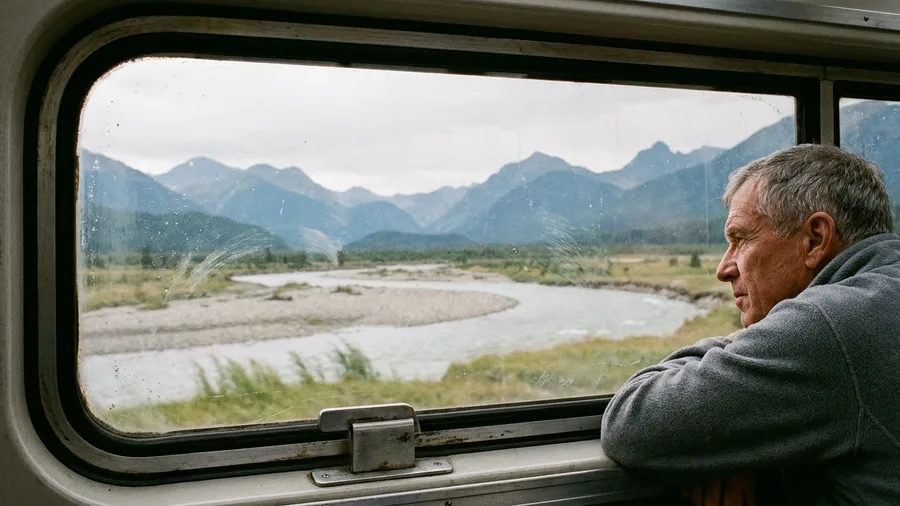
Book the Empire Builder as your Glacier stop and you pay for two nights to sit still in one place. That is a different trade from anything shorter on this list, where you watch the water or the mountains and get off at the end of a single day. Here you ride 45 to 46 hours each way, May through September, from Chicago to Seattle or Portland, and the middle of that time is spent on foot in the park rather than in a seat.
The first day is northern prairie: flat, pale green, grain elevators sliding past at twilight, nothing you would stop the car for. Then the train climbs into Glacier and the country changes fast. The stop at Glacier Park puts you at the edge of the mountains without a rental car, which is the whole reason residents near the line ride it. A coach round-trip runs about $420 to $620; a roomette runs $1,100 to $1,600, and that sleeper is the high end of the time-and-fare trade across every route here. The coach fare buys the same scenery; the roomette buys a door and a bed.
Pick your season against your reason. July and August are the warm, dry months when the park's trails and shuttle buses run full. Late September is quieter, cooler and more changeable, and the higher roads can close early, so check conditions before you commit. The ride itself does not care which month you book, but your stopover will.
Where residents get it right is the finish: end in Seattle or Portland, both walkable from the station, and skip the car entirely once you step off. That no-drive arrival is what makes the two nights pay for themselves. And if you want the same Glacier scenery while spending two nights for less in coach, the California Zephyr and the Southwest Chief both carry you through the Rockies and the desert at lower coach fares. The Empire Builder is the splurge-and-slow-down choice, not the only mountain train.
The trade-offs are real. A long weekend rules it out: two nights each way is the whole trip, so give it a week or more to make the stop worth taking. And if you are watching every dollar, the coach fare is fine but the roomette is not the bargain it looks like against the shorter routes. This is the route for the traveler who wants a sleeper, a relaxed pace and a mountainside stop with no driving. For everyone else, the same two nights can be had cheaper elsewhere.
💡 Tip: A roomette includes meals in the dining car; coach riders pay separately. Price the difference before deciding the upgrade is too steep.
2. California Zephyr Through the Rockies and Sierra
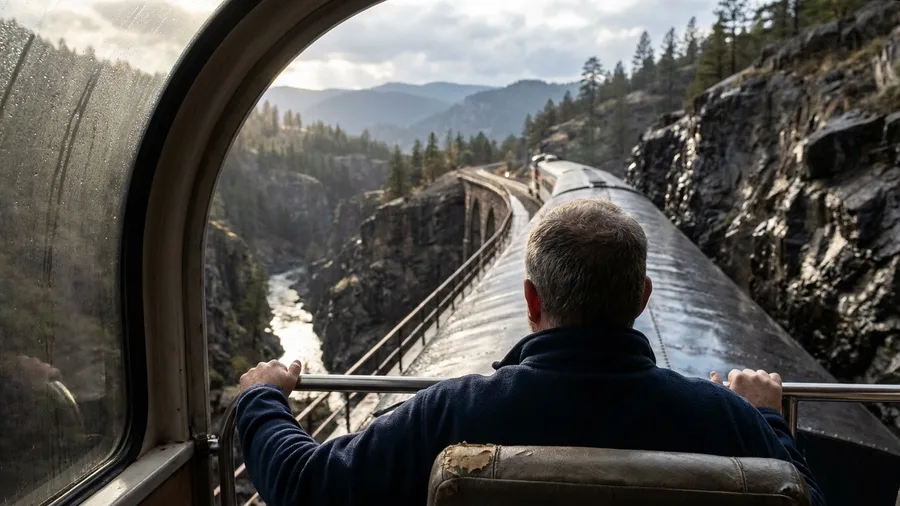
You feel the cold come off the Colorado River before you see the canyon, and the light on the red rock at dawn is the detail that stays with you long after the fare is forgotten. This is the train where the mountains are the show from the window itself, and the Rockies and Sierra Nevada fill two full days of it between Chicago and Emeryville, running 52 hours from April through October.
Watch for wildlife honestly. Elk and deer graze the trackside meadows through the high country, and if you sit in the sightseer lounge at first light you have a fair chance of spotting them; bald eagles work the river stretches in the Sierra. Nothing is guaranteed, but the odds are good enough to keep your camera near. Coach runs $390 to $560 round trip, a little under the Empire Builder, for the same two nights on board. A roomette adds $1,000 to $1,500.
The trade is simple: this is the most dramatic mountain train in the set, and it rewards travelers who trade speed for scenery. A quick city break, or a sleeper booked to sleep through the good parts, is the wrong match. And if the coach fare is the deciding factor, desert views come cheaper still on another two-night route.
| Journey | Route | Nights | Best season | Round-trip coach fare | Sleeper upgrade |
|---|---|---|---|---|---|
| Empire Builder | Chicago-Seattle or Portland | 2 | May-September | $420-$620 | $1,100-$1,600 roomette |
| California Zephyr | Chicago-Emeryville | 2 | April-October | $390-$560 | $1,000-$1,500 roomette |
| Southwest Chief | Chicago-Los Angeles | 2 | March-October | $350-$520 | $950-$1,400 roomette |
| Coast Starlight | Seattle-Los Angeles | 1 | Year-round | $180-$300 | $700-$1,100 roomette |
| Amtrak Cascades | Vancouver, BC-Eugene | 0 | April-October | $70-$150 | None (day train) |
| Adirondack | New York-Montreal | 0 | May-October | $80-$160 | None (day train) |
| Auto Train | Lorton, VA-Sanford, FL | 1 | Year-round | $120-$200 | $500-$800 roomette |
| Capitol Limited | Chicago-Washington | 1 | Spring-fall | $160-$260 | Adds about $350-$900 per night |
| Crescent | New York-New Orleans | 1 | Year-round | $180-$300 | Adds about $350-$900 per night |
| Sunset Limited | New Orleans-Los Angeles | 2 | Fall-spring | $250-$400 | Adds about $350-$900 per night |
3. Southwest Chief Across the Desert Southwest
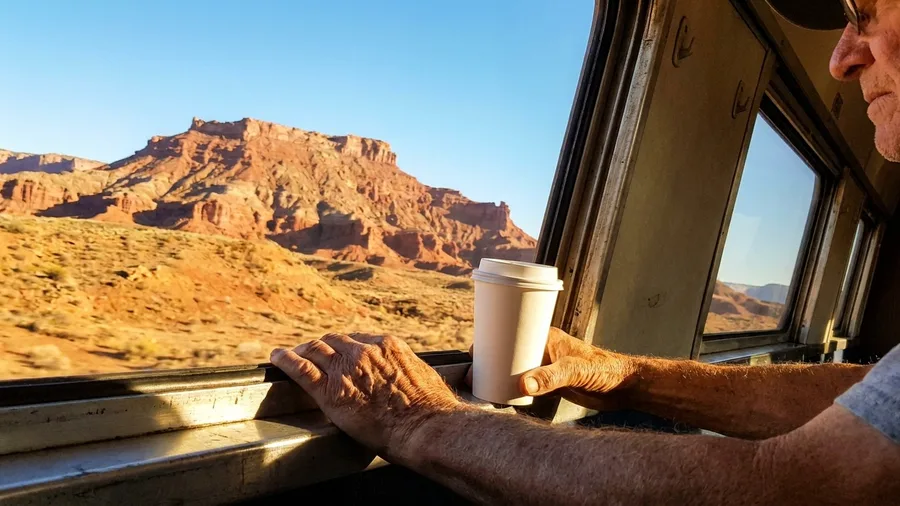
Two nights, 43 hours, and a round-trip coach fare starting around $350: this is the cheapest way on the list to cross the country on a sleeper-optional transcontinental and still step off in the desert. It keeps the two-night format of the mountain trains but swaps snow-capped drama for mesas and warm-weather color, running Chicago to Los Angeles from March through October.
The doing happens at the stop. Flagstaff puts you off the train and into the high desert, with Santa Fe reachable by shuttle connection, and it works as a base for a few nights of Southwest wandering before you reboard. Book coach at $350 to $520, or a roomette at $950 to $1,400. Who this suits: travelers who want warmth, stopovers and the lowest coach fare among the two-night rides. Who it does not: anyone needing a daily schedule, or anyone expecting the ocean out the window. The Pacific belongs to another route.
💡 Tip: Book the summer months only if you can handle a coach seat in desert heat. Spring and fall give you the same route with a cooler platform at Flagstaff.
🚆 From Shortlist to Boarding Pass
Set your nights and window
Decide now whether you can spare two nights and which season works, then read the at-a-glance table against those two answers.
Pick two routes, not ten
Choose one long transcontinental and one shorter coastal or day ride, so you can compare scenery against cost on a real plan.
Book 8-12 weeks ahead
Coach fares in these bands assume that window; sleeper inventory sells out first on the western routes.
Choose coach or roomette
Price the $350-$900 per-night upgrade against meals and hotel nights you would otherwise buy.
Lock the stopover first
Glacier, Flagstaff or Harpers Ferry only work if lodging is available while the train passes, so book that bed early.
Confirm the season and timetable
Check current hours for the route and the stops on it in the same week you book, because both change.
4. Coast Starlight Along the Pacific Coast
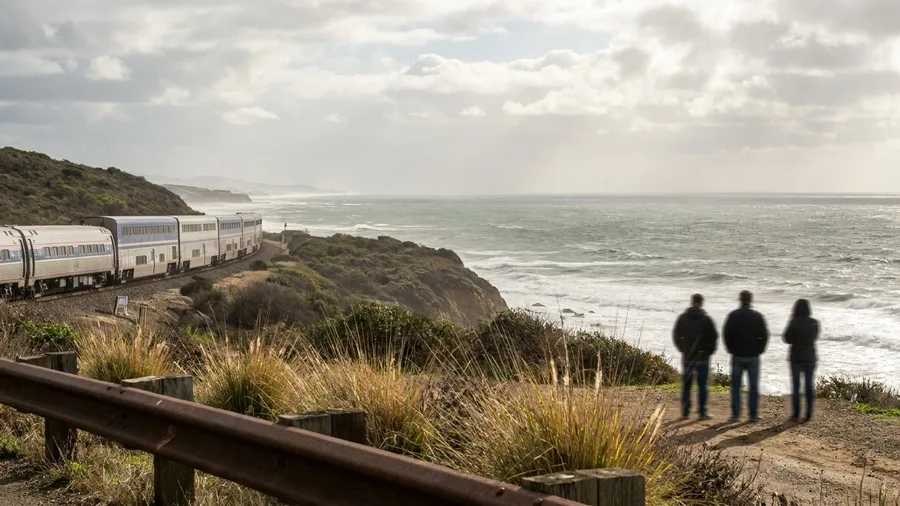
The first thing that registers when the Coast Starlight leaves the Seattle area and swings toward Puget Sound is not the view but the light: flat water, low sun, the whole surface going the color of a nickel. You get a full day of that before the train even settles into California.
Seattle to Los Angeles runs 35 hours, one night aboard, year-round, and the coach fare lands at $180 to $300 round-trip booked eight to twelve weeks out; a roomette runs $700 to $1,100 and the upgrade adds about $350 to $900 a night over coach. That single night and the sub-$300 coach price are the whole point of this one – it is the shorter coastal trade, not a two-night marathon. The stopover logic is where the route earns its name: Santa Barbara and San Luis Obispo and the wine-country towns north of the Bay work as add-on stays, so you treat the train as a spine to hang nights on rather than a run you ride straight through.
What you are not booking is a desert or mountain run. The coastal carve is the scenery, and if mesas or high Rockies are what you came for, the Southwest Chief and the California Zephyr carry those; the ocean here is the draw and the route does not pretend otherwise. Eat well somewhere along the stopover – a bowl of chowder on the Santa Barbara waterfront, a glass of something local in the wine country – and skip the dining-car upsell if you are counting dollars.
💡 Tip: Sit on the ocean side heading north to south, and ask the car attendant which side is which before you choose a seat.
💡 PRO TIP
Book the scenery side, then the stop
On every route below, the view is one-sided for hours at a time. Ask the attendant which side faces the water, the canyon or the town, and plan any add-on stay around the stop you actually want, not the end of the line.
5. Amtrak Cascades in the Pacific Northwest
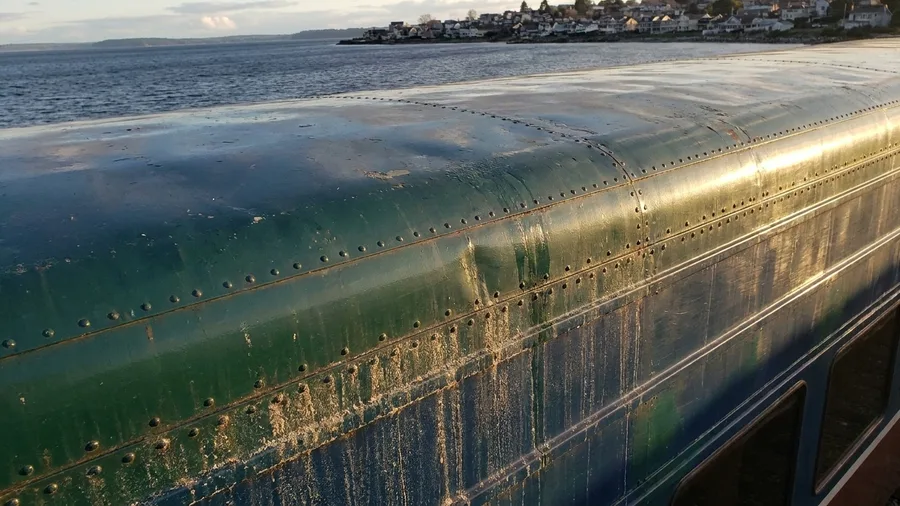
The Amtrak Cascades is the one to take if you want the Pacific Northwest scenery without paying for a bed. A single day, no overnight, Vancouver, BC to Eugene in 10 to 12 hours, April through October, Puget Sound on one side of the run and the Columbia River carving through the other. Round-trip coach is $70 to $150, the lowest fare on this list, with no sleeper cost added on.
The oddity worth knowing is the border stretch. The train crosses into British Columbia and the whole mood changes, not because of the track but because of the ride's history – this corridor long ran as a fast, cross-border commuter and still carries that in-between feel, quiet mornings out of Vancouver, a customs stop nobody tells you to expect, and the water reappearing on the wrong side of your window before you have finished your coffee. It is a city-to-city day, and it breaks naturally into stays: Seattle for a night, Portland for two, each a stop you can build around without the sleeper price.
6. Adirondack to Montreal for Fall Color
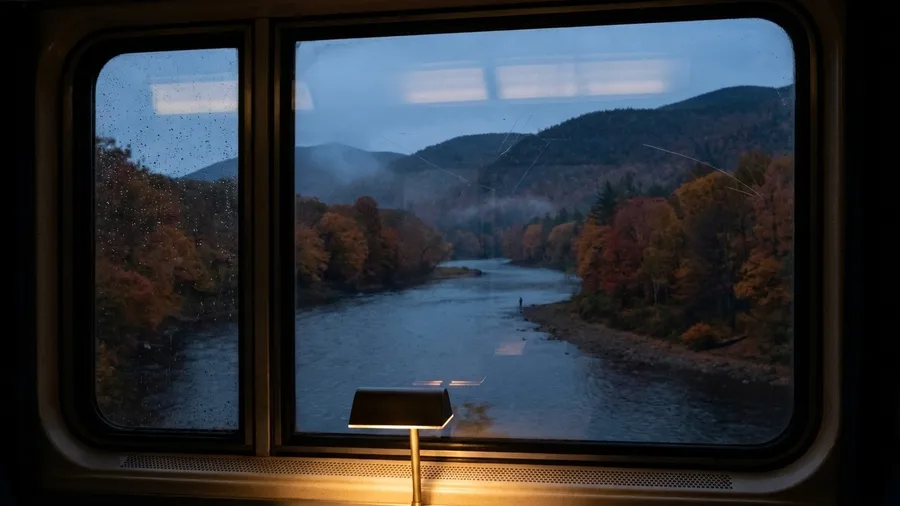
The Adirondack is a foliage train, not a mountain train. New York to Montreal, 11 to 12 hours, no overnight, May through October, round-trip coach $80 to $160. It is the day-train idea applied to the East Coast, and it finishes across a border in a city you can stay in.
The Hudson Valley stretch out of New York is the first act, the river on your right and the Palisades falling away behind you. The foliage comes on as the line climbs north into the Adirondacks and into late-season color, which is why the May-through-October window matters more than any other detail here – outside it you are booking a different trip, and a cabin or a winter run is the wrong ask for this route. Travelers who want fall color without paying for a berth fit it; travelers who want a guaranteed color peak any week of the year do not, because no one can promise that.
The quirk is the border itself. The little customs stop and the shift in signs and language are the cheap, odd punctuation that breaks up the day, and they cost you nothing but a half-hour of patience. Book coach eight to twelve weeks out, keep the Montreal end of the trip loose enough to absorb the crossing, and let the foliage be the reason and the border be the surprise.
Auto Train and Capitol Limited – At a Glance
🚗 Auto Train car fee
$300-$500 round trip
⏱️ Auto Train overnight
1 night, 17 hours
🚉 Capitol Limited route
Chicago-Washington
🏞️ Best Capitol stop
Harpers Ferry
🌦️ Capitol season
Spring through fall
Both promise a night not spent on I-95
The Auto Train charges by vehicle; the Capitol Limited charges by seat and sleeper. Price the two lines separately before you choose.
7. Auto Train to Florida Without the Drive
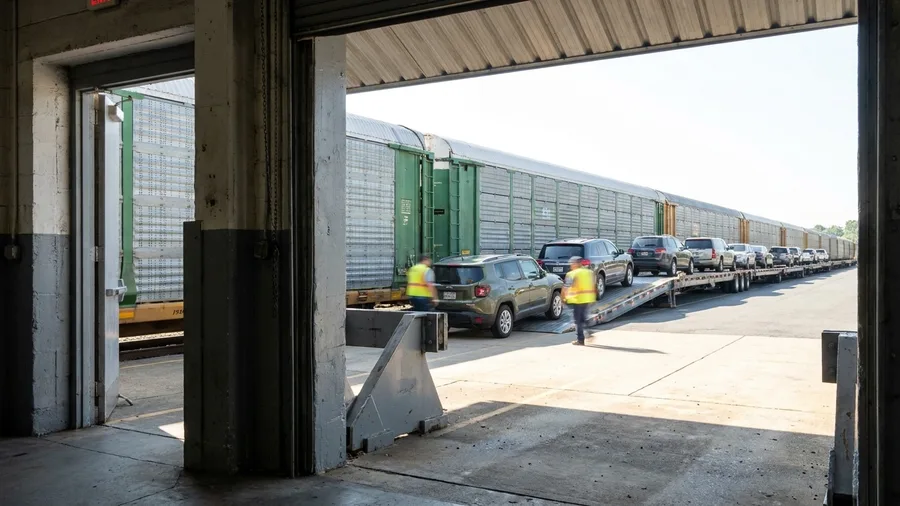
Know this before you book: the car fee is not pocket change, and it is the whole point of the trip. The Auto Train runs Lorton, Virginia, to Sanford, Florida, in one night, about 17 hours, and it takes you and your vehicle on the same departure, year-round. Round-trip coach runs roughly $120-$200 per person, a roomette $500-$800, and the vehicle itself adds about $300-$500 each way depending on length and height. Add it up and you are looking at real money, but weigh it against two days of I-95, a motel, meals and the wear on the car.
For snowbirds and anyone staying in Florida for weeks rather than days, that math usually wins. You load the car in the afternoon, settle into a seat or a roomette, eat, sleep, and wake up in Sanford with the keys in your pocket and no driving behind you. It suits people who need their own car at the other end and want the trip to be rest, not a slog. It does not suit anyone traveling without a vehicle, or anyone counting every dollar, because the vehicle charge and the overnight stack up fast. Book 8 to 12 weeks out and the coach fare stays in that lower range.
8. Capitol Limited Through the Appalachians
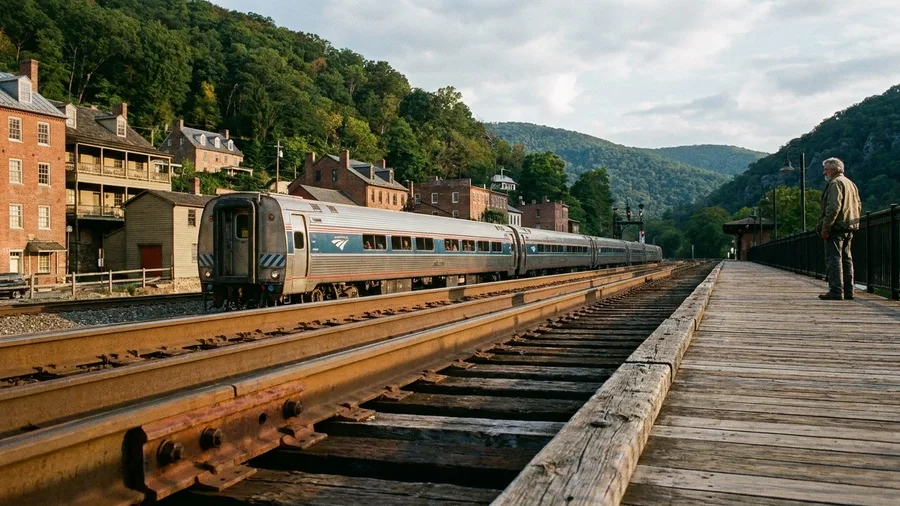
It can be, if you are buying scenery and a slower rhythm rather than speed. The train leaves Chicago in the evening, climbs through the Appalachians overnight and into the next morning, and slides into Washington the following afternoon. The flight is two hours; this is one night and a full day, so be honest with yourself about which one you actually want.
Round-trip coach runs about $160-$260 per person, booked well ahead, and a sleeper upgrade adds roughly $350-$900 per night on top. That is a modest coach fare for a long-distance run, and the sleeper turns the night into a private room with a bed and meals included, which many older travelers find worth the premium on a single overnight.
The reason to ride this route rather than fly it is the Harpers Ferry stop, where the train pauses in the Potomac and Shenandoah gap and you can step off into a small town with no car needed. Appalachian ridgelines fill the windows through West Virginia, and spring through fall is when the light and the leaves cooperate.
The catch is up front: this is not a fast way to get to Washington. If your priority is arriving rested for a morning meeting, the plane wins. If you want an East Coast overnight that doubles as a slow look at the mountains, the Capitol Limited is the honest choice, provided you book early and accept the sleeper cost as part of the fare.
For travelers who want a practical overnight with a stop worth getting off for, it fits well. For anyone chasing the fastest Chicago-to-DC connection, it does not, and no upgrade changes that.
9. Crescent From New York to New Orleans
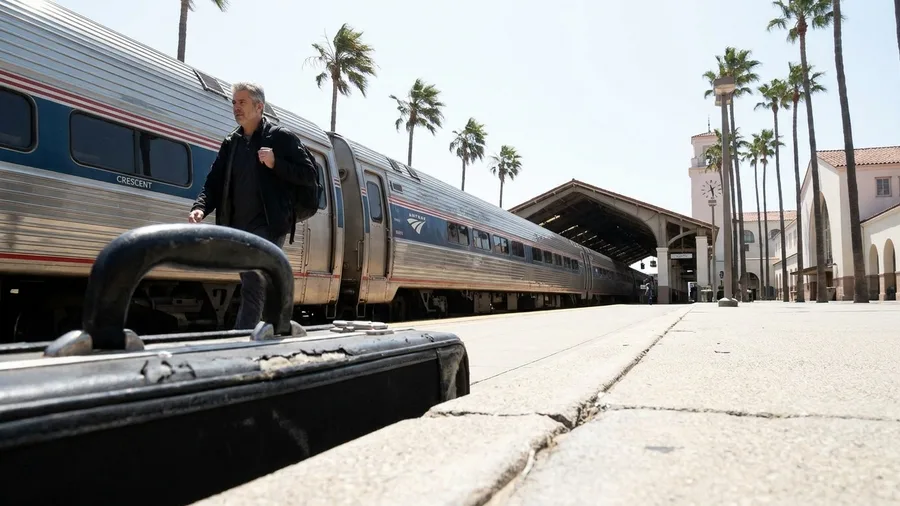
Compared with a mountain run, the Crescent asks less of you and delivers less scenery, and that trade is the whole story. It goes New York to New Orleans in one night, year-round, direct city to city, with coach round-trip around $180-$300 and a sleeper upgrade adding roughly $350-$900 per night. You board in the evening, sleep, and step off in New Orleans the next day with the French Quarter a short ride away.
It suits travelers who want a straightforward overnight and a New Orleans finish, not a window seat full of peaks. If dramatic mountain scenery is the goal, this is the wrong train, and the Zephyr or the Empire Builder are where that lives. It also suits anyone who would rather not drive or fly the distance and wants the arrival to be the reward. Book 8 to 12 weeks ahead and the coach fare stays in that lower band.
Sunset Limited by the Numbers
10. Sunset Limited Across the Gulf and Southwest
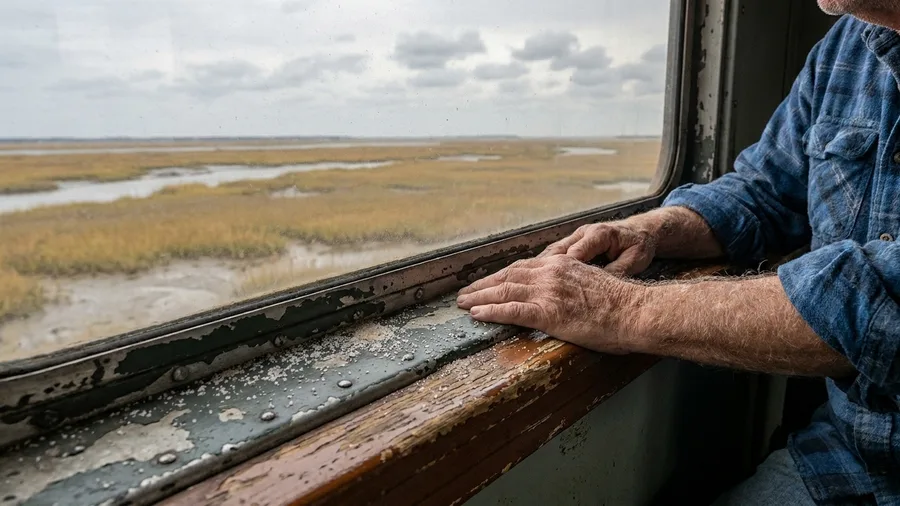
Make the Sunset Limited your cold-weather ride: New Orleans to Los Angeles, two nights, fall through spring, with round-trip coach at roughly $250 to $400 a person. That is the lowest two-night coach figure on this list, and it buys the warmest scenery you can see from a train window in February.
The southern transcontinental fills those two nights with Gulf Coast water, Louisiana bayou and then the long desert run into California. A sleeper upgrade adds about $350 to $900 a night over coach, so the coach seat is where the budget stays intact; book 8 to 12 weeks out and the lowest warm-season fares are usually there. It is a winter escape rather than a year-round city hop.
What rules it out is impatience. The schedule runs a few times a week rather than daily, so a tight connection or a short trip will not fit. If you have one night to spend, a one-night coastal or Appalachian run gives you the same scenery-to-fare trade without the second night on board.
Coach Seat or Roomette?
Worth the coach fare
- The Cascades and Adirondack are short day rides – no cabin needed
- The Sunset Limited is the cheapest two-night coach seat in this set
- Coach on the Coast Starlight keeps the ocean trip under $300
- You can still buy meals in the dining car
Worth the extra $350-$900 a night
- The Empire Builder's two nights are long enough to justify a bed
- A roomette includes meals, which softens the gap
- The Auto Train sleeper likely beats a hotel night plus fuel
- The Capitol and Crescent are short, so weigh it carefully
Frequently Asked Questions
Is a long-distance train trip worth it for older travelers?
It is worth it when the route's nights on board buy scenery or stopovers you will use. Two nights in a roomette with meals included can cost less than the same time in hotels plus fuel, and you never handle a car at the far end. If you only want transportation, book a flight.
Do you need to book a sleeper, or is coach fine?
Coach is fine on the day rides – the Cascades and Adirondack are under $160 round trip and need no cabin. On two-night routes, a roomette adds roughly $350 to $900 a night over coach and includes meals. On a 45-hour run, that is a fair upgrade; on a 17-hour one, weigh it.
How far ahead should I book?
Eight to 12 weeks out is the sweet spot for the fares quoted here. Sleeper inventory on the Empire Builder and Zephyr sells out earlier in summer. Book the stopover bed at Glacier or Flagstaff at the same time, because lodging is the tighter constraint.
When is the best time to go?
May through September for the Empire Builder, April through October for the Zephyr, March through October for the Southwest Chief and May through October for the Adirondack. The Coast Starlight, Crescent and Auto Train run year-round. The Sunset Limited is a fall-to-spring ride, and that is the point of it.
Can I bring my car on any of these trains?
Only the Auto Train carries passengers and vehicles together, between Lorton, Virginia and Sanford, Florida. The vehicle fee is $300 to $500 on top of your seat, and the trip is one night. On the other routes you travel without the car and pick one up at the far end if you need it.
Is it easy to stop off along the way?
Yes on most routes, but only where the train stops at a usable hour and lodging exists. Glacier on the Empire Builder, Flagstaff on the Chief and Harpers Ferry on the Capitol Limited are the most practical. Reboard on a later date under the same ticket and confirm the connection when you book.
Shortlist by Situation, Then Book the Empire Builder
Two nights or less, mountains: the Empire Builder with Glacier built in, or the California Zephyr for the Rockies. Desert: the Southwest Chief. Pacific coast: the Coast Starlight. Chicago to DC: the Capitol Limited. New Orleans: the Crescent. Fall foliage: the Adirondack. No-sleeper budget: the Amtrak Cascades at $70 to $150, then the Adirondack at $80 to $160. Bringing a car to Florida: the Auto Train. Warm-weather winter: the Sunset Limited.
Book the Coast Starlight first. One night, year-round, coach $180 to $300, with Pacific coastline and wine-country stops, it is the shortest commitment that still delivers a long-distance scenic trip. The Empire Builder's two-night, $1,100 to $1,600 roomette is the Glacier splurge, not the default: make it the second trip, once the one-night coastal run proves the pace suits you. Pick your route by the nights and fare that buy the scenery you will use, then watch the prairie slide past and know you chose it on purpose.
Start with the table, then book one route
Read the ten-journey table again and circle the row whose nights, season and fare fit your calendar. Then book that route 8 to 12 weeks out, coach or roomette, and reserve the stopover bed the same week.