Most people book the cheapest room they can find and then pick the city to put it in, and that order is the reason a budget trip stops feeling like one. You end up twelve miles from the food, the free sights are a bus ride away, and the money you saved on the bed goes out the window on rides to dinner. Flip it. Pick the city first, then find a bed near the transit and the plates.
The eight cities below run about $97 to $125 a day for one person, and that figure buys a comfortable room, a local breakfast, a filling lunch and one free sight. Lodging is the big line at $68 to $90 a night, so the free anchors do the rest: missions, plazas, museums, streetcars, parks, none of them costing you anything. San Antonio at roughly $108 and El Paso at about $97 show the pattern cleanly. The bed is the expense. The day around it is cheap.
So the choice comes down to one number, the daily total, with no car rental baked into it and a walkable route from your room to the good stuff.
Match the city to what you actually want to eat, Tex-Mex or Sonoran or green chile or barbecue or pierogies or chili or a Friday fish fry, then book the room near transit before you book anything else, and ask about senior fares when you buy your pass.
Quick Tips Before You Start
Book near the line
Choose lodging within a five-minute walk of the bus, streetcar or downtown core, not the cheapest room on the edge.
Ask for the senior fare
Most city transit agencies sell a reduced day pass to riders 65 and over; ask at the first ticket machine.
Eat your big meal at lunch
Plate lunch and lunch combos run $9 to $14 in every city here; dinner at the same table costs more.
Go early, rest midday
Free sights are quiet before 10am and again after 3pm; use the middle of the day for a sit-down and a coffee.
Skip the rental car
Each city on this list is doable car-free for two or three days, and parking downtown eats a whole day's food budget.
Carry small bills
Taco trucks and market stalls often run cash-first, and the card minimum can add a surcharge.
1. San Antonio Missions and Breakfast Tacos
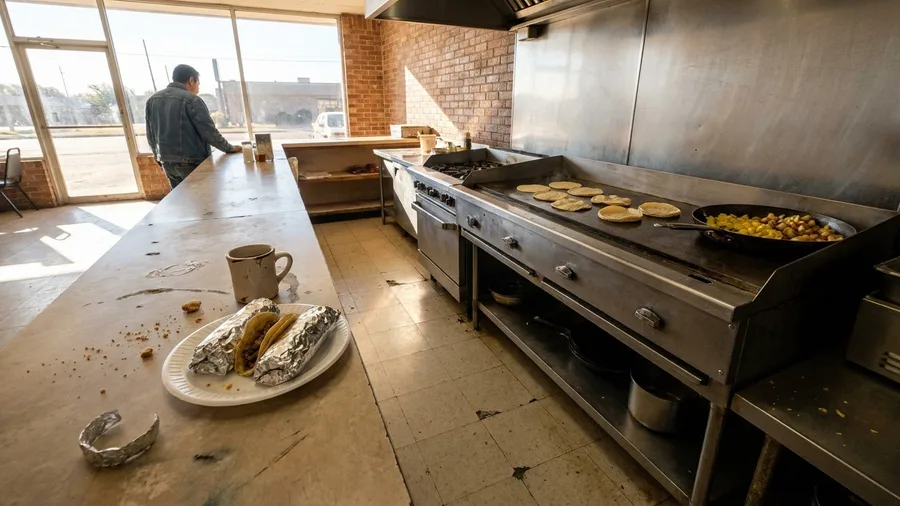
The smell hits you two blocks before the doors: rendered lard, cumin and corn tortillas warming on a flat top, and by seven in the morning there is already a line of people standing at the counter in work boots. Somebody behind you orders three breakfast tacos at once. You should too, or at least start with one and see.
A breakfast taco in this town is not a snack. It is a foil-wrapped, palm-sized packet of egg, potato and cheese with a little salsa, and it runs around $3. Eat one standing up with coffee, then walk it off down to the river and let the city wake before the heat settles in.
You do not need a car for any of this. Get a room at a mid-range motel close to downtown for about $78 a night, use the VIA bus at about $3 for the day, and you are inside the budget plus still eating well. Ride one bus south and you can reach the national park's missions and walk through the stone churchyard at your own pace for nothing.
Mission San José is free and it is the anchor sight of the whole day. The stone walls, the recreated mill, the archways over the courtyard: you can spend an hour or two here without paying a cent of admission, and the light through the doorway early in the morning is the picture you will send home. Bring water, no shade in that courtyard.
Add it up and you have about $108 for the day: $78 for the bed, $3 breakfast taco, $9 plate lunch with rice and beans, $3 on the bus and a free mission. That leaves a few dollars for coffee and an evening stroll along the River Walk, which costs nothing and suits the pace of a retiree who wants history and Tex-Mex without paying for a car. If the whole Southwest day can be built around low lodging, cheap tacos and a free mission, that is the pattern to look for everywhere.
💡 Tip: The missions are spread along a road, not clustered. Pick Mission San José and one other, not all five in one morning.
💡 PRO TIP
Buy the Day Pass, Not Single Fares
In most of these cities a single ride costs $1.25 to $2, so three rides is already more than a day pass. Ask the driver or the ticket machine for the day pass and show your ID for the senior rate.
2. Tucson Sonoran Food and Streetcar Rides
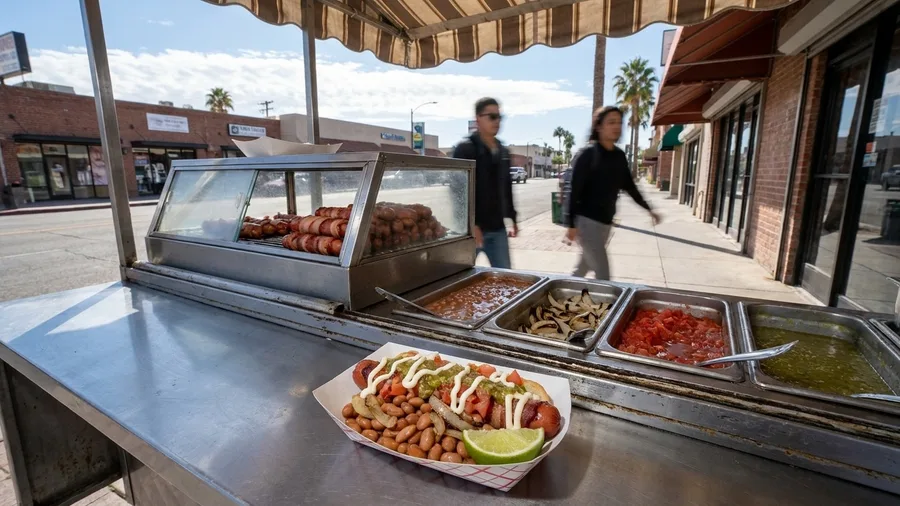
The thing nobody warns you about in Tucson is the heat, and the free Barrio Viejo walk is the better for it just before sunset. Save the walking for early morning or the last hour of daylight; midday you sit in shade and drink something cold, and the Sonoran hot dogs are the reward for waiting.
That formula of cheap downtown lodging, cheap local food and a free sight holds here too, just shifted toward a streetcar and a bacon-wrapped hot dog. A room downtown or near Fourth Avenue runs about $72 a night, which is $6 less than the San Antonio base and leaves a small cushion. A Sonoran hot dog is around $4, and a lunch combo about $10, so $14 buys two filling meals of the local kind.
The Sun Link streetcar costs about $3 a day and links the food streets of Fourth Avenue and downtown without a car. Ride it out to the Barrio Viejo walk and walk the old adobe streets for free, at a pace a walker can keep. About $110 for the day, then, and if you want the strongest likelihood of seeing something wild, the desert parks outside the city are the place to look: expect jackrabbits and lizards near dawn, not coyotes at noon, and go with a guide or a marked trail.
The Four Sun Belt Days, Side by Side
Figures are typical one-person daily examples, not current published rates.
3. Albuquerque Green Chile and Old Town
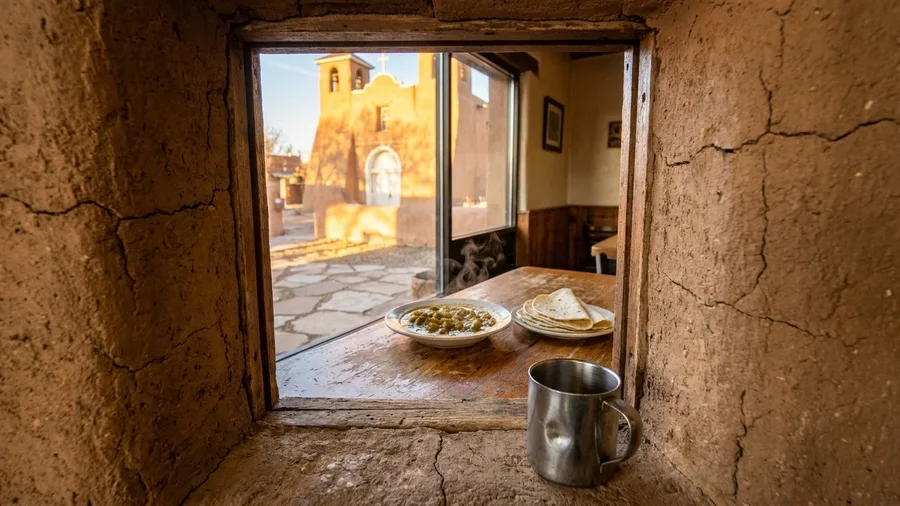
Old Town Plaza is the photograph of the trip, and the trick is to stand back at dusk when the adobe turns orange and the strings of lights come on.
A motel near Old Town costs about $70 a night, the lowest in the Southwest group so far, and the plaza is within walking distance of most of them. A breakfast burrito runs about $6 and a green-chile plate about $11, so $17 covers two spicy local meals. ABQ Ride costs about $2 for the day and the plaza itself is free, which brings the day to about $105 with bus access and easy sightseeing carrying the load. Green chile is hot; ask where it is mild before you order, and if you want a walkable old town with a low bed and a cheap bus, this is the one to price first.
| City | Lodging | Meals | Transit | Free or cheap highlight | Approx. daily total |
|---|---|---|---|---|---|
| San Antonio | $78 motel near downtown | $3 taco + $9 plate lunch | VIA bus about $3 | Mission San José | About $108 |
| Tucson | $72 downtown or Fourth Ave | $4 Sonoran dog + $10 combo | Sun Link about $3 | Barrio Viejo walk | About $110 |
| Albuquerque | $70 Old Town-area motel | $6 burrito + $11 chile plate | ABQ Ride about $2 | Old Town plaza | About $105 |
| El Paso | $68 downtown | $3 barbacoa taco + $10 combo | Streetcar about $3 | Mission Trail | About $97 |
| Kansas City | $85 mid-range | $10 burnt ends + $14 BBQ plate | KC Streetcar free | Nelson-Atkins Museum | About $117 |
| Pittsburgh | $90 Oakland or Shadyside | $11 pierogies + $8 kielbasa | Transit about $6 | Point State Park | About $125 |
| Cincinnati | $82 Over-the-Rhine | $6 three-way + $10 market lunch | Streetcar about $2 | Findlay Market browsing | About $112 |
| Milwaukee | $88 downtown or lakefront | $7 curds + $12 fish fry | Bus about $4 | Lakefront path | About $123 |
4. El Paso Mission Trail and Cheap Tacos
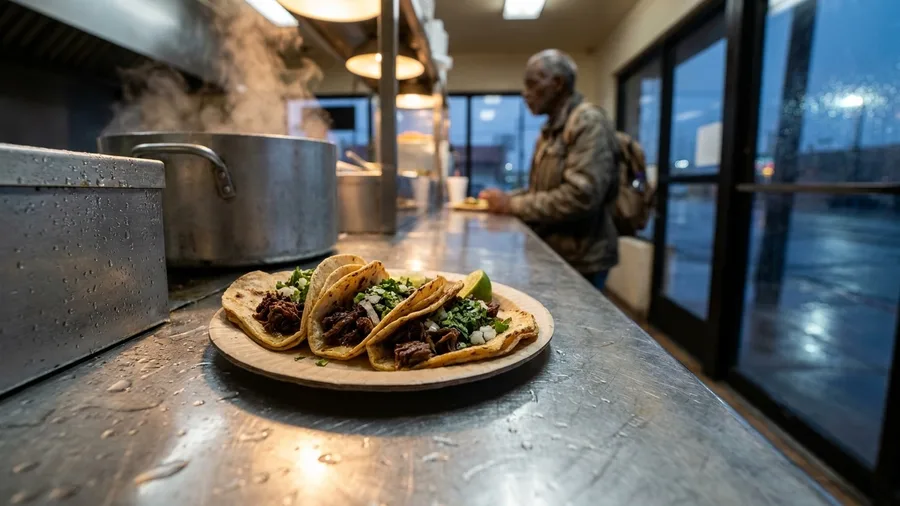
Of the eight cities here, El Paso is the one where a tight budget stretches furthest. Downtown lodging runs about $68 a night, the lowest nightly rate in the group, and that single line is what lifts the whole day. A $3 barbacoa taco in the morning, an early coffee, and you are out the door with most of the budget still in your pocket.
The morning is the hour to move. Get to the Mission Trail before the heat builds and the light is still low and long on the adobe, and the churches come up out of the scrub without a crowd in front of them. Access to the trail costs nothing. The streetcar runs about $3 for the day, and a combo plate at lunch runs around $10. Lodging, taco, plate and streetcar together put the day at about $97, the value floor of the whole list without giving up a single local meal.
💡 Tip: Check the mission opening hours before you set out. Several keep short daily windows and close for services.
The Tightest Budget vs The Fullest Day
Pick El Paso if…
- You want the lowest daily total, about $97
- Lodging under $70 matters more than a fancy room
- You will take the streetcar and walk the Mission Trail
- Barbacoa tacos and combo plates are your idea of eating well
Pick Pittsburgh if…
- You would rather spend $125 and walk a real neighborhood
- You like pierogies, kielbasa and a view from an incline
- You are comfortable with $6 transit and hills
- You do not need paid attractions to fill a day
5. Kansas City Free Museums and BBQ
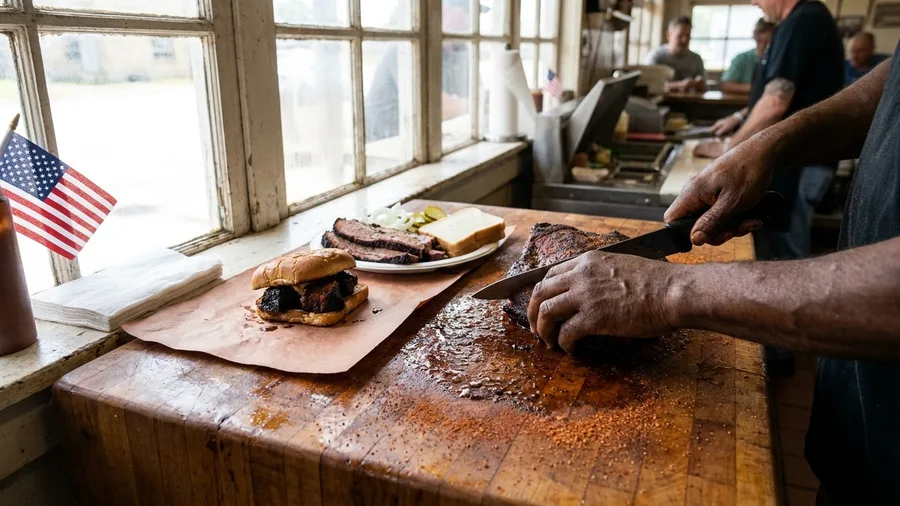
$85 a night for mid-range lodging, which is more than El Paso asks, and $0 for the two things that fill the day: the KC Streetcar and the Nelson-Atkins Museum of Art.
That is the trade Kansas City offers a tight budget. You pay a little more for the bed, then ride a free streetcar to a free museum, so the money you saved on transit and admission goes straight into barbecue. Burnt-end sandwiches run around $10 and a full BBQ plate around $14, and that plate is the reason you came. The day totals about $117.
Who it suits: museum-goers and anyone who counts barbecue as the point of a trip. Who it does not: if you need the absolute lowest daily number, or you want your food budget to carry the day rather than a museum, the free attractions here are a bonus you are paying $85 to reach. Walkers who want stops close together will also find the museum sits a streetcar ride from the barbecue, not beside it.
💡 Tip: The Nelson-Atkins is closed on some weekdays depending on season. Confirm before you build the day around it.
Score Your Shortlist Before You Book
Pass marks mean the city fits a car-free tight-budget day; warnings mean adjust timing, not the plan.
6. Pittsburgh Pierogies and Incline Views
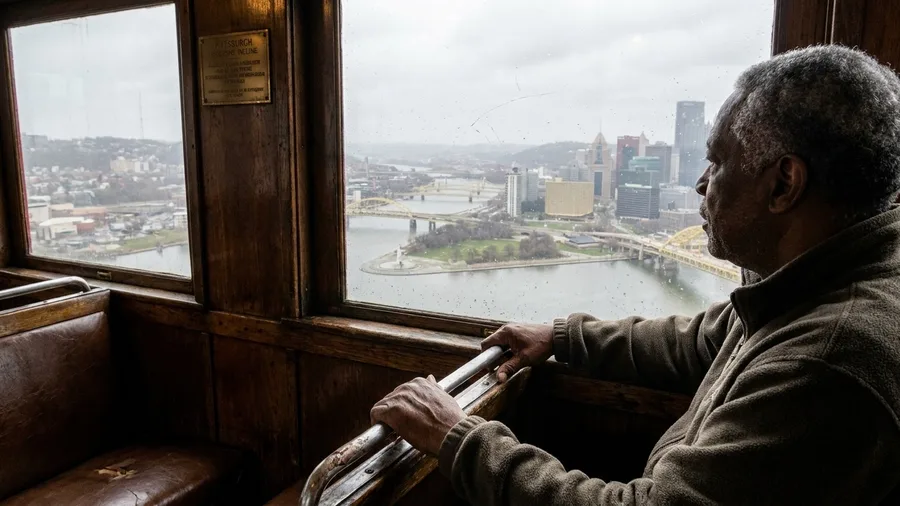
The first thing you notice riding the Duquesne Incline is the smell of the wooden car and the creak as it climbs, then the whole city dropping away below the glass. The view from the top is the famous one, and it earns the ride. Go early in the morning before the cars fill and the platform at the top gets crowded; by midday the queues lengthen and the pleasure thins.
Base in Oakland or Shadyside near the university and the east-side walking districts, about $90 a night, the highest lodging in the group so far, with transit about $6 a day. A pierogi plate runs around $11 and a kielbasa sandwich about $8, so $19 covers two substantial meals. Point State Park costs nothing, and the day lands near $125, the top of the range, held together by free walks and views rather than paid attractions.
Four Ways the Budget Slips
7. Cincinnati Chili and Findlay Market
A hard walk up an incline hill can cost you in effort what it saves in tickets, and Cincinnati asks for less of that. The whole day sits flat in Over-the-Rhine, a neighborhood of brick row houses and old brewery buildings where you can put in an easy two or three miles without a single climb, and lodging in that district runs about $82 a night, well under the highest day in the range.
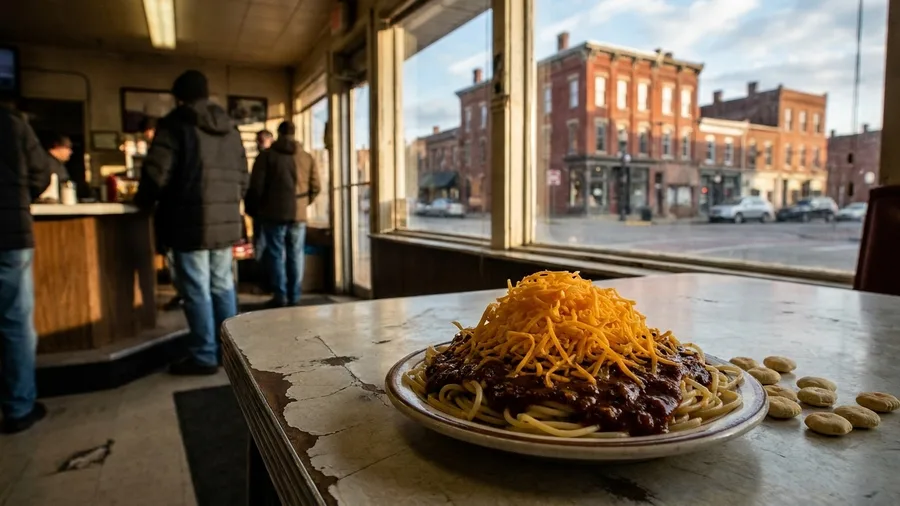
Start with the chili, because it is the dish that defines the city and it costs about $6 for a three-way: spaghetti under a meat sauce, a mound of finely shredded cheddar, and a pile of oyster crackers on the side. Order it at a counter, eat it in fifteen minutes, and you have spent less on lunch than most cities charge for a coffee. Follow with a market lunch around $10 at Findlay Market, where the stalls run to sausages, goetta, and whatever the produce vendors are pushing that morning; the browsing itself costs nothing.
The streetcar does the moving for about $2 a day, and it strings together the market, the brewery blocks, and the riverfront so you never need a car or a long wait at a stop. Add the free market time to the cheap chili and the low-cost streetcar and the day comes to roughly $112, with the neighborhood itself doing the work of an attraction. If you like walking a district rather than ticking off sights, this is the stop where the food and the streets are the same outing.
⚠️ COMMON MISTAKE
Don't Book the Suburban Bargain
A room $20 cheaper that sits four miles out will cost you $15 to $25 a day in rides and an hour of your morning. Stay downtown or on the streetcar line and pay the extra twenty.
8. Milwaukee Fish Fries and Lakefront Walks
Yes, and the reason is a free path along the water. Where a market-and-streetcar day keeps you upright in a tight district, this one is looser: you trade the dense blocks for open lakefront, and the pace, not a paid attraction, is what fills the hours.
Lodging downtown or near the lakefront runs about $88 a night, and the bus gets you between the two for roughly $4 a day. The freezer of a budget trip is usually admission tickets, and here the anchor costs nothing: the Lakefront path runs for miles along the water, flat and paved, with benches spaced along it and the lake opening up on one side. You walk as far as feels good and sit when you want to.
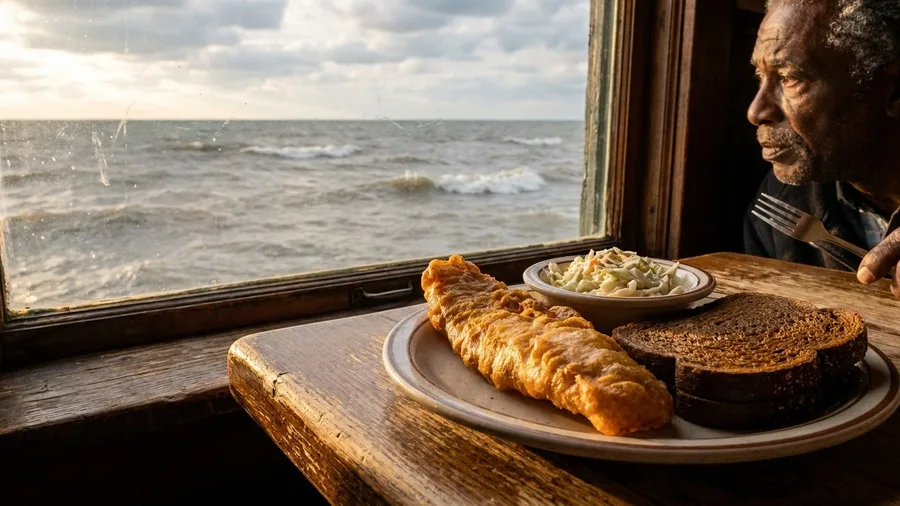
The food is the other half of the day. Cheese curds run about $7, squeaky and fried, and a Friday fish fry is about $12, a plate the city takes seriously enough that you can find it most weeks and nearly everywhere on a Friday. Together that is about $19 for two filling meals, and it buys a supper that feels like an occasion rather than a budget compromise.
Put it together: $88 for the bed, $4 for the bus, $19 for the food, nothing for the path, and the day lands near $123. That is toward the upper end of the range, but you are paying it for slower hours, not for tickets. This is the stop for the traveler who wants to walk a shoreline, sit on a bench, and eat a fish fry at the end of it.
💡 Tip: Fish fries are a Friday thing. Book your Milwaukee night for a Friday and pick a neighborhood tavern rather than a hotel restaurant.
Frequently Asked Questions
Is about $110 a day realistic for a retiree in these cities?
Yes, if you treat it as lodging plus two local meals plus transit plus a free sight. The numbers here assume one person, a mid-range motel rather than a boutique hotel, and a plate lunch rather than a dinner out. Move up to a full-service hotel and the day climbs fast.
Do I need a rental car in any of these eight cities?
No. San Antonio, Tucson, Albuquerque, El Paso, Kansas City and Cincinnati all work with a bus, streetcar or a short walk between food and the free sight. Pittsburgh and Milwaukee are easier with $4 to $6 of transit than with a car and a parking garage.
When is the best time to go for cool weather and lower rates?
Late March to May and September to early November work best in the Sun Belt cities, which get punishing in midsummer. The Midwest and Rust Belt cities are at their best in late spring and early autumn, and summer rates in Milwaukee and Kansas City stay reasonable outside festival weekends.
Are senior discounts available on food and attractions?
Transit is the reliable one: most city agencies sell a reduced day pass to riders 65 and over. Many museums in these cities also run free or reduced senior admission on certain days, so ask at the desk rather than assuming. Restaurant discounts are less common than the chain signs suggest.
How many days do I need in each city?
Two nights gives you the core: one food neighborhood, one free anchor sight and a transit loop. Three nights is better in San Antonio and Kansas City, where the missions and the museum reward a second morning. You can do El Paso in a single full day if your budget is tight.
Is the food really local at these prices, or is it chain restaurants?
It is local. The whole point of these eight cities is that the cheap food is the regional cooking: breakfast tacos, Sonoran hot dogs, green chile, barbacoa, burnt ends, pierogies, Cincinnati chili and a Wisconsin fish fry. You will not need a chain.
Book the Bed Near the Streetcar, Then Ask for the Senior Fare
El Paso runs lowest at about $97, Kansas City about $117 for free Nelson-Atkins and barbecue, Tucson about $110 for walkable Sonoran food, Milwaukee about $123 for lakefront pacing, none of them snowbird winters outside Florida. San Antonio, Albuquerque, Pittsburgh and Cincinnati sit between them on the same arithmetic.
Do it in that order too. Book the bed within a five-minute walk of the streetcar or bus line first, then call the local transit agency about senior fares and assume no rate until they tell you one.
That resolves the worry you started with. At $97 to $125 the bed near transit, the two local meals and the free anchor sight fit together, no trade-off required. Treat the daily total as a chooser rather than a limit, pick the city by what you want on the plate, and let the free sights and the streetcar carry the day.
Run Your City Through the Six Checks
Scroll back to the scorecard, mark your shortlist against bed location, meal price and a free sight, and pick the city that passes. Then book the room near the line.