On a south-coast terrace in Tenerife in mid-January, a coffee arrives with condensed milk and the thermometer reads 22°C, and nobody within sight is wearing a jacket.
You are probably reading this from a grey city in January, dressed for weather you would not need there, and assuming any European break in February means packing the same coat. Tenerife's south coast reaches 21-22°C/70-72°F by day with the sea at 19°C/66°F, which is a resort week in the sun, not a bracing walk.
The catch is that warm in Europe splits three ways. The Canaries run 20-22°C, the mainland and Mediterranean mild at 15-17°C, and the sea sits anywhere from 15°C to 19°C. So the real choice is a trade between sun, nightly cost and pace.
Pick the place whose warmth, price and daily texture match how you want to spend the days. Then check half-term fares before you book.
Quick Tips Before You Start
Pack for two seasons
Even in Tenerife, evenings drop to around 15°C, and Seville nights fall to 6–8°C, so bring a warm layer as well as short sleeves.
Treat the sea as cold
Water temperatures run 15–19°C across this list, so swimming is a quick dip, not a long float.
Avoid half-term week
February school holidays in the UK and parts of Europe push Canary Island prices up sharply for one week.
Check car hire early
On Tenerife, Gran Canaria, Lanzarote, Fuerteventura and Madeira, a car for two or three days gives you the good beaches and walks.
Bring one light waterproof
Madeira and the Algarve both see winter showers, and a packable shell turns a rain shower into a minor event.
Plan around sun hours
Four to six hours of sun a day means mornings are often clearer, with cloud building after lunch on the Atlantic islands.
1. Sip Barraquito in Tenerife
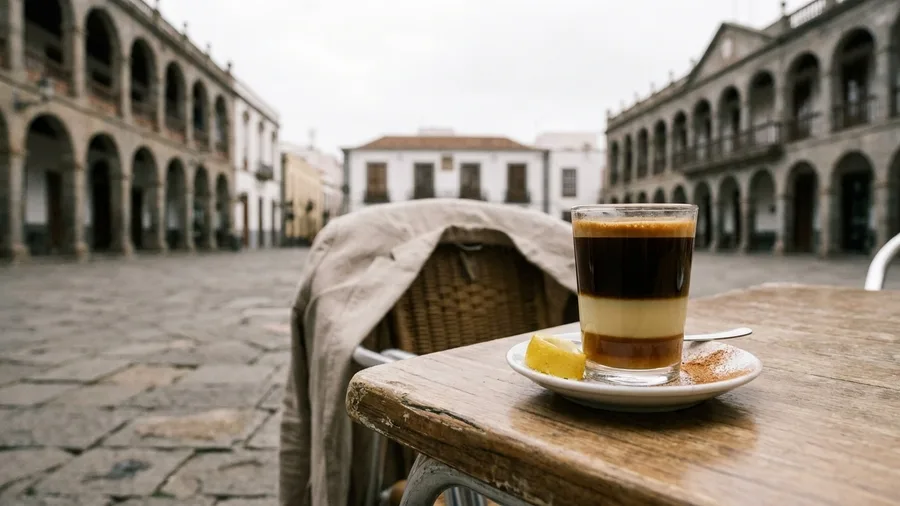
The first sip hits you with espresso, then the sweetened condensed milk, then something bitter and orange underneath it, and you are sitting in a plaza in January with your jacket over the back of the chair. Barraquito is Tenerife's own coffee, built in layers in a small glass, and it typically costs two to three euros, sometimes a little more at a terrace in the sun. Ask for one and the barman will pour it without ceremony. You can order a version with a splash of liquor if that is your mood, but the coffee and condensed milk alone is the drink that makes the afternoon feel earned.
💡 Tip: Order it after 11am when the terraces fill with locals, not at breakfast when the machine is still warming up.
| Place | Typical Jan–Feb high | Sea temperature | Typical stay | Best for |
|---|---|---|---|---|
| Tenerife | 21–22°C / 70–72°F | 19°C / 66°F | About $140/night, south coast double | Reliable resort sun |
| Gran Canaria | 20–21°C / 68–70°F | Around 19°C / 66°F | About $110/night, Las Palmas | City plus dunes |
| Lanzarote | 20–21°C / 68–70°F | 18°C / 64°F | About $95/night, Playa Blanca apartment | Volcanic scenery |
| Fuerteventura | 20–21°C / 68–70°F | 18°C / 64°F | About $90/night, Corralejo | Beaches and wind |
| Madeira | 18–19°C / 64–66°F | 18°C / 64°F | About $120/night, Funchal | Green walks |
| Algarve | 16–17°C / 61–63°F | 15°C / 59°F | About $85/night, Lagos guesthouse | Quiet coastal value |
| Seville | 16–17°C / 61–63°F | Not applicable | About $95/night, central apartment | Sunny city terraces |
| Malta | 15–16°C / 59–61°F | 15°C / 59°F | About $100/night, Valletta | Compact sightseeing |
| Paphos | 16–17°C / 61–63°F | 17°C / 63°F | About $90/night, seafront hotel | Sunshine and ruins |
2. Slow down in Las Palmas
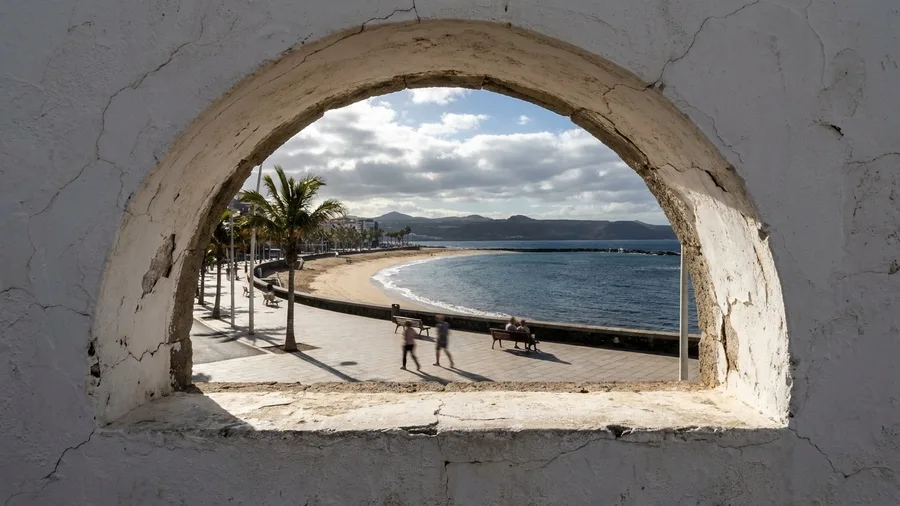
Gran Canaria is the answer, and it holds highs of 20-21°C/68-70°F, close enough to the sun-and-resort warmth that made the neighboring island the obvious pick that the two are a genuine choice rather than a compromise. The distinction is what surrounds the warmth.
Warm Winter Europe at a Glance
3. Walk Lanzarote's Wind-Sheltered South
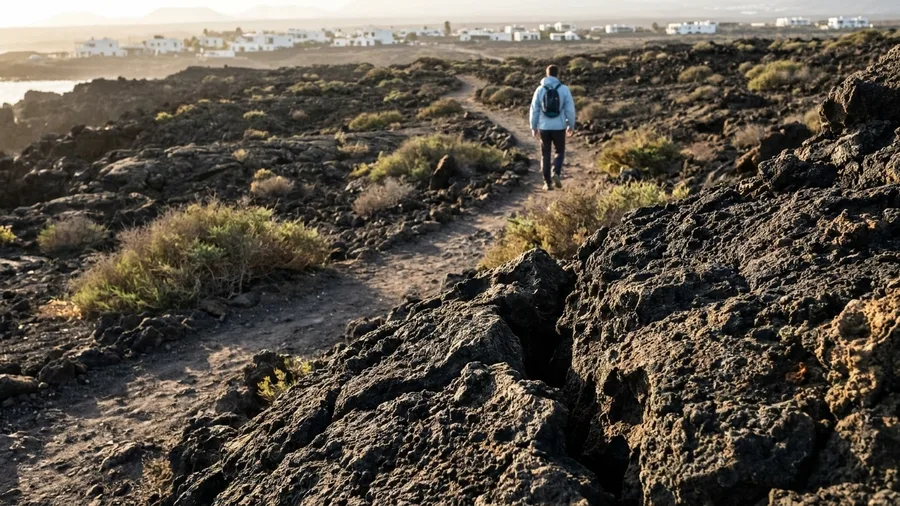
Wind is the condition that decides whether the trip works, and it is why Playa Blanca in the south is the shelter-first choice over assuming any beach is calm. An apartment there runs about $95/night, below the resort benchmark of the northern Canaries, and the volcanic coastline is your backdrop rather than a tropical one. Pick the southern base, walk the coastal paths in the morning before the wind builds, and the warmth reads as high and the cost as moderate; the pace is outdoors and slow.
⚠️ COMMON MISTAKE
Do not book the north by mistake
On Tenerife and Gran Canaria, the north is greener and cloudier while the south is drier and sunnier. If you want reliable winter sun, book a south-coast base or check the microclimate before you choose a hotel.
4. Find Fuerteventura's Quiet Beaches
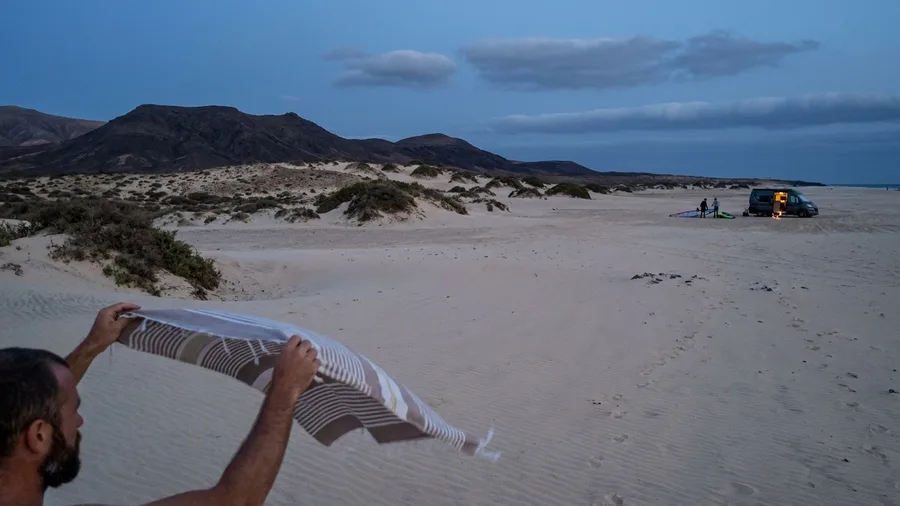
Fuerteventura is the Canary island for a winter break built around long beaches and a steady breeze. January and February highs land at 20-21 degrees Celsius (68-70 Fahrenheit), the same mild air you get on its volcanic neighbor, with the sea holding around 18 Celsius (64 Fahrenheit). That is warm enough to walk the sand for hours in a light layer and cool enough that you will want one after the sun drops.
Base yourself in Corralejo and you pay roughly $90 a night for a hotel, the lowest-priced Canary stay among these islands. The beaches stretch north and south of town in long, pale ribbons, and in winter they empty out to a handful of walkers and the occasional dog. The trade wind here is constant, not occasional. Learn that on day one and you stop fighting it: pick your beach by which way it faces, walk into the wind in the morning and let it push you home in the afternoon.
Where locals go is not the resort strip but the wild stretches beyond it. The dunes south of Corralejo and the long sand at El Cotillo draw residents on weekends because the swimming coves there are calmer than the open coast, and the small fishing village behind them still has a working harbor feel. Ask at any surf shop which side is sheltered today; the answer changes with the wind and they know it cold. Bring a windproof layer and something to anchor a towel, because a loose setup will not stay put.
This is a windsurfing and beach-walking island rather than a city one. If you want restaurants, museums and an evening promenade, look elsewhere; if your ideal winter day is bare feet, salt air and a horizon with nobody on it, this is the base that delivers it at the lowest Canary price. Budget a car for a few days to reach the quieter coves; the island is small and the roads are easy.
The warmth is high and the cost is low, so the only real trade is pace and wind. Come expecting a beach-and-breeze week, pack a shell, and you get the quiet version of a Canary winter that the bigger resorts cannot offer.
Your Winter, Before and After
5. Catch Madeira's Early Levada Light
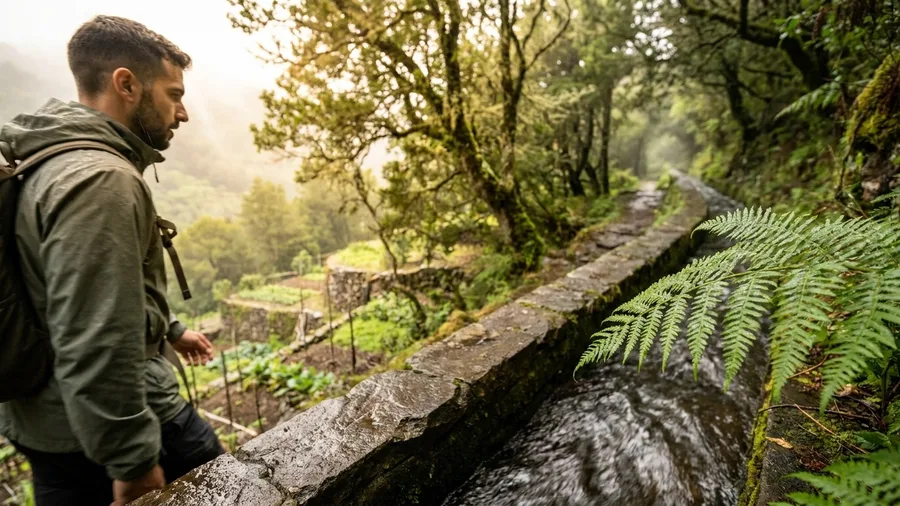
Around $120 a night buys a comfortable hotel in Funchal, and the reward for that mid-range price is a different kind of winter altogether. Madeira runs milder than the Canaries at 18-19 Celsius (64-66 Fahrenheit) in January and February, greener and softer, with showers that come and go rather than a fixed forecast. Funchal makes the easy base, warm enough for a terrace lunch and close to the trailheads that matter.
The levada walks follow old irrigation channels cut into the hillside, water running beside you the whole way, laurel forest above and terraced gardens below. The best hour is early, first light to about nine, before the day-trippers arrive at the popular routes and while the mist is still lifting off the ridges. Go late and you spend the walk in a queue on a path one person wide.
A light waterproof belongs in your pack, not your suitcase. The rain here is frequent and brief rather than a lost day, and the channel paths stay walkable between showers, which is why this beats a beach-only plan when the weather turns. Walkers and gardeners get the most from it; if you came for sunbathing, this is a different trip.
💡 Tip: Check the trail conditions before you set out; some levada paths close after heavy rain, and the mountain weather can differ from Funchal's.
6. Photograph the Algarve from Ponta da Piedade
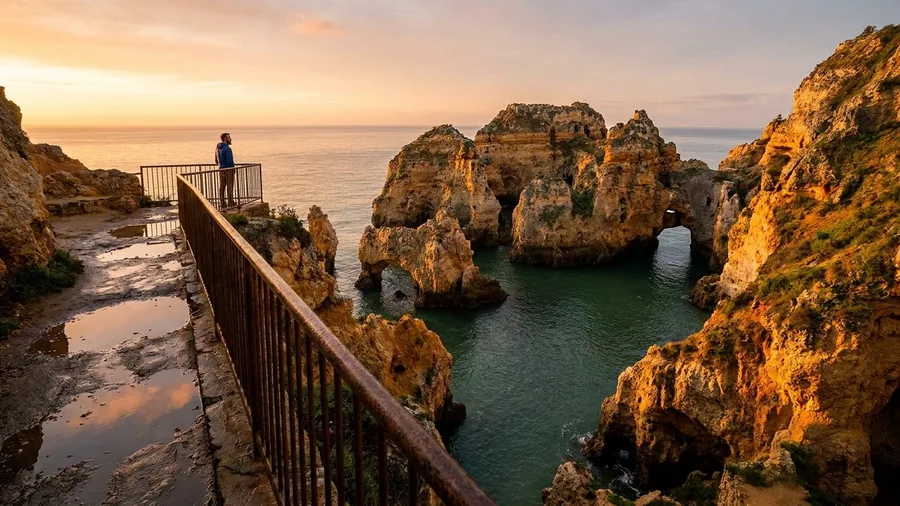
If your winter budget is the deciding factor, this is your coast. The Algarve in January and February runs 16-17°C/61-63°F with five to six hours of sun a day, which makes it mild rather than warm, but it comes with the cheapest bed on this list and none of the summer crowd. A guesthouse in Lagos costs around $85 a night, a fraction of what the same room fetches in August, and the clifftop footpaths that are shoulder-to-shoulder in July are yours alone.
The sea sits at about 15°C/59°F, so treat swimming as a dare rather than a plan. The photograph you came for is at Ponta da Piedade, the ochre rock stacks and sea arches just south of Lagos: walk the clifftop path from the town, roughly half an hour, and stand at the western railings as the sun drops in the late afternoon, when the limestone turns amber and the tour boats have gone home. Then find a sheltered beach cove, eat a grilled fish lunch for under $15, and walk back with nobody in front of you.
Beach Base or City Base?
Beach base
- Tenerife south coast: reliable sun, resort ease, about $140/night
- Corralejo, Fuerteventura: long beaches, wind, about $90/night
- Playa Blanca, Lanzarote: sheltered coves, volcanic walks, about $95/night
City base
- Las Palmas, Gran Canaria: real city life, about $110/night
- Seville: sunny terraces, cold nights, about $95/night
- Valletta, Malta: compact sightseeing, about $100/night
7. Weigh Seville's Famous Sights
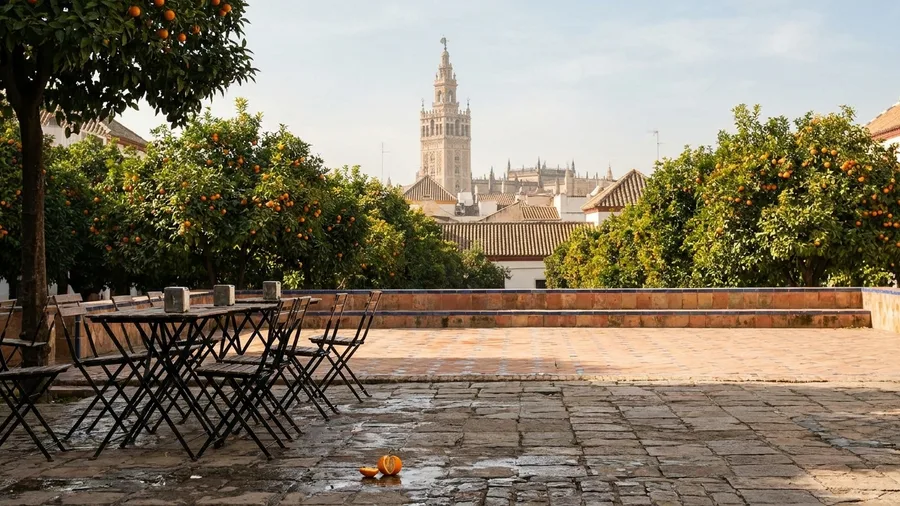
Book the Alcazar for a specific morning slot before you fly, because Seville in February is a city of queues with a short warm window, and the two together punish anyone who wings it. The cathedral and the Real Alcazar are the two headline sights, and each can swallow two hours. Skip the tower climb if the line wraps the courtyard; the view from the Giralda is good, not unique.
The weather is the reason to come now rather than in April. January and February highs sit at 16-17°C/61-63°F with roughly six hours of sun, which is precisely enough for a terrace lunch in a jacket you take off by two. Nights drop to 6-8°C/43-46°F, and that is real cold at ten in the evening, so you plan dinner indoors or under a heater and save the late walk for the next morning.
Central apartments run about $95/night, which puts the city between the coast's cheap rooms and the islands' resort rates. You are not paying for a sea view. You are paying to step out of a door onto orange trees, tiled patios and tapas counters, with the cathedral bell counting the hours above your head.
Seville is the choice for anyone who would trade a beach for architecture and food, and the trade runs both ways: you get the Alcazar's courtyards and the Triana tapas bars, and you give up the sea entirely. The pace is urban, walked on foot between neighborhoods, and the sightseeing is worth the queue more than most famous buildings are, provided you buy the timed entry and go early.
The mistake is packing for the brochure. Bring a proper coat for the evenings and a light layer for the afternoons, and treat the middle of the day as your outdoor block. Weather that mild rewards the traveler who plans around the sun rather than assuming it.
💡 Tip: Many Seville monuments close for a few hours at lunch; check current hours and build your day around the closures.
Seville in Winter — At a Glance
🌡️ Daytime high
16–17°C / 61–63°F
🌙 Night temperature
6–8°C / 43–46°F
☀️ Sun hours
About 6 a day
🏨 Typical stay
About $95/night
🏛️ Book ahead
Alcázar and cathedral tickets
Best hour
Lunchtime to mid-afternoon is when the terraces are warmest and the light is best for photos.
8. Duck into Mdina's Silent Streets
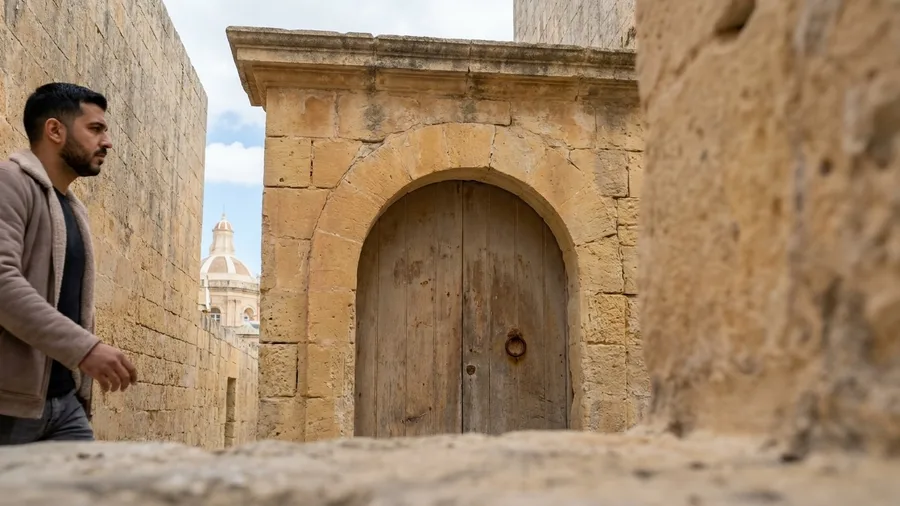
The first thing you notice walking through the Mdina gate is how quiet it goes; the stone walls hold the sound in, and by mid-afternoon the coach groups have left you and a handful of others in streets that seem to belong to the past.
Malta averages 15-16°C/59-61°F in January and February with about five hours of sun, and the sea sits near 15°C/59°F, so this is a sightseeing island, not a swimming one. The whole place is small enough to cover without a car: walled cities, harbors and prehistoric temples sit within short drives, and a Valletta hotel runs around $100/night for a walkable base. Mdina is the strange, cheap hour in the middle of that: a walled former capital, silent and small, that costs nothing to wander and gives you a coffee and a view over the island in twenty minutes of walking.
🧳 How to Book a Warm Winter Break
Pick your warmth
Decide whether you need 21–22°C (Tenerife) or can live with 15–16°C (Malta, Algarve).
Choose beach or city
Beach bases suit resort ease; city bases like Las Palmas or Seville give you restaurants and culture.
Set a nightly budget
Typical winter stays run from about $85 to $140 a night, so this narrows the list fast.
Check half-term dates
February school holidays push Canary Island prices up; avoid that week if you can.
Book flights and stay together
Compare package and separate bookings; winter sun routes often price better as a package.
9. Watch Winter Birds in Paphos
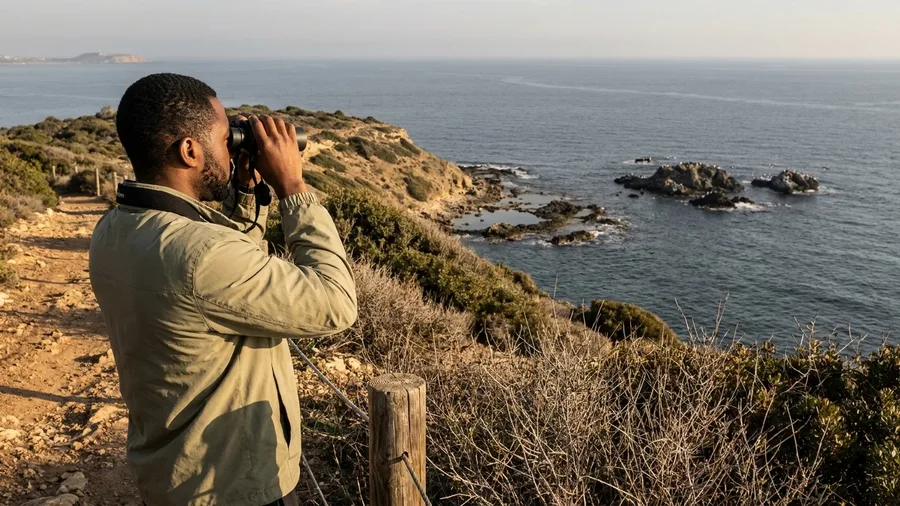
Paphos is the eastern Mediterranean's most dependable winter sun on this side of the map. January and February highs reach 16-17°C/61-63°F with about six hours of daily sun, and the sea holds near 17°C/63°F, which is warmer than anywhere else in this list but still too cold for casual swimming. Plan sunshine and ruins, not beach days.
The seafront hotel runs about $90/night, and the promenade and the archaeological park of Kato Paphos sit within easy walking distance of each other. That is the deal here: you get up, walk the coast, and spend the middle of the day among Roman mosaics and tombs, not on a towel.
The winter birdlife is the reason to carry binoculars. The wetlands and coastal pools around the island fill with migrants this time of year, and the likelihood of seeing something worth a stop is good if you go early and patient, honest if you go at noon and rush.
Frequently Asked Questions
Which of these places is genuinely warm in January and February?
Tenerife's south coast is the warmest, with daytime highs of 21–22°C and about four to six hours of sun. Gran Canaria, Lanzarote and Fuerteventura sit just below at 20–21°C, so they are close alternatives.
Can you swim in the sea in winter?
Only briefly. Sea temperatures range from 15°C in the Algarve and Malta to 19°C in Tenerife, which is cold for most people. Treat swimming as a quick dip, not a long float.
How much does a winter week cost?
Typical winter stays run from about $85 to $140 per night depending on the place and the base. The Algarve and Fuerteventura are the cheapest, while Tenerife's south coast is the most expensive on this list.
Do I need a car?
On Tenerife, Gran Canaria, Lanzarote, Fuerteventura and Madeira, a car for two or three days gives you the best beaches and walks. In Seville, Malta and Paphos you can rely on buses, taxis and walking.
When is the best time to book?
Book as early as you can for February, and avoid the school half-term week when Canary Island prices rise sharply. Midweek flights are usually cheaper than weekend ones.
Is it worth going for just a long weekend?
Yes, if you pick a short-flight destination like Seville or the Algarve. For the Canaries and Cyprus, four or five nights gives you a better return on the flight time.
Pick Your Warm Base and Book
Match the place to the break you will actually use. Pure sun-seeker: Tenerife first, Paphos as the eastern alternative. City-breaker: Seville, Gran Canaria's Las Palmas or Malta. Walker: Madeira, Lanzarote or Fuerteventura. Budget traveler: the Algarve, Fuerteventura or Paphos.
Before you book the warmest option that fits, price February half-term flights and hotels. That week runs higher, and moving your dates a few days often buys an extra night. The escape was never the hottest dot on the map – it was the terrace where the coffee comes and the jacket stays on the back of the chair.
Check your dates before you book
Compare February half-term prices against the week before or after, then book the warmest place that still fits your nightly budget.