Which Colorado hike fits your one free day? The one with a small lot you can actually park in and a view as good as the famous one three miles down a different road.
The default list writes itself: Mount Evans and Bierstadt, Red Rocks and the Flatirons, St. Mary's Glacier, Brainard Lake, Hanging Lake, Bear and Emerald, Maroon Bells. Everyone in Denver has heard those names, and on a summer Saturday most of them are at the same trailhead at the same hour.
So the famous trailhead becomes the bottleneck, and the local answer is usually a smaller lot, a shorter approach, or a longer drive to a quieter lake or ridge. These eight picks carry round-trip distance, elevation gain, drive time from Denver, and the hiker each one fits, so you choose by time, fitness, and how much driving you will tolerate rather than by reputation.
By the end you can pick a shortest big-view day, a shaded half-day, or a high-alpine full day, and you know the routine: start early, carry layers, and check current trailhead access before you leave.
Quick Tips Before You Start
Leave by 6 a.m.
Trailhead lots on I-70 and in Boulder County fill early. An extra 30 minutes of driving beats circling for parking.
Carry two liters
Even short hikes at 10,000 feet dehydrate you faster than you think. Drink before you feel thirsty.
Pack a wind layer
Summits and ridges run 15–20 degrees cooler than Denver. A light shell makes the difference.
Check for permits
Some trailheads require reservations or fees. Look up current access the night before you go.
1. Chief Mountain for a Quick Treeline Fix
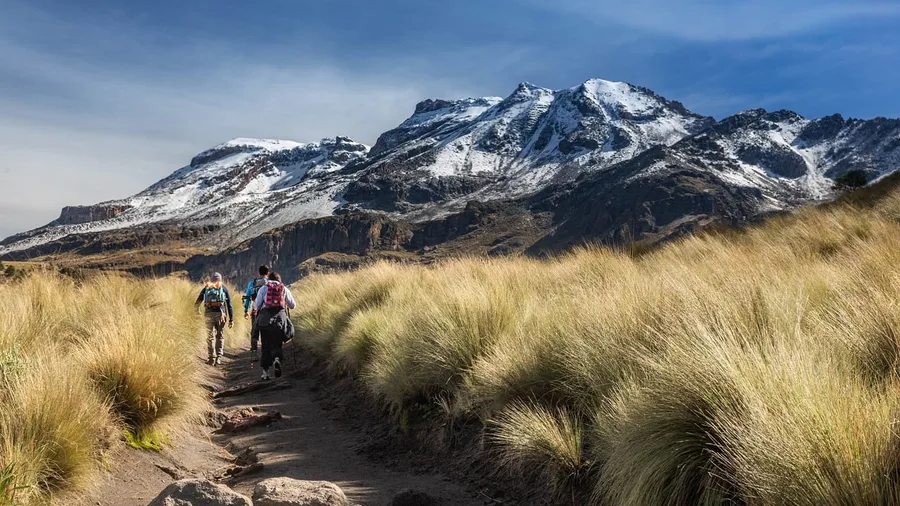
The Squaw Pass trailhead parking area is small, and on a summer weekend it fills before eight in the morning. Arrive late and you will be circling a gravel lot on a mountain road with no shoulder to spare.
Chief Mountain is 3.0 miles round trip with about 1,050 feet of gain, and the summit sits near 11,700 feet. You reach the trailhead in roughly 50 minutes from Denver via Evergreen, climbing out of the trees onto open tundra where the whole Front Range opens up behind you.
This is the hike that replaces the Mount Evans and Bierstadt quick-summit routine. You skip the Mount Evans corridor traffic and the long approach, and what you trade for it is a shorter, steeper push from a smaller trailhead. Allow two to three hours. You get above treeline without the 14er pack list, and you go home with a real summit rather than a badge.
💡 Tip: Park in the lot off Colorado 103, not on the shoulder. The road is narrow and cars get ticketed.
| Hike | Round trip | Elevation gain | Drive from Denver | Replaces | Best for |
|---|---|---|---|---|---|
| Chief Mountain | 3.0 mi | ~1,050 ft | ~50 min | Mount Evans corridor | Quick treeline summit |
| Mount Falcon Castle Trail | 6.7 mi | ~1,000 ft | ~35 min | Red Rocks / Flatirons | Close-in history and views |
| Walker Ranch Loop | 7.7 mi | ~1,500 ft | ~50 min | Flatirons crowds | Shaded creek miles |
| Herman Gulch Trail | 6.5 mi | ~1,700 ft | ~1 hr | St. Mary's Glacier | Wildflower alpine lake |
| Arapaho Glacier Trail | 7.0 mi | ~1,800 ft | ~1 hr 15 min | Brainard Lake | Glacier views, high start |
| Booth Lake Trail | 9.4 mi | ~3,000 ft | ~1 hr 45 min | Hanging Lake | Steep, quiet lake |
| Blue Lake Trail | 4.4 mi | ~800 ft | ~2 hr 15 min | Bear Lake / Emerald Lake | Easy alpine lake, families |
| Crag Crest Trail | 10.3 mi | ~1,500 ft | ~3 hr 45 min | Maroon Bells | High ridge walk, full day |
2. Mount Falcon Castle Trail for Front-Range History
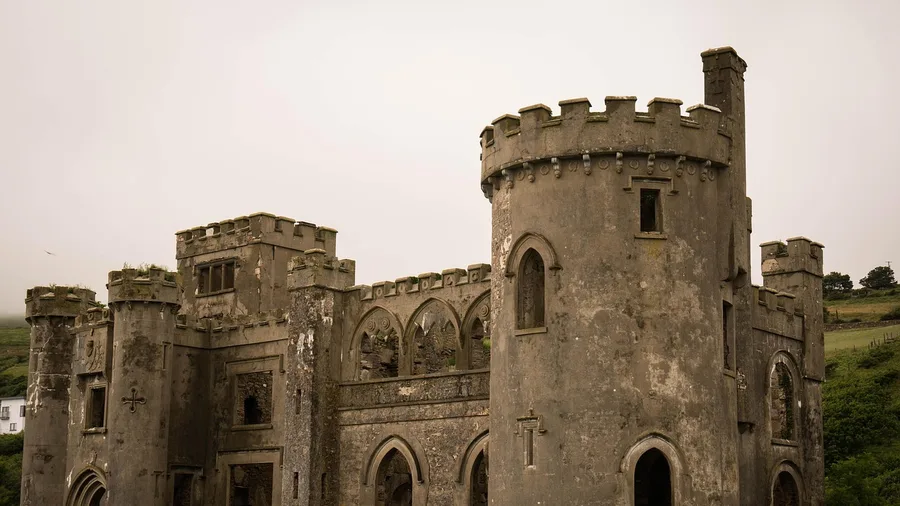
Mount Falcon Castle Trail is a 6.7-mile loop out of Morrison, about 35 minutes from Denver.
The route threads past the stone ruins of a turn-of-the-century mansion, crosses open meadow, and opens onto Denver city views from the foothills. Parking pressure at Mount Falcon is a fraction of what you find at Red Rocks or the Flatirons, so this is the close-in backup when the iconic lots are already full. Gain is roughly 1,000 feet, which makes it a half-day for most hikers. Deer are common on the meadow sections at dusk; elk move through the lower slopes in fall and winter. Give them distance and stay on the trail.
3. Walker Ranch Loop for Shaded Creek Miles
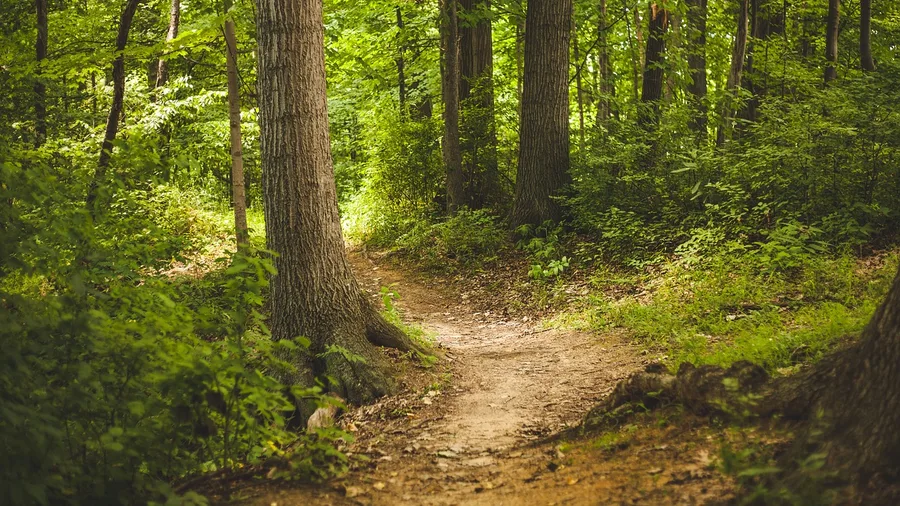
Zero dollars to hike, 25 minutes from Boulder, and 50 from Denver: the Walker Ranch Loop is the local answer to the Flatirons crowd, and it costs nothing but the drive.
It runs 7.7 miles around, with roughly 1,500 feet of gain spread across the whole loop rather than stacked in one punishing push. You drop into a canyon of ponderosa pine, follow the creek through several crossings on log and stone, and pop out on the far rim before beginning the climb back.
What you trade is the exposed, sun-baked scramble of Royal Arch and the Flatirons for shade and flowing water. On a 90-degree afternoon in July, that trade feels obvious.
It suits strong half-day hikers who want miles under their boots and are not chasing a summit photo. The 7.7 miles is the cost; shaded creek walking is the reward.
Parking is at the trailhead off Flagstaff Road, and the lot closes when it fills. Go on a weekday morning or accept the walk in. No pass, no fee, no reservation.
💡 Tip: Bring trekking poles for the creek crossings—the rocks are slick even in dry weather.
Famous Trail vs. Local Alternative
The Famous Trail
- Parking full by 7 a.m.
- Reservation or shuttle required
- Steady stream of hikers
- Photo spot with a line
- Gear-intensive for big objectives
The Local Alternative
- Lot rarely fills before 9 a.m.
- No reservation needed
- Quiet stretches between groups
- View without the queue
- Shorter approach or simpler logistics
4. Herman Gulch Trail for Wildflower Alpine Lake
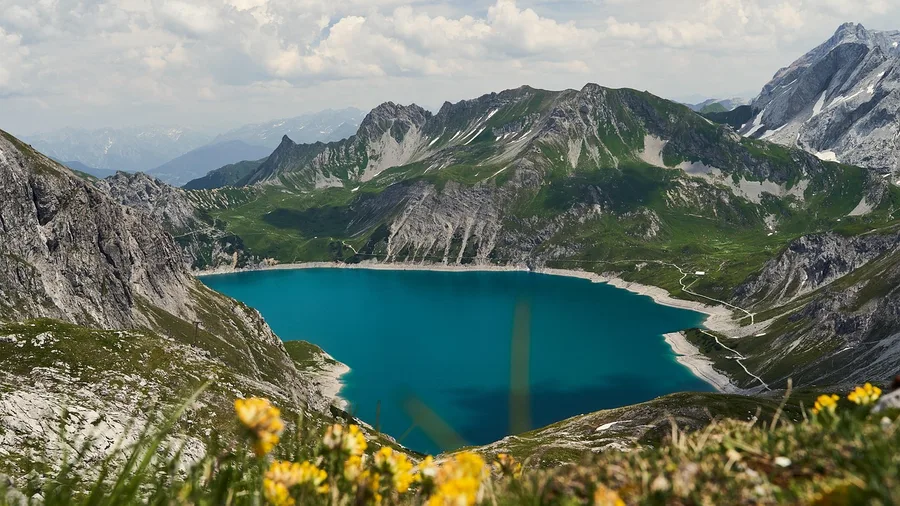
The first thing that hits you at the Herman Gulch trailhead is the cold. It comes off the valley in a steady draft even in July, smelling of wet rock and pine, and you will be reaching for the fleece you almost left in the car before you have walked fifty yards. This is the I-70 answer for a hiker who wants cooler air, wildflowers, and a lake at the top of a climb rather than a canyon loop, and it starts with an hour's drive from Denver near Georgetown, right off the interstate.
The route is 6.5 miles out and back with about 1,700 feet of gain. There is no scrambling and no route-finding to speak of, so the whole cost of the day is simply that the trail keeps going up. Early summer brings the wildflower show, paintbrush and columbine crowding the bank on the long switchbacking middle section, and the valley stays deep enough that the crowds thin out once you pass the first clearing. Give it a full morning.
What you get for that continuous uphill is a high alpine lake sitting below the ridgeline, cold and green-edged, with a whole lot of room around it. That is the thing the famous glacier trail cannot offer: nobody is queuing for a turn at the shoreline. Come cool, come early, and bank on steady effort over technical difficulty.
💡 Tip: Bring a filter—the lake is tempting but you shouldn't drink straight from it.
The best Colorado hike is the one where you spend more time walking than parking.
— What locals keep saying
5. Arapaho Glacier Trail for Glacier Views
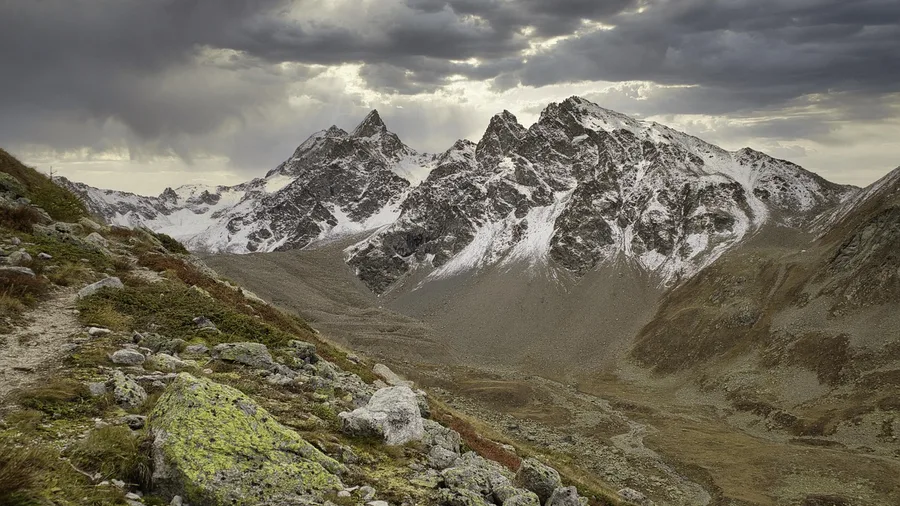
You can, and the catch is the trailhead itself, because the Fourth of July trailhead above Nederland already starts you near 10,000 feet, which is the real filter on this one. The climb runs 7 miles round trip with about 1,800 feet of gain, roughly an hour and fifteen minutes from Denver via Nederland.
Allow for acclimation, not heroics. The distance is modest; the altitude is what decides whether you enjoy it, so give yourself a day at elevation before you drive up, drink more than you think you need, and turn around if your head starts to pound. Get to the overlooking bench on a clear morning and the glacier fills the basin below, far quieter than any front-country lake shoreline.
⚠️ COMMON MISTAKE
Don't Overlook the Trailhead Elevation
Several of these hikes start above 9,000 feet. If you're driving up from Denver the same day, drink extra water and take the first mile slower than feels natural.
6. Booth Lake Trail for a Steep Quiet Lake
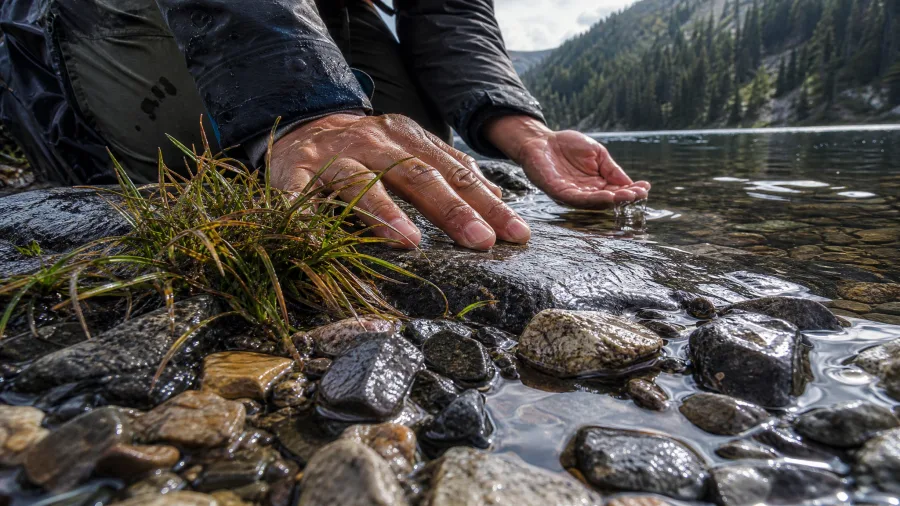
Go to Booth Lake if you want the hard version of a lake day. It sits near Vail, about an hour and forty-five minutes from Denver, and the honest trade is this: 9.4 miles round trip with roughly 3,000 feet of gain, up through forest the whole way, for a lake that hands you almost no company at the top. That is the point. Where the short famous boardwalk walk delivers a crowd and a quick photo, this delivers a climb and a quiet edge to sit on.
The gain is the day's main cost, 3,000 feet of it, so a full morning and an early start are not optional. Leave with the first light and you will finish before the afternoon storms build. There is far less traffic because there is far less easy; the trail earns its silence.
Budget the time at the top, though, not just the time on the way up. Sit by the water for an hour and do nothing, let your legs recover, watch the light cross the far slope. That hour is what you paid the climb for. Start early, carry layers, and check that the trailhead access is open before you commit.
🥾 How to Pick a Local-Style Colorado Hike
Check your free time
Two hours? Chief Mountain. Half a day? Walker Ranch or Mount Falcon. Full day? Crag Crest or Booth Lake.
Match the drive
Closer trails start in 35–50 minutes; farther ones stretch to 3 hours 45 minutes. More driving usually means fewer people.
Assess the gain
Under 1,000 feet is family-friendly. Over 2,000 feet demands fitness and an early start.
Check trailhead access
Some lots require fees or reservations. Look up current conditions the night before.
7. Blue Lake Trail for an Easy Alpine Lake
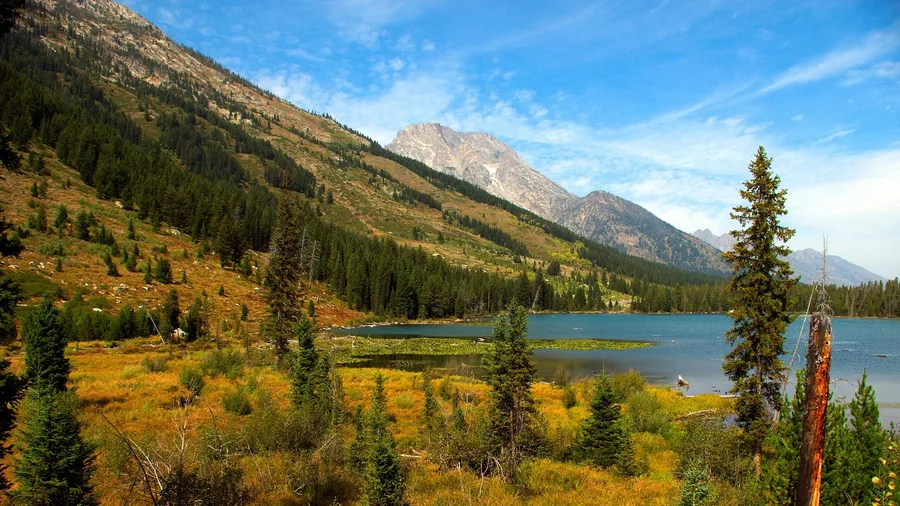
Up at Cameron Pass the water sits so still at dawn that the willows and the last of the night sky are doubled in it, and the loudest thing you hear is your own boots on the gravel of the shoreline.
Blue Lake Trail is 4.4 miles round trip with about 800 feet of gain and roughly 2 hours 15 minutes of driving from Denver, and that long drive is exactly what buys you an alpine lake without the switchback conga line. Fewer than seven hundred feet short of nine hundred, the climb never leaves you gasping; it is a walk, one that puts a family with a nine-year-old and a hiker who has not been out since April on the same shoreline at the same time, and roughly a tenth of the vertical ask of the steep forest lakess farther up the high country.
Come for the easy grade and the quiet: this is the alpine-lake payoff for families and casual hikers willing to trade windshield time for switchbacks. It is not the hike for someone who wants a summit, a scramble, or a lake at mile one, and 2 hours 15 minutes each way is a genuine day's commitment, so leave early enough that you are back over the pass before the afternoon builds.
Drive Time vs. Crowd Level
Crowd estimates based on typical summer weekend use; conditions vary.
8. Crag Crest Trail for a High Ridge Walk
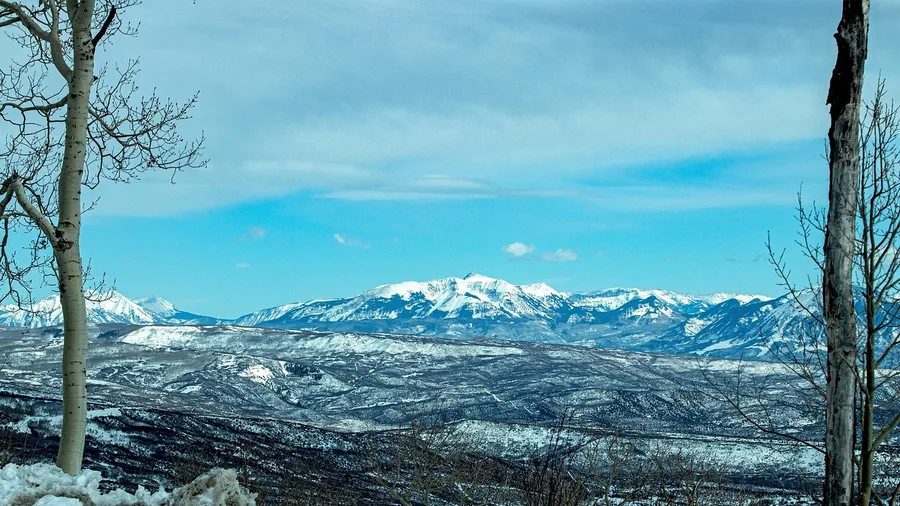
An easy shoreline that pays you back for a long drive is a fine thing; the next step is to spend the longest drive in this whole list on something you have to work all day for, and get a ridge instead of a lake. Crag Crest Trail sits on Grand Mesa, 10.3 miles in a loop with about 1,500 feet of gain and roughly 3 hours 45 minutes of driving from Denver, and it hands you a narrow volcanic spine that runs above 10,000 feet for miles. Maroon Bells gives you a lake view and a queue for the same photograph; this gives you a long ridge and no queue at all.
The hour is the whole trick. Start early, because the ridge is exposed and the afternoon storms on Grand Mesa arrive on schedule, and because the light on the volcanic rock at first sun is the reason to be up there at all. Start late and you get a hot, windy walk with weather building behind you.
It suits hikers with a full day and a taste for distance over a photo stop, and it does not suit anyone with a short window or a low tolerance for driving. At 3 hours 45 minutes and 10.3 miles, this is the highest time-and-drive price on the list, paid on purpose for a quiet high ridge.
💡 Tip: Bring a map—the ridge section is marked but the trail junctions can be confusing.
Frequently Asked Questions
Are these hikes less crowded than the famous ones?
Generally yes, especially on weekdays. But none are secret—trailheads like Herman Gulch and Arapaho Glacier still fill on summer weekends. The difference is you're not competing with a shuttle bus of tourists.
Do I need a reservation for any of these trailheads?
Some do require fees or reservations, especially in national forest areas. Check the specific trailhead the night before. Mount Falcon and Walker Ranch typically don't require reservations, but parking fees may apply.
Which hike is best for families with young kids?
Blue Lake Trail is the easiest, with only 800 feet of gain and 4.4 miles round trip. Mount Falcon is also family-friendly but longer at 6.7 miles. Avoid Booth Lake and Crag Crest unless your kids are experienced hikers.
What's the best time of year for these hikes?
Summer and early fall are best. Wildflowers peak in July at Herman Gulch. Higher trails like Arapaho Glacier and Crag Crest may hold snow into June. Check conditions before you go.
How do I avoid afternoon thunderstorms?
Start early—most storms roll in after 1 p.m. in summer. Aim to be off exposed ridges and summits by noon. Carry a rain shell even on sunny mornings.
Which of These Eight Fits Your Day?
Sort by situation, not fame. Shortest big-view day: Chief Mountain, 3.0 miles round trip, 1,050 feet of gain, 50 minutes from Denver, a summit near 11,700 feet. Shaded half-day: Walker Ranch Loop, 7.7 miles, 1,500 feet, 50 minutes from Denver or 25 from Boulder. High-alpine full day: Crag Crest, 10.3 miles, 1,500 feet, 3 hours 45 minutes on Grand Mesa. The other five fill the gaps: Mount Falcon for close-in history, Herman Gulch and Arapaho Glacier for I-70 alpine mornings, Booth Lake for a steep quiet lake, Blue Lake for an easy alpine drive.
The famous names still mark the same crowded corridors. Your day gets chosen by matching drive time and effort to the hours you actually have.
So decide tonight: start early, carry layers, and check current trailhead access before you leave. Then drive past the full lot and take the other road.
Ready to Pick Your Hike?
Scan the table at the top, match the drive and gain to your day, and set your alarm. The trailhead is waiting.