Most people spend January pricing Caribbean flights, watch the fares come back at four figures, and quietly give up on the whole idea. The contrarian move is to stay domestic and stop treating January as one weather story, because it isn't. Key West reaches 75F while Park City carries a 40+ inch base, and New Orleans opens King Cake season on January 6.
You have a long weekend or a week, gray light pressing on the windows at home, and a domestic trip in mind that delivers sun, snow or festival color instead of another overcast city.
Twelve places follow, each with its January high, its event timing, and enough cost to act on: $250-$450 round-trip airfare, $180-$320 midrange hotels, $25-$75 event tickets where they apply.
Pick by situation – warm sun, snow, city and festival, or national park – then book the tightest window first. Key West Literary Seminar, Sundance and Tucson gem-show lodging want 6-10 weeks of lead time, and the calendar is already running.
Quick Tips Before You Start
Pack layers everywhere
Desert and mountain mornings run 20–40°F even on days that hit the sixties by noon.
Book events first
Sundance, the Key West Literary Seminar and Tucson gem-show lodging need 6–10 weeks of lead time.
Check the park pass
Death Valley and Big Bend both charge $25–$35 per vehicle, so carpool if you can.
Pick by brightness, not temperature
A 43°F day in Santa Fe under clear light beats a 60°F day under low cloud.
Budget in three lines
$250–$450 airfare, $180–$320 a night hotel, $25–$75 an event ticket. That is the trip.
1. Key West for Warm Sun and Literary Talks
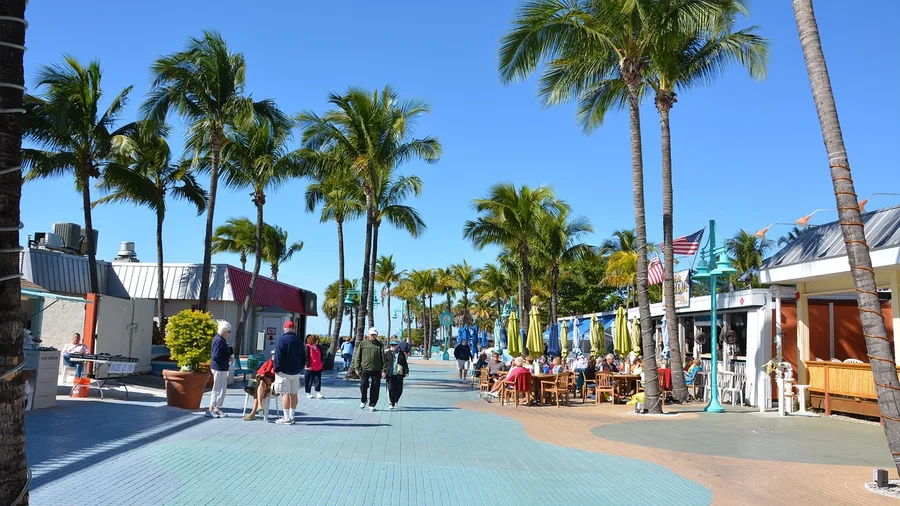
Every other warm option on your January list asks you to rent a car, drive to a trailhead or a beach lot, and spend half the daylight getting to the thing you came for. Key West asks nothing of you. Book a room within a few blocks of Duval Street and the whole trip happens on foot.
The typical January high here is 75F, the warmest number in this entire set, and the warmth arrives with sea air rather than the sealed-in heat of a resort compound. You walk out in the morning and the air is soft. You walk back at dusk and it is still soft. What breaks the gray is not a pool deck; it is a town you can cross in twenty minutes with the temperature holding steady the whole way.
The mid-January hook is the Key West Literary Seminar, a few days of panels and readings that give the warm-weather trip a scheduled reason to leave the porch. Tickets typically run in the $25-$75 range per event, and the seminar draws enough people that lodging near the action tightens up: reserve 6-10 weeks out, not the week before. Figure $250-$450 round trip to fly in and $180-$320 a night for a midrange hotel, which puts a long weekend squarely in reach.
This is the pick for sun seekers who want a walkable town and a calendar, not a beach chair and nothing else. If you would rather do than lie down, you have found your week.
💡 Tip: If seminar week is sold out, book the same week anyway. The town is at its best and the calendar is already busy.
| Place | January high | Why it beats the gray | Best for |
|---|---|---|---|
| Key West, FL | 75°F | Warm air, walkable town, mid-January literary seminar | Sun seekers who want a town |
| Tucson, AZ | 66°F | Dry desert air plus late-January gem show | Rockhounds and dry-sun seekers |
| San Diego, CA | 66°F | Mild coastal walking, no offshore flight | Walkers and families |
| Charleston, SC | 60°F | Historic streets plus mid-January Restaurant Week | Food-led weekends |
| Park City, UT | 34°F | 40+ inch base and late-January Sundance | Skiers who want a film scene |
| Jackson, WY | 27°F | Deep snow and snow-covered Teton views | Skiers and photographers |
| Lake Tahoe, CA/NV | 43°F | Snow sports plus clear lake views, two states | Skiers and scenic drivers |
| New Orleans, LA | 62°F | King Cake season from January 6 | Food and music travelers |
| Savannah, GA | 60°F | Walkable squares and January MLK observance | Slow walkers, architecture fans |
| Santa Fe, NM | 43°F | Clear dry light on adobe streets | Museum-goers who pack layers |
| Death Valley, CA | 67°F | Warmest park pick, hike without summer heat | Hikers and quiet seekers |
| Big Bend, TX | 63°F | Remote desert hiking far from cities | Hikers who want distance |
2. Tucson for Desert Sun and Gem Show Color
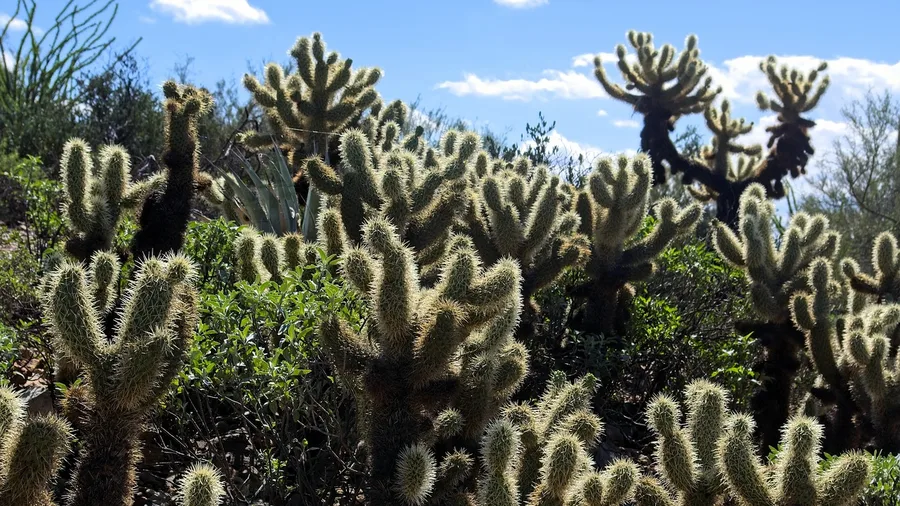
Tucson does, and the locals will tell you the trick is to treat the desert as the main event and the gem show as the bonus.
The typical January high is 66F, but the number undersells it, because dry desert air at 66F reads much warmer than humid air at the same figure. Locals hike Arizona desert trails in a t-shirt in January while everyone back home scrapes ice. Park entry runs about $25-$35 per vehicle, and the saguaro country just outside town is the reason to rent the car.
Then late January rolls into early February and the Tucson Gem & Mineral Show turns the whole city into a color-and-collecting event, with dealers and displays spread across multiple venues rather than one hall. Lodging gets tight for it, so book 6-10 weeks ahead. This is the trip for dry-sun seekers and rockhounds: 66F dry air plus a late-January gem show is a gray-breaker no beach town can match.
💡 Tip: Visit the national park in the morning and the show in the afternoon. Desert light goes flat by three.
3. San Diego for Mild Coastal Walks
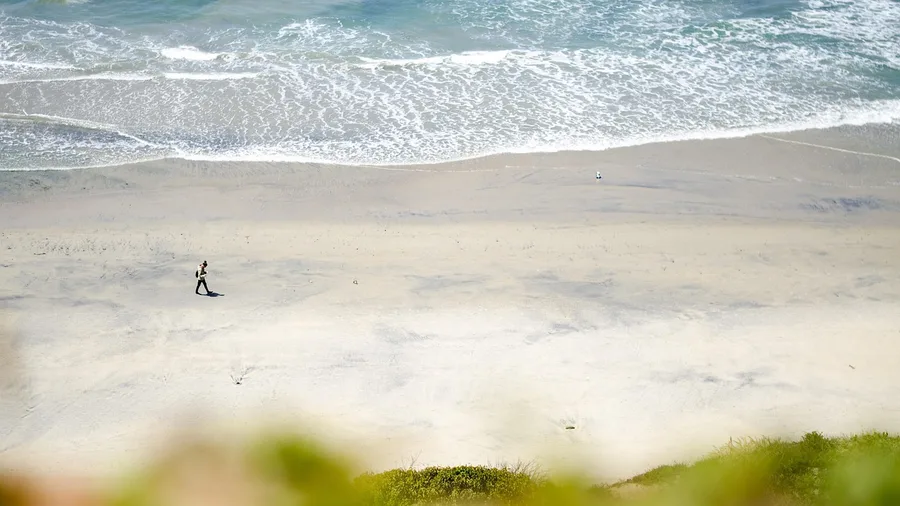
About $250-$450 round trip is what a domestic January flight to San Diego costs, which is the honest reason to consider it over a tropical trip: no passport, no long-haul flight, no jet lag on the way in.
The typical January high is 66F, mild enough that a coastal walk in the morning and city time in the afternoon both feel comfortable, and you never need snow gear or a heat plan. The draw is exactly that pairing: ocean air on the walk, restaurants and neighborhoods after it, no resort compound to trap you. Midrange hotels run $180-$320 a night, so a long weekend stays reasonable.
This is the pick for walkers and families who want mild without the offshore flight. You trade drama for usability, and in January usability is the whole point.
4. Charleston for Cool but Bright History
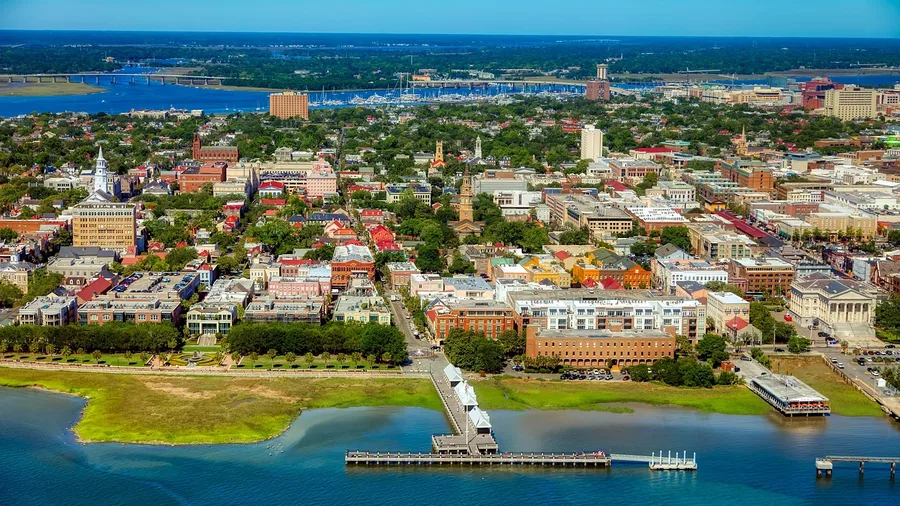
Cold brick radiates back at your hand as you walk the seawall, and the winter light off the harbor is white and hard, not gray. Charleston's typical January high is 60°F, cool enough for a coat but bright enough that the historic streets are a place to be, not a thing to get through.
Food is the reason to pick the dates: Charleston Restaurant Week falls in mid-January, when kitchens across the peninsula put out fixed menus and reservations become the thing you plan the day around. Midrange hotels run $180-$320 a night, so a long weekend of streets and tables fits a normal budget. This is the food-led southern city break in cool-but-bright weather, and the gray-breaker is 60°F streets paired with the mid-January Restaurant Week.
5. Park City for Snow and Sundance
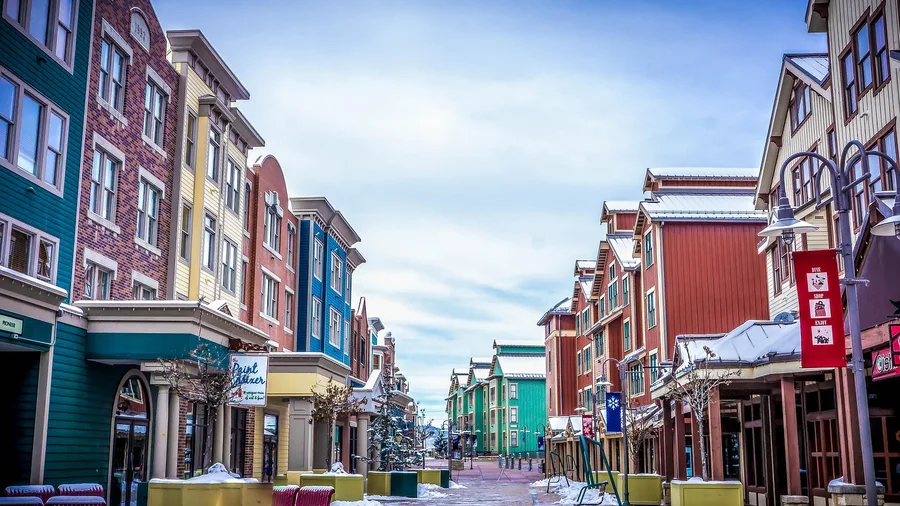
The first thing that registers is the sound of your boots on packed snow and then the scrape of a board behind you in the lift line. Park City's typical January high is 34°F with a base that holds 40+ inches, so the snow is the point, not a gray backdrop you wait out.
Sundance runs late January and the festival is the famous part, with tickets around $25-$75 and Main Street shoulder to shoulder in the evenings. Here is the honest read: the queues and the lodging crush are worth it once, but book 6-10 weeks ahead and expect midrange hotels at $180-$320 a night. It suits skiers who want a film scene, and the gray-breaker is that 34°F, the 40+ inch base and the late-January festival.
💡 PRO TIP
Book the Festival Before the Flight
Sundance tickets, Key West Literary Seminar seats and Tucson gem-show lodging all want 6–10 weeks of lead time. Lock the event, then price the airfare around it.
6. Jackson for Deep Snow and Quiet
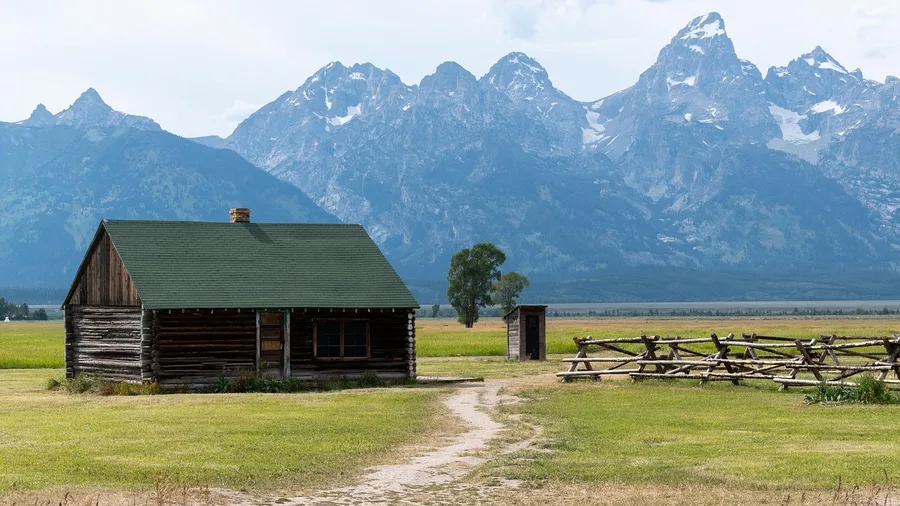
Know before you go that 27°F is the coldest January high here, and the cold is the trip rather than a problem with it. Pack the layers, keep the day short on exposed ground, and the reward is a landscape washed clean white on winter hikes that don't require snowshoes.
The photograph is the snow-covered Teton range, best shot in the early morning before the valley warms and the peaks go flat. That view gives a photographer a bright frame even in cold air, which is the whole argument for a snow trip that replaces gray.
Midrange hotels run $180-$320 a night, and the January mood is quieter than a festival mountain, so skiers and photographers avoiding crowds get the deep winter without the crush. The gray-breaker is 27°F and those snow-covered Teton views.
💡 Tip: Pack a face covering, not just gloves. The wind at elevation is what actually gets you.
Lake Tahoe — At a Glance
🌡️ January high
43°F
🌅 Morning low
20–40°F
🏂 The draw
Snow sports plus lake views
🗺️ Two states
California and Nevada
🏨 Midrange hotel
$180–$320 a night
Packing note
Layers matter every morning even when the afternoon turns mild. The desert-and-mountain 20–40°F rule applies here too.
7. Lake Tahoe for Snow and Blue Water
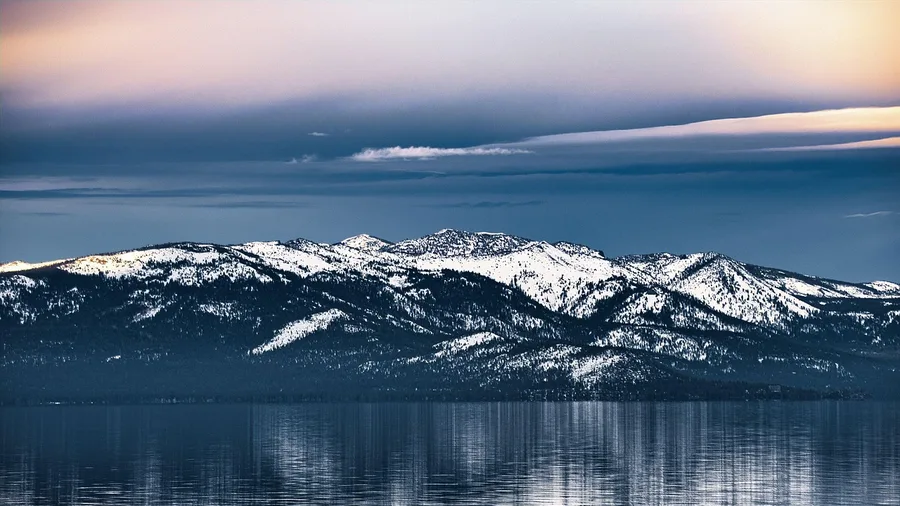
Lake Tahoe is a winter trip that refuses to be only a ski trip.
In January the basin runs a typical high of 43°F, which is mild enough to drive the full loop with the windows down at noon and still cold enough that the snowpack holds on the slopes above you. That is the trick of the place: you get the skiing and the snowshoeing, and between runs you get a lake so blue it reads as a color you did not think water came in. The shoreline sits in two states, so a single day can take you from the California side to the Nevada side and back, with casinos and cheap breakfast on one end and national forest on the other.
Mornings at elevation run 20-40°F, so pack layers even when the afternoon forecast looks kind; the cold is a clothing problem, not a reason to stay in. Plan on midrange hotels at $180-$320 a night and round-trip airfare around $250-$450. This is the easiest version of a snow trip to bring other people on, including the ones who would rather look at the lake than ride a lift.
8. New Orleans for King Cake Season
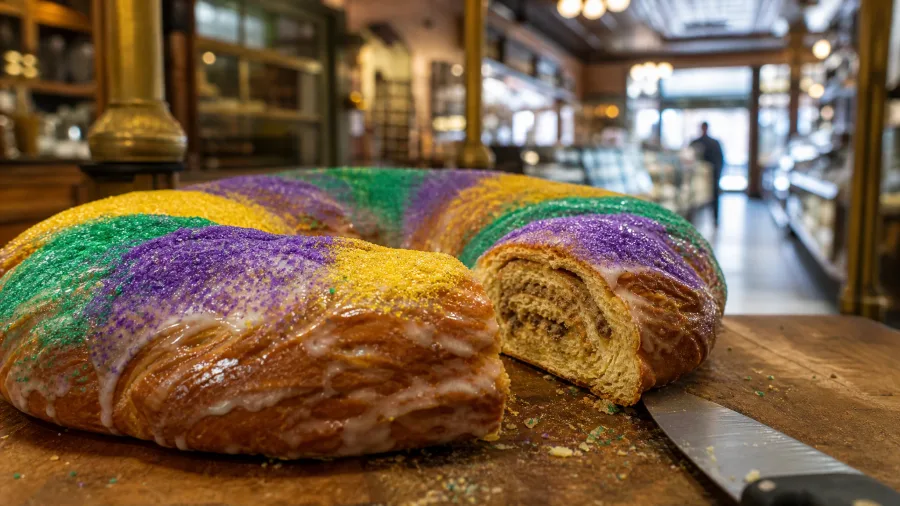
Go to New Orleans in January if you want the food and the music without the August sauna – but know that you are trading heat for chill, not for spring.
The typical high is 62°F, which is walking weather in a coat and not, repeat not, outdoor-bar-all-night weather. Some days it rains sideways off the river and the city looks exactly as gray as the one you flew out of. The reward is that January 6 starts King Cake season, so every bakery in town flips to purple, green and gold, and you can spend a morning chasing slices from shop to shop for a few dollars a piece. The calendar marker gives the whole trip a spine, and the music clubs do not care what month it is.
Midrange hotels run $180-$320 a night, and if you are allergic to cold, humidity or crowds, this is the wrong pick; the city is at its best for people who will walk in 62°F and eat their way through it. Book around the first week of January if you want the King Cake window before the crowds build.
Four January Events Worth Booking Around
9. Savannah for Mild Squares and MLK Weekend
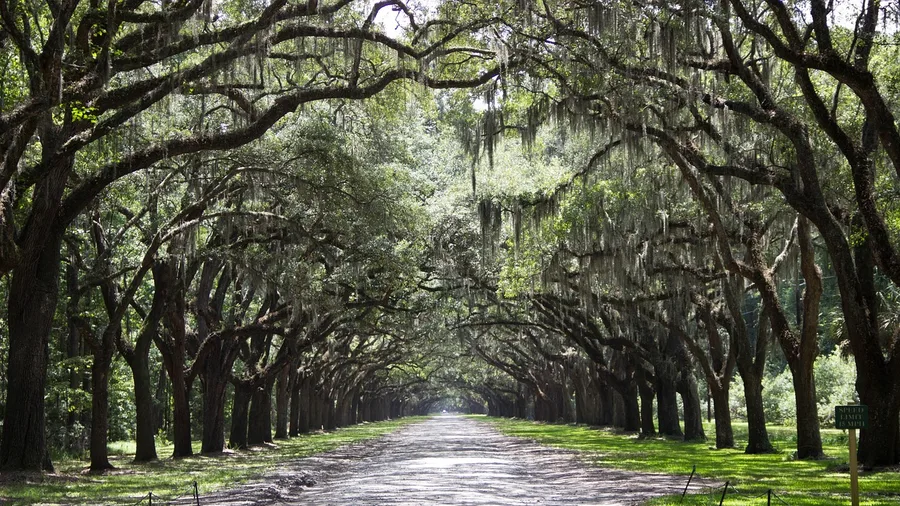
Savannah is the gentle southern version of a January city break, and it is worth paying a little more to do it slowly.
The typical high of 60°F is exactly right for strolling the historic squares one at a time, sitting on a bench under the live oaks, and reading a plaque or two before moving on. The city feels calmer than its bigger, louder neighbor down the coast, and the pace rewards the kind of traveler who would rather linger than tick off landmarks. If you can aim your trip at MLK observance, the weekend gives the city a timed civic center and a reason to plan around a date rather than drift.
Budget $180-$320 a night for a midrange room near the squares, and expect to pay a bit more for a nice dinner – the splurge here is the slower pace, not a single ticket. This suits slow walkers and architecture fans; if you need nightlife or beach weather, look elsewhere.
Which January Trip Are You Actually Packing For?
Packing the parka
- Park City: 34°F and a 40+ inch base
- Jackson: 27°F, the coldest high here
- Lake Tahoe: 43°F with 20–40°F mornings
- Book Sundance 6–10 weeks out
Packing the sunglasses
- Key West: 75°F and walkable streets
- Death Valley: 67°F, hike without summer heat
- Tucson: 66°F and dry desert air
- Santa Fe: 43°F days, clear dry light
10. Santa Fe for Clear Skies and Adobe Color
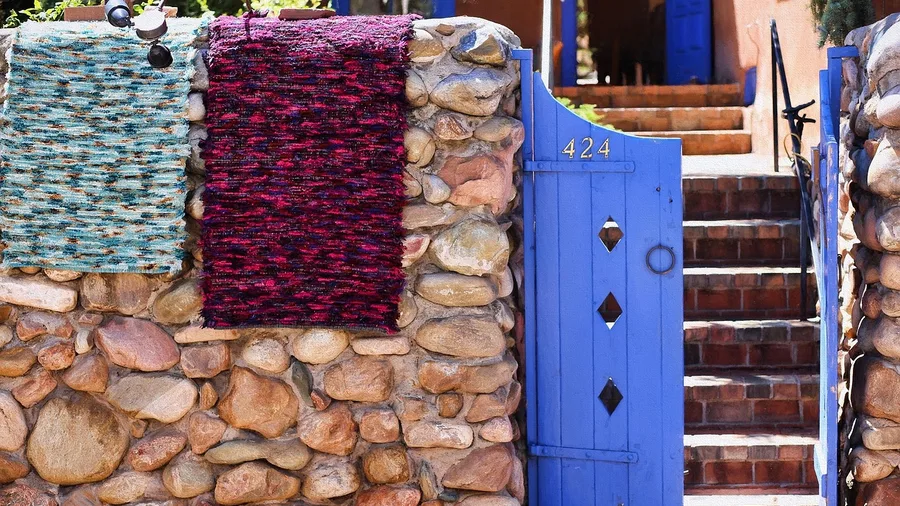
Santa Fe answers with 43°F days, dry air, and a sun that hits the adobe and turns it the color of a struck match.
This is the cold that does not read as gray. The sky stays hard blue from morning to dusk, the winter light is clear enough that museum windows throw sharp shadows across the floor, and the streets hold their color instead of draining to pavement. Mornings run 20-40°F, so you will want a real base layer, a hat, and gloves before you leave the hotel. The cold is a packing problem, not a weather sentence – solve it at breakfast and the rest of the day is yours.
Plan the trip as a museum-and-streets long weekend. Midrange hotels sit around $180-$320 per night and round-trip airfare runs $250-$450, which puts a four-day Santa Fe trip in the same bracket as the coastal towns further up this list, minus the ocean. The museums carry the middle of the day when the air is warmest, and the plaza and side streets carry the afternoon.
Then find the slow hour. Santa Fe rewards the traveler who sits down – a bench in the plaza with a coffee going cold in the shade, a courtyard wall to lean against while the sun does its work on the stucco, and nothing on the schedule for the next sixty minutes. The light at 3pm on a January afternoon is the whole reason to be here. You do not need a viewpoint or a ticket to watch it. You need a seat facing west.
11. Death Valley for Mild Desert Solitude
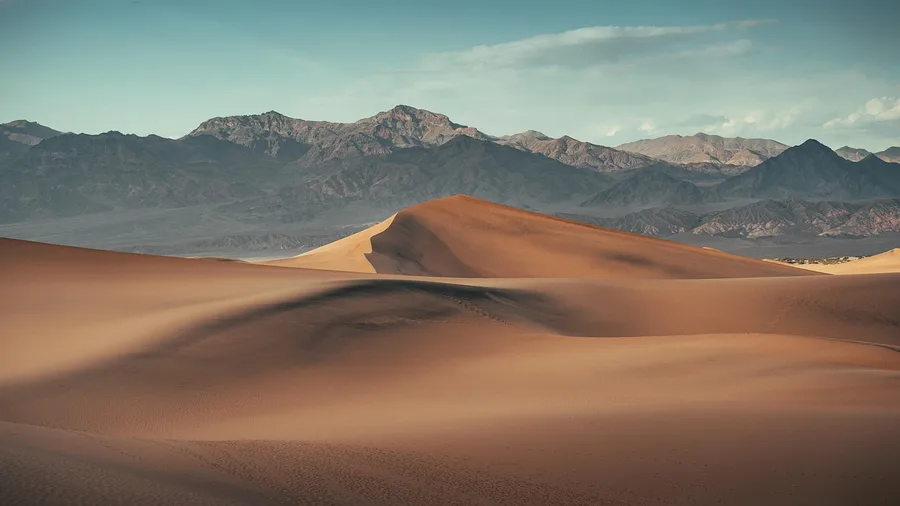
Know before you go: Death Valley in January is mild, not empty, and the famous viewpoints are the ones everyone else has already found. The 67°F high, warmest of any national park on this list, means you can hike at noon instead of at dawn – a thing that is impossible here from May to September. It also means the parking lot at the marquee overlooks fills by mid-morning.
Entry runs $25-$35 per vehicle and midrange lodging sits around $180-$320 a night, so this is the cheapest warm trip in the article once you are in the park. As for wildlife, be realistic: the honest likelihood is that you will see ravens, a few lizards if the sun stays out, and the tracks of things that came through before you did. The desert does not perform. The landscape is dry and quiet and gives you solitude instead of festival programming, and that is exactly the trade you are making.
Go a little further than the pullout. The stop past the obvious one is often the empty one, and a January weekday gives you distances between other people that you will not find in July. Layers for 20-40°F mornings, then shed them by eleven. The gray you left behind is 67°F and a $25-$35 gate fee away.
Small Mistakes That Cost a January Trip
12. Big Bend for Remote Winter Hiking
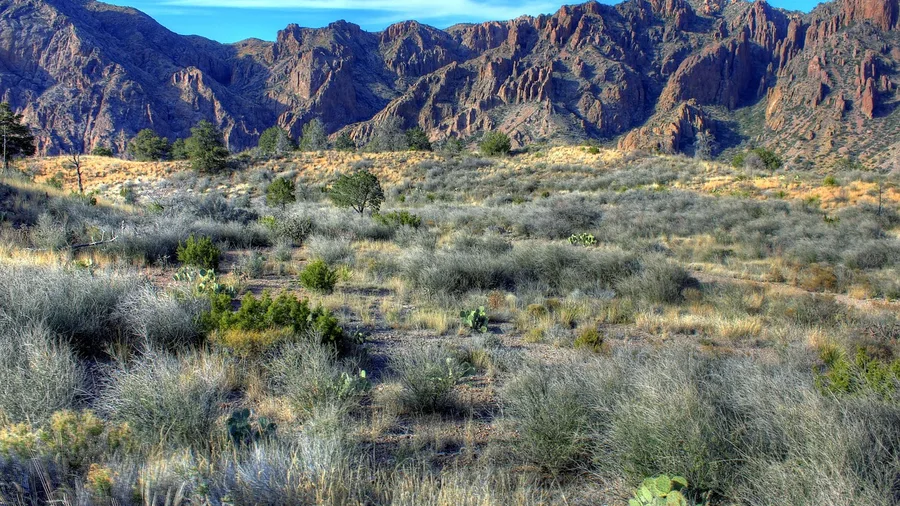
Take the remote one. If the national-park trip you want is about distance from everything – no festival calendar, no restaurant reservations, no city noise – Big Bend is the answer, and January's 63°F high makes the hiking easy on you while you get there.
Entry runs $25-$35 per vehicle and round-trip airfare around $250-$450, and the point of the trip is the hours between the trailhead and the next set of people. You drive a long way to reach it. That is the feature, not the flaw. A hiker who wants a week of dry trails and a night sky with nothing between you and it gets it here, far from the gray cities you came to leave.
Frequently Asked Questions
Is January a good time to visit the US?
It is if you pick by brightness rather than by season. You can be in 75°F air in Key West, on a 40-inch snow base in Park City or walking 60°F streets in Charleston, all in the same month.
Which of these is the warmest in January?
Key West, with a typical January high of 75°F. Death Valley follows at 67°F, then Tucson and San Diego at 66°F.
How far ahead should I book?
For Sundance, the Key West Literary Seminar and Tucson gem-show lodging, 6–10 weeks. The rest of the list can usually be booked closer in, but January weekends fill faster than people expect.
What does a January trip like this cost?
Plan around $250–$450 for round-trip domestic airfare, $180–$320 a night for a midrange hotel, $25–$35 per vehicle for national-park entry and $25–$75 for an event ticket.
Do I need a car?
Only for Lake Tahoe, Death Valley, Big Bend and Jackson. Key West, Charleston, Savannah and New Orleans work on foot for most of the trip.
What should I pack for the desert and mountain picks?
Layers. Mornings in the desert and mountain towns run 20–40°F even when the afternoon high is in the forties or sixties, so you need a warm first layer and a light second one.
Pick Your Brightness and Book the Tightest Window First
The verdict is four choices. Warm sun: Key West, Tucson or San Diego. Snow: Park City, Jackson or Lake Tahoe. City and festival energy: Charleston, New Orleans, Savannah or Santa Fe. National park: Death Valley or Big Bend.
Book the tightest window first. Key West Literary Seminar lodging in mid-January, Park City for Sundance and Tucson for the gem show all want the same 6-10 weeks of lead time, so that reservation is the one that decides your dates.
January at home is one weather story. These twelve are twelve brightnesses, from 75F in Key West to 27F in Jackson to 67F in Death Valley. The booking clock, not the gray forecast, decides the trip.
Book the Event, Then the Flight
Pick your entry above, check the festival dates, and put the 6–10 week window in your calendar tonight.