The standard way to see Europe after 60 is a nine-day coach loop through five countries, a different bed every night, and a suitcase repacked on a bathroom floor before dawn. It looks like less work. It is the most tiring version of the trip there is.
You arrive with a private list nobody answers: the long flight, the stairs, the rushed connection, the repacking, the language, and the coach with the whistle. The brochure photograph is silent on all six.
Ease is made by the itinerary, not the country. A seven-hour nonstop to Dublin and English at every counter are different tools from a 160-180 square foot river-cabin and a slow-walking group.
So each of the ten below gets one stated reason it is easy and one honest catch, so you choose by your knees, your budget and your month. The trip that fits you is the one whose specific logistics drop the forced stairs, the repacking and the sprint for a platform.
You do not need all ten. Fix shoulder-season dates, email the hotel your lift, walk-in-shower and lower-floor requests, check entry rules, and the shortlist becomes a booking.
Quick Tips Before You Start
Ask for the lift in writing
Email the hotel before you pay: lift, walk-in shower, room on floors 1 to 3. Older European buildings often have none of the three.
Reserve the train seat
Book first-class seats with the ticket, and request the accessible carriage space 24 to 48 hours ahead.
One bag, forwarded
In Switzerland and Ireland, station-to-hotel luggage forwarding costs little and removes every stair-and-suitcase moment.
Book April, May, September, October
Shoulder season keeps the $2,400 to $3,800 band honest and the streets walkable.
Check entry rules yourself
Passport validity and ETIAS rules change. Read the US State Department country page and the official EU ETIAS site before the deposit.
1. Ireland: Dublin and Killarney by Rail
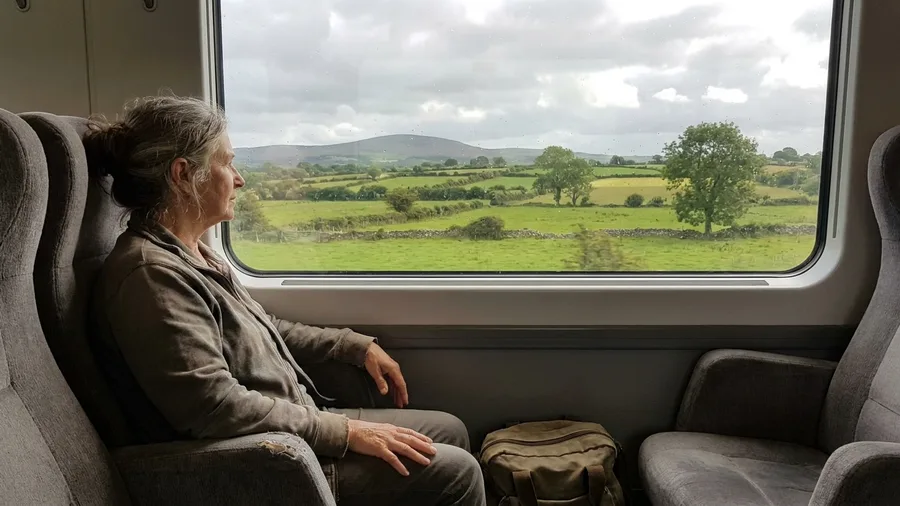
Compared with a two-city rail trip that keeps you switching hotels, Ireland asks for almost nothing in return: nobody at a ticket window, hotel desk or pub counter will need you to try a second language, and you make exactly one move out of Dublin in seven nights.
The hop across the Atlantic is about seven hours from the East Coast, and the train down to Killarney takes roughly three, with first-class seats you reserve in advance and wheelchair spaces you book a day or two ahead. The interesting stop is the one nobody plans: at Portarlington or Mallow, the platform kiosk sells a tea and a warm sausage roll for a few euro, and it is the closest thing to a roadside stand on the whole route. Book a Dublin and a Killarney hotel with a lift, a walk-in shower and a room on the first three floors rather than an old guesthouse with a front step; in Trinity College and Killarney National Park, keep the walking day to two or three hours and lean on benches and cafe stops, or trade the long park loop for a jaunting car or a boat out on the lakes. The catch is not the flight, which is the easy part; it is the rail move and the station transfers, so travel on a weekday, keep bags to one small case each, and aim for late May, June or September, when shoulder-season prices hold between $2,400 and $3,800.
💡 Tip: Ask the Killarney hotel to hold your bags before check-in and have the jaunting car pick you up at the door, not the park gate.
| Trip | Best months | From the US East Coast | Typical 8-day cost per person | Walking load |
|---|---|---|---|---|
| Dublin and Killarney by rail | May-June, September | 7h nonstop to Dublin | $2,400-$3,800 | 2-3 hrs/day, bench stops |
| Lisbon and the Douro, one base | April-May, October | 7h30 nonstop to Lisbon | $2,400-$3,800 | 2-3 hrs/day, flat Baixa |
| Dutch and Belgian river cruise | April-October | 8h nonstop to Amsterdam | $4,200-$5,500 guided | Short tours, slow group |
| Switzerland by first-class rail | June, September | 9h nonstop to Zurich | Top of $2,400-$3,800 | 2-3 hrs/day, level paths |
| Lake Como from one ferry town | May, September | 9h30 nonstop to Milan | $2,400-$3,800 | Flat promenades, some steps |
| Lake Bled on a budget | May-June, September | One connection, +3-5 hrs | Bottom of $2,400-$3,800 | Flat 6 km path, benches |
| Salzburg old town | May-June, September | One connection, +3-5 hrs | $2,400-$3,800 | 20-min flat core, funicular |
| Costa del Sol winter sun | March-April, Oct-Nov | 9h nonstop to Malaga | $2,400-$3,800 | Flat promenades, beach boards |
| Edinburgh around the hills | May-June, September | One connection, +3-5 hrs | $2,400-$3,800 | Short bursts, taxi uphill |
| Copenhagen, flat and step-free | May-June | 8h nonstop to Copenhagen | $2,400-$3,800 | 2-3 hrs/day, benches everywhere |
2. Lisbon and the Douro, One Base
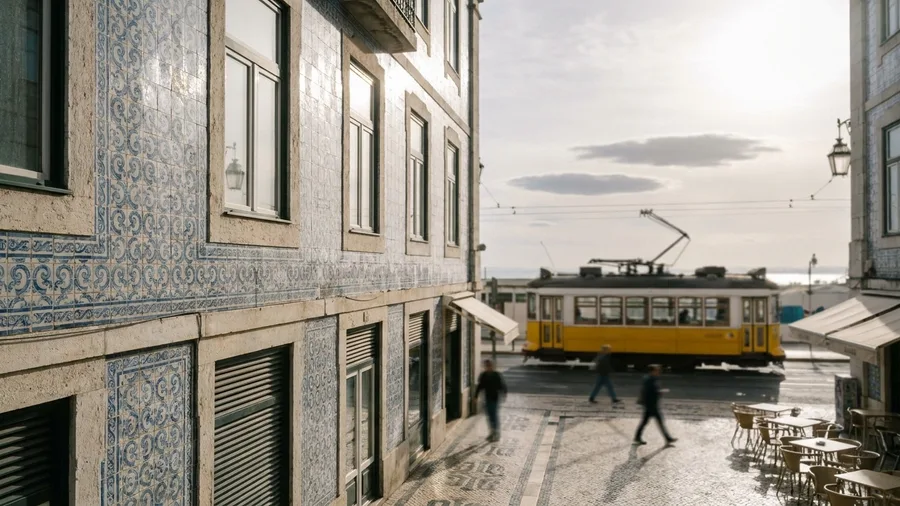
The first thing you notice on the flat Baixa grid is the sound: tiled pavements underfoot, the clatter of a tram down the street, cafe chairs scraped onto the pavement at eleven in the morning and still full at three. Locals walk this lower town, not the steep viewpoints, and they stop every forty minutes whether or not they need to. You can do the same, and it is the reason the walking day here is two to three hours rather than five: you sit down often.
The 7h30 nonstop lands you in a 7-night trip with one base and no repacking after arrival. When the hills do arrive, the Santa Justa lift and the Gloria funicular do the climbing for you, so the city stays level where it counts. The Douro Valley is a day trip: roughly 2 hours by train each way, or by river boat from Porto, which means city and countryside share the one hotel room you already unpacked in.
Book a 3- to 4-star hotel with a lift, a walk-in shower and a lower-floor room, and April-May or October dates keep you inside the $2,400-$3,800 shoulder-season band. The catch is the day itself: the Douro run is about 4 hours in transit round trip by train. The river-boat option, or a shorter valley visit, is the trade you make between scenery and a softer afternoon.
3. A Dutch and Belgian River Cruise
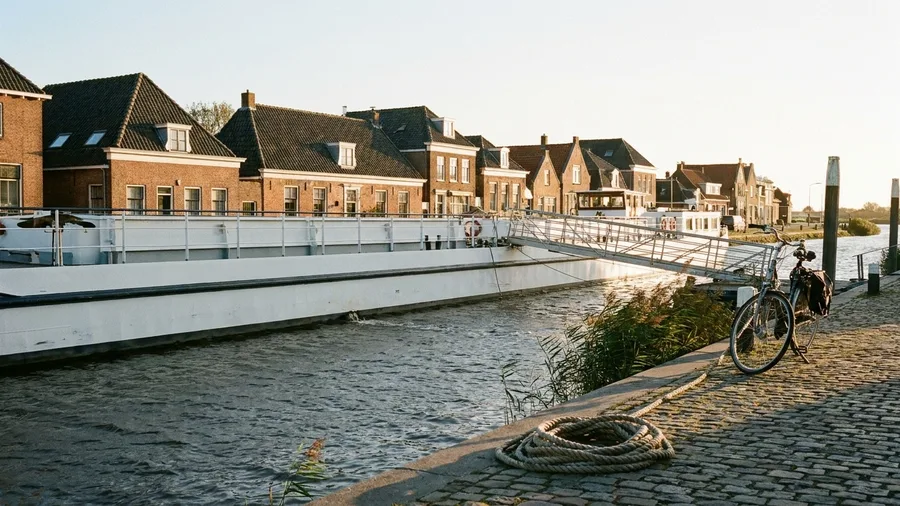
The river cruise is the one trip on this list where you unpack once for the whole week and never touch the suitcase again.
Your cabin is a main-deck room of 160 to 180 square feet with a window, and the ship ties up within a ten-minute walk of the town center, so mornings start with a gangway rather than a coach. Lifts between decks mean no stairs are required, and the included tours run a slow-walking group that leaves before the others stride off. An eight-hour nonstop to Amsterdam starts it, followed by a short transfer to the ship; the higher guided version costs $4,200 to $5,500, well above the standard $2,400 to $3,800 band. The catch is that the guided fare is what buys you the no-repacking, and the town stops still put you on cobblestones, so book the slow-walking group and keep the excursion blocks short.
💡 PRO TIP
The four-line hotel email
Lift or ground floor. Walk-in shower, no tub. Room on floors 1 to 3. Air conditioning in Spain and Italy in summer, heating checked for a winter stay. Send it before you pay the deposit, and keep the reply.
4. Switzerland by First-Class Rail
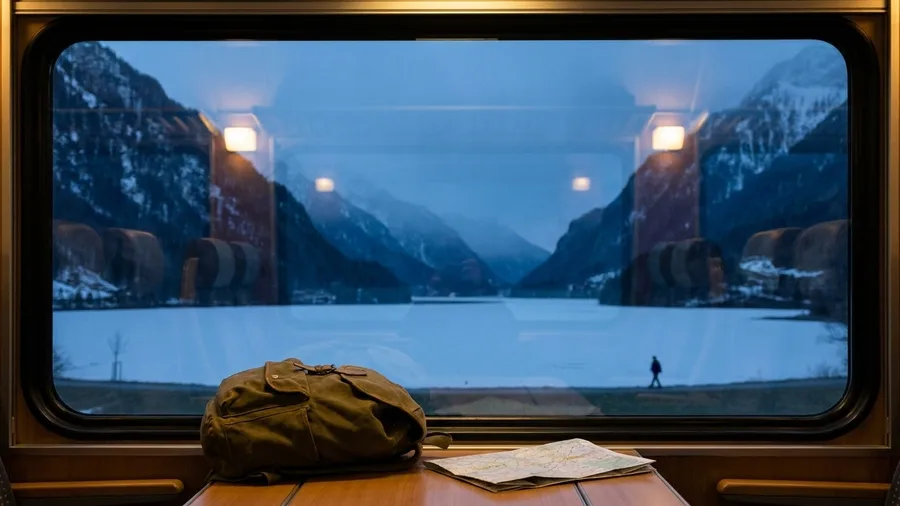
You can, and the train will do most of the work. A river ship solves the luggage problem by floating your room from town to town; Swiss rail solves it a different way, sending your suitcase ahead from station to station while you ride with a day bag. The flight is the first honest cost: nine hours eastbound from the East Coast to Zurich, which is longer than Dublin or Lisbon and worth knowing before you book the seat.
June and September are the two months that make this work. In June the snow is off the lower slopes and the lake paths are dry; September brings cooler air and thinner crowds, and both keep you inside the $2,400-$3,800 shoulder-season band even though Switzerland sits right at the top of it. The hotel request list doesn't change: a lift, a walk-in shower, a room on floors 1-3. Swiss hotels are good about all three, and asking in writing costs nothing.
The rail itself is the easy part. Lucerne to Interlaken comes in two-hour legs with first-class seats reserved in advance, at most one change of train, and accessible carriage spaces held 24-48 hours ahead – the same booking window that applies to every rail leg on this list. Book the seat and the space at the same time, then let the luggage service move the bags while you eat breakfast. You board with a small bag and meet your suitcase at the hotel desk that evening.
For the mountains, the funiculars and cable cars do the climbing. The Stanserhorn, the Pilatus cableway, the lifts above Wengen – each one puts you at altitude without a single switchback on foot, and the walking days stay at 2-3 hours on level lakeside paths with benches at regular intervals. The nature beat is reliable here rather than hopeful: alpine choughs will land on the railing beside you at a summit cafe, and on the Brienz or Lucerne lakefront in June the swans and grebes are close enough to photograph with a phone.
The catch is the exchange rate and the altitude of the price list. Switzerland is the most expensive stop on this list, and the 9-hour flight is among the longest, so neither the budget nor the knees get a free pass. What you buy with both is a mountain view you reach by lift, a lake path you can walk in an hour, and a suitcase that never leaves the train station without you.
💡 Tip: Buy a rail pass before you fly and reserve seats on the panoramic legs; the unreserved carriages fill first.
5. Lake Como From One Ferry Town
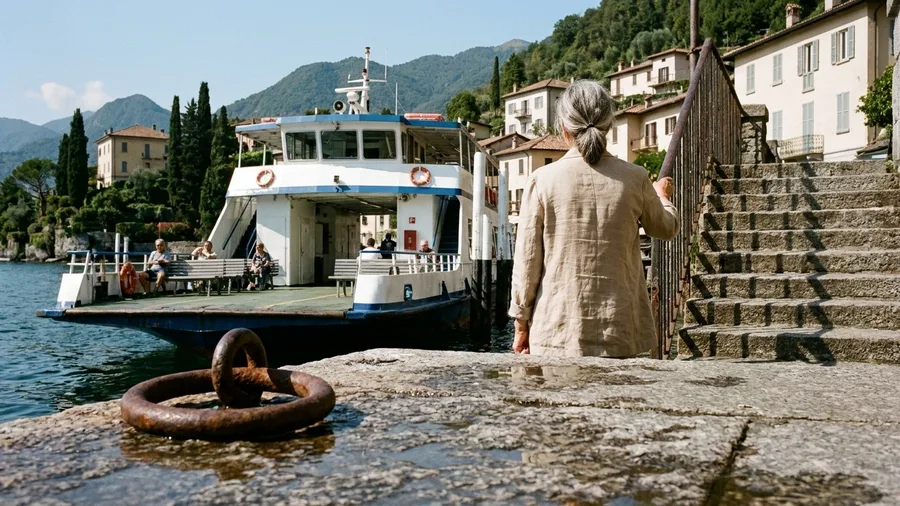
Know before you book that the lake is easy at water level and not step-free at every pier. The town you sleep in decides how many stairs you meet; get that wrong and the flat promenades do not help you.
A 9h30 nonstop to Milan puts you about an hour's transfer from the shore. Base in Menaggio or Varenna and buy a ferry pass between Varenna, Menaggio and Bellagio; the boats replace a daily coach and road transfers entirely. Menaggio is the flatter base and the safer call. Varenna's ferry landing is stepped, and much of Bellagio climbs, so if the knees are the deciding factor you choose Menaggio and accept the view from slightly lower.
Then you sit. The lakefront promenades are flat, and 2-3 hours of walking a day is easy to spend on a bench watching the ferry come in with an espresso going cold beside you. Hotels need lifts, and air conditioning is worth requesting for summer. May or September keeps the whole thing inside the $2,400-$3,800 band, provided you confirm the lift and the AC before you pay.
6. Lake Bled, Slovenia, on a Budget
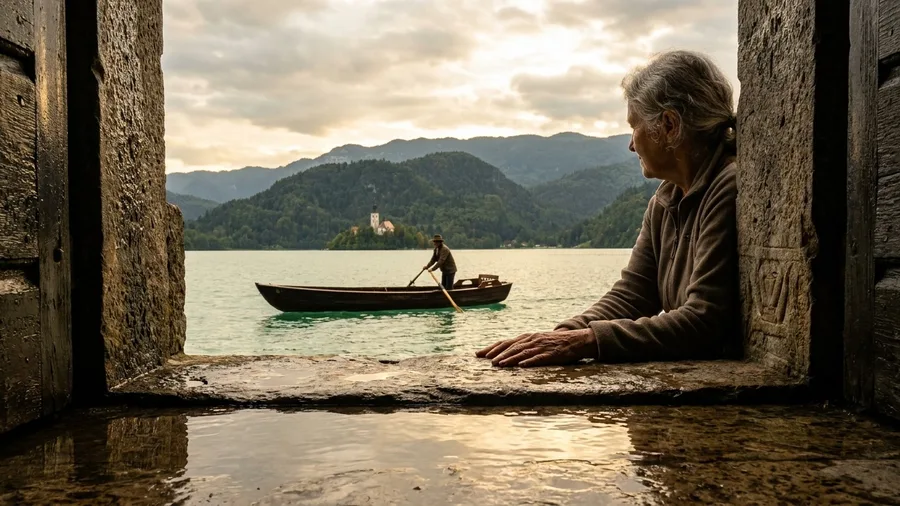
Take the budget version of the lake trip to Lake Bled, not the famous one. The whole town is a few streets around a 6 km path that stays flat from end to end, like the flat coastal walks in America anyone can do, with wooden benches set every few hundred yards so a 2-3 hour walk is really eight short walks with rests between them. One hotel, one room, seven nights. Cost drops to the bottom of the $2,400-$3,800 shoulder-season band, and May, June and September are the months to fix.
The pletna boat is where the culture lives. These flat-bottomed wooden boats have been rowed standing up to the island by local families for centuries, and the oarsman's stroke is a trade handed down rather than a tourist attraction – you'll hear the water move before you see the church. Disembarking is the honest part: the island steps are steep, so expect a few stairs and take the hand the boatman offers. Getting here means about two hours from Ljubljana, which itself needs one connection adding 3-5 hours from the East Coast.
7. Salzburg's Compact, Flat Old Town
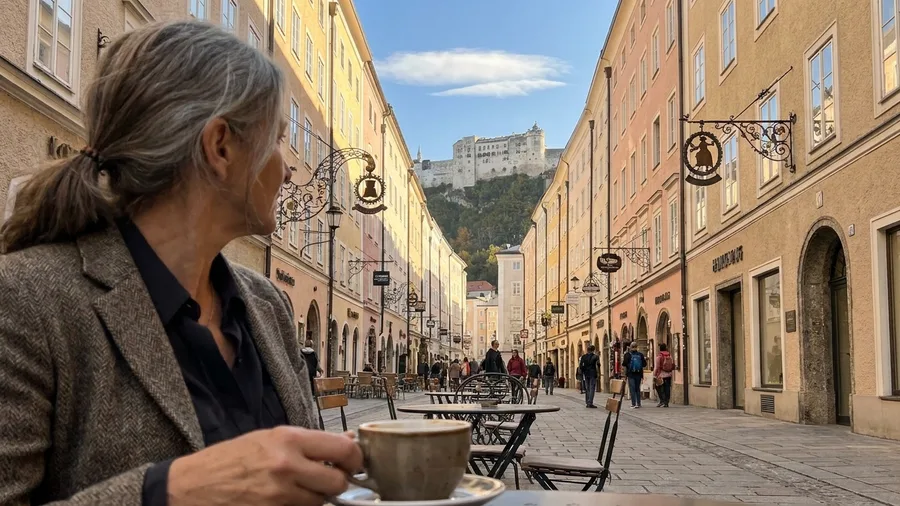
You step off the train into a station that smells of pretzels, and twelve minutes later you are standing under the wrought-iron sign of Getreidegasse, with a coffee already in reach. That is the trade Salzburg makes: it asks for a connection to get to, then hands you a whole old town you can walk flat.
The connection is the catch, and you should hear it first. Flights from the East Coast usually change planes in Munich or Frankfurt, which adds three to five hours to the door-to-door day, so this is the least easy arrival on this list. What you buy with that is a center where almost everything sits inside a twenty-minute flat walk: Getreidegasse, the riverfront path, the Residenz square, cafes every few hundred yards to break a two- or three-hour walking day into pieces.
The fortress up on the hill is the exception to the flat rule, and the funicular solves it – you ride up rather than climb the footpath. Keep to one Old Town sight a day and the pace stays comfortable, and English-language Mozart and Sound of Music tours mean no one is translating in their head all afternoon. Book an old-town hotel with a lift, since the historic buildings have stairs even when the streets do not, and hold your dates to May-June or September so the trip stays inside the $2,400-$3,800 shoulder-season band.
The famous excursion, two ways
Do this
- Stay coastal on the Costa del Sol and take a seated bus tour if Granada is on your list
- Book one Old Town sight per day in Salzburg and ride the funicular
- Reserve the train's accessible carriage 24-48 hours ahead
- Take a taxi up to the Edinburgh Castle esplanade
Skip this
- The Alhambra as a self-guided steep walking day in the heat
- Climbing the Royal Mile on foot because it looks short on the map
- A charming guesthouse with no lift and a third-floor room
- Five countries in nine days with a repack every night
8. Costa del Sol for Winter Sun
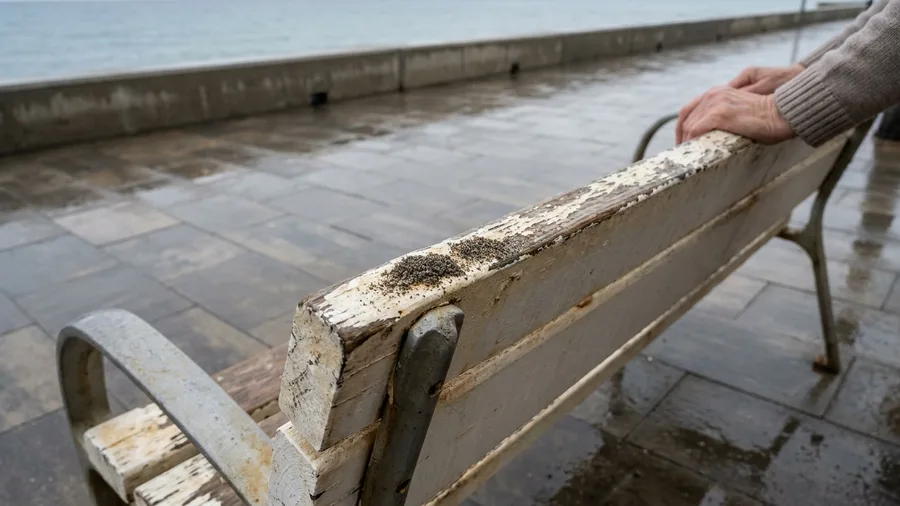
Nine hours gets you from the East Coast nonstop to Malaga, and taxis standing at the arrivals curb will have you on a flat promenade before noon. March-April or October-November are the months that matter, because they give warm walking days without the summer heat that makes midday unbearable. This is the answer to a February or November trip where you still want to be outside.
The coasts of the Costa del Sol run long, flat and paved, and some of the adapted beaches have amphibious chairs that let a wheelchair roll straight into the water. Every hotel request still needs to be made on the booking: a lift, a walk-in shower, a lower-floor room. In summer ask for air conditioning; in winter ask for working heating.
Now the honest part, and it's the reason this entry names its catch upfront. Granada and the Alhambra are not flat, no matter how flat the coast feels. It's a long, steep day on foot, so book a seated guided tour or skip it. The traveler who cannot manage stairs or hills will have an easy coast and a hard excursion, and the traveler planning a winter beach week will have it made. Either way, staying coastal or taking a seated tour keeps the trip inside the $2,400-$3,800 band.
9. Edinburgh, If You Plan Around the Hills
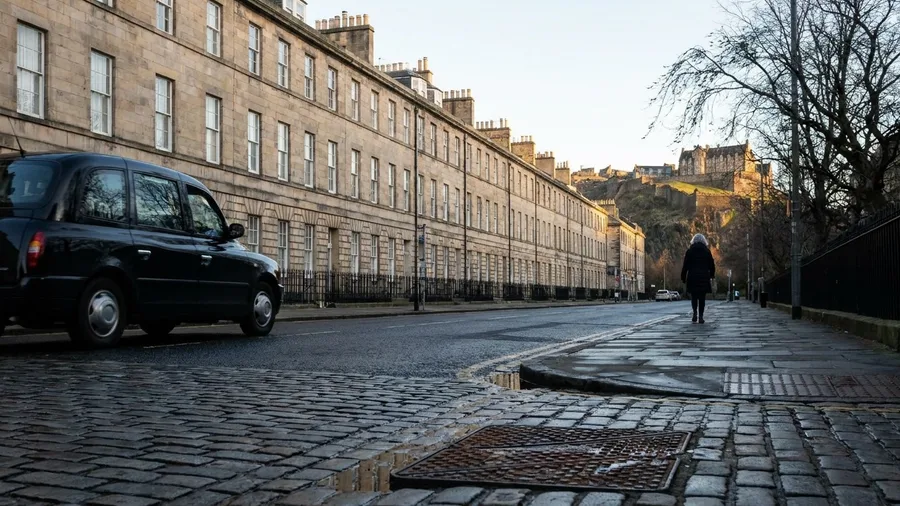
In Edinburgh, yes, and the Royal Mile is the reason. The street called the Mile rises steadily from Holyrood to the Castle, and what looks like a gentle walk on a map turns into a grade in wet shoes.
The fix is small. Base in the flat New Town, confirm a hotel lift, and take a taxi up to the Castle esplanade for under $12 instead of walking the slope. Split your days between the level New Town and one Old Town sight, 2-3 hours on foot carded by cafe stops. One connection from the East Coast adds 3-5 hours to the arrival, so it isn't a nonstop trip, but May-June or September dates avoid the August Fringe crowds and August room rates, and shoulder-season costs stay inside the $2,400-$3,800 band.
10. Copenhagen, Where Everything Is Flat
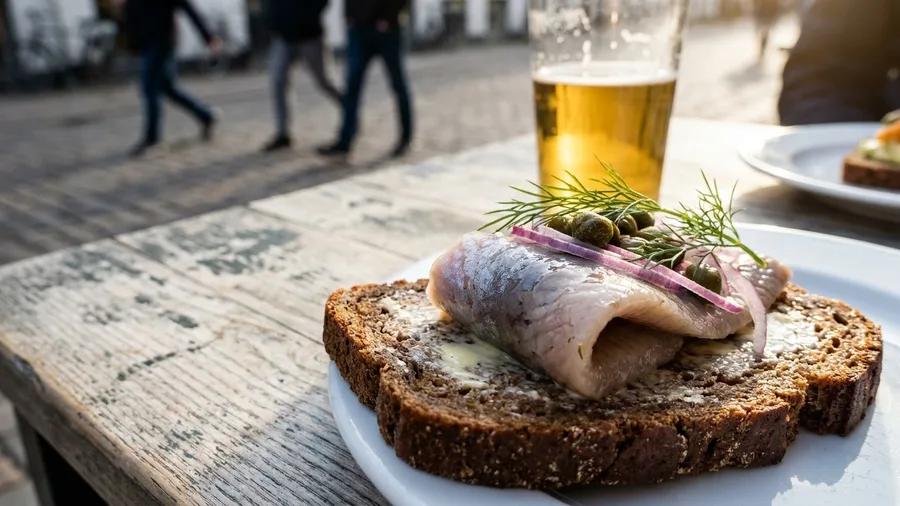
You step off the plane, follow the signs past baggage claim, and the metro platform is right there, level with the terminal floor, no staircase and no lift to find and no taxi to flag. Twenty minutes later the train sets you down at Kongens Nytorv and you walk out into a city with no hill in sight.
That is the whole point of Copenhagen. An 8-hour nonstop from the East Coast lands you in a place you can cross on foot and by metro without ever asking whether the next street climbs. The streets around Nyhavn and Stroget run flat in every direction, with benches and cafes set at intervals you can actually plan around. Walking days here land at 2-3 hours, broken whenever you want by a coffee or a pastry. You do not need a car, and you do not need a tour to make the pieces join up.
sit, eat, walk a little, sit again.
When you have had enough walking, Tivoli is the flat place to land. The paths are level throughout the gardens, the rides include gentle options that suit a slower afternoon, and the gates are a short walk from the central stations. Bicycles are everywhere, but they are optional – nothing about this city requires you to ride one, and the pedestrian crossings, benches and pavement cafes mean you never feel like the odd one out on foot. Hotels want a lift and a walk-in shower confirmed before you book; ask directly, because the older townhouse conversions do not all have them.
The catch is a matter of month and money. Copenhagen is not a winter-sun pick and it is not a bargain city – May and June are the weather window that makes those 2-3 hour walking days pleasant, and shoulder-season dates keep the trip inside the $2,400-$3,800 band for 7 nights. Book outside that window and you will pay more to walk through colder air. What you get in return is the easiest big city on this list to move through without a car, a coach or a staircase.
🗓️ Book one of these in six steps
Pick by knees first
Use the knee ratings to cross off anything with steps you cannot avoid.
Fix the month
Choose April, May, September or October unless the trip is winter sun in Malaga.
Book the flight
Take the nonstop where one exists; accept the 3 to 5 hour connection only for Salzburg, Edinburgh or Bled.
Email every hotel
Lift, walk-in shower, room on floors 1 to 3, and air conditioning or heating as the season needs.
Reserve the rail seats
First class with the ticket, and the accessible carriage space 24 to 48 hours ahead.
Check the paperwork
Passport validity and ETIAS rules on the US State Department and official EU pages before the deposit.
Frequently Asked Questions
Is eight days enough for a first European trip after 60?
Yes, if you spend seven nights in one or two bases. The trips on this list run eight days with at most one transfer, which leaves you four or five full days of actual sightseeing instead of a blur of stations.
How much walking is realistic each day?
Two to three hours broken by bench and cafe stops, which is roughly 3 to 5 miles on flat ground. Every trip here is built to that number; Venice and the Amalfi Coast are not, which is why neither appears.
Do I need to book accessible train seats in advance?
Yes. The accessible carriage spaces on European trains are limited and free, and they book out. Request one 24 to 48 hours before travel when you reserve your first-class seat.
Is a river cruise worth the extra cost?
If repacking is the thing you dread most, yes. Guided fares run $4,200 to $5,500 against $2,400 to $3,800 for the independent trips here. What you buy is one unpack, lifts between decks and a slow-walking tour group.
What should I ask every hotel before paying?
A lift, a walk-in shower rather than a tub, a room on floors 1 to 3, and air conditioning in Spain and Italy in summer. Get the reply in writing and keep it.
Where do I check passport and entry rules?
The US State Department country page for your destination and the EU's official ETIAS site. Both change, so read them before you pay any deposit rather than relying on a forum post.
Which of the ten fits your knees, your budget and your month
Pick by situation. Ireland is the first trip and the zero-language-friction trip, not the February sun-seeker's or anyone unwilling to take one rail transfer. Malaga is winter sun on flat ground, not a set on the Alhambra without a seated tour. The river cruise is for anyone who refuses to repack, not for the traveler holding to $2,400-$3,800. Lake Bled is for the tightest budget, not for someone who cannot manage a few pletna steps or one connection.
The coach with the whistle is not the only shape of a European trip. The easy one is built from nonstop flights, one base, lifts, walk-in showers, lower-floor rooms, slow-walking groups and flat 2- to 3-hour days. So before any deposit, fix shoulder-season dates, email each hotel the lift, walk-in-shower and lower-floor request, and check entry rules on the US State Department country pages and the EU ETIAS site. The itinerary that names its catch is the one that works, and the catch you can live with is the whole decision.
Start with the hotel email
Copy the four-line request from the tip above and send it to every hotel on your shortlist today. The reply tells you more about the trip than the photos do.