Everyone compares a cheap European trip to Lisbon or Barcelona. The difference is that this list is built on the daily number rather than the fare, and that is where the two fall apart.
You can find a flight to Europe for less than a phone. The fear is what happens after you land, that the bed, the food and the transit will eat the trip before you have done anything worth the flight.
shoulder-season round trips from the US East Coast to major gateways run $450 to $750, but a day on the ground runs $50 in Sarajevo and $110 in Athens or Valencia. The fare moves by a few hundred; the day moves by a factor of two.
So every city below carries an actual budget double, a lunch, a dinner, a transit fare and one signature sight ticket, priced per day in dollars at typical card-exchange rates. Ten cities, the same four lines each.
Work out what the day costs, see what the flight leaves over, then price the shoulder-season fare before you commit.
Quick Tips Before You Start
Check the card fee
A 3% foreign-transaction fee on a $700 hotel bill is $21 you could spend on dinner instead.
Book shoulder season
Late April, May, September and early October undercut July fares without closing the sights.
Price the double, not the dorm
Every number here assumes a private budget double with a shared or basic bathroom, booked direct.
Buy transit singles
These cities price a single ride at $0.40 to $2; a three-day pass rarely pays off for a short stay.
Keep a cash float
Markets and small castle kiosks in the Balkans and Baltics still prefer local cash over a card.
1. Porto: river views at midrange prices
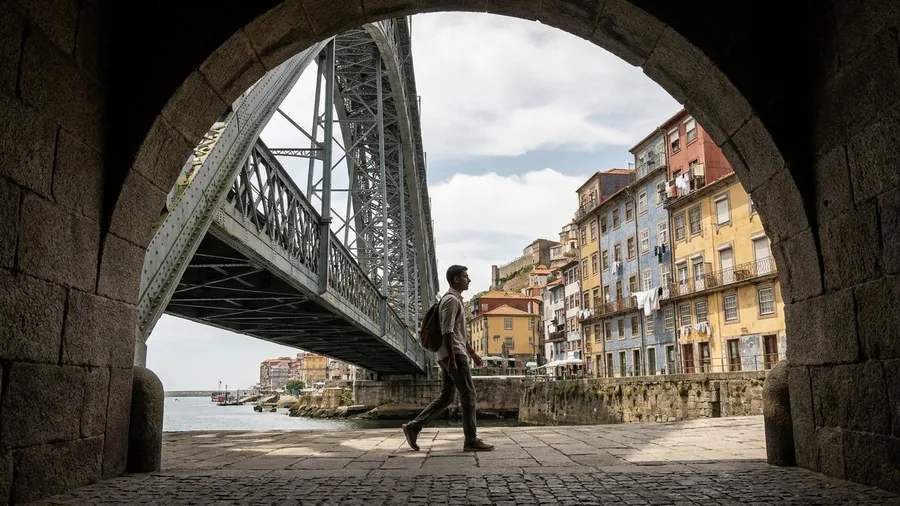
Roughly $12 buys the day's one ticket in Porto, which is why a river city with this much view manages to keep the whole twenty-four hours near $105. That figure sits just below the top of the range on this list, so consider it midrange scenery rather than a bargain basement. Break it down the way a bank statement would. Lunch comes in around $9, dinner at $14, a metro ride at $1.80, and the port tasting at a lodge across the water is $12.
The room is the number that surprises people. A budget double runs about $65 a night in the old town, where the lanes are steep and cobbled and the river arrives at the bottom of them without warning, so you can walk from your simple bed to the Douro in minutes and never call a car. You are trading a luxury room for the view, and at that price the trade is easy to make.
What keeps the day cheap is how much of it costs nothing. The Ribeira streets along the quay, the riverside walk on both banks, and the lower deck of the Dom Luis I bridge are all free, and the bridge deck at dusk is where the Douro turns the color of ink. Cross the water to Vila Nova de Gaia and the port lodges are waiting. Spend your $12 there on a tasting rather than a bottle, and let the guide walk you through what distinguishes a tawny from a ruby.
For a first trip to Europe, that balance works in a way a pricier city does not. You get a working river, a market at lunch, and a glass in the late afternoon without watching the till once you have paid the tasting.
💡 Tip: Walk the bridge lower deck out and the upper deck back. Same crossing, two completely different views, no fare.
| Destination | Budget double | Lunch | Dinner | Local transit | Signature sight |
|---|---|---|---|---|---|
| Porto | $65 | $9 | $14 | $1.80 | $12 port tasting |
| Valencia | $75 | $10 | $16 | $2 | $4 market snack |
| Sofia | $45 | $6 | $10 | $0.90 | $7 thermal bath |
| Budapest | $55 | $8 | $12 | $1.20 | $3 ruin-bar beer |
| Krakow | $50 | $7 | $11 | $1.20 | $5 museum |
| Brasov | $42 | $6 | $9 | $0.80 | $8 castle entry |
| Athens | $65 | $9 | $14 | $1.80 | $20 Acropolis |
| Riga | $48 | $7 | $11 | $1.60 | $3 market coffee |
| Tirana | $38 | $5 | $8 | $0.40 | $4 bunker entry |
| Sarajevo | $35 | $4 | $7 | $1.80 | $2 bazaar coffee |
2. Valencia: beach city with market lunches
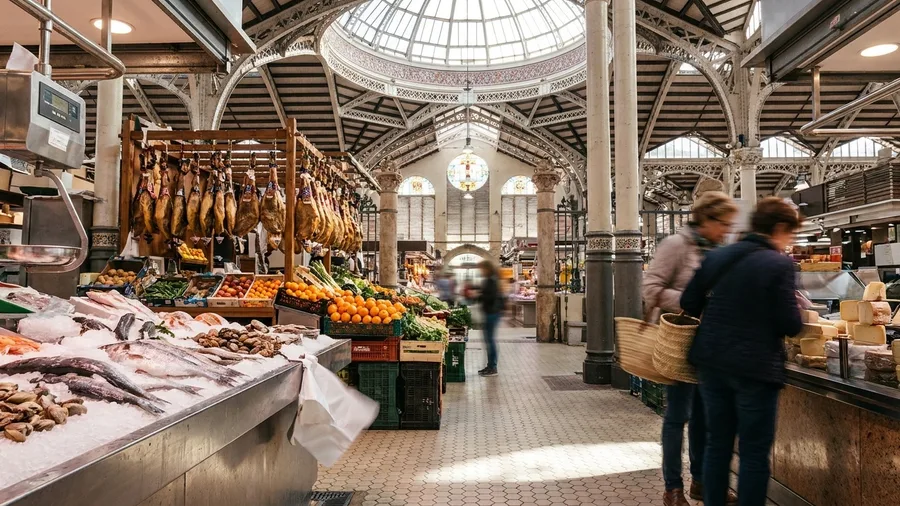
The Central Market at Valencia in the late morning smells of cold stone and brine, whole counters of ice and shelved jamon running off toward the domed ceiling. It is where the people who live here shop, not where they point visitors, and that is what keeps lunch cheap. Buy a $4 plate of whatever the stall nearest the fish counters is putting out, add bread and fruit for later, and eat standing up with the market's noise around you. A $2 metro ride sits just outside, and the old riverbed runs the length of the city on foot.
From the market the street gives way to the Turia gardens, the park laid into the channel the river once drained when it was diverted south after the floods. Cedar and pine shade it for miles, and you can walk from the center to the edge of the new town without paying a fare. A short metro ride then puts you on the city beach with the water a few hundred meters from the sand.
A full day here runs about $110 once you add a $10 lunch, a $16 dinner, the $2 metro and the market snack to a $75 double at the edge of the old town. It matches the top of the range on this list, so treat it as the upper benchmark rather than the cheap option. What that money buys is a working city with sand tacked onto it, food from the residents' own market and a room with a bed, rather than a resort strip where the hotel is the whole destination. If a river city can come in at midrange prices, the extra $5 here buys you the sea.
3. Sofia: thermal baths on a $70 day
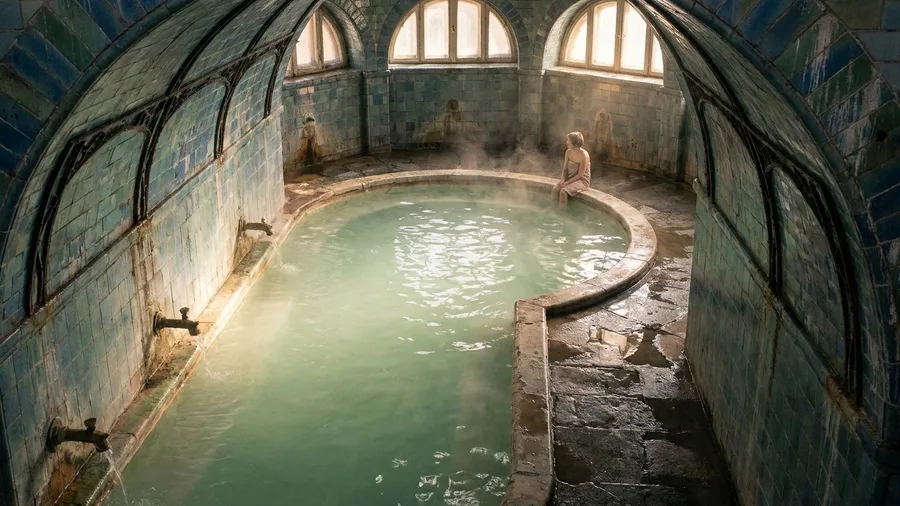
Pick Sofia if you want a city break you can book on a whim. The $110 ceiling drops to a $70 day here – $6 lunch, $10 dinner, $0.90 on the metro and $7 to get into the thermal baths – on a $45 budget double that makes this the cheapest EU capital on the list.
The day is civic rather than curated. You walk Vitosha Boulevard with everyone else, you pay the small bath-house entry, and you sit in mineral pools that locals treat as a habit rather than an attraction. Nobody is selling you a ticket to the atmosphere; it is just the city going about its Tuesday.
That is $40 a day under the top tier, and the arithmetic is worth running out loud: two Sofia days leave $80 unspent, which is close to two more nights in that same $45 double. Choose it if low costs and everyday city life beat polished sights – the room is simple and the streets are not staged, and that is the trade.
💡 Tip: Bring your own towel to the bath house. Renting one costs more than the metro ride there and back.
4. Budapest: ruin bars and bath culture
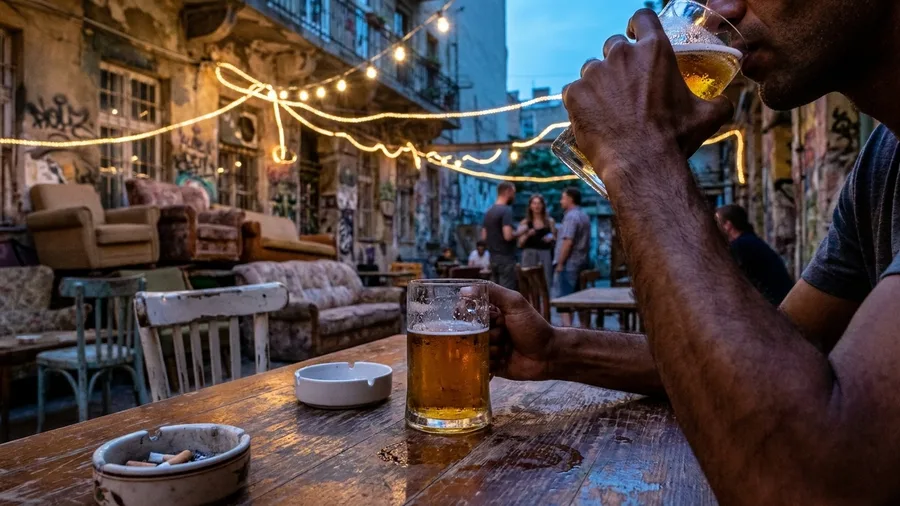
The baths close their ticket desks in the late afternoon, so buy your soak for the morning and save the ruin bars for after dark — that split is what keeps an $80 day from becoming a $140 one.
Budapest runs on a $55 budget double and lands at $80 all-in: $8 lunch, $12 dinner, $1.20 transit and a $3 ruin-bar beer, which is the single number that makes an evening out survivable. A thermal bath ticket is your one paid anchor, so balance it against the free Danube-side walk on the Pest embankment and a slow browse through the Great Market Hall upstairs, where the produce is cheap and the langos is cheaper.
This suits a social traveler who wants the nightlife and will trade a plush room for a budget one to fund it. Two days at $80 leave $60 against the top-tier day — more than the $55 double itself, which is a third night in the same bed.
What a Day Actually Breaks Down To
5. Krakow: old-town days under $75
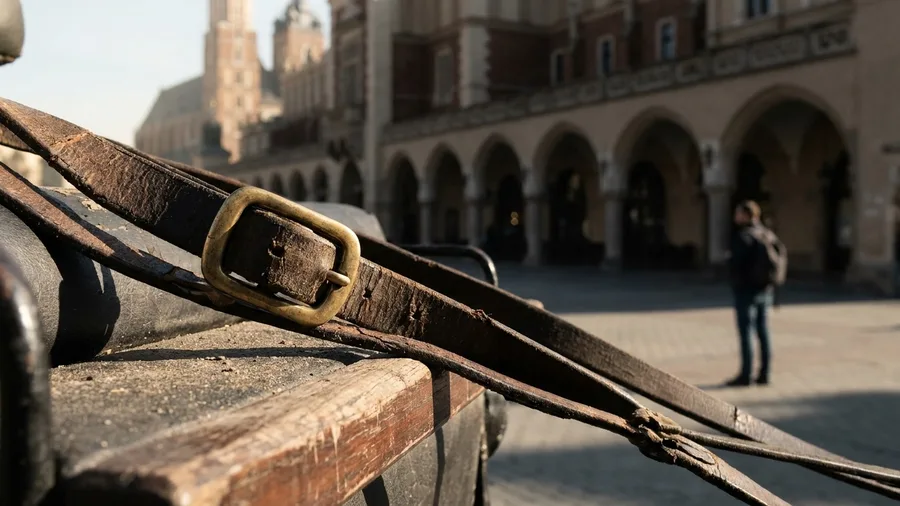
You hear the horse carriages and the buskers in Rynek Główny before you see the square, and that racket is the catch: the old town's showpiece is free, but its cafés charge for the view.
Krakow is the historic-city answer without Prague prices — a $50 budget double in a center you can cross on foot, and a $75 day built from $7 lunch, $11 dinner, a $1.20 tram and a $5 museum. The Rynek Główny, the Wawel hill exterior and the Planty ring all cost nothing, so a single low-cost museum ticket carries the whole day. The honest reservation: budget for a traveler who wants history and café culture and will ride the tram instead of hailing taxis, because the flat rate is what holds the total down.
Three days at $75 leave $105 against the $110 tier, which is a fourth full day at Krakow prices with change left for the museum.
⚠️ COMMON MISTAKE
Don't buy the multi-site pass by default
City cards bundle five sights when most travelers see two. At $20 for the Acropolis alone, Athens rewards buying exactly one ticket — check what the pass includes before it pays for itself.
6. Brasov: Carpathian base at $66 a day
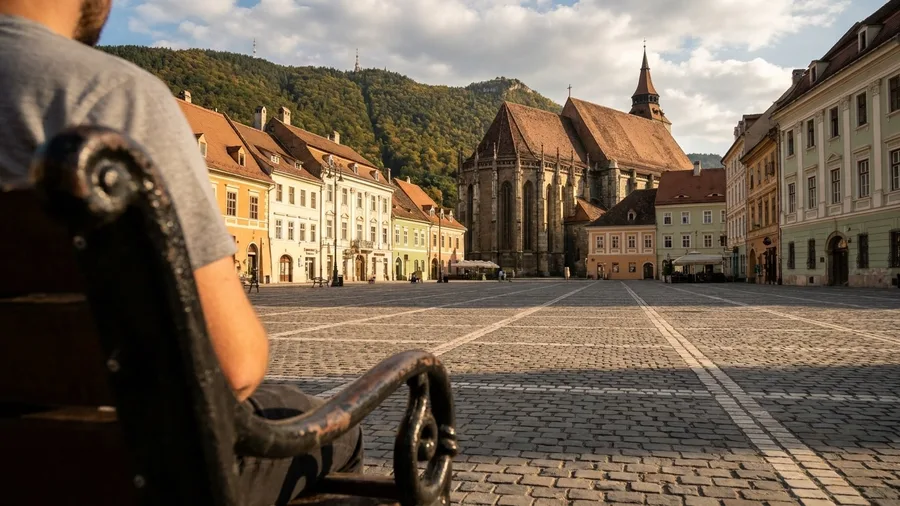
Krakow asks you to walk a city; Brasov asks for less effort and less money at the same time, because the whole medieval center sits in a valley with the Carpathians rising on all four sides and the bed costs $42. A full day here lands at $66 — $6 lunch, $9 dinner, $0.80 on the bus, $8 for a castle. That is four dollars below the Krakow day for a room at the foot of mountains.
The reason it stays cheap is that nobody packages it for you. A local bus runs out to the castle and back for loose change, and the $8 entry is the ticket itself — what you skip is the guide fee and the markup folded into a coach tour that bundles transport and commentary into one fare. You get the walls, the courtyard and the walk at your own pace. Check the return bus times at the stop before you go up; they thin out in the afternoon.
The rest of the day costs nothing, which is the point. Council Square is a wide cobbled room ringed by colored facades, the Black Church sits at one edge with its dark stone and long roofline, and the Tampa hill viewpoint is a short climb for the whole valley laid out below you. Sit on a bench up there for an hour doing nothing and watch the clouds drag across the ridge. This is the answer for a slower traveler who wants peaks and old stone and has no use for a bar at midnight — two days here leave $88 against the higher daily budgets, which is more than a third Brasov day.
Sofia vs Brasov — At a Glance
🏨 Budget double
$45 vs $42
🍽️ Lunch + dinner
$16 vs $15
🚌 Single ride
$0.90 vs $0.80
🎟️ Signature sight
$7 vs $8
📉 All-in day
$70 vs $66
Pick by landscape
Sofia wins on city life and baths; Brasov wins on mountains and castles for $4 less a day.
7. Athens: ancient sights on a $110 day
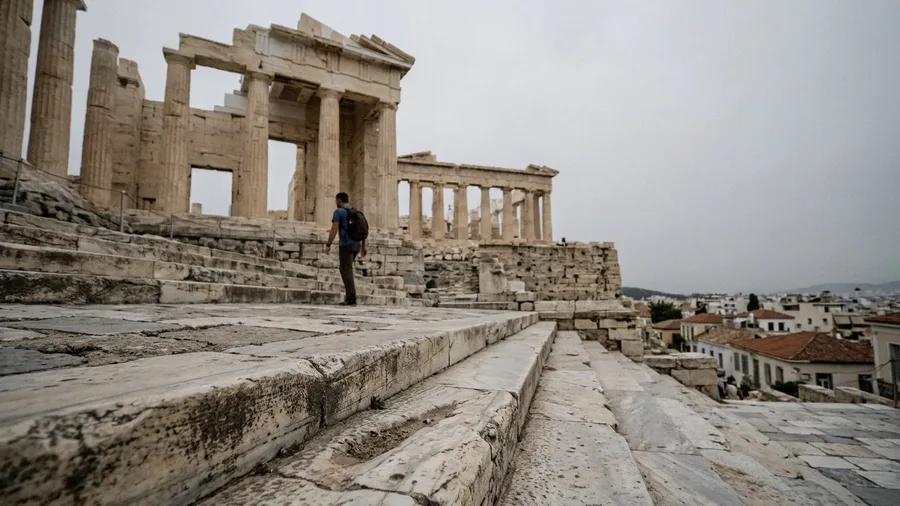
The Acropolis ticket is the odd stop that decides the day. At $20 it is the single largest line item on this entire list, roughly a fifth of an Athens day that lands at $110 all-in, tied with the top of the range and not the bargain it looks like from the postcards.
The rest is modest: $65 budget double, $9 lunch, $14 dinner, $1.80 metro. Buy the one sight instead of a multi-site pass, then spend the afternoon free in Plaka, Anafiotika and the Monastiraki market streets, where the lanes climb and the smell of grilling meat drifts between souvenir shops.
The Tourist Way vs the Better Way
The tourist way
- Multi-site city pass bought at the airport
- Taxi from the station to the hotel
- Dinner in the square facing the cathedral
- Hotel breakfast at the rack rate
- Two paid sights in one afternoon
The better way
- One ticket for the sight you actually came for
- $0.80-$2 single ride on the local tram
- Lunch as the main meal, $4 to $10
- Market picnic supplies for breakfast
- One paid sight, free neighborhoods after
8. Riga: Art Nouveau and market coffee
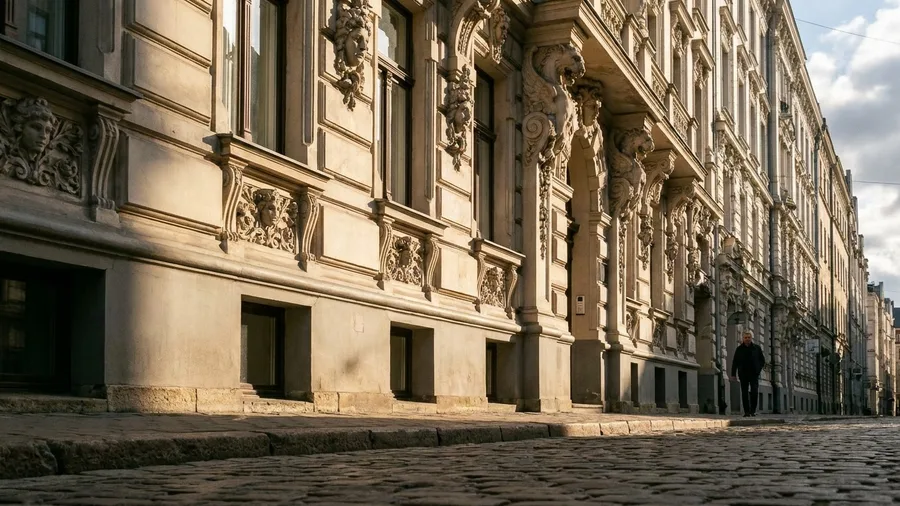
Not when a Riga day runs $72 all-in on a $48 budget double, and the center is small enough to cross on foot before lunch.
The architectural anchor costs nothing. Walk Alberta iela and the Art Nouveau facades stack up floor after floor, carved faces and curling stonework on buildings you can stand under for free. That quarter is the reason to come.
For the paid part, the Central Market fills old zeppelin hangars by the river: $3 buys the coffee that acts as your entry fee, $7 the lunch, and the smoked fish and rye bread counters do the rest. Dinner is $11, the tram $1.60.
Do the math against the top of the range and it holds: $38 a day under, so three days at $72 leave $114 in your pocket, which is two more nights at $48. That is a Baltic trip, not a Baltic weekend.
Come for cool weather and low costs, not beach or nightlife. A design-minded walker gets the city culture of the more famous Baltic capital for a third less.
How the Savings Stack Over a Week
9. Tirana: bunkers and café life for $56
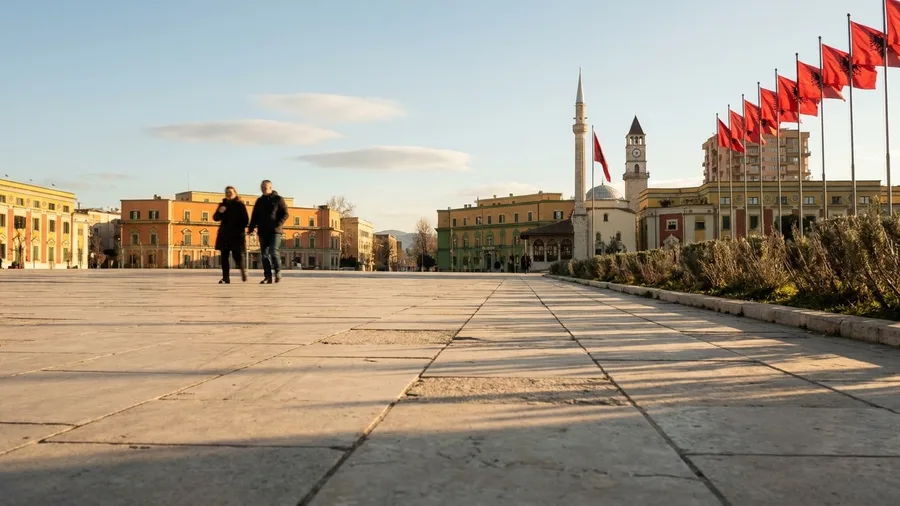
You hear the café chairs scrape across Skanderbeg Square before you see the color: the facades around it painted orange and green, the light flat and hot by mid-morning, the whole square loud with espresso cups and conversation.
Stand at the edge of the square for the shot, early, before the light hardens. Then walk to Bunk'Art, the low-cost bunker museum where a $4 ticket takes you into a concrete shell built for a war that never came, and the day is bookended.
The numbers sit below the EU band the rest of this list occupies: $38 budget double, $5 lunch, $8 dinner, a $0.40 bus, and $56 all-in. That is $54 a day under the top tier, so two full Tirana days cost $112, about what a single day runs at the top of the range.
10. Sarajevo: bazaar history at $50 a day
For less effort than the bus ride up to Tirana's bunker, you can be on the Miljacka river in a city that undercuts it outright: a $35 double and a $50 all-in day, the lowest figure on this list and less than half of what the top-tier cities ask. Lunch is $4, dinner $7, the tram $1.80, and a coffee in the bazaar $2 – a full day here costs what a single Valencia or Athens day does, twice over.
The bears at the foot of Mount Trebević are the honest likelihood test: a small zoo in a pine gorge above town, reachable on foot from the old center in under an hour, where you will almost certainly see brown bears and almost certainly not see much else. If wildlife is the reason you came, book the day around it; if it is not, the free history walks give you more for nothing – the Ottoman lanes, the war-scarred facades, and a mosque, church and synagogue a few minutes apart – and that is the trade you accept for a simple room and a thin service sector. Two days here cost $100, still under one Valencia day.
Frequently Asked Questions
Is $50 a day in Sarajevo actually realistic?
For one traveler in a private budget double, yes: $35 for the room, $4 lunch, $7 dinner, $1.80 on the tram and a $2 coffee lands at about $50. Add a museum ticket or a second coffee and you are at $56. It assumes you eat where locals eat, not in the old-town restaurants facing the bazaar.
How much of the trip is the flight versus the days?
A shoulder-season round trip from the US East Coast to a major European gateway typically runs $450 to $750, and a budget flight or train onward adds $50 to $100. Seven days in Athens at $110 costs $770 on the ground; the same week in Sofia at $70 costs $490. The city choice moves the total more than the airfare does.
Do I need to book rooms in advance?
Book shoulder-season stays two to four weeks out for the best rate on a budget double, and always direct rather than through a platform that adds a service fee. In July and August, book six to eight weeks ahead — the budget rooms sell out before the midrange ones do.
Can I do Athens on a budget if the Acropolis is $20?
Yes, if you buy one ticket instead of a multi-site pass. The $20 Acropolis entry is roughly a fifth of a $110 day, and the neighborhoods around it — Plaka, Anafiotika, Monastiraki — cost nothing to walk. Eat lunch as your main meal at $9 and dinner stays at $14.
Which of these cities is easiest without a car?
All ten work without a car. Porto, Krakow, Riga and Brasov have centers you can cross on foot, and Athens, Budapest, Sofia and Tirana price a single transit ride at $0.40 to $1.80. Brasov is the one place you will want a local bus for a castle day trip, and it costs $0.80.
Are these prices in dollars at the real exchange rate?
The figures are US dollars converted at typical card-exchange rates, so your bank's foreign-transaction fee matters. A 3% fee on a $700 hotel bill is $21 — check the fee and the current rate before you book, since currency moves change every number here by a few percent.
Pick the city by the day, then price the flight
If the lowest daily cost decides it, Sarajevo at $50 and Tirana at $56 win, and two days in either still costs less than one Valencia day. For the food-and-city mix, Porto at $105 and Valencia at $110 earn the extra. For history per dollar, Sofia at $70 and Brasov at $66 give you baths, castles and mountains for two-thirds of the top-tier day.
The fare is the fixed cost and the day is the variable one. A $450 to $750 shoulder-season round trip to a major gateway, plus $50 to $100 for a train or budget flight to a smaller base, is recovered in three or four days on the ground when the day runs $50 to $80.
Prices are in USD at typical card-exchange rates, so check your bank's foreign-transaction fee and the current rate before you book. Europe does not price out a fixed budget; the daily number decides how long the trip runs. Price the shoulder-season flight first, lock the city second, and the arithmetic stops being a guess.
Run the math on two cities tonight
Open the cost table above, pick the cheapest and the one you actually want, and price a shoulder-season round trip to each before you book anything.