The usual way people do a national park on a tight budget is to pay for one guided tour and spend the rest of the trip driving between the viewpoints everyone photographs. This steers the other way. The truth is a whole set of ranger-led and self-guided programs that carry no ticket at all, and their schedule is posted a day ahead at the visitor center desk and on the park's official calendar, which almost nobody opens before they arrive.
The suspicion is understandable: free sounds like a detour not worth the drive. Check the calendar and it turns into a morning walk with a naturalist, then a night on a hard bench with a borrowed telescope.
The entrance fee still applies to everything here, and no figure is quoted, so check the current rate and any free-admission days on that park's own nps.gov page before you go. What you save is the tour, the shuttle and the rental gear, not the gate.
Where the schedule lives, how long each item takes, what to bring or borrow: that is the whole method. Pick a first-morning program, build the day behind its start time, and at the desk ask for the booklet, the binoculars, the snowshoes.
Quick Tips Before You Start
Check the night before
Programs are posted a day ahead at the visitor center desk and on the park's official calendar, so look the night before you arrive.
Carry water and closed shoes
Ranger walks cover easy ground but go rain or shine, and a water bottle is your only real prep for most of them.
Layer for the evening
Night-sky and amphitheater talks get cold even in midsummer, so pack a jacket and a blanket for the bench.
Bring a red flashlight
White light ruins night vision for everyone at a star party. If you bring a torch, make it red or leave it in the car.
Ask about loaner gear
Binoculars, snowshoes and telescopes are often free to borrow, but the ask happens at the desk the day before.
1. Free ranger-led morning walks
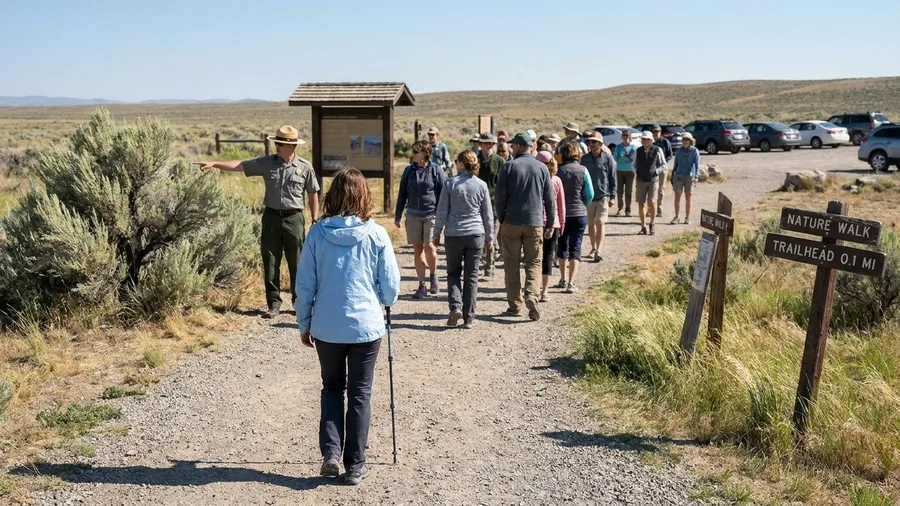
Free ranger-led morning walks are the best return on a park morning, and I would build your first day around one before you spend a cent on anything else. Most parks run a daily naturalist walk with no ticket beyond the entrance fee, and the ranger reads the ground you would otherwise walk straight past.
The schedule lives in two places: the park's official nps.gov page and the board at the visitor center, both posted about a day ahead. No booking, no phone call. Expect 45 to 90 minutes over easy ground, with a group of 10 to 25 following a ranger who stops at a cracked boulder to explain the geology, crouches by a shrub to name it, and points out the scat and tracks a fast hike never registers.
Bring water and closed shoes, and arrive ten minutes early. That buffer is for parking and finding the meeting point, which is often a signpost by the lot rather than a building. If the board says 8 a.m., be standing there at 7:50, because the group leaves on time and the ranger is not counting heads.
When the walk ends, ask the ranger where tomorrow's route goes. That one answer converts your next morning from a guess into a fixed start, and it is the single most useful question you can ask all day.
The queue here is not a crowd you fight, it is a dozen people on a path, and it is worth it. For a tight budget the price is time and an early alarm, not money. Treat this as your default anchor and stack the rest of the day behind it.
💡 Tip: If the visitor center board and the online calendar disagree, believe the board. It is updated by the ranger leading the walk.
🗓️ How to Build a Free Park Day
Night before
If the board shows nothing, check the ranger-led schedule under the park's own events listing, not a third-party tour page.
Before you book anything
Entrance fee still applies to all of this. Check free-admission days on that park's nps.gov page first.
Morning, if you drove
Zion shuttle runs about March to November. Summer trailhead lots fill by 8 a.m., so park early or use the shuttle.
Tide day
Tidepool walks follow the minus tide and run 1-2 hours. The time is on the park's tide page, never on the general events calendar.
Evening
Amphitheater talk starts near 8 p.m. in summer, 45 minutes on hard benches, no ticket. Night-sky programs begin 30 minutes after sunset, telescopes loaned.
2. Junior Ranger booklet and badge, adults included
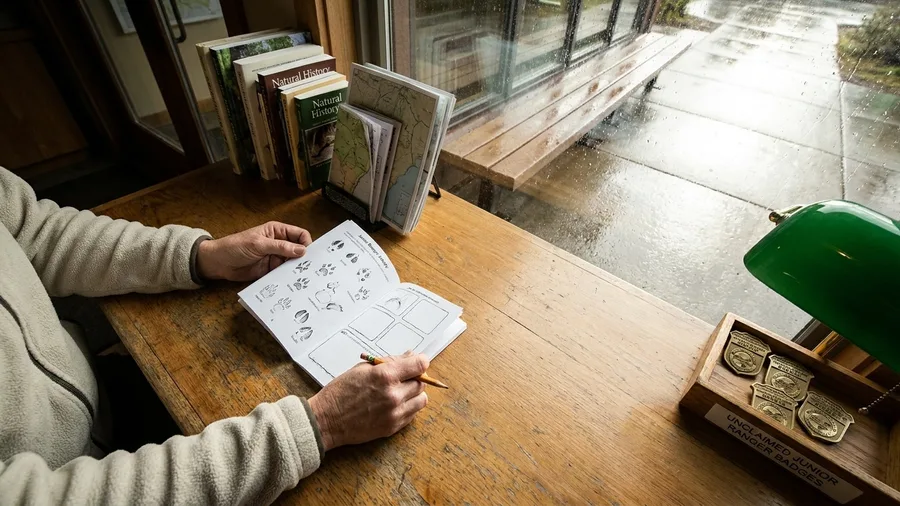
You sit on the bench by the window with a booklet and a stubby pencil, filling in a box about which animal left which track, and the rain keeps falling outside. The ranger behind the desk has already handed you both, free, no reservation, no waiver to sign. That desk is the same one the morning programs run out of, and it gives away more than most people think to ask for.
Ask about the Junior Ranger booklet and the answer usually includes a pencil. Inside are 8 to 12 activities, and they take 20 to 60 minutes depending on which age tier you take, so the whole thing slots neatly into the gap before a scheduled program or the hour a storm pins you indoors. Finish it and the badge is handed over right there at the counter.
ask whether grown-ups can do it too. Plenty of parks hand the booklet to anyone who wants one, so kids-only is an assumption to test, not a rule. The cost is a few minutes of desk time, the badge is a free souvenir, and the only thing it depends on is the visitor center being open when you walk in.
The best free programming is posted a day ahead, not printed in an annual guide.
— What the visitor center desk keeps telling people
3. Night-sky programs with loaner telescopes
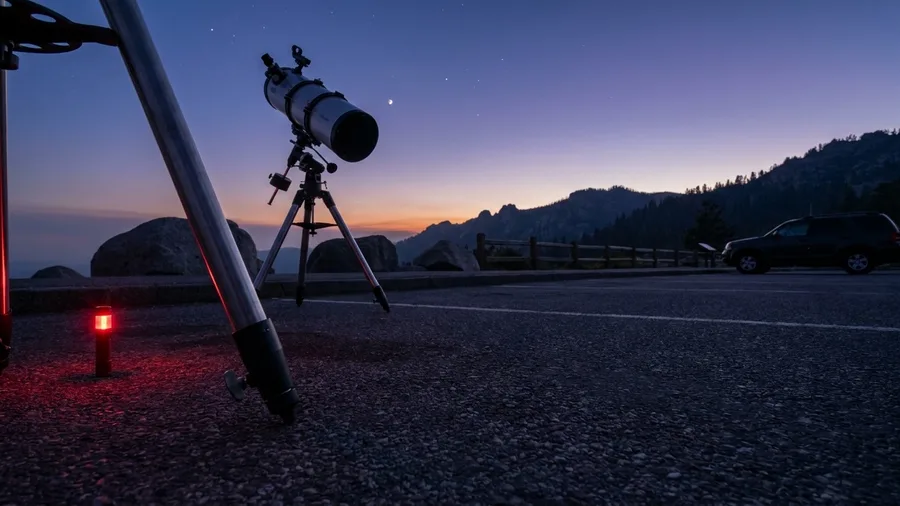
Night-sky programs are the free hour that follows the daylight ones, loaner telescopes included, and they start about 30 minutes after sunset. Dark-sky destinations across America run similar nights. That puts the whole show in a window many visitors sleep through.
The gear is provided: a scope on a tripod and a red-light flashlight so nobody's night vision dies. Keep your white torch in the bag, it will get you a sharp word. A jacket and blanket earn their place, because the viewing lot runs cold even in midsummer. Dates are seasonal and a cloudy sky cancels them, so the confirmation you trust is the park's official calendar on the day, not a printed annual guide. Free removes the telescope cost; weather and schedule decide whether the night happens at all, and your prep is warmth plus one same-day check.
💡 Tip: Arrive before full dark to let your eyes adjust. The first ten minutes are the hardest to sit through and the clearest viewing of the night.
What You Can Fit in a Day
4. The in-park shuttle that skips the traffic
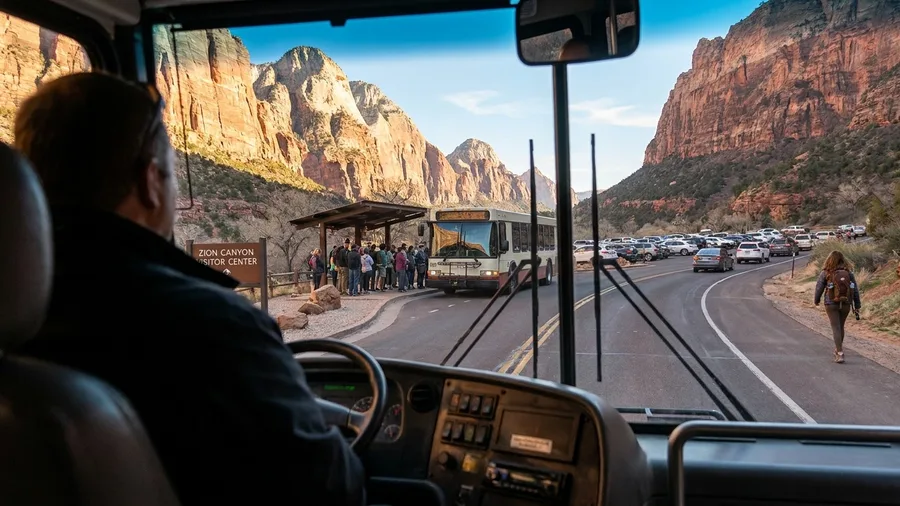
A night program costs you an evening and hands you a patch of dark sky. The shuttle costs you nothing at all and gives back a parking space, which in Zion in July is the rarer commodity. Several parks run these free loops, and Zion's is the one people name first.
It runs roughly March through November, every 5 to 15 minutes, boarding at the visitor center and the stops in Springdale. Riding is free, but the entrance fee is separate: check the current rate and any free-admission days on that park's own nps.gov page before you budget the day. Summer trailhead lots fill by 8 a.m., so the shuttle removes both the parking hunt and the crawl around the traffic loop – the trade is simple, a few minutes of waiting against however long you would spend circling.
Read the posted last-bus time before you commit to a late trail, because the timetable ends whether or not you are on the last car back. It suits families with small legs and anyone who would rather not drive a switchback after dark; it does not suit a photographer chasing a specific light on a specific wall – the queue and the fixed stops will cost you that shot.
🌱 GROWING TIP
Ask for the gear the day before
Binoculars, snowshoes and telescopes are loaned free, but the supply is limited. The ask at the desk the day before is what gets you the pair, not the one at the trailhead.
5. Visitor center film and exhibit hall
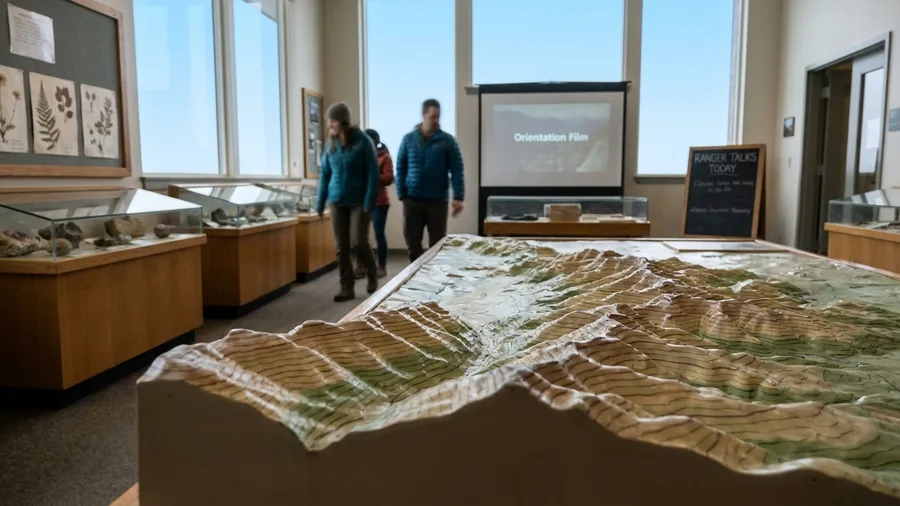
A known trail closure is the case that matters here – the shuttle only helps if the paths you came for are actually open, and rain or a slide can erase them by the hour. The visitor center is where the day gets rebuilt, so go at opening, not at ten.
The orientation film runs 15-20 minutes on a loop, the relief map and exhibit cases are free, and the ranger desk is the quickest answer on which trails are shut. Plan 45 minutes for the film, the map and the questions. Photograph the ranger talk board by the door before you leave; restrooms, water refill and benches round out the value on a wet day.
💡 PRO TIP
The board is fresher than the app
Ranger programs are posted a day ahead at the visitor center desk and on the official calendar. If the app and the board disagree, the board was written by the ranger leading the walk.
6. Campground amphitheater ranger talks
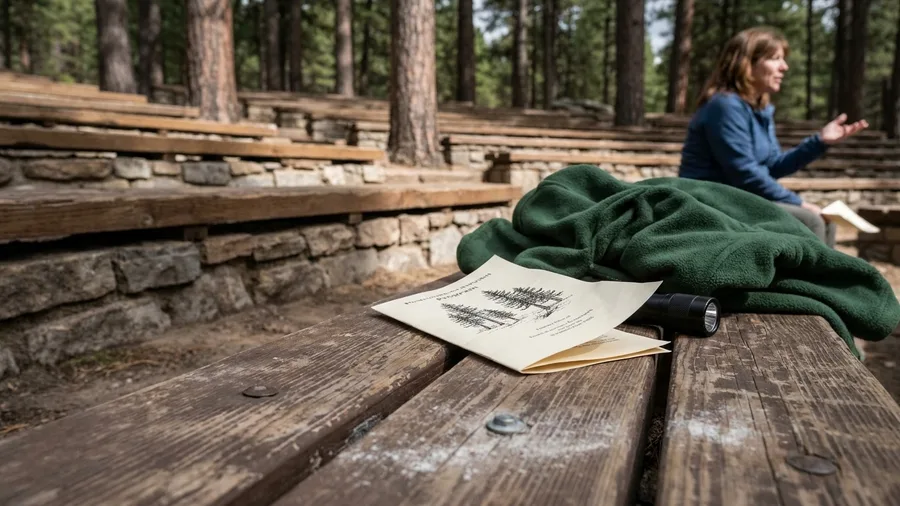
Forty-five minutes, roughly 8 p.m., no ticket – the campground amphitheater is the cheapest evening in the park. The ranger talk board you passed at the visitor center that morning names the night's subject, so the day's indoor hour pays off after dinner.
The format is a campfire without the smoke: a seated audience, a ranger with a slide or a skull, and benches hard enough to make you glad you brought a layer. Doors are not the point here.
Topics go up that morning on the campground board and at the visitor center desk; today's subject is often yesterday's sighting, so the birds and plants you passed on the trail turn into the talk. It is the one item on this list that works better the less you planned, provided you read the board first.
Non-campers usually walk in, but access rules vary by park, so ask at the desk rather than assume the gate is open to all. Bring a torch for the walk back – the path out is dark and unlit.
The evening costs no money and slots in after dinner. What you spend is a late walk and a hardwood seat, and for that you get the park's best stories with the day's heat gone.
7. Historic walk in the gateway town
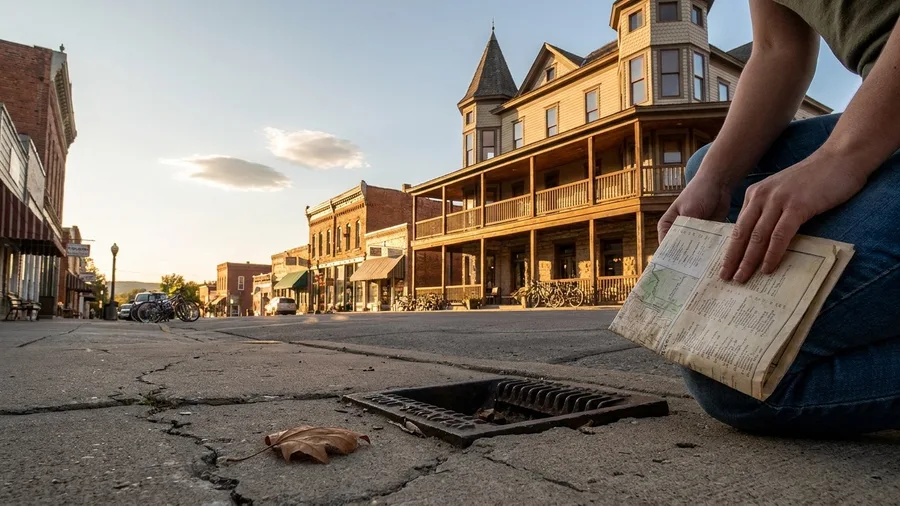
The paper map at the gateway town's visitor center or chamber of commerce desk, and the walking time to use it. Ask for the self-guided historic walk sheet, and you get a folded route through storefronts and the old railroad hotels without downloading anything or paying for a tour.
Allow 45 to 90 minutes for 1 or 2 miles, with benches and a coffee shop placed along the way so the walk doubles as a break. Do it before the entrance queue builds in the morning and it absorbs half a day outside the boundary; save it for a storm or a late arrival and it keeps a gridlocked park day from being wasted. When the entrance line refuses to move, this is the option that still works.
⚠️ COMMON MISTAKE
Don't treat the tide page like the events calendar
Tidepool walks are timed to a minus tide, and the schedule sits on the park's tide page, not the general events calendar. Check the tide, not just the date.
8. Low-tide ranger walks on the shoreline
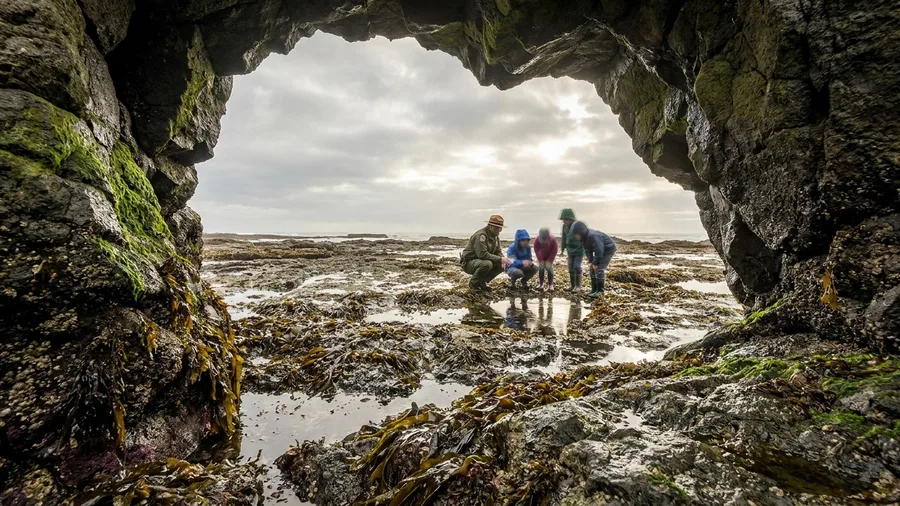
The smell of exposed rock at low tide, salt and kelp, hits before you see anything: rangers walk groups onto Olympic's Kalaloch and Ruby Beach flats or Acadia's shoreline, pointing out anemones and crabs that most beach strollers pass without noticing. These walks follow a minus tide, and the schedule is on the park's tide page, not the general events calendar you may already have bookmarked.
Plan 1 to 2 hours on wet, slick stone and wear shoes with real grip. Bring a question, not a bucket: the ranger's rule is look, do not move or pocket anything. No aquarium ticket is involved, but the water sets the appointment, so you build the day around low tide rather than around lunch.
Shoreline Walk — At a Glance
🎟️ Cost
Free; entrance fee still applies
👥 Group size
10–25, no booking
📅 Missed it?
No backup walk; tide sets it
❓ Bring
A question, not a bucket
🔗 Check
Current tide page + entrance rate on nps.gov
The failure mode
If the tide page shows no minus tide during your dates, there is no walk to join — build that day around something else.
9. Winter snowshoe walks with free loaner gear
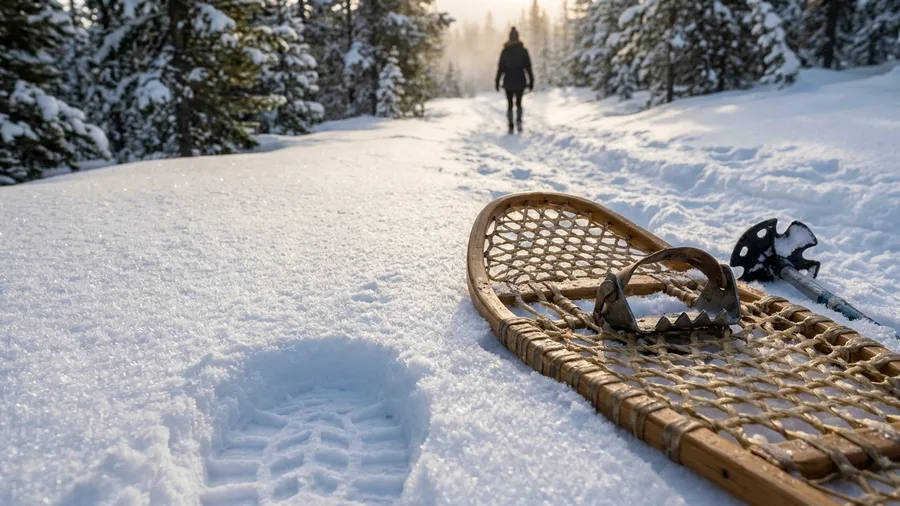
Loaner snowshoes are capped at roughly 20 pairs, handed out first come, so a late start means watching from the trailhead. The walks themselves run about 2 hours on weekends and assemble at the visitor center, with poles supplied and no experience needed.
Dress in layers and waterproof boots. Cotton is the mistake that ends the morning early, because once it soaks through, the cold goes straight to the bone.
Where tidepool walks wait on the sea, these wait on snow, and a thin snowpack cancels the walk entirely, so check the park's winter page the morning of. The advantage is yours if you arrive early and ask at the desk rather than owning any gear at all.
10. Early ranger bird walks with loaner binoculars
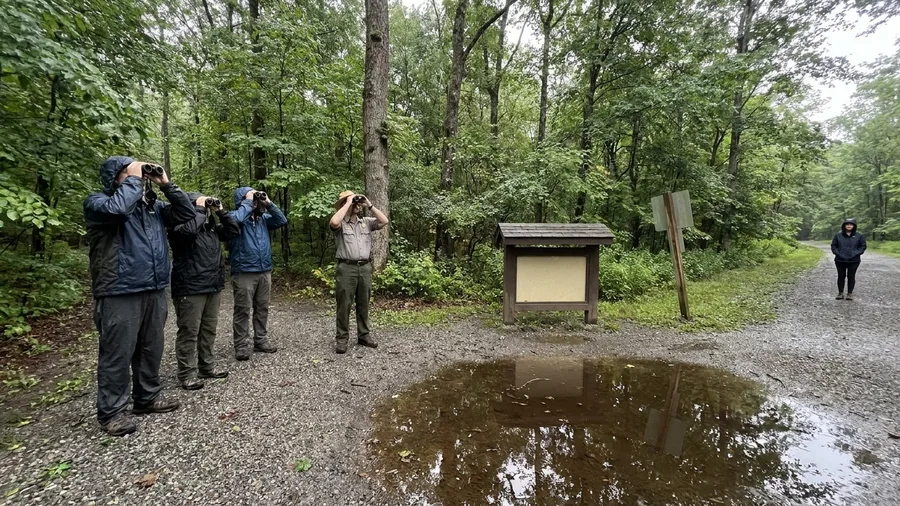
A ranger bird walk starts between seven and eight in the morning, and that hour is the whole point.
Arrive at the meeting place and the birds are still moving through the understory to feed, singing from exposed perches, before heat and people push them into cover for the middle of the day. The walk takes 60 to 90 minutes, covers ground slowly, and stops every few minutes to listen. Loaner binoculars are on request, but ask at the desk the day before, not at the trailhead, where the few pairs on hand have already gone out; the early ask is the same move as getting your name down for a loaner snowshoe, and it matters just as much.
A free checklist waits at the desk too, and it names what is actually being seen that week, so a spring morning can bring arriving songbirds and shorebirds through on their way north. Etiquette holds the group together: no call playback, no flash, quiet feet. The cheapest wildlife intro you will find is a borrowed pair of binoculars and an alarm set early, and the ask happens the day before.
💡 Tip: Scan the checklist before you go out. Knowing three likely species by silhouette makes the first ten minutes far less frustrating.
Frequently Asked Questions
Is everything on this list really free?
The programs and loaner gear cost nothing, but the park entrance fee still applies. Check the current rate and the free-admission days on that park's own nps.gov page.
Do I need to book ranger programs in advance?
No. Most ranger-led walks are posted a day ahead at the visitor center desk and on the official calendar, and you simply show up. Groups typically run 10 to 25 people.
What should I bring to a ranger-led walk?
Water and closed shoes are the basics. For evening programs add a jacket and a blanket, and for night-sky events bring a red-light flashlight or leave the white one in the car.
Are Junior Ranger booklets only for kids?
Ask at the desk. Plenty of parks hand the booklet to adults too, and the badge is given when the activities are finished. It takes 20 to 60 minutes depending on the age tier.
How do I find out about tidepool walks?
Check the park's tide page, not the general events calendar. Tidepool walks are timed to a minus tide and run 1 to 2 hours on wet, slick rock, so grippy shoes are the equipment.
What happens to these programs in bad weather?
Outdoor walks and night-sky programs are often cancelled for weather. Check the official calendar the morning of, and fall back on the visitor center film, exhibits and ranger desk.
Pick One Program for Your First Morning
Check the park's official calendar the night before you arrive and pick the single program that lands on your first morning. Everything after it stacks behind that fixed time: walk, then visitor center, then shuttle or gateway town, then an evening talk if you still have legs.
Entry is still paid. Several of these need a diary entry rather than a wallet, and the gear ones, snowshoes, binoculars, telescopes, reward whoever asks at the desk first.
Free stops being a weak detour once the program is ranger-led and the time is written down. The schedule and the desk are the real currency; one morning chosen the night before turns a budget trip from a list of viewpoints into a day with a plan, and no paid tour booking is needed.
Check the Calendar Before You Go
Open your park's nps.gov page tonight and find the one ranger program on your first morning. That is the whole plan.