The patio heater clicks off at nine in Tucson and the air still holds the day's warmth, which is the moment the Florida question usually starts.
Most people arrive at this decision with Orlando already half-booked. The working example here is a retired couple taking the same three-month January-to-March stay everywhere on the list: a one-bedroom rental and a mid-size car kept for two of the three months.
Run the numbers and Florida stops being the variable. One-bedroom winter rents across these eleven places run about $1,100 to $3,400 a month, so the same stay costs roughly $3,300 or $10,200 before you add a single flight. Airfare from a Midwest hub runs $250 to $450 a person to Phoenix, Tucson, Las Vegas or San Antonio, and $350 to $550 to San Diego, Charleston or San Juan, while a mid-size rental car runs $500 to $800 a month in these markets.
Rent and car keys decide this, not the state line. By the end you should be able to cross off most of the eleven, name two finalists by the trade you would accept, and book a two-week test stay before committing to a month.
Eleven non-Florida winter bases, priced on one three-month stay, so you can pick the place whose trade you would actually make again next year.
Quick Tips Before You Start
Book three to six months out
Winter rentals in Yuma, Tucson and Gulf Shores fill early; ask whether a 30-day minimum applies.
Price the car separately
A mid-size rental runs about $500–$800 a month in these markets, so $1,000–$1,600 for two months.
Ask about tax residency
A three-month stay can trigger state tax questions; confirm with the state revenue department before you sign.
Check the lows, not just the highs
Desert afternoons hit 70°F but mornings sit near 40°F; pack layers for the first and last hour of the day.
Fly into the small airport
Tucson, Palm Springs and San Diego have airports close to the rental; the extra fare often beats a two-hour drive.
1. Tucson, Arizona: Dry Desert Value
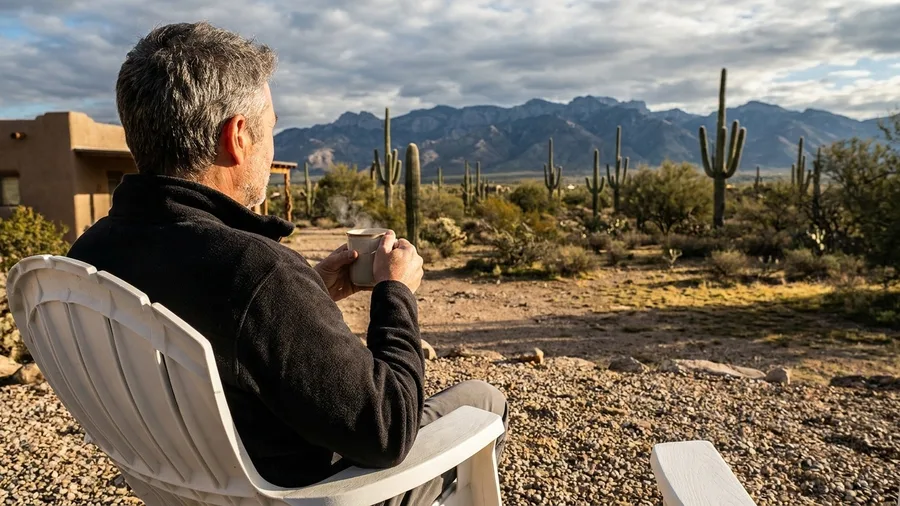
A one-bedroom here runs $1,300 to $1,700 a month, so the three-month January-to-March stay lands between $3,900 and $5,100, and round-trip airfare from a Midwest hub adds about $250 to $450 a person. That price buys a January afternoon in the high 60s and low 70s, with mornings near 40 that call for a jacket at breakfast and shed it by lunch.
The slow hour is the one you spend in a plastic chair at the edge of the desert floor, hands wrapped around coffee, watching the light come sideways across the saguaros while the cold lifts off the rocks. Most rentals are not within walking distance of the Santa Catalina or Saguaro trailheads, so cheap-and-slow here means a car in the driveway for the grocery run and the trailhead both, and two months of mid-size rental at $500 to $800 a month adds $1,000 to $1,600 back on.
This is the pick for hikers and budget-first snowbirds who want a hospital, a library and an airport within city limits and would rather have those than a resort pool.
💡 Tip: Most rentals are not walkable to groceries, so budget two months of mid-size car at $500–$800 a month, or $1,000–$1,600.
💡 PRO TIP
Ask About the 30-Day Minimum
Many winter rentals in Tucson, Yuma and Gulf Shores are priced for a month or longer, not a week. Confirm the minimum stay and whether utilities are included before you put down a deposit.
2. Palm Springs, California: Walkable Desert Style
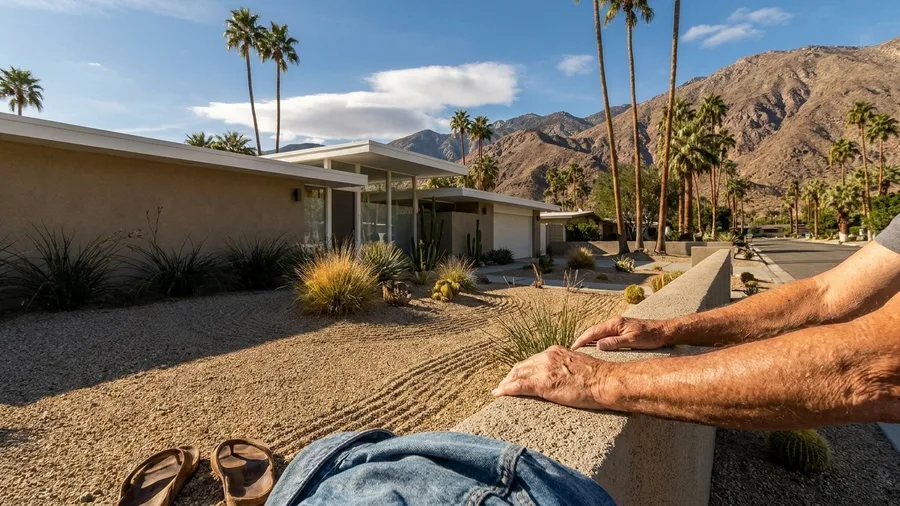
At nine in the morning the air still has teeth in it and the mountains hold the sun a minute behind the valley, then the light comes over the ridge and the whole street warms ten degrees in an hour. January afternoons top out at 70 to 74, the warmest desert numbers on this list, and the moment that sun drops the temperature falls to near 45 and the jacket goes back on.
Walking is what the rent is for. Dinner, coffee and the architecture stroll downtown happen on foot, and canyon trailheads sit about 20 minutes out by car. A one-bedroom rents for $1,900 to $2,600 a month, or $5,700 to $7,800 for the stay, roughly $600 to $900 a month above the drier, plainer desert town a few hours east.
A car still earns its $500 to $800 a month if Joshua Tree or errands beyond the center are the point, but it can sit parked for days at a time, which the cheaper desert option never allows. The extra money buys restaurants, mid-century facades and pool afternoons, not a cheaper winter.
It suits couples who want to walk to dinner and still reach a trailhead without living out of the car. It suits less well anyone who ranks a low monthly number first: a frugal retiree will feel the $600 to $900 premium every month and get nothing warmer for it. And if a pool is the whole point, this is a fine place to own one – just know the mornings are pool-in-a-fleece, not pool-in-January-Florida.
What the Three Months Actually Cost
Rent and car figures are typical winter ranges; confirm current quotes before booking.
3. Yuma, Arizona: Cheapest Warm Base
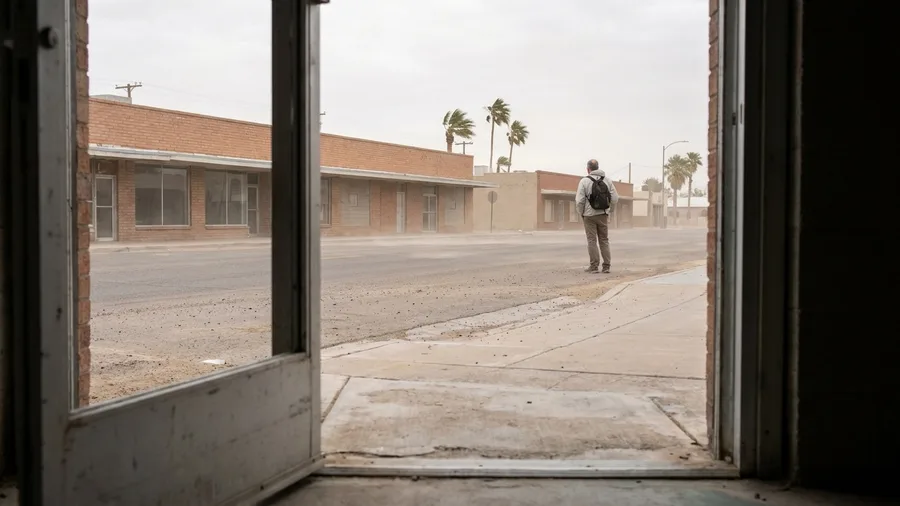
Walk the old downtown blocks before nine in the morning, before the sun turns the pavement bright and the snowbirds come out, and Yuma tells you what it is: low buildings, flat angles, no crowd between you and a coffee window. The warmth arrives early here and stays honest, and you feel the difference from a resort town within a single block.
January afternoons land between 69 and 73 degrees with sun on most of them, so mornings are for a jacket and midday is shirtsleeves. The rent is the reason to come: a one-bedroom runs roughly $1,100 to $1,500 a month, about $3,300 to $4,500 for a January-through-March stay, and that is the lowest figure anywhere on this compare. The catch is a car, so budget about $500 to $800 for a monthly rental across all three months rather than only two, because errands here stretch across a sprawling grid and daily life without a set of keys is a chore.
Long-stay apartments in Yuma are built around winter visitors, so the calendar is your friend and your risk: book three to six months ahead and ask directly whether a 30-day minimum applies, since short blocks get priced differently than a season. Pick Yuma if the ranking you care about is sun, grocery runs and a simple routine, and nightlife and scenery rank lower.
💡 Tip: Rank sun and errands above nightlife and scenery and Yuma wins on price; if you want a downtown to walk, look at Palm Springs or Charleston instead.
| Place | Winter daytime feel | Typical 1BR monthly rent | Car needed? | Best for |
|---|---|---|---|---|
| Tucson, AZ | 68–72°F, dry, cool mornings | $1,300–$1,700 | Yes | Hikers and budget snowbirds |
| Palm Springs, CA | 70–74°F, cool evenings | $1,900–$2,600 | Optional | Walkable desert style |
| Yuma, AZ | 69–73°F, reliably sunny | $1,100–$1,500 | Yes | Lowest rent |
| St. George, UT | 52–58°F, cold nights | $1,600–$2,100 | Yes | Red-rock scenery |
| Las Vegas, NV | 58–63°F, cold evenings | $1,500–$2,100 | Optional | City services and flights |
| San Diego, CA | 65–68°F, mild nights | $2,600–$3,400 | Optional | No-car coastal city |
| South Padre Island, TX | 68–72°F, cool water | $1,200–$1,700 | Yes | Quiet beach winter |
| Gulf Shores, AL | 60–64°F, cold mornings | $1,200–$1,700 | Yes | Affordable Gulf Coast |
| Hilton Head, SC | 60–64°F, flat paths | $1,800–$2,500 | Optional | Bike-friendly island |
| Charleston, SC | 58–63°F, cool | $2,000–$2,700 | Optional | Historic walkable winter |
| San Juan, PR | 82–84°F, warm evenings | $2,200–$3,200 | Optional | Warmest island base |
4. St. George, Utah: Red-Rock Mild Winter
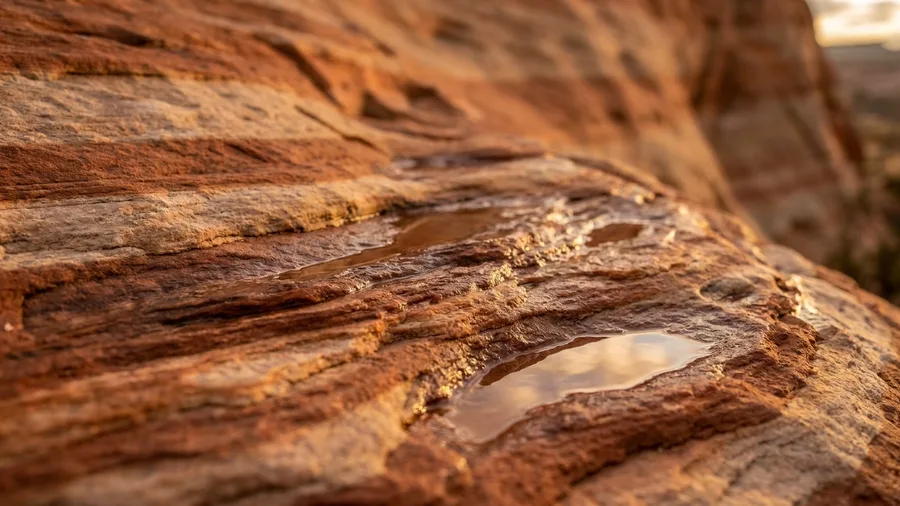
Yes, if you will wear a coat at breakfast.
St. George runs January highs of 52 to 58°F with nights near 30°F, the coolest daytime high on this list. A one-bedroom winter rental runs roughly $1,600 to $2,100 a month, more than a sunnier desert base costs, and the scenery is what you are paying for. Plan on driving: Zion's south entrance is under an hour out, and the city is spread wide enough that groceries and errands mean getting in the car. If you hike and want conveniences without a resort markup, this is the trade: daytime warmth given up, national-park access returned. Golfers weighing a warmer red-rock base can check Southwest golf bases in January for green fees and frost rules.
5. Las Vegas, Nevada: City Convenience, Desert Climate
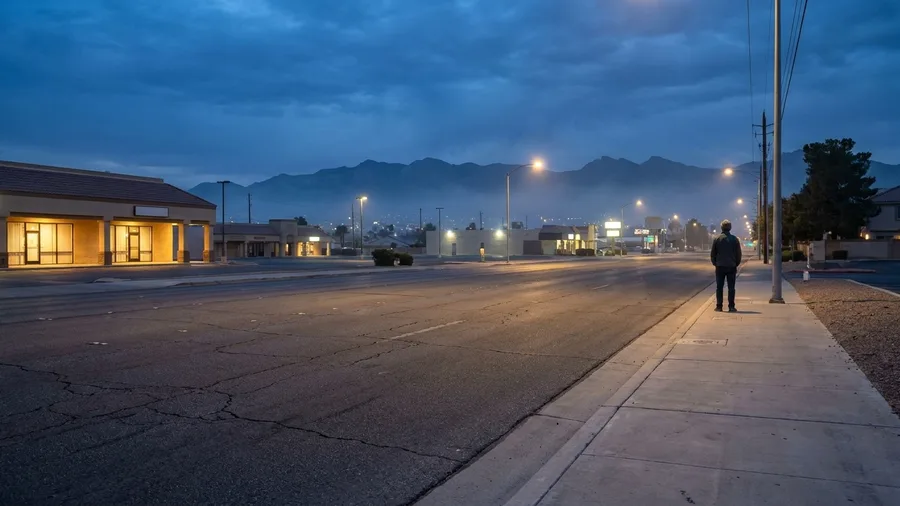
If you want your winter to come with an airport that half the country can reach in one hop and a grocery store open at midnight, Las Vegas is the practical base and the desert is the backdrop. After a stop that sells red rock and a jacket at breakfast, this is the opposite trade: you give up the postcard scenery and buy full city services, deep rental stock and a flight schedule that makes a mid-stay visit from the grandkids a real plan instead of a fantasy.
The climate is milder than the Strip's reputation suggests. January afternoons sit around 58 to 63°F, which is shirtsleeve if you're moving and thin-jacket if you're sitting, and the evenings drop near 40°F once the sun is gone, so pack for two seasons in one day. What you gain over a resort town is a functioning city in winter: the hospitals, the libraries, the restaurants and the errands all keep full hours because the place never really slows down.
The rent is the reason to look closely. A one-bedroom in winter runs roughly $1,500 to $2,100 a month, and the stock is unusually deep for a reason: this market was built to house people for a week or a season, so short-term furnished units are everywhere and you're not fighting for the one cottage in town. Flight deals from a Midwest hub typically land between $250 and $450 a person round trip. Residents head for the suburbs and the neighborhood casinos rather than the Strip for dinner and errands, which keeps daily life away from the crowds.
A car near the Strip or downtown is genuinely a choice, not a requirement. You can walk or ride to most of what makes the city work, but if Red Rock Canyon and the suburban supermarkets are part of your week, the mid-size at $500 to $800 a month earns its keep. Book a two-week test stay first and confirm the terms on any furnished rental before you commit a whole season. This base suits retirees who want restaurants, entertainment and easy flights more than long walks on the sand.
6. San Diego, California: No-Car Coastal City
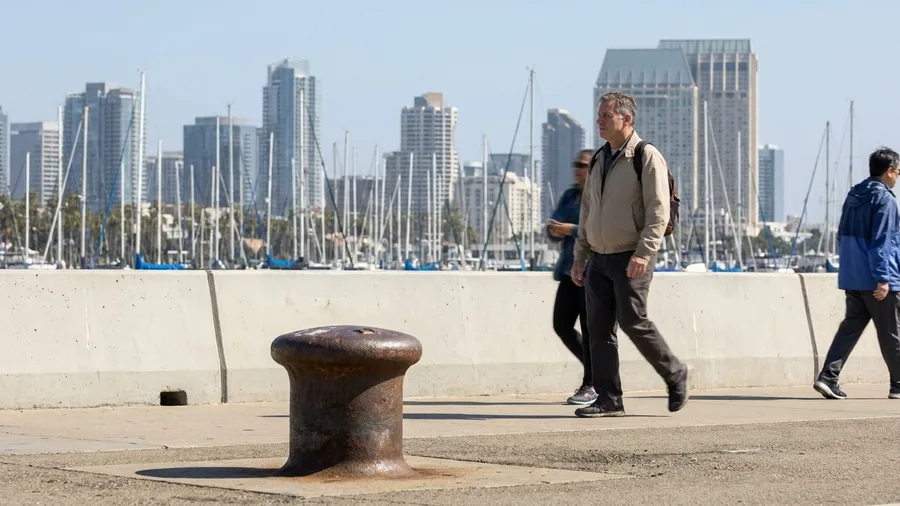
At the coast the same test costs nearly double and asks less of you: here you can genuinely put the car keys in a drawer for a month, where the desert city still needed a vehicle for the trailheads and the far errands. The catch is the rent, which is the highest on the whole list, so the trade is explicit: you are paying a premium per month to skip the rental car and spend your days on foot.
The weather is what makes that trade pay off. January highs hold around 65 to 68°F and the nights stay near 50°F, warmed by the ocean air, which means the mildest evenings of any mainland base on the list. You can sit outside at nine at night in a light sweater, and that single fact changes how a three-month stay feels more than a few degrees of afternoon heat ever will.
One-bedroom winter rentals run roughly $2,600 to $3,400 a month, or about $7,800 to $10,200 across the stay. That is the top of the market here, and the money is buying the car-free day rather than square footage: if the same budget elsewhere meant a bigger apartment and a rental car in the driveway, this is where you decide the small walkable flat wins. Airfare from a Midwest hub tends to run $350 to $550 a person round trip, and you'll want to book the rental three to six months ahead in this tight market.
In downtown, Little Italy and La Jolla, you can string together a whole week on transit, on foot and with the occasional rideshare. Skip the car and you save about $1,000 to $1,600 over the two months the example couple would have kept one, which quietly offsets a chunk of that rent. The trade is real and it is not for everyone: you will have less space and pay more per month, and if you want day trips up the coast or out to the desert, that saving evaporates.
This is the pick for retirees who will happily swap square footage and budget for mild coastal evenings and a life you can run without a steering wheel. Test it for two weeks first, in the neighborhood you think you'd rent in, and see whether the walking life actually holds up. If it does, the car keys stay in the drawer.
San Diego — The Numbers Behind the Trade
📅 3-month rent total
$7,800–$10,200
⚖️ Rent vs. Yuma/Tucson
About 2x
🚗 Car saved (2 months)
$1,000–$1,600
🌙 Nighttime lows
Near 50°F
🗓️ Book rental by
3–6 months out
Skip it if
You want coast and desert day trips — the car-free saving disappears fast.
7. South Padre Island, Texas: Quiet Beach Winter
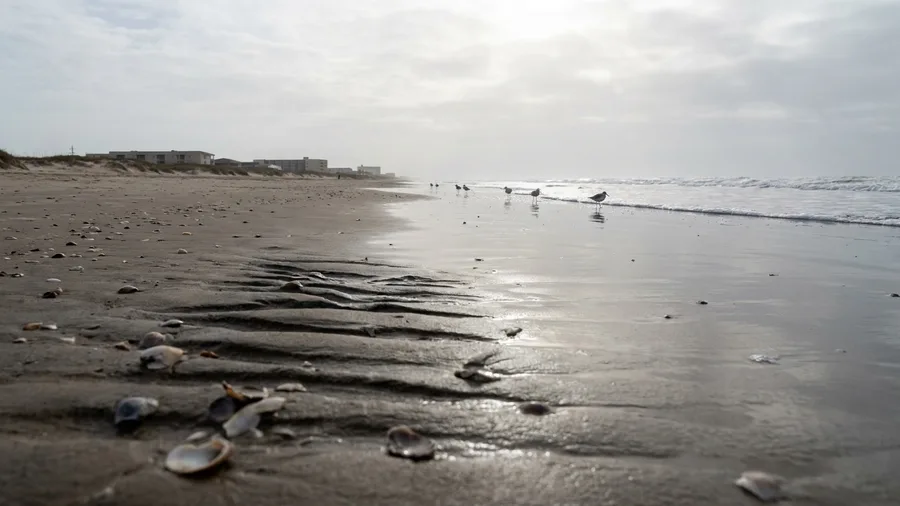
Go in knowing the swimsuit stays in the drawer. January afternoons here land at 68-72F, warm enough for a t-shirt on the sand, but the Gulf off South Padre stays cool enough that most people wade to the ankle and stop; the days get carried instead by long beach walks and by birding, since the island sits on a major migration route and the flats behind the dunes fill with shorebirds through the winter.
That trade is what keeps the rent low. A one-bedroom winter rental runs $1,200-$1,700 a month, or $3,600-$5,100 for the January-March stay, which is beach access at close to what the desert towns charge. The island clears out after New Year's: low-rise buildings, no traffic on the main road, hours of sand with a handful of other walkers on it and none of the Florida spring-break density. A car is non-negotiable, though. Groceries, the pharmacy and anything beyond the island mean crossing the causeway to the mainland, so budget the $500-$800 monthly rental for the full stay rather than trimming it. This one suits beach walkers and birders who want quiet over nightlife, and anyone who needs a restaurant row at 9pm should look elsewhere.
How the Winter Unfolds on South Padre
Island conditions vary by year; confirm events and closures before you commit.
8. Gulf Shores, Alabama: Affordable Gulf Coast
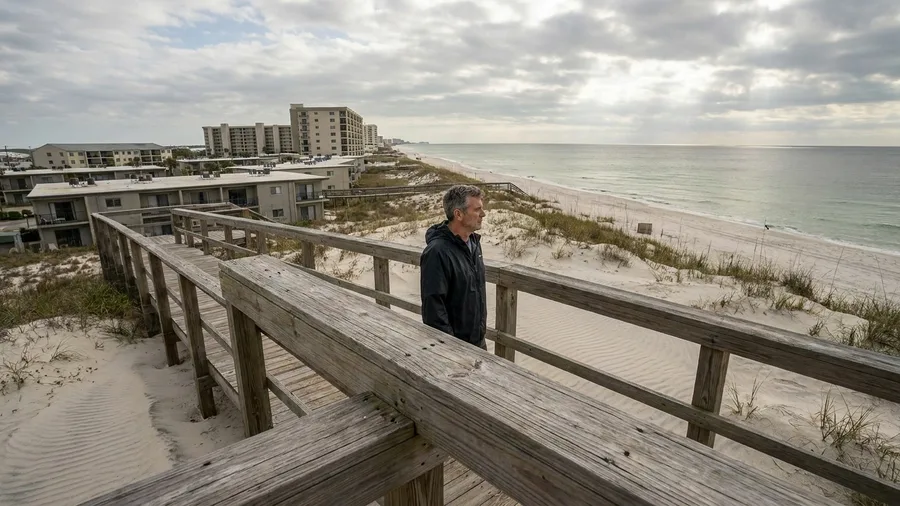
Gulf Shores is a family beach town that spends summer packed with condos full of kids and, from January through March, turns into something much slower and cheaper. Midday highs sit at 60-64F with mornings near 42F, so you walk the sand in a jacket and skip the swimming entirely. What you get for putting up with that is the same Gulf water as the Florida panhandle, with a real town attached: restaurants open through the winter, grocery stores a short drive inland, and day trips to Mobile or Pensacola inside an hour.
The rent is the argument. One-bedroom winter rentals run $1,200-$1,700 a month, putting Gulf Shores in the same price band as the cheapest beach base on this list, but with noticeably more open in the off-season. You need a car for groceries, dinner and those day trips, so keep the $500-$800 monthly rental in the budget. The daily routine here is a long walk on the sand, a slow lunch, and not much else, which is either the point or the dealbreaker.
Come for beach proximity at a lower rent and a genuinely quiet off-season; skip it if you want nightlife, warm water, or a town you can walk end to end. The crowd that shows up in June is gone, and the ones who stay through February are there for exactly that.
💡 Tip: Ask the rental owner which restaurants stay open in January; a few close for the season, and the ones that stay open are where the locals eat.
Beach Winter: Decision Card
South Padre Island
- Choose if you want the lowest beach rent in the $1,100-$1,400 band
- Choose if you will use the birding and nature trails weekly
- Choose if a lack of winter restaurant choice is fine
- Car needed: budget $500-$800 per month
- Book rental 3-6 months ahead; confirm 30-day minimum
Gulf Shores
- Choose if you want the same rent band with more open in winter
- Choose if an hour to Mobile or Pensacola matters
- Expect mornings near 42F, colder than South Padre
- Car needed: budget $500-$800 per month
- Verify Alabama tax-residency and insurance rules
9. Hilton Head, South Carolina: Bike-Friendly Island
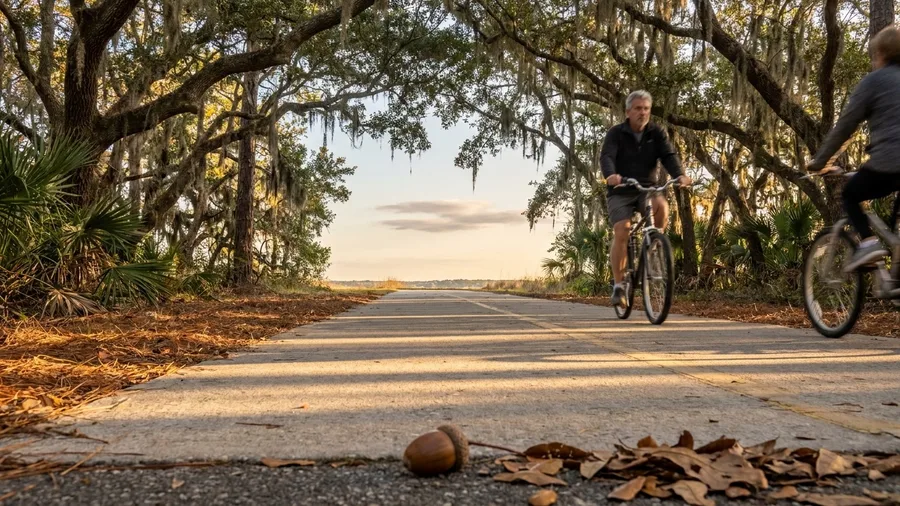
On Hilton Head, largely yes. The island runs on a flat network of paved paths shaded by live oaks, and bikes handle a good share of daily trips, groceries and beach access included. January highs of 60-64F and lows near 40F mean a jacket on the morning ride and a pleasant afternoon one. The trade is money: one-bedroom winter rentals run $1,800-$2,500 a month, roughly $600-$800 more than the Gulf Coast towns, and the rent is buying the low-stress, bike-first version of the off-season.
A car stays useful for off-island errands and the airport, but it is not a daily need, so you can trim the $500-$800 monthly rental rather than carry it the full stay. Here the second vehicle is a bicycle. The paths connect the beaches, the tennis courts and the shops, and the flat terrain means a 10-mile ride is a normal morning rather than a workout.
It suits active couples who want tennis, flat paths and a quiet winter, and it is the wrong pick if you want nightlife or a walkable downtown of restaurants. For the Atlantic version of the Gulf's off-season calm, with the car keys mostly retired, this is the one.
📋 Book a Winter Stay in Four Steps
Pick your trade
Choose whether you are buying warmth, walkability or low rent first.
Book the rental
Reserve three to six months ahead and confirm the 30-day minimum.
Price the car
Decide if you need it for two months or all three, then reserve.
Book the flight
Fly into the closest airport; the fare difference is often worth it.
10. Charleston, South Carolina: Historic Walkable Winter

A peninsula address in Charleston costs more than the same square footage anywhere nearby, and the premium is not the apartment – it is the corner. Expect $2,000 to $2,700 a month for a one-bedroom in the historic district, which lands the three-month stay near $6,000 to $8,100. That is a real step up, and the only way it pays back is if you actually walk out the door every day.
January highs here run 58 to 63 degrees with lows close to 40 – cool enough for a jacket, warm enough that the cold never becomes the story, and nothing like the South Florida heat you were trying to escape. The grid is old rather than designed: you leave the rental and hit 18th-century streets, church spires, and a restaurant row dense enough that dinner is a five-minute decision. The dish to build an evening around is she-crab soup, a creamy local bowl with crab roe and sherry, running about $9 to $14 a cup or bowl at the old-line places; order it early in the stay and compare. Keep the car only if the beaches and the plantation day trips are the point – otherwise let it sit or skip it, since downtown days pass with the keys in a drawer and the $500 to $800 monthly rental buys excursions, not groceries.
11. San Juan, Puerto Rico: Warmest Island Base
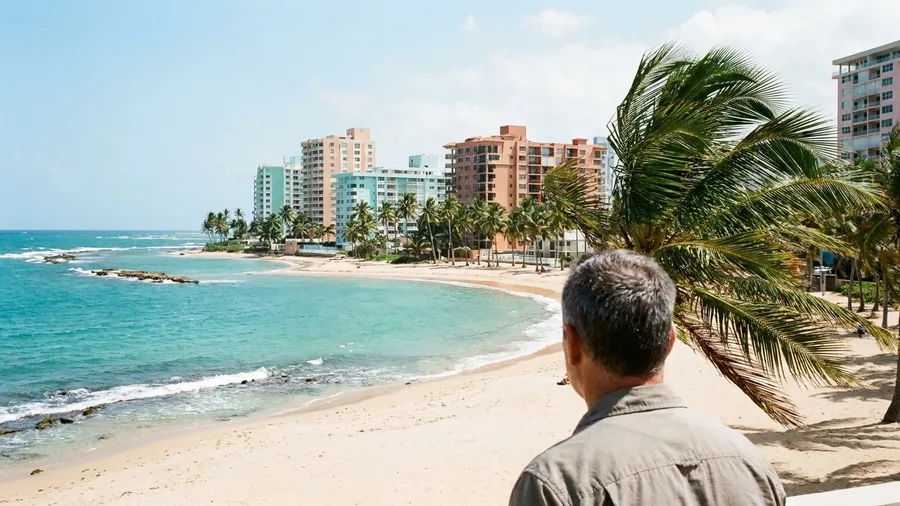
Charleston's walk is a cool one; this is the only base on the whole list where you eat breakfast outside in a T-shirt and the evening never asks for a jacket. January highs sit at 82 to 84 degrees and the lows stay near 72, so the air stays warm after dark – genuinely tropical, and warm all the way through.
A one-bedroom in Condado or Ocean Park runs $2,200 to $3,200 a month, which is U.S. soil and a real city at the same time: groceries, pharmacies, a hospital, and a beach district you can cross on foot. The car turns optional here, and what the $500 to $800 monthly rental buys is El Yunque and the island beyond the city, not errands. The bill comes in two lines – humidity that never lets up, and flights from a Midwest hub at $350 to $550 a person. If you want heat and city life and will sign for both, this is the warmest winter you can have without a passport.
💡 Tip: Book a place with a generator or a backup water supply; brief utility outages are more common on the island than on the mainland.
Frequently Asked Questions
Is a three-month winter stay cheaper than Florida?
Often, yes. Desert and Gulf Coast one-bedrooms run $1,100–$1,700 a month in this example, while Florida beach markets in winter often ask more. The car can erase the savings if you rent one for all three months, so price both before deciding.
Do I need a car in these places?
It depends on the place. Tucson, Yuma, St. George, South Padre and Gulf Shores need one for daily errands. Palm Springs, Las Vegas, San Diego, Hilton Head, Charleston and San Juan can work without one if you stay in the walkable core and use transit or rideshare for the rest.
When should I book a winter rental?
Three to six months ahead for the popular snowbird markets — Yuma, Tucson and Gulf Shores fill earliest. Ask whether a 30-day minimum applies and whether utilities are included before you sign.
How warm is warm enough in January?
Low desert afternoons on this list run 65–75°F, Gulf and Atlantic South 60–70°F, San Diego 65–68°F, and San Juan 82–84°F. Mornings are cooler everywhere except San Juan, so pack layers for the first and last hour of the day.
Do I owe state taxes if I stay three months?
A three-month stay can raise residency questions in some states. Check with the state revenue department before you go, and keep your home state's ties clear if you plan to repeat the trip.
Can I try before committing to a month?
Yes, and you should. Book a two-week test stay in the region you are considering, walk the neighborhood, and check the grocery run before you commit to a full three-month rental.
Pick Your Trade, Then Test It for Two Weeks
Pick by situation, not by brochure. Dry-desert value goes to Yuma on rent, with Tucson the pick if city services and trailheads matter more. Walkable and no-car goes to San Diego for the mildest nights and Charleston for food and architecture. Quiet beach town goes to South Padre for the emptiest sand and Gulf Shores for a bigger off-season town. Warmest island goes to San Juan, the only 80-degree option.
The same three months runs from about $3,300 in Yuma to about $10,200 in San Diego before airfare and car, so this shortlist is a budget decision as much as a climate one. For a wider field of snowbird towns outside Florida, compare snowbird destinations beyond Florida with January highs and monthly rents side by side. You came in with Florida half-booked; you now have four finalists keyed to the trade you will accept, whether that is rent, car keys, cool mornings or humidity.
So book the two-week test stay in your top region before you commit to a month. Reserve three to six months ahead, ask whether a 30-day minimum applies, and confirm tax-residency and insurance questions with the state revenue department or the provider. Then go back to that patio at nine in Tucson, or its equivalent, and see whether the trade holds.
Start With the Two-Week Test
Pick your top region from the list, book a two-week stay, and walk the daily errands before you sign a three-month lease.