The mistake is hunting for the emptiest beach instead of the emptiest beach you can actually use in January. An empty stretch of sand is not just the summer beach minus people, so the choice among thirteen towns is not mostly about scenery. Winter emptiness is manufactured: cottagers leave, seasonal kitchens open Thursday to Sunday only, lifeguards are gone, restrooms get padlocked, tides swing four to seven feet, and ferries like Ocracoke's and Daufuskie's drop to two to four crossings a day.
January highs on these coasts run 45 to 65°F and the ocean sits between 40 and 58°F. Sunset lands around 5:00 to 5:45pm, so the walk happens before 4pm whether you planned it that way or not. Off-season lodging runs 30 to 50 percent under summer rates, and many inns want two-night weekends.
So the right town is the one whose particular emptiness, whether rain, wind, closures or ferry timing, matches the gear and planning you will actually accept. Pick three and skip the rest, and pick them by trade: Ocean Park or Chincoteague for true winter solitude, Cayucos or Port St. Joe for milder air, Ocracoke or Daufuskie only if the ferry fits. Then check the tide table and start walking before four.
Quick Tips Before You Start
Layer for wind, not snow
A rain shell over two warm layers beats a parka on these beaches; sideways rain is the common January condition.
Tide table before you commit
Tides swing 4-7 feet. Pocket beaches, river mouths and spits become impassable at high tide. Check the local table the night before, not the morning of.
Buy groceries before you arrive
Small-town winter grocery runs are long and many kitchens open Thursday-Sunday only.
Walk before 4pm
Sunset is 5:00-5:45pm and beach access stairs get slick fast once the light goes.
Expect locked restrooms
Seasonal facilities are usually shut in January. Plan around it, not toward it.
Call the ferry ahead
Island towns run reduced winter schedules, often 2-4 crossings daily.
1. Ocean Park, Washington: Long Beach Peninsula
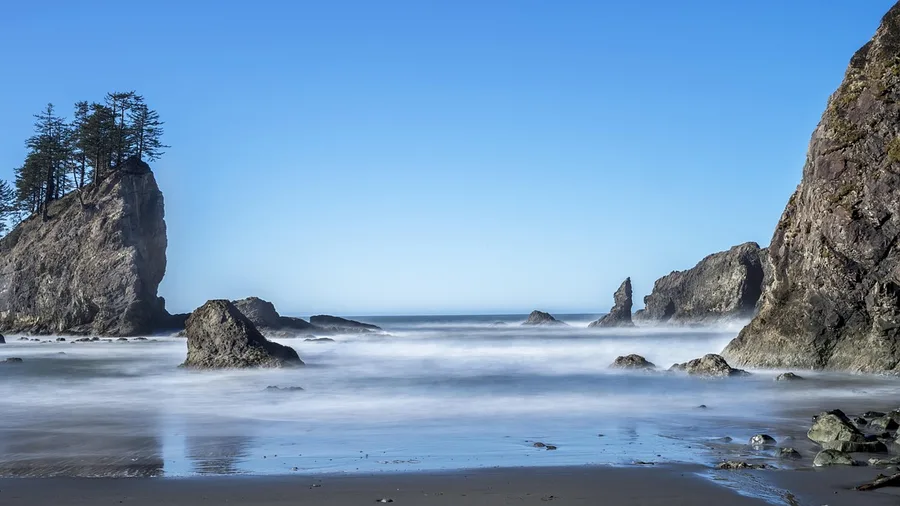
Ocean Park is a cottage town of about 1,500 where the beach is the whole point and the town is the support system. After New Year's the summer renters are gone and the hard-packed sand runs two miles from the beach approach, cars legally allowed but almost never there in winter, widest and firmest at low tide.
This is the entry for walkers who want flat and open, and it is genuinely not for anyone who wants a hot lunch and a full pantry within reach. January highs hold near 47°F with ocean at 45°F, and wind-driven sideways rain is the normal weather, so waterproof boots matter more than a nice coat. Most restaurants open Thursday through Sunday only, so self-supply from the full grocery in Long Beach, 12 miles south, and treat the razor-clam diggers on low tide as your only company. Cold sand walking like this holds up best with the traction and timing covered in these snowshoe-free winter hikes.
💡 Tip: Fill the tank and the cooler in Long Beach before driving north. Twelve miles looks short until it is dark and raining.
| Town | State | January high | Ocean temp | Beach walk | Why it is empty |
|---|---|---|---|---|---|
| Ocean Park | WA | 47°F | 45°F | 2 miles | Summer cottagers gone; clammers only |
| Manzanita | OR | 51°F | 48°F | 7 miles | Post-New Year rentals sit vacant midweek |
| Yachats | OR | 49°F | 48°F | 2.5 mi + 804 Trail | Storm-watching is the only winter draw |
| Port Orford | OR | 53°F | 50°F | 1.5 miles | Working fishing town, no second-home crush |
| Mendocino | CA | 55°F | 52°F | 1 mile + bluffs | Rain and fog keep casual visitors away |
| Bolinas | CA | 57°F | 53°F | 0.5 mile | No signage, no through road, guarded locals |
| Cayucos | CA | 65°F | 55°F | 1 mile | Highway 1 traffic bypasses the beach |
| Chincoteague | VA | 45°F | 42°F | 3 miles | Pony-swim crowds gone; waterfowl season |
| Cape Charles | VA | 46°F | 40°F | 1 mile | Bay beach is a summer family spot |
| Ocracoke | NC | 54°F | 50°F | 16 miles | Ferry-only island, deep winter closure |
| Edisto Beach | SC | 60°F | 55°F | 2 miles | Barrier island, golf carts outnumber cars |
| Daufuskie Island | SC | 60°F | 55°F | 2 miles | Car-free, ferry-only, few winter visitors |
| Port St. Joe | FL | 63°F | 58°F | 1 mile | Panhandle crowds gone, flat bay water |
2. Manzanita, Oregon: Seven Miles of Sand
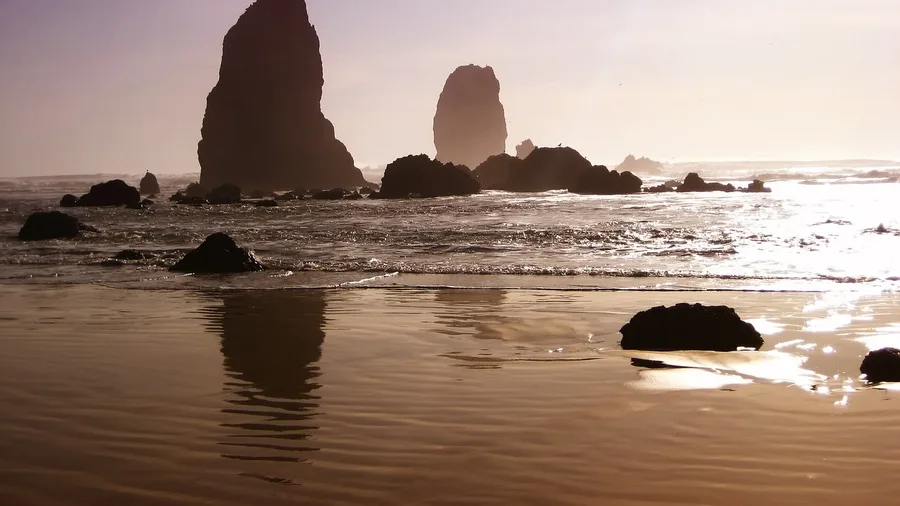
You step out at the end of Laneda Avenue and the sand hisses underfoot, wet and firm, and the whole seven miles of it is yours on a Tuesday in January. Summer rentals sit vacant midweek here, and the beach sits off the highway, so the sound is surf against a low backing of Neahkahnie Mountain.
The strand runs seven miles from the Nehalem Bay spit to the headland, firmest at low tide, and the one thing you must check before rounding Neahkahnie is the tide table, because high water closes the route against the rock. January highs sit near 51°F with water at 48°, and the trade is the same Pacific bargain as a two-mile beach stretched over seven: the town of about 600 empties Monday through Wednesday, so buy groceries in Tillamook and carry your food rather than plan on a cafe.
💡 Tip: The spit end is sheltered and the headland end is not. Start north into the wind so the walk back is easy.
3. Yachats, Oregon: The 804 Trail
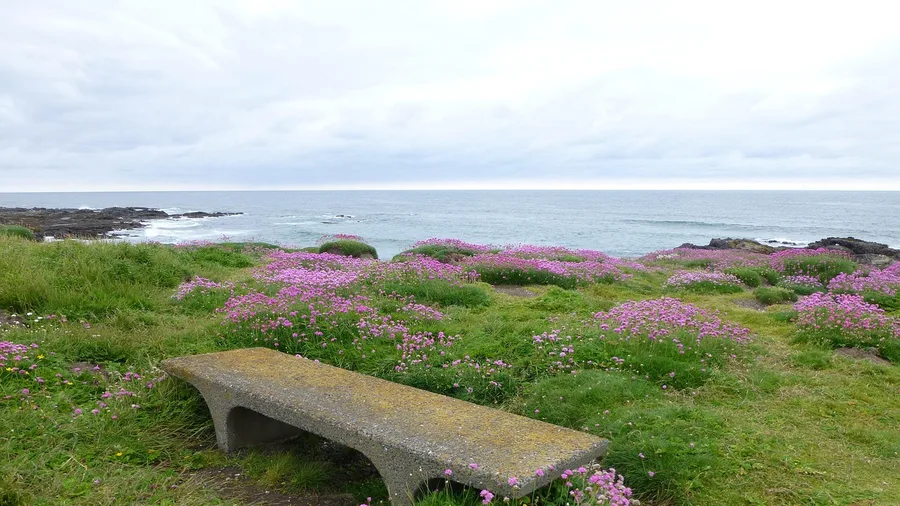
You trade length for variety here. Seven flat miles of sand is one long errand; Yachats hands you two short, entirely different walks from the same parking spot, and a beach that turns to lava rock and spray at the turnaround.
The town is small enough that you can walk the whole waterfront in an afternoon, and in January there is nothing pulling people into it – no vacation traffic, no crowds off the slopes. Storm-watching is the draw, and storms are free. On a clear January day – 49°F air, 48°F water – you get the same beach with the occasional wall of spray where the swell hits the lava.
Start at Yachats State Recreation Area: about 2.5 miles of sand running out to the river mouth, best taken at low tide, then cross to the 804 Trail where the coast turns to black rock underfoot. The trail walks a paved mile out over the basalt shelf, and this is the photograph people come back with – the surf detonating against the rock below you, white fanning out and mist hanging over the whole mess. Stand at the highest point of the 804 at the big surge channel, late afternoon when the light comes in low from behind you; the spray catches it and you get the shot without a person in the frame. The instant the water pulls back and the next set rises, brace and watch.
Respect the ocean here. Sneaker waves roll in faster than the sets before them, and the logs stacked up above the high-water line are evidence that people misjudge it. Stay back from the logs, keep away from the wet rock, and give the surge channel its space.
The catch is lodging. Several motels close their doors for January; Overleaf Lodge runs through the winter, and a few cafes keep going, so check current hours before you commit to a night. You weigh this yourself: two different walks – sand and rock – for patchy rooms and storm risk. Bring the waterproof layer and the tide table, and the walk is waiting.
How Much Solitude Costs You
Each town's January emptiness, scored against the cold and the closures
- Ocean Park, WA: Genuinely empty, genuinely wet; bring all your own food.
- Chincoteague, VA: Three wild miles and ponies, but 42°F water and shut kitchens.
- Ocracoke, NC: Sixteen empty miles, gated behind a winter ferry schedule.
- Cayucos, CA: Mild air and one firm mile; a few restaurants stay open.
- Port St. Joe, FL: Cool mornings, open town, flat bay water instead of surf.
4. Port Orford, Oregon: Battle Rock Beach
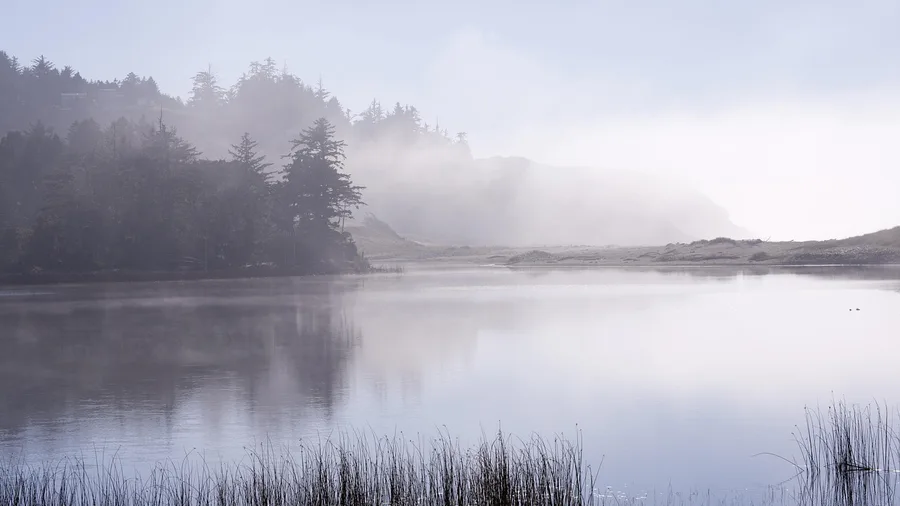
The wind here does not gust so much as lean on you, steady off the Pacific at a force that keeps your jacket snapping and your ears cold within five minutes of leaving the car. Port Orford is a working harbor of roughly 1,100 on a crescent of dark sand, and unlike a resort town that empties when the season ends, this one keeps going: boats still run out of the dock when the weather allows, and the fish still come in. That is the solitude on offer. Tourism stops; the town does not.
Walk from Battle Rock Wayside north to the jetty, a little over a mile and a half of dark sand strewn with silvered driftwood. In January you will likely have most of it to yourself, because the people who are out are working, not strolling.
Then the reason to come is also the reason to pay attention to what you book. January highs hover near 53°F and the ocean runs about 50°F, and the wind is constant, so rain gear over warm layers is not optional. No beach patrol covers this stretch in winter, and the two good kitchens the town keeps, the Crazy Norwegian and Griff's, hold winter hours but close early. The splurge here is lodging with a storm-proof view, and off-season rates at the better rooms run well under summer prices, often in the range of $150 to $250 a night, so the money buys you wind and empty sand rather than polish.
💡 Tip: Wind is the variable, not rain. A calm morning in Port Orford is worth rearranging your day for.
5. Mendocino, California: Big River Beach
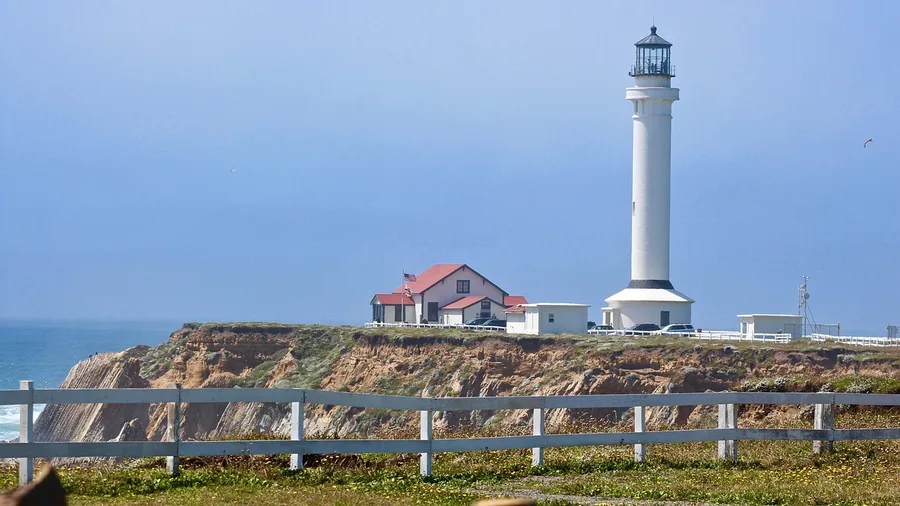
Know this first: Big River Beach is not a swimming beach, and the river mouth can close to foot traffic at high tide, so check a tide table before you commit to walking the sand. Mendocino itself is a headland village of about 900 with no big hotels, and January rain and fog are what keep the casual day-trippers home. The crowd you might worry about mostly is not there.
The walk comes in two parts. One mile of sand at Big River Beach, where the river meets the ocean under the bluff, and two miles of headland bluffs above it, with the surf breaking white far below. If you want that kind of payoff without scrambling, this list of flat coastal walks matches surfaces and distances to what you can manage. January highs sit near 55°F and the water around 52°F, and the trails are slick after rain, so bring trekking poles and treat the bluff edge with respect.
The catch is cost. Weekends here do not drop to bargain rates the way a working fishing town's do, and many tasting rooms close midweek, so you are paying for the view and the quiet while the restaurants and wineries thin out. This is the famous version of the quiet coast, and it is still worth it, but the solitude comes with a slick trail and a weekend price tag.
⚠️ COMMON MISTAKE
Book the Weekend, Lose the Quiet
Weekend rates hold up in the prettier California towns even in January, and so do Saturday crowds. Shift your stay to Sunday to Wednesday and both problems solve themselves.
6. Bolinas, California: Wharf Road Beach
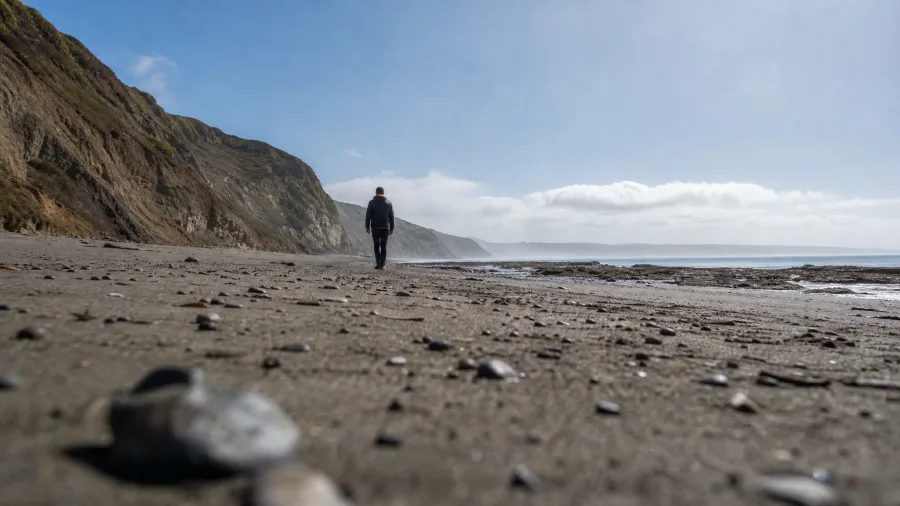
Skip the worry about feeling unwelcome and go; just go at low tide, on a weekday, with no plan to stay past the walk. Bolinas is a deliberately low-key Marin County town of about 1,500, with no signage pointing the way in and no through road, and the locals have spent decades discouraging tourists. January rain does most of the discouraging for you.
The beach is a half mile of sand at the end of Wharf Road, best walked at low tide, with rip currents that make it a place to look at the water, not go in it. January highs run about 57°F and the ocean about 53°F, and fog and slippery rocks are the standing conditions.
This is the free one. There is no entry fee, no gate, no facility to pay for, and nothing to reserve. You park on the street where it is tight and posted, walk the sand, and leave.
The trade is a guarded half mile for social caution and zero services. Respect the residents, do not park where the signs say not to, and read the quiet as a condition of the place rather than a snub. If you want a beach that welcomes you loudly, this is not it.
If you want a beach that asks nothing of you but low tide and a tank of gas, this is exactly it. The half mile costs you nothing but the caution of a town that has decided to stay small.
💡 Tip: Read the parking signs carefully. Bolinas enforces them, and the town has a long memory.
7. Cayucos, California: The Long Pier Walk
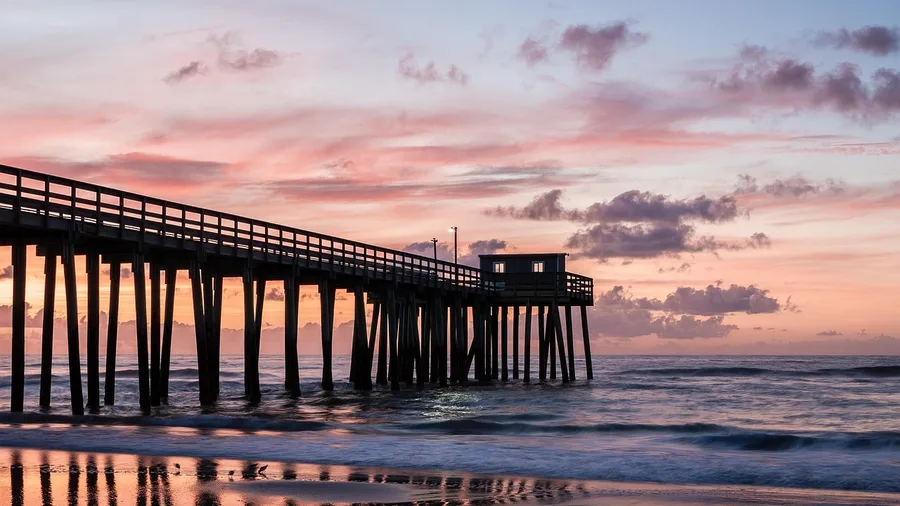
Yes, and by a wider margin than almost anywhere else on this list, which is the whole point of stopping here after a town that makes you feel like an intruder. Nothing in Cayucos asks you to earn the sand. The town of about 2,500 sits on a wide south-facing beach off Highway 1, so the traffic that clogs the highway all summer never turns toward the water, and the summer families are back home. You park at the pier for free, walk down the wooden stairs, and the strand runs a mile north, firm underfoot at low tide and empty in a way that feels less like a closed town than a town that simply has room.
January highs here run around 65°F and the water sits near 55°F, cold enough that nobody swims and mild enough that you can sit on the sand in a jacket for an hour without checking your watch. That is the assignment: a beach you can do nothing on. Morning offshore winds groom the surface and push the haze out to sea, so the light comes up clean and the pier casts a long shadow across the sand while the town behind it is still waking. Bring sunscreen, which sounds absurd in January until you have spent two hours facing south at noon.
The catch is timing, not weather. Several restaurants close Monday and Tuesday, so a Sunday arrival leaves you scrounging and a Wednesday arrival finds the town behaving normally, and there are no lifeguards on the sand in January. Book the early week only if you are self-sufficient about dinner. Otherwise come midweek and let the empty pier and the mile of firm sand be the entire itinerary, because here the mild air costs you almost nothing but a little planning.
Cayucos in January — At a Glance
🌊 Tide window
Low tide only; 4–7 ft swing
🌇 Sunset cutoff
5:00–5:45pm; start by 4pm
🏨 Lodging
30–50% below summer; 2-night weekends
🕒 Winter hours
Thu–Sun only; grocery is the backup
🚻 Restrooms
Seasonal ones often locked
🧴 Bring
Sunscreen, jacket, tide table
Skip-if
You need a swim or a lifeguard — water is 55°F and the sand is unguarded.
8. Chincoteague, Virginia: Assateague Beach
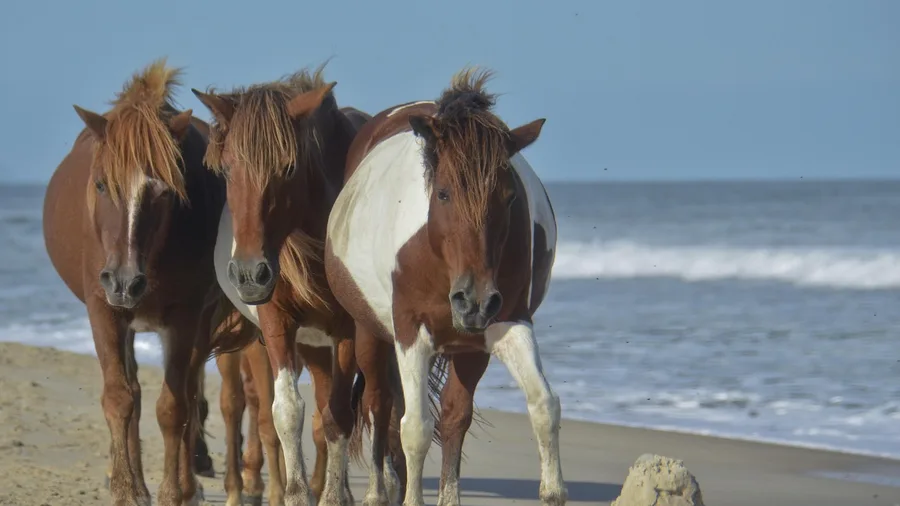
Three miles of national-seashore sand, wild ponies somewhere on it, and roughly 45°F of January air with a wind chill that makes it feel colder: that is the Assateague beach at Chincoteague, and the honest warning is that the cold is the price of the wildness. This island town of about 3,000 empties after the summer pony-swim crowds leave, and what replaces them is waterfowl season, so the birders arrive with scopes and the sunbathers do not. You drive to the Assateague parking lot, leave the car, and walk north or south along the dune line, because no vehicles are allowed on this sand.
The reward is a beach with almost nobody on it and a real chance of wild ponies standing in the dunes or on the marsh side of the road in. January water runs near 42°F, so you are walking and looking, not wading, and the wind off the Atlantic will find every gap in your layers. Layer properly, with a windproof outer shell and a hat that stays on, and the three miles go quickly.
The catch is that many restaurants are closed for the season, though the Refuge Inn stays open and gives you a warm base, and there are no lifeguards anywhere on the sand. Plan on carrying your own food or confirming one open kitchen before you commit. Come for the wild miles and the ponies and accept that the town is mostly shut, and this is one of the emptiest, strangest beach walks January offers on the Atlantic side.
💡 Tip: Bring binoculars. The Chincoteague refuge is a waterfowl stopover in January, and the ponds along the access road deliver.
What People Get Wrong About a January Beach
9. Cape Charles, Virginia: Bay Beach
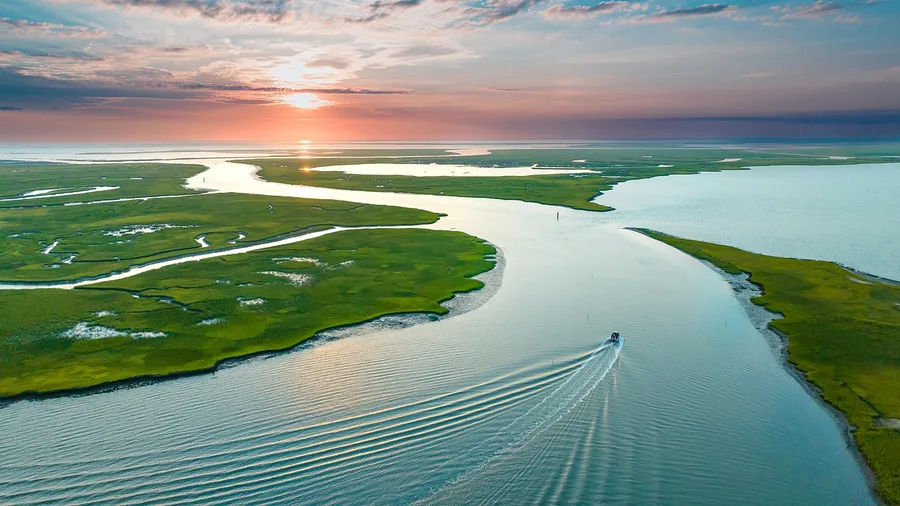
Stand on Bay Avenue on a January afternoon and the only sound is the bay slapping at the shallows, a soft low lap rather than surf. The wind crosses the water from the west and hits your face before you have walked a hundred yards. There is no ocean boom here, no spray, just a pale wide sky and a town of about 1,000 quiet behind its Victorian facades. In summer this bayfront sand is strollers and children in the shallows; in January it is yours, and the trade for that is a 46°F high, 40°F water, and a town that opens mostly on weekends.
The walk is a flat mile of sand and beach grass along the shoreline, gentle shallows pushing out maybe fifty yards before you reach depth, which is why locals who want salt air without the ocean's moods come here rather than fighting the dunes and car park at the national seashore to the south. You dress for wind off the bay and not for surf. Hotel Cape Charles keeps winter hours, but the shops and most of the restaurants run Saturday and Sunday only, so arrive with provisions or plan the walk around a weekend and accept that this bay beach costs you 40°F water and a short business week for a calm one-mile stretch where you will pass more gulls than people.
💡 Tip: Time your trip to a Saturday. Weekend-only town means weekend-only dinner.
10. Ocracoke, North Carolina: Hatteras Seashore
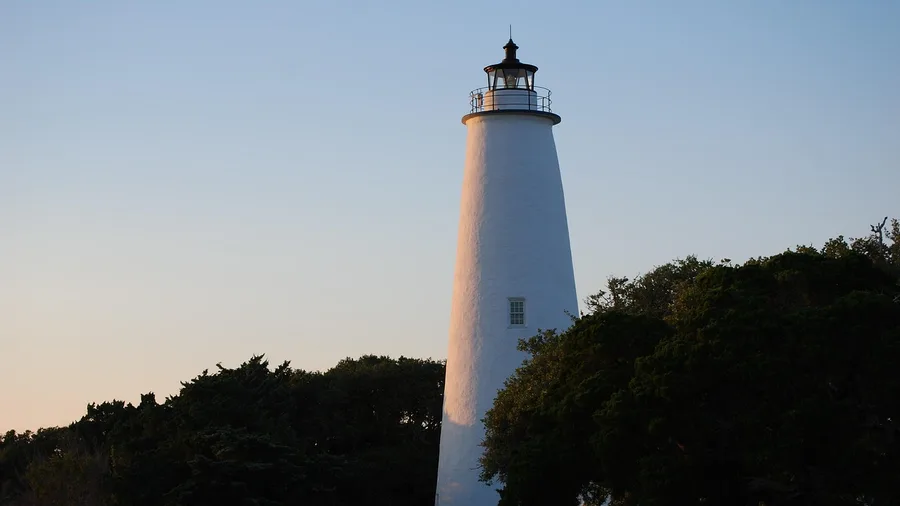
The first thing that hits you off the ferry is the wind, flat and steady across Hatteras National Seashore, and then the quiet of a village with almost nobody in it. Ocracoke is a ferry-only island of roughly 700 people, and January often cuts the crossing schedule to two to four boats a day, so you build the day around a departure time rather than a beach time.
Do it anyway. Turn off at Ramp 70 or 72, park, and walk out onto sixteen miles of open national-seashore sand with a January high near 54°F and ocean around 50°F — cold enough for a shell jacket, warm enough to keep moving. Most restaurants and shops are shut for the season, though the Anchorage Inn stays open, so book the ferry first and pack food; the trade is sixteen empty miles for ferry timing and a closed village.
💡 Tip: Screenshot the winter ferry timetable. Cell service on the island is thin and the last crossing leaves early.
⛴️ How to Plan a Winter Island Beach Day
Check the ferry schedule
Confirm the winter crossings for your date, often only 2-4 daily, and book ahead.
Book the night
Pick a place that stays open in January, since most seasonal lodging does not.
Pack all food and water
Assume nothing is open on the island and carry a full day of supplies.
Check the tide
Match your arrival to a falling or low tide so the walk is firm and passable.
Build in slack
Leave a buffer for weather delays on the return crossing, or you sleep in the car.
11. Edisto Beach, South Carolina: State Park Sand
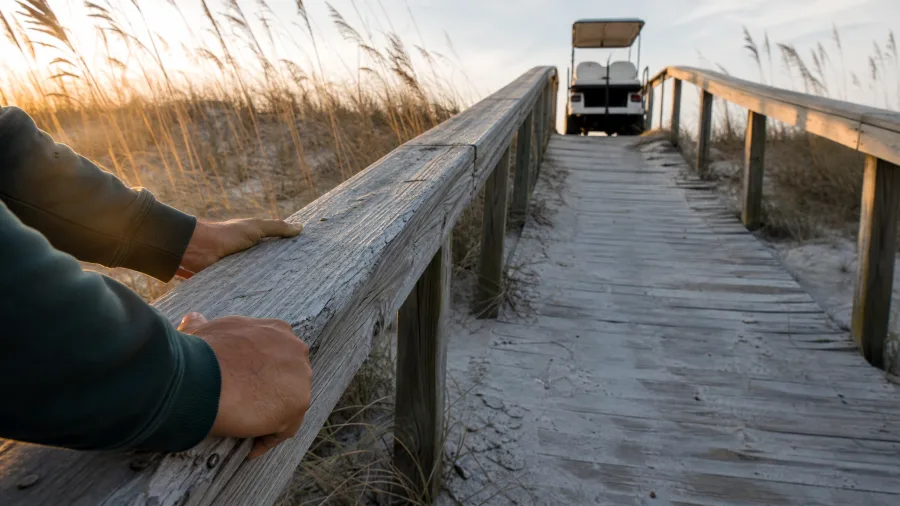
Edisto asks less of you than a ferry island does — no boat to catch, no crossing to time — and gives back a two-mile strand from the state park to the pier. The town holds about 400 people, and in January golf carts outnumber cars.
Come in the afternoon. January highs here reach near 60°F with water around 55°F, and the sun on the hard low-tide sand is what makes the walk; morning is cooler and breezier, so bring a windbreaker and start after lunch.
The catch is food and beds. Most restaurants are closed midweek, and the state-park cabins — your best base — book early, so reserve before you go. That trade, two mild afternoon miles for thin midweek kitchens, is the deal Edisto offers.
12. Daufuskie Island, South Carolina: Atlantic Shore
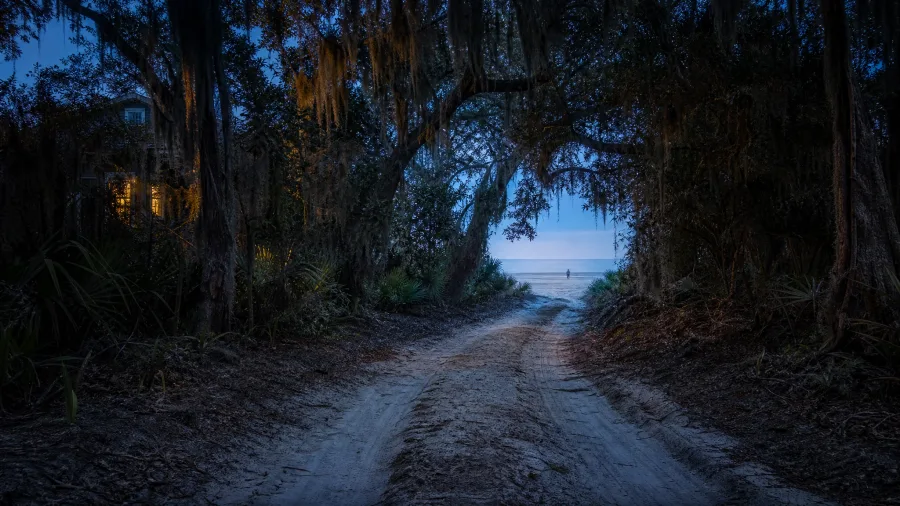
Take Daufuskie over any beach you can drive to in January, and take a packed lunch, because the ferry is not the hard part – the empty kitchen is. Edisto's state-park cabins answer the lodging question while the sand stays quiet; Daufuskie goes further and deletes the car, so the crossing and the cooler become the whole trip. About 400 people live here, no bridge connects it to Hilton Head, and a golf cart is the vehicle you sign for at the landing. On the Atlantic side a two-mile stretch of flat sand runs with few footprints but your own, shared at most with a handful of residents and the occasional golfer cutting across from the course.
The January numbers flatter you: air near 60°F, water around 55°F, mild enough for a windbreaker instead of a parka. What the numbers hide is exposure – the island sits low and open, and the wind off the Atlantic runs the length of that beach without a tree to break it. The ferry schedule is cut to a few crossings a day and does not bend around your plans, so pick your return before you pick your walk, and give the beach two hours rather than a full afternoon. The one food stop worth building the day around is a Lowcountry boil – shrimp, sausage, corn and potato in one pot, roughly $25-35 a plate where you can find it, and in January you likely cannot, since most kitchens here shut for the season. Bring the cooler, bring water, and treat any open counter as luck rather than a plan. The trade is plain: a car-free two miles of winter beach in exchange for ferry timing and everything you eat arriving in your own bag.
💡 Tip: The ferry runs a limited schedule. Confirm the last return before you leave the landing.
13. Port St. Joe, Florida: St. Joseph Bay
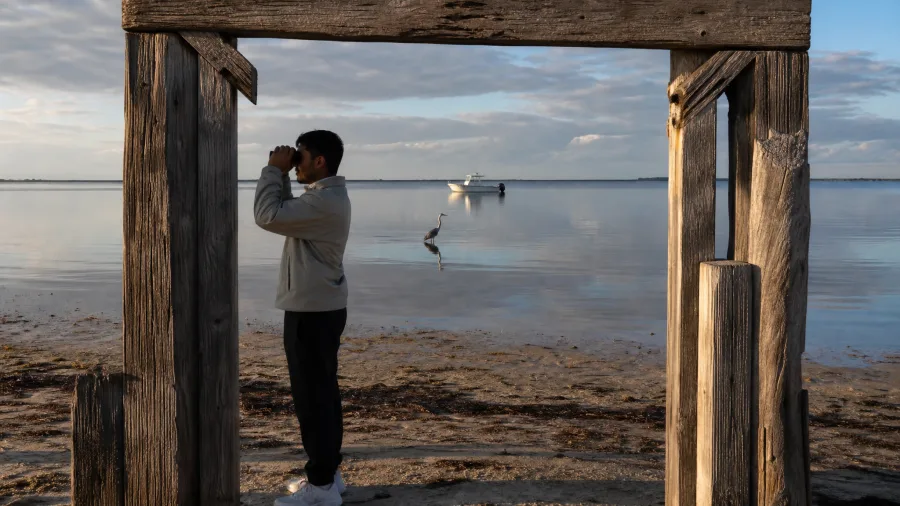
Some things close here in winter, so plan your meals around a weekend gap; on Sunday and Monday several restaurants around town shut their doors, and the grocery becomes the dependable option. Beyond that logistics, though, Port St. Joe is the easy end of this list, an open Panhandle town of about 3,500 where summer crowds have vanished, water still sits near 58°F, and afternoon highs around 63°F make a light jacket plenty for a mile of calm bay beach at Frank Pate Park. Mornings run cool, but by early afternoon the sun is out and the water is flat enough to walk a long way out before it reaches your knees.
That flat water is exactly why you come if you want birds, and the odds are good rather than guaranteed: St. Joseph Bay is a shallow, protected nursery where herons, egrets, and pelicans work the shallows year-round, and winter brings loons and other waterfowl into the bay, so a slow walk along the edge with binoculars will usually turn up something. The honest catch is that the bay has no surf, so if you want waves you drive toward Cape San Blas and take the Gulf instead; also check red tide reports before you commit. Trade that flat, mild ease for the certainty that it will not be a dramatic beach.
Which January Beach Town Fits Your Trip
Pick the cold, empty one
- Ocean Park or Chincoteague
- Pack rain gear and groceries
- 45-53°F air, real wind chill
- Few open kitchens, no lifeguards
- Solitude you can count on
Pick the mild, open one
- Cayucos or Port St. Joe
- 63-65°F air, 55-58°F water
- Grocery store and a few restaurants
- Walk the sand any afternoon
- Company on the pier, not the beach
Frequently Asked Questions
Can you really walk these beaches alone in January?
On most of them, yes, especially on a weekday. The Pacific Northwest and Mid-Atlantic towns empty out almost completely once the summer cottagers leave, while the California and Florida options stay quieter rather than deserted. Expect a few dog walkers and locals wherever people actually live year-round.
Is it too cold to enjoy a January beach walk?
Not if you dress for wind rather than snow. Air temps run 45-65°F and water 40-58°F, and a rain shell over two warm layers handles nearly every day on this list. Sunset is around 5:00-5:45pm, so plan the walk before 4pm and you will be back before the cold settles.
What is open in these towns in January?
Less than you think. Many seasonal restaurants open Thursday to Sunday only, and some islands have almost nothing running at all. Lodging runs 30-50% below summer rates and many inns want two-night weekend bookings, so call ahead and buy groceries before you arrive.
Do I need to book a ferry for Ocracoke or Daufuskie?
Yes. Both run reduced winter schedules, often 2-4 crossings daily, and weather delays are common. Reserve in advance, screenshot the timetable since cell service is thin, and build slack into your return so a delayed boat does not cost you the drive home.
What should I watch out for on a winter beach?
Tides, mostly. They swing 4-7 feet, which closes river mouths, spits and pocket beaches at high tide. There are no lifeguards in January and seasonal restrooms are usually locked, so check the local tide table and do not count on facilities.
How many days do I need?
Two nights and one full day does a single town properly, since the best walking hours are short and the food options are thinner than in summer. If you are stringing several towns together, give each one a night and treat the driving as part of the trip rather than dead time.
One January Beach Worth the Drive
The empty beach is not the product by itself. January works when the town's closures, wind and access line up with the gear and patience you brought, and nothing else on the list changes that.
The numbers that shaped every entry resolve into a booking and packing decision: 45 to 65°F air, 40 to 58°F water, a sunset at 5:00 to 5:45pm. Pack waterproof layers, carry a tide table, plan a food supply, and settle the ferry before the room.
Choose Ocean Park or Chincoteague for true winter emptiness and pack rain gear. Choose Cayucos or Port St. Joe for milder air and a town with a grocery and a few open restaurants. Choose Ocracoke or Daufuskie only if the ferry schedule can be planned around. Then do what the first line warned you about: pick the beach you can use, check the tide, and be on the sand before four.
Pick One Town, Check One Tide Table
Look up the tide for your date and the sunset time for your latitude. If your walk fits between them, you have your answer.