The mistake to avoid is booking the beach you recognize without checking what January actually feels like there. Miami Beach and San Diego sit in the same month at very different temperatures, and the price gap between them runs wider than the thermometer does.
You start this search assuming winter sun is a passport problem. It is not. Test the trip on fixed terms: three nights for two, mid-January to mid-February, round-trip air from Chicago, package covering air and hotel only, before food, car rental or resort fees.
Warm splits into bands. Atlantic Florida runs 75-78F, the Gulf 72-76F, Arizona 66-72F with mornings near 40F, California 66-74F, Hawaii 80-82F. Packages run $700 to $2,500.
So the shortlist is a match, not a ranking: January high, typical three-night Chicago package cost, and the kind of trip you want. Every pick is a US destination, so confirm current ID rules with TSA or your airline before booking.
Choose by situation in an afternoon – easiest beach break, best value, driest hiking, warmest guaranteed – then compare midweek January packages before you commit.
Quick Tips Before You Start
Book midweek January
Tuesday-to-Friday packages run noticeably cheaper than Thursday-to-Sunday at every price point on this list.
Pack layers for the shoulder
Even 78°F afternoons drop to around 60°F after sunset in South Florida, so bring one warm layer.
Decide on a car before you book
Miami Beach, Key West and downtown St. Petersburg work car-free; Maui and Tucson do not.
Add the extras to your budget
Resort fees, parking and rental cars can add $40-$100 a night on top of the package price.
Check ID rules now
Real ID enforcement is live at TSA checkpoints; confirm your license or passport card meets current rules.
1. Miami Beach, Florida
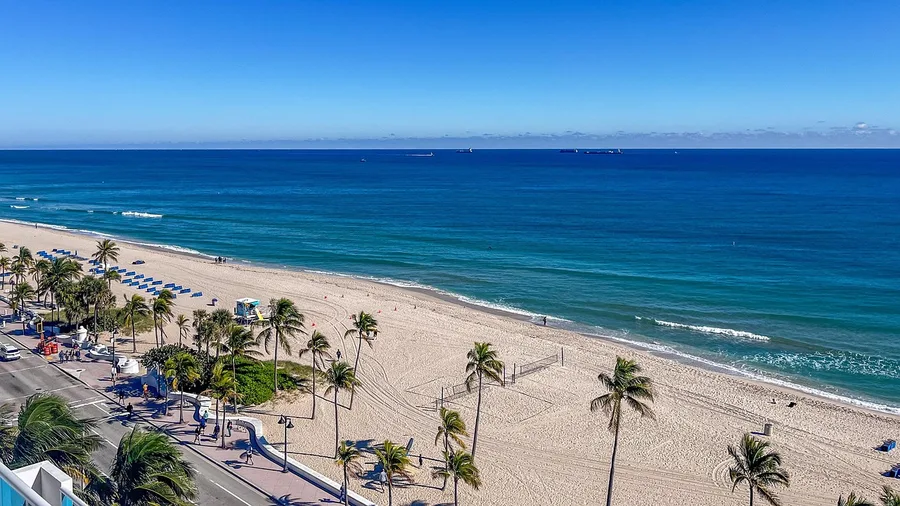
You can book a cheap flight into Fort Lauderdale and save nothing, because in January the beach is not the problem – the afternoon is. Miami Beach runs 75-78°F on a typical Jan-Feb day and drops to around 60°F after sunset, which means your beach window closes earlier than a summer visitor expects and evening plans belong to a light jacket, not a swimsuit.
Go anyway, and go at the right hours. Morning to mid-afternoon is the sand-and-water stretch, and from about four o'clock the trip shifts to Ocean Drive and the Lincoln Road pedestrian blocks, where dinner is walkable and the evening air is mild enough to eat outside. A 3-night air-and-hotel package from Chicago prices at $850-$1,300 for two before food, car rental or resort fees, and the hotel spread inside that band is wide – so the money question is really which neighborhood you pick.
South Beach puts the beach, the bars and the restaurants in one walkable grid; Bal Harbour trades the noise for a quieter, pricier stretch of sand. Either way you can skip the rental car entirely – this is a beach-and-restaurants weekend, and the warmth you came for is the warmest Atlantic band on the list at a mid-range package price.
💡 Tip: Book a hotel one block off Ocean Drive instead of on it: quieter nights, lower rates, and the beach is still a two-minute walk.
| Destination | Typical Jan-Feb high | 3-night package from Chicago | Best for |
|---|---|---|---|
| Miami Beach, FL | 75-78°F | $850-$1,300 | Beach plus nightlife, no car |
| Key West, FL | 75-77°F | $1,300-$1,900 | Tropical feel, couples |
| Fort Lauderdale, FL | 75-78°F | $850-$1,300 | Calmer Miami alternative |
| Palm Beach, FL | 75-78°F | $850-$1,300 | Quiet, polished, walkable |
| Naples, FL | 72-76°F | $800-$1,200 | Quiet Gulf pace, easy dining |
| Sarasota, FL | 72-76°F | $800-$1,200 | Beach plus culture |
| St. Petersburg, FL | 72-76°F | $800-$1,200 | City life with beach access |
| Orlando, FL | 70-73°F | $700-$1,000 | Theme parks with family |
| South Padre Island, TX | 68-72°F | $800-$1,200 | Budget beach and birding |
| Phoenix/Scottsdale, AZ | 66-72°F | $700-$1,100 | Dry-sun hiking and golf |
| Tucson, AZ | 66-72°F | $700-$1,100 | Desert scenery, local food |
| Palm Springs, CA | 70-74°F | $750-$1,100 | Design, desert, walkable downtown |
| San Diego, CA | 66-68°F | $900-$1,400 | Mild coast, food, neighborhoods |
| Honolulu, HI | 80-82°F | $1,700-$2,500 | Guaranteed heat, city beach |
| Maui, HI | 80-82°F | $1,700-$2,500 | Slow island, road trips |
2. Key West, Florida
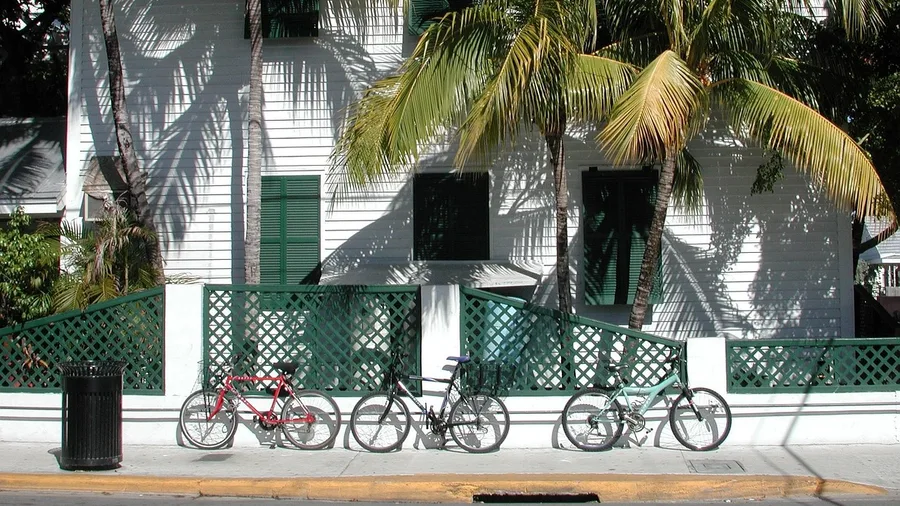
Rent a bike on Key West and you will use it more than any car you could have hired – that is the move here, because the island's whole appeal is doing things at ten miles an hour. Pedal out to the Southernmost Point before the cruise crowds land, loop the quiet residential lanes of Old Town mid-morning, then lock up and walk Duval Street in the afternoon when the heat peaks at a comfortable 75-77°F.
The tropical feel is real: this is the warmest of the Florida Keys and the nearest thing to an island escape you can reach without a passport. You pay for it. A 3-night package from Chicago runs $1,300-$1,900, the top of the Florida band, and that is air and hotel only – bikes, shuttles, food and drinks sit outside it.
What you get for the premium is atmosphere you cannot buy in Miami Beach: conch houses, a car-optional Old Town, and evenings that stay warm enough to walk the waterfront after dinner. Come for a long weekend as a couple and it earns the money. Come hunting for value and the numbers will sting.
Worth It, Only If, or Skip
- Key West, Miami Beach, Honolulu — Book these if maximum warmth matters most; all three guarantee 75°F or better
- Sarasota, Palm Springs, Fort Lauderdale — Best all-rounders: mid-band cost with more than just a beach
- Naples, South Padre Island, San Diego — Go for the pace and the price, not the swimming; water and air both run cool
- Tucson, Phoenix, Orlando — Right choice for hikers, golfers and families, wrong choice for beach people
3. Fort Lauderdale, Florida
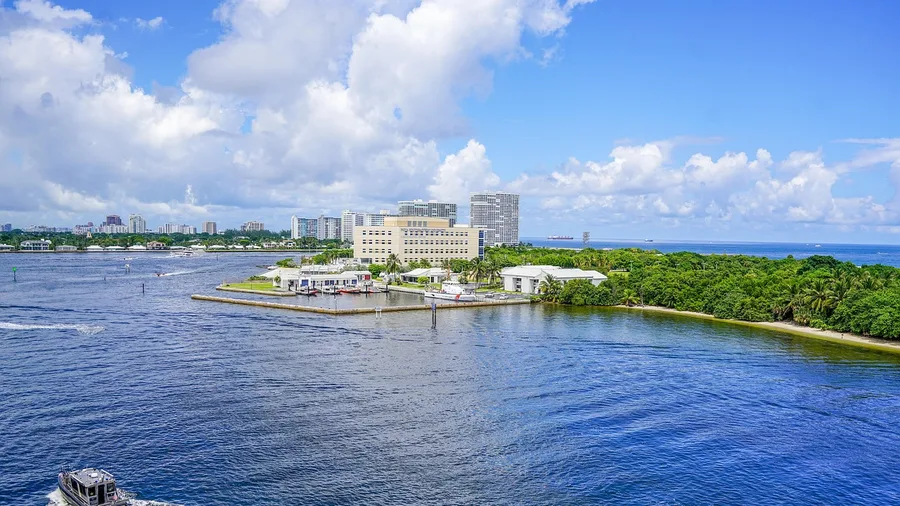
Fort Lauderdale is the answer, and the fix is the water taxi – a hop-on boat that moves you between the downtown riverfront and the beach for a few dollars a ride, no car, no garage, no circling for a space.
The weather is identical to the Atlantic band, 75-78°F on a typical Jan-Feb day, and a 3-night package from Chicago lands in the same $850-$1,300 range before food, car rental or resort fees. Fort Lauderdale Beach handles the sand, the Las Olas corridor handles dinner and drinks, and the pace between them is a notch calmer than Miami's.
Avoid These Winter Escape Mistakes
4. Palm Beach, Florida
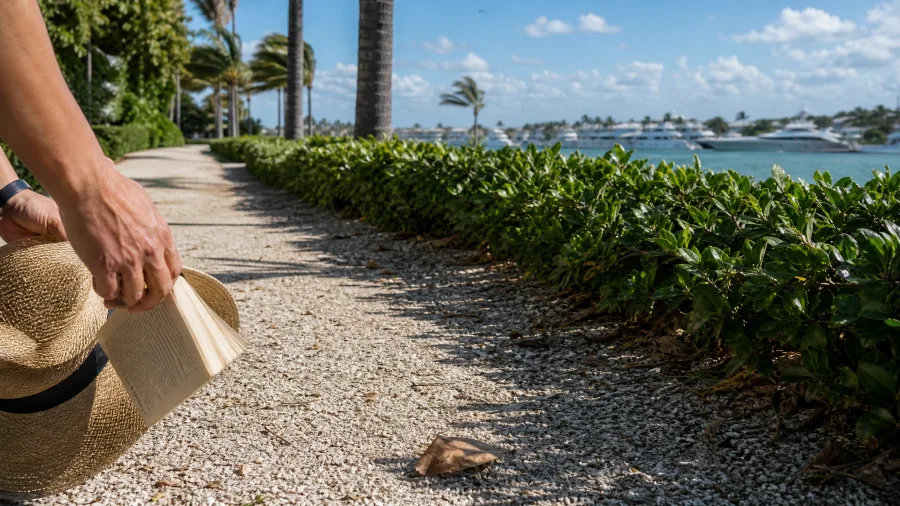
The first thing that registers on Worth Avenue is not the shopping, it is the quiet: no horns, no crowds, just a tiled courtyard with a fountain under a vine-covered wall and a few people walking a small dog in the sun.
Palm Beach is the polished end of the Atlantic weather band, where the daytime high holds at 75-78F in January and February and the evenings settle near 60F. You trade the nightlife of a bigger beach city for gardens and long walks, and that is the whole point of coming.
A 3-night air-and-hotel package from Chicago runs about $850-$1,300, though the island's most famous resorts can push the top of that band and beyond. The reliable rhythm is a morning on the Lake Trail, which runs along the Intracoastal behind the big houses, an afternoon of shade at the Flagler Museum's gardens, and an hour on the sand with a book.
One quirk worth knowing: the island faces east, so the beach catches the morning sun, and the trail catches the afternoon water. Plan the day around that and you get warmth twice instead of once.
This one suits couples and older travelers who want calm, safety and walkability over a scene. The fit is Atlantic heat and mid-band cost with a low-key, polished pace, and you can see everything here on foot.
💡 Tip: Walk the Lake Trail north from the Flagler Museum in the morning, when the water is glassy and the path is nearly empty.
5. Naples, Florida Gulf Coast
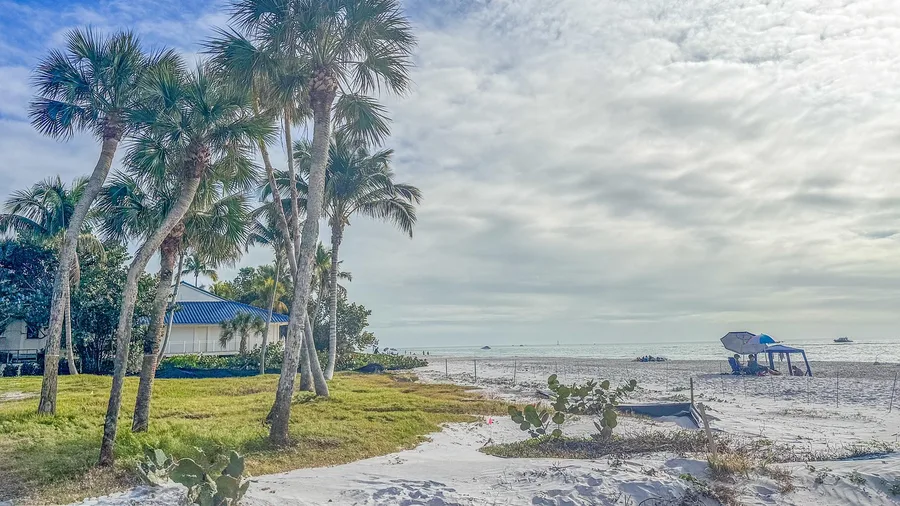
Naples runs quieter and a touch cheaper than the Atlantic beaches, and the trade is a Gulf that sits cooler: Jan-Feb highs land at 72-76F, so afternoons work for a beach chair while the sea itself stays chilly enough that most people wade rather than swim. Three nights for two out of Chicago typically prices at $800-$1,200 for air and hotel, with food, a rental car and resort fees landing on top of that figure. The reliable routine here is a heated pool in the morning and a barefoot walk on the sand by late afternoon, when the light goes gold and the wind drops.
This is the pick for readers who want quiet over nightlife: a low-rise downtown of a few blocks, sidewalks that feel safe after dark, and dinner reservations that do not need to be chased a month out. Order the stone-crab claws if you are there in season, roughly $40-$60 a pound depending on the market, and a grouper sandwich for far less at lunch. It costs a little less than the Atlantic and delivers noticeably less heat, which is exactly the point if a crowded boardwalk is not what you came for.
6. Sarasota on Florida's Gulf
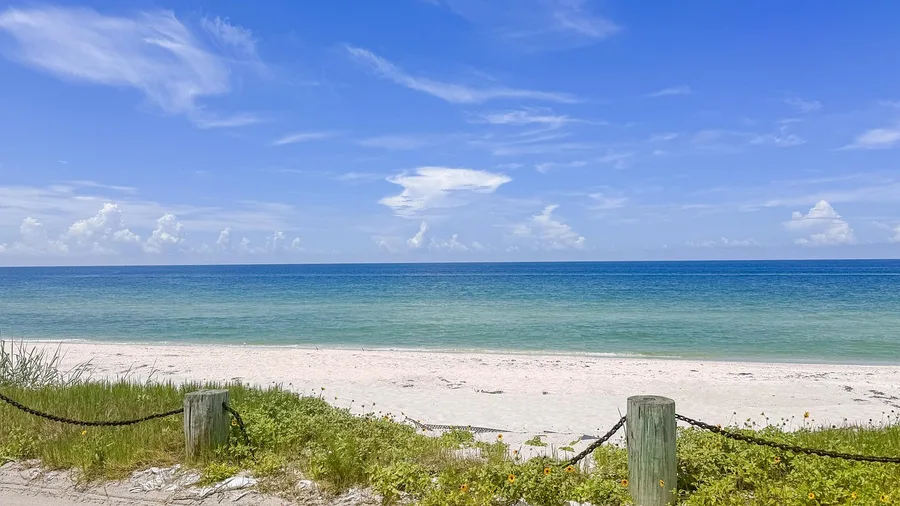
Sarasota is a Gulf Coast city that puts an art museum and a barrier-island beach in the same afternoon.
The highs run 72-76F in January and February, and a 3-night package from Chicago lands in the $800-$1,200 band, same as the rest of the Gulf. Downtown covers the galleries and the restaurants; Siesta Key and Lido Key cover the sand. Siesta's sand is famously quartz-white and squeaks underfoot, so bring shoes you can shake out.
Here is the honest bit about the queue. On a warm January weekend, the parking lot at Siesta Key Beach fills by mid-morning and the shuttle from the mainland becomes the smarter move. Go early or go late. Midday in high season is a crowd, and you will spend more time circling than swimming.
Sarasota earns its place for couples and culture-minded travelers who still want to feel sand between their toes. The fit is Gulf warmth, mid-band cost and more art per afternoon than the quieter Gulf towns can offer.
The Warmest Florida Packages, Ranked by What You Pay
7. St. Petersburg, Florida
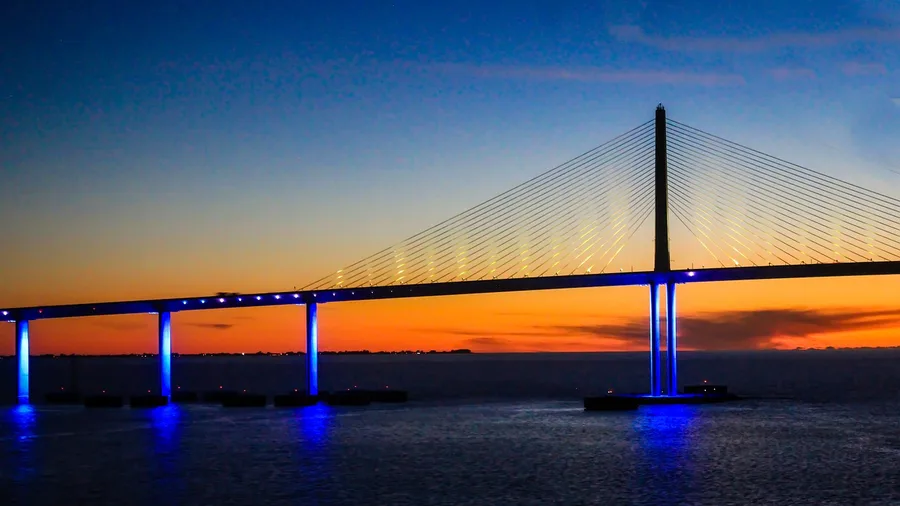
Three nights in St. Petersburg run $800 to $1,200 from Chicago, air and hotel together, the same band as the Gulf beaches down the coast. The difference is what sits outside your window: a downtown you can walk, a waterfront you can sit on, and a food scene that does not depend on a resort.
January and February highs here land at 72 to 76°F, so a jacket in the morning and short sleeves by two. That is the Gulf Coast's winter — cooler than the Atlantic side, warm enough that the right move is a bench on the waterfront, a long lunch, and a slow afternoon at the Dalí Museum or out on the Pier. Beaches come by rideshare or the trolley, which is the trade: you get city life without a rental car, and you give up walking out of your room onto sand. For urban travelers who want warmth with a downtown attached, this is the Gulf fit — same temperature, same cost, a city itinerary instead of a pool deck.
8. Orlando, Florida Theme Parks

The mornings start cold enough to see your breath, 40s at the bus stop before the gates open, and by midday the sun is on your shoulders and the jacket is tied around your waist. January and February highs in Orlando sit at 70 to 73°F — mild, not beach-hot, several degrees under the coasts and a world away from the pool-and-lounge version of Florida.
The cheap part is the package: $700 to $1,000 for three nights from Chicago, air and hotel, before park tickets. That is the lowest band on this list, which is why a theme-park long weekend can beat a beach trip on the spreadsheet even though it loses on temperature.
The honest likelihood of what you came for is high — the parks run year-round and the rides don't care about the calendar — but a rainy afternoon or a cold snap is real, and indoor attractions are the fallback. Pack layers, plan one indoor backup day, and treat the warmth as a bonus rather than a guarantee. For families and park-goers who want sun without sand, this is the fit: lower heat, the cheapest package, and more to do in three days than any beach town can offer.
⚠️ COMMON MISTAKE
Don't book the beach on temperature alone
Gulf water in January runs cool enough that most swimming happens in heated pools, and the Pacific off San Diego is too cold for all but the most determined. If swimming is the point of the trip, pick Atlantic Florida or Hawaii, not the Gulf or California coast.
9. South Padre Island, Texas
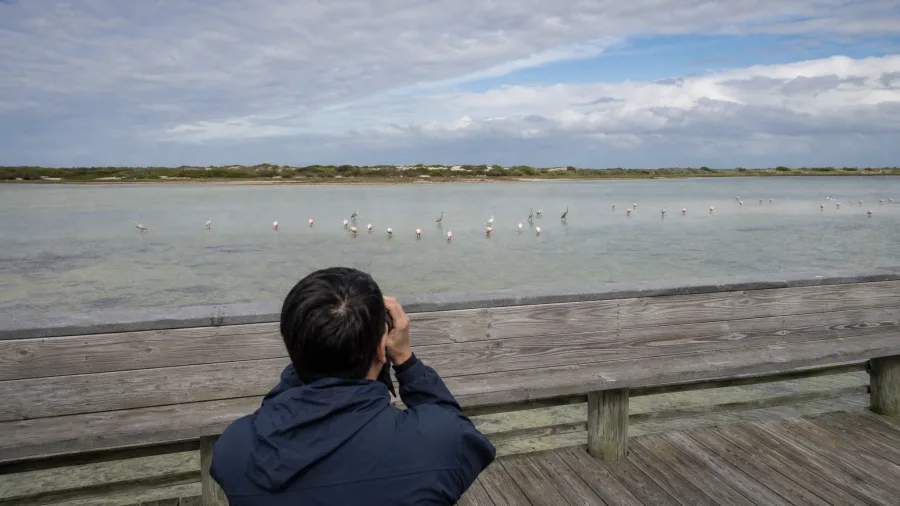
Three nights on South Padre Island cost $800 to $1,200 from Chicago, roughly the same as the Gulf Coast of Florida but with fewer people and a longer, emptier beach. January and February highs run 68 to 72°F — milder than Florida, warm enough for a sweater-and-sandals walk, not warm enough for a swim.
That is the trade. You give up hot sunbathing and get a quiet island where winter crowds are thin, the resort scene is low-key, and the draw is birding at Laguna Atascosa and long walks on hard-packed sand. Bring binoculars and a windbreaker; the birds are the reason to come, and the likelihood of seeing something worth the drive is high in winter.
For budget travelers and nature-minded visitors who don't need to swim, this is the Texas fit: lower warmth than Florida, mid-band cost, and a beach that feels like yours. If hot water is the point of the trip, spend the extra and stay in Florida — this is the splurge on quiet, not on heat.
🧭 Build a Passport-Free Winter Trip in Five Steps
Set your temperature floor
Pick the coldest afternoon you will accept: 80°F means Hawaii, 75°F means Atlantic Florida, 68°F opens Texas and the desert Southwest.
Cap the package budget
Decide what three nights for two can cost before food and cars; $1,000 rules out Hawaii and Key West immediately.
Choose car or no car
Miami Beach, Key West and downtown St. Petersburg work without one; Maui and Tucson do not.
Compare midweek January dates
Tuesday-to-Friday packages land at the low end of every band on this list.
Verify ID and book
Confirm current TSA ID rules for everyone flying, then book the air-and-hotel package.
10. Phoenix and Scottsdale, Arizona
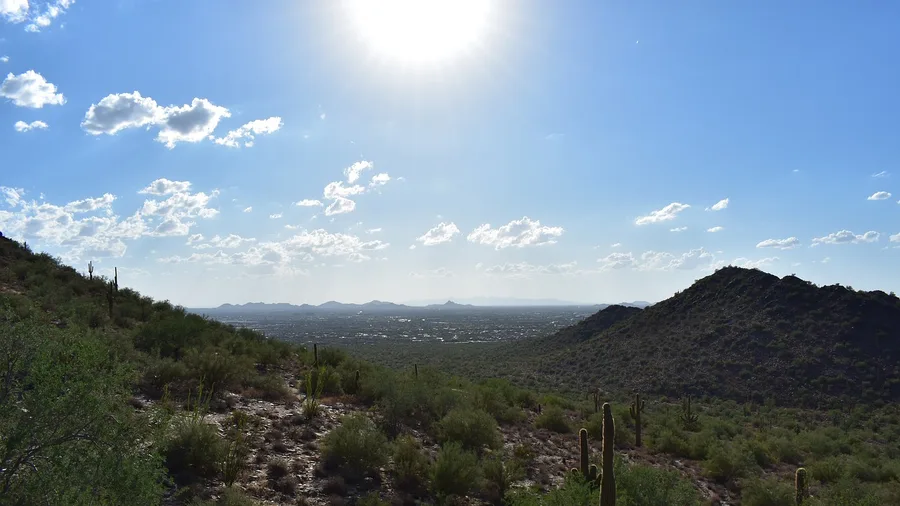
Phoenix and Scottsdale are the safest bet on the whole list for clear, dry January skies, and that is worth more than a couple of degrees. Highs land around 66 to 72°F, but mornings start near 40°F, so you will want a jacket at breakfast and short sleeves by two in the afternoon.
A 3-night package from Chicago typically runs $700 to $1,100, air and hotel only. Camelback Mountain and the Desert Botanical Garden carry the outdoors, and heated pools do the real swimming work since the dry air cools fast after dark. This is the pick for hikers, golfers and anyone who would rather breathe dry desert air than Gulf humidity. Families with toddlers and readers who need beach and ocean should look elsewhere; there is no water here to fall into, and the mornings are genuinely cold.
11. Tucson, Arizona Desert

The first thing you notice driving into Tucson in January is the smell: creosote and dust after rain, warm and dry in a way the air back home is not. Then the saguaros, standing arms-up along the roadside like they have been waiting for you.
Tucson keeps the same 66 to 72°F highs and the same $700 to $1,100 package band from Chicago, but trades resort golf for desert scenery. Saguaro National Park and the Arizona-Sonora Desert Museum fill the daylight hours, and the Mexican food downtown is where the city eats. If the dry desert air gets under your skin, Arizona desert trails stay walkable through the same winter window.
The catch is real: this is a working city, not a polished resort town, so expect spread-out neighborhoods, a car in constant use, and dining rooms that close earlier than you might want. If you want the postcard version of Arizona, this is not it. If you want desert and local food at a lower polish, it fits.
Arizona Desert Escape – At a Glance
🌡️ Typical afternoon
66-72°F
🧥 Morning low
Near 40°F
💵 3-night package
$700-$1,100
🥾 Best for
Hiking and golf
🚗 Car needed
Yes, for both cities
The desert rule
Book a heated pool or you will not swim: the air is warm by noon but the water is not.
12. Palm Springs, California

Palm Springs is a desert town built for design and walking, not for swimming.
January and February highs run 70 to 74°F with mountain views framing every street, and the nights turn cool enough for a sweater. A 3-night package from Chicago runs $750 to $1,100, and the compact downtown puts midcentury architecture, coffee and dinner within a short walk. The aerial tramway climbs from the valley floor to cool pine air in about ten minutes, and locals ride it in the afternoon when the sun gets flat.
Couples and design-minded travelers get the most from it: sun without humidity, a walkable core and a mid-band cost. Skip it if you want beach or nightlife, because this town shuts down early and there is no ocean anywhere near.
13. San Diego, California
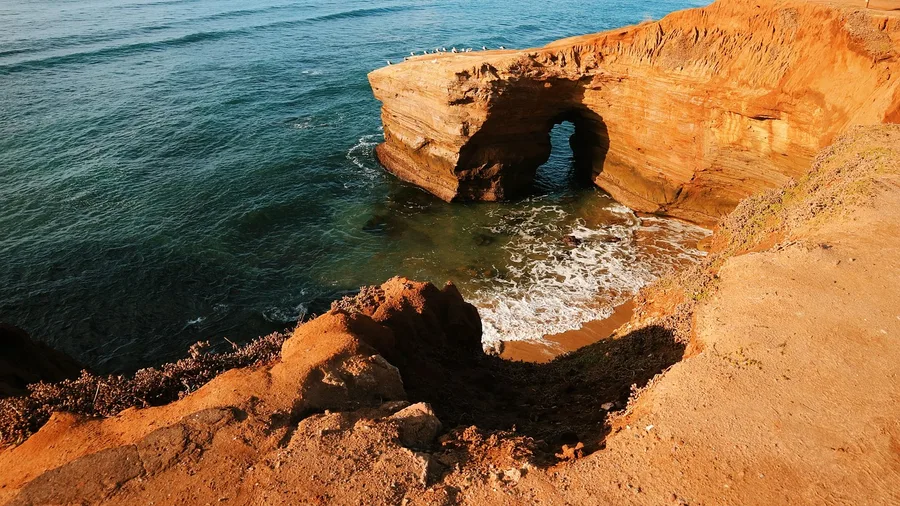
You feel the kelp first, cold and rubbery against your ankle, and that is your honest answer about the Pacific in January: it looks like a beach day and it isn't one. San Diego trades the desert's dry heat for a mild coastal 66-68°F, which means the shoreline here is for walking, not wading. If a flat shoreline stroll suits you better than a swim, there are coastal walks anyone can do on paved paths and boardwalks elsewhere.
La Jolla's cliffs give you the shot the trip is built around; stand on the Coast Walk path just north of the cove around late afternoon, when the light drops behind the seals and the water goes from grey to green in a few minutes. Coronado's wide sand and the Hotel del Coronado's wooden veranda are the other frame, best at low tide in the morning before the bike rentals clog the path. A 3-night air-and-hotel package from Chicago typically runs $900-$1,400, before food and car. This is the pick for a reader who wants fish tacos, a walkable neighborhood and ocean air over pool heat, and who accepts that it costs more than the desert and swims colder than anything in Florida.
14. Honolulu, Oahu, Hawaii

Getting to Honolulu costs roughly twice a San Diego package and most of a day in the air each way, and the trade is absolute: 80-82°F in January, not 67. If you are spending the money for heat, this is where you stop gambling on it.
The place carries a story worth the flight time, and it is not a pleasant one to tell quickly. On December 7, 1941, the USS Arizona took a bomb hit in Pearl Harbor and went down in about nine minutes with more than a thousand men aboard; the wreck still leaks a bead of oil to the surface most days, and the memorial built over it is reached by boat from the visitor center. Book the boat tickets ahead, because walk-up space is unreliable in winter. Allow most of a morning, and understand that the mood on the launch out is quiet in a way few American attractions are.
Waikiki is the base for the rest of it: a walkable strip of beach and restaurants where you can leave the rental car parked and still eat well. A 3-night package from Chicago typically runs $1,700-$2,500 before food, car rental and resort fees, and food here is more expensive than any Florida pick; budget accordingly. A car is only needed if you want the North Shore, and it is a full-day commitment with the traffic.
All of these picks are US destinations, but confirm current ID requirements with TSA or your airline before you book, since the rules on what gets you through the checkpoint keep shifting.
This is the pick for a reader who will trade a long flight and the top of the budget for guaranteed heat and a city-beach base. The fit is maximum warmth, maximum cost, and no passport in your bag.
15. Maui, Hawaii Beaches
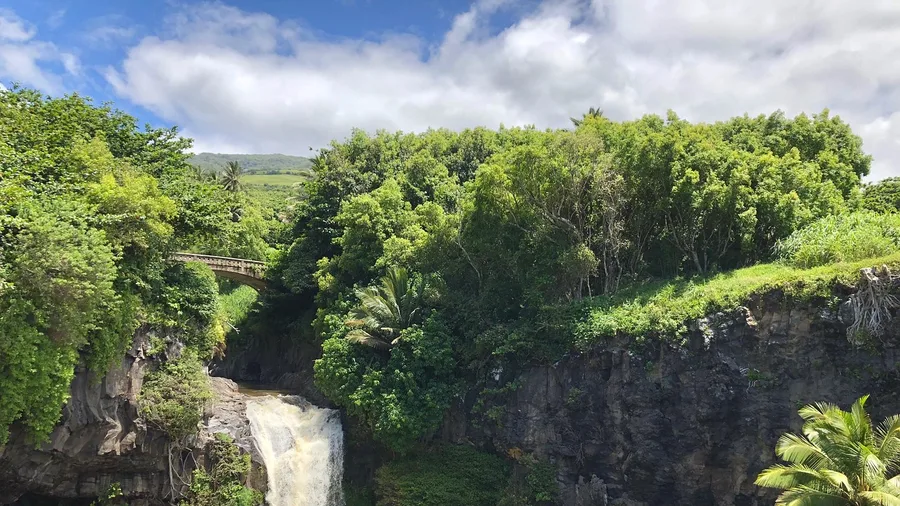
Know before you book: Maui without a rental car is a resort and a beach and very little else. The island is built for driving, and the good beaches, the upcountry views and the Road to Hana all sit well outside the resort gates, so price the car into the trip from the start.
The drive is the activity. The Road to Hana is roughly 60 miles of coastline with more than 600 curves and dozens of one-lane bridges, and it takes most of a day each way if you stop, which you should; leave early, and skip it if you get carsick on winding roads. The other warm-weather picks on this list keep you near one beach or one city. Maui hands you 80-82°F in January and asks you to go find it.
A 3-night air-and-hotel package from Chicago typically runs $1,700-$2,500, and resort fees stack on top of that, so read the booking carefully. That is Honolulu money for a slower pace: fewer restaurants within walking distance, more sand to yourself, and a car in the lot. Couples and drivers who want the island rather than the city should take it.
Frequently Asked Questions
Do I need a passport for any of these destinations?
No. All fifteen are in the United States, so a state-issued Real ID driver's license or a passport card works for flying. Confirm current TSA ID requirements with your airline before booking, since enforcement rules have changed recently.
Which is the cheapest warm escape in January?
Orlando at $700-$1,000 for three nights from Chicago, followed by Phoenix, Tucson and Palm Springs at $700-$1,100. Those four are the lowest package bands on the list, but Orlando and the desert cities are not beach-warm.
Is Florida warm enough to swim in January?
Atlantic Florida usually is: Miami Beach, Fort Lauderdale and Palm Beach run 75-78°F air temperatures, and heated hotel pools are common. The Gulf Coast runs slightly cooler, and Gulf water is cool enough that most swimming happens in heated pools.
How far in advance should I book a winter beach trip?
Book six to ten weeks out for Florida and the desert Southwest, and earlier for Hawaii. Midweek January dates, Tuesday through Friday, consistently land at the bottom of every price band on this list.
What is not included in these package prices?
Food, car rental and resort fees are separate. Resort fees and parking can add $40-$100 a night at beach hotels, and a rental car adds roughly the same again in Maui, Tucson and Phoenix.
The One Stop Worth Building Winter Around
Pick by situation. Easiest beach break with no car: Miami Beach. Best value: Orlando at $700-$1,000 before park tickets. Driest hiking: Phoenix, Scottsdale or Tucson at 66-72F, mornings near 40F. Warmest guaranteed: Honolulu or Maui at 80-82F.
Compare midweek January packages against those three-night Chicago air-and-hotel ranges, and remember food, car rental and resort fees sit outside them. Check current ID rules with TSA or your airline – every pick is domestic, so no passport is needed.
No passport, then, was never the obstacle. The real trade is January high against package cost against vibe, and the bookable answer is the midweek package that fits all three – not the single warmest dot on the map.
Shortlist three and compare dates
Open a fare calendar for your top three picks, check the Tuesday-to-Friday January rates, and confirm your ID meets current TSA rules before you book.