The planning mistake is booking the address everyone photographs and assuming the trip happens there. You arrive sure the swap is settling, that skipping Times Square or Waikiki means flying home without the story.
It is the other way around. Each of these icons is priced and timed for one postcard moment, and the crush is the product rather than a side effect: the Times Square sidewalks fill exactly 8 to 11 p.m., the Walk of Fame from 11 a.m. to 4 p.m.
So every pair below runs the same ledger. The famous stop's bill in dollars, hours and crowd on one side, the swap's on the other, and you decide on arithmetic instead of fear of missing out.
By the end you can name your trip type, keep the icon only where it earns its fee, and make one swap on a single free evening: Times Square to Flushing, 35 to 40 minutes on the 7 train and $12 to $18 of dumplings.
Quick Tips Before You Start
Price the room, not the view
Check the nightly rate before you commit to the neighborhood that puts you there.
Time the ride
A 35-minute train often beats a $25 rideshare and a $45 resort fee.
Name your hour
Most overrated stops are fine at 9 a.m. and miserable at 2 p.m. — pick one.
Eat where you're not on the billboard
The swap usually wins at dinner: $12–$18 is a full meal, not a souvenir snack.
Check closures before you route
Seasonal rims and park roads close; verify with the park service before you build a day around it.
Neon and City Icons
Start with the city pair that most people never bother to price. The famous version bills the room and the ticket; the swap bills a train ride and dinner.
Every entry below uses the same ledger: dollars, hours and crowd.
1. Times Square: the bill nobody adds up
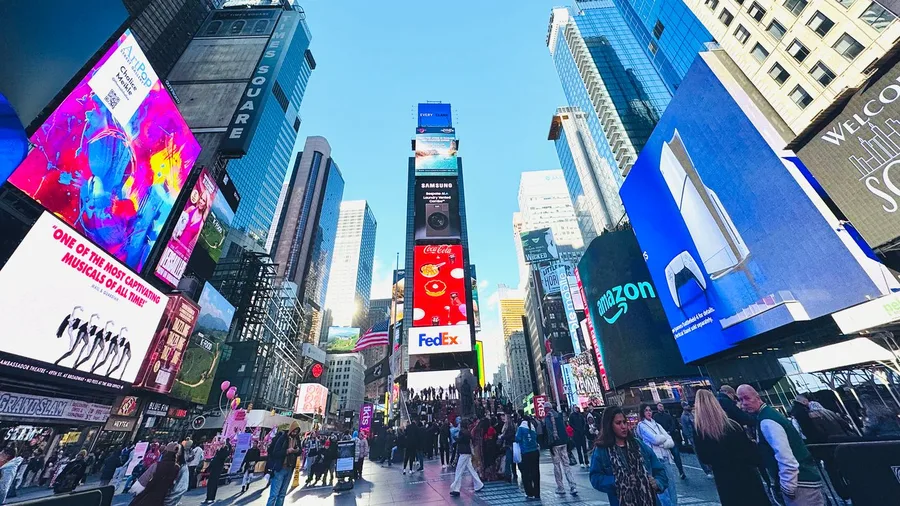
The square announces itself in neon, in the noise of a crowd that has nowhere to be, in the smell of pretzels and car exhaust that hangs over the block from 42nd to 47th. The sidewalks are packed exactly 8 to 11 p.m., because that is when most visitors arrive, and that is the window the postcard was shot in.
What nobody totals before they book: a Midtown hotel runs about $320 a night, Broadway tickets add $120 to $250 on top of that, and the neon itself is only a walk-through. Flushing prices the same evening differently: a room around $180, a 35-to-40-minute ride on the 7 train, and dumplings for $12 to $18. If a Broadway show is why you came, pay for it and take the theater-district walk back. If you already have the photo, the swap spends the money on the meal instead of the address.
💡 Tip: The 7 train ride from Midtown is long enough to make Flushing a base for the night, not just dinner. Check hotel rates before you commit.
⚠️ COMMON MISTAKE
The 8–11 p.m. trap
Arriving at Times Square in the evening is the most expensive hour of the day. The sidewalks are packed, the hotel rates peak, and the neon is already there at 8 a.m. for free.
2. Hollywood Walk of Fame: a 15-minute stop
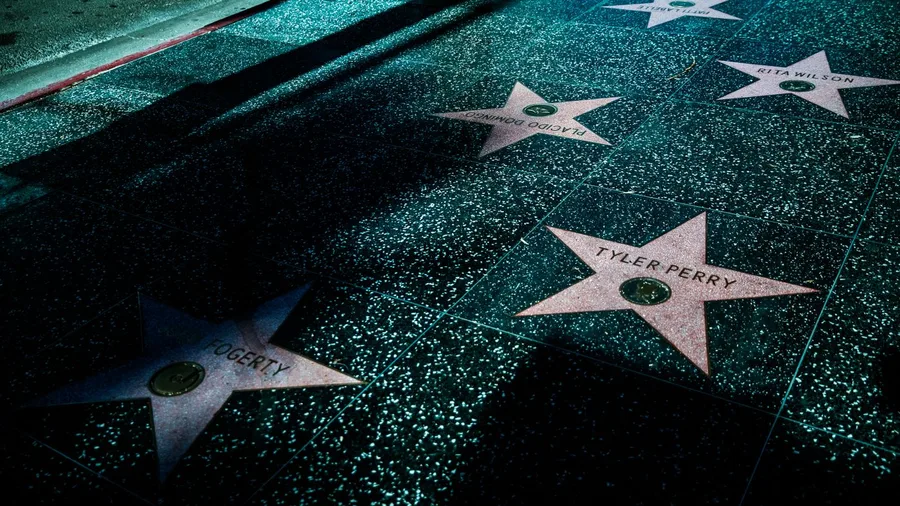
The Walk of Fame is a sidewalk of pink terrazzo stars, and for most people it is a fifteen-minute photo stop. The brass is free to stand on. The twenty dollars goes to a lot beside the boulevard, the one you circle twice before giving up, and the crowd runs heaviest from 11 a.m. to 4 p.m., when tour groups move in blocks and the star you want has three people queued on it. Walk it early. At 8 a.m. the boulevard is half empty, the light is low, and the block between Hollywood and Vine photographs like a street instead of a queue, and by 9 the first vans are unloading.
Griffith Observatory is where those fifteen minutes turn into an afternoon. Entry costs nothing, you pay roughly $10 an hour to park on the hill, and if you want the basin turning gold beneath you as the sun goes down, budget 2 to 3 hours, not 45 minutes. Arrow keys are making their way down toward the basin while you read this. The terrace fills maybe 40 minutes before the sun sets, so arrive early enough to have a railing spot before the crowd congeals.
The stars are famous, and they are not an afternoon. Fold the Walk into a Hollywood morning if you are already parked nearby, catch it early, and put your hours into Griffith instead, where the same day ends with a free door and a view over the whole basin.
| Overrated stop | Typical cost/time | Go instead | Swap cost/time | Best for |
|---|---|---|---|---|
| Times Square | $320/night, $120–$250 ticket, packed 8–11 p.m. | Flushing, Queens | $180/night, 7 train 35–40 min, $12–$18 dinner | Food-first evenings |
| Hollywood Walk of Fame | $20 parking, 15-min stop, crowded 11 a.m.–4 p.m. | Griffith Park | Free entry, $10/hr parking, 2–3 hrs at sunset | A half-day with a view |
| Navy Pier | $18 wheel, $30 parking, 2–3 hrs | Garfield Park Conservatory | Free entry, $5 parking, 1.5 hrs | Cheap, calm afternoons |
| Nashville Broadway | $10 cover, $8 beer, crushing after 8 p.m. | East Nashville | $5–$10 cover, $12 cocktail, $12 rideshare | Smaller music rooms |
| Las Vegas Strip | ~$45/night resort fee, $18 cocktail | Fremont East | $120/night, $10 cocktail, four walkable blocks | Budget downtown nights |
| Fisherman's Wharf | $14 chowder, $8 cable car, ~2 hrs | Outer Sunset | Free beach, $12 dumplings, N-Judah 30 min | Walkers and sunsets |
| South Beach | $300/night, $18–$22 cocktails | Surfside | $220/night, free beach, $18 Uber | Quiet family beach |
| Waikiki | $350/night, $40/day parking | North Shore | $250/night, $55/day car, free Shark's Cove | Car-based surf trips |
| Niagara Falls | $28 boat, $15 parking, 2–3 hrs | Letchworth State Park | $10 per vehicle, 3–4 hrs in the gorge | Full-day hikes |
| Grand Canyon South Rim | $35 vehicle, year-round, midday crowds | Grand Canyon North Rim | Same $35, seasonal, 10–15°F cooler | Summer quiet |
3. Navy Pier: $48 for the view
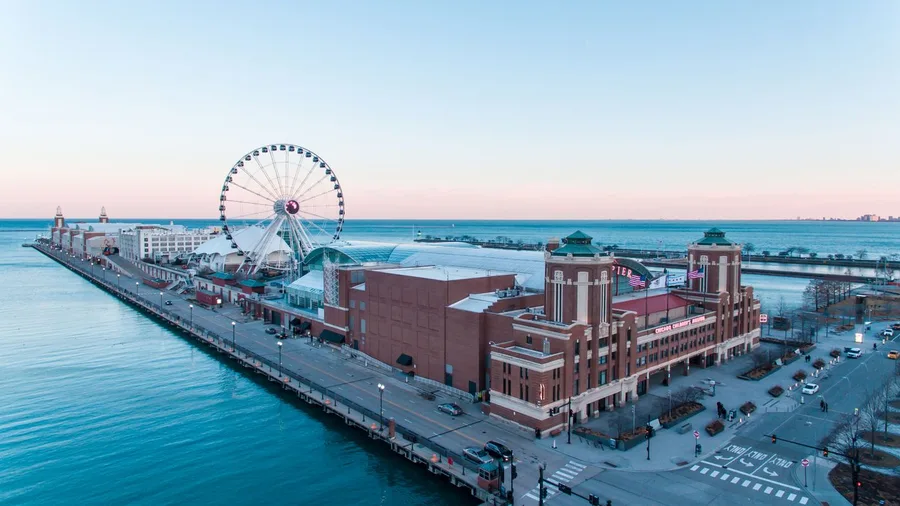
$48 for an afternoon. That is the Ferris wheel's $18 plus the pier's $30 lot, and you have not bought a hot dog yet.
Ride the wheel, walk the pier, and you are done in 2 to 3 hours. A short ride away, Garfield Park Conservatory charges nothing to enter, parking is $5, and the greenhouse takes about 1.5 hours at a slow walk through warmth and green when the lake wind bites. Be honest about what you give up: the water view and the rides are gone, replaced by free indoors and calm, and it is the shorter stop. Families who came for the wheel and the lake should stay. Budget travelers, and anyone traveling with someone who needs a low-stimulation hour, do better here – roughly $5 against $48 for the same slot.
Nashville Night Out — At a Glance
💵 Broadway cover
~$10
🍺 Broadway beer
$8
🚗 Rideshare to East Nashville
~$12 / 10 min
🍸 East Nashville cocktail
$12
🚪 East Nashville cover
$5–$10
The trade
The $12 rideshare buys a cheaper, less crowded night — and you pay it once each way.
4. Nashville Broadway: one street, one crowd
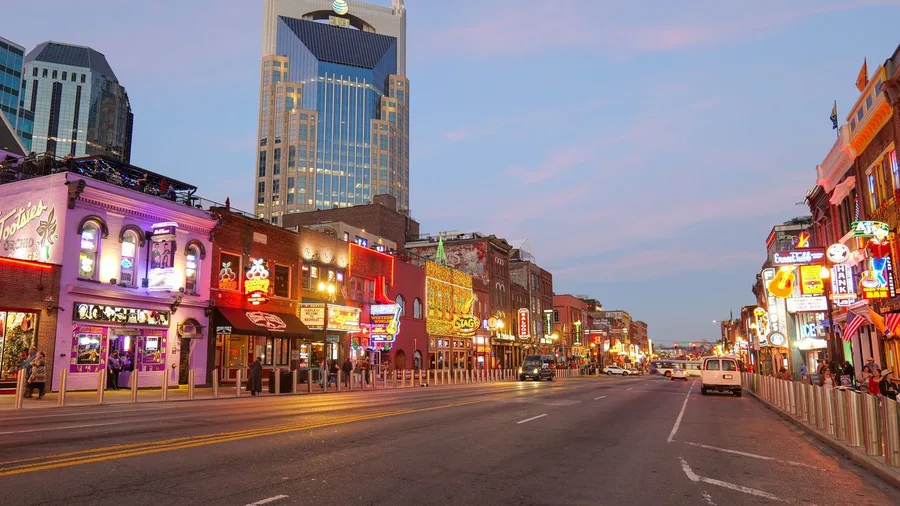
The first thing that hits you on Broadway after dark is the bass coming out of four doorways at once, each one leaking a different song onto the same sidewalk. By nine the strip is shoulder to shoulder, and every bar wants a cover before you get near the stage – a tenner at most doors, eight dollars for a plastic cup of beer once you're in. That is the price of the one-block concentration, and it is worth naming out loud: you are paying to have every honky-tonk within a hundred steps of the next.
East Nashville prices the same night differently. You trade the single walkable block for a scatter of smaller rooms a rideshare apart, and the ride from downtown runs about twelve dollars and ten minutes each way. Inside, covers tend to sit at five to ten dollars and a cocktail runs about twelve, so the bill at the end of the night is a quieter number even after the fare. What you buy with that fare is distance between stops – a short hop in a car instead of a drunk shuffle down a crowded strip.
The Famous Stop vs. the Swap
Stay with the famous stop
- First-timers who want the postcard in their camera roll
- You can go off-peak — early morning, not 8–11 p.m.
- The event is the point: a Broadway show, the boat, the wheel
- You want walkable resort convenience with no car
Take the swap
- Lower cost per night, per drink, per cover
- Local texture: dumplings, music rooms, free greenhouses
- Shorter lines and quieter sidewalks
- You'll trade a 10–45 minute ride or drive for all three
5. Las Vegas Strip: the $45 cover on your room
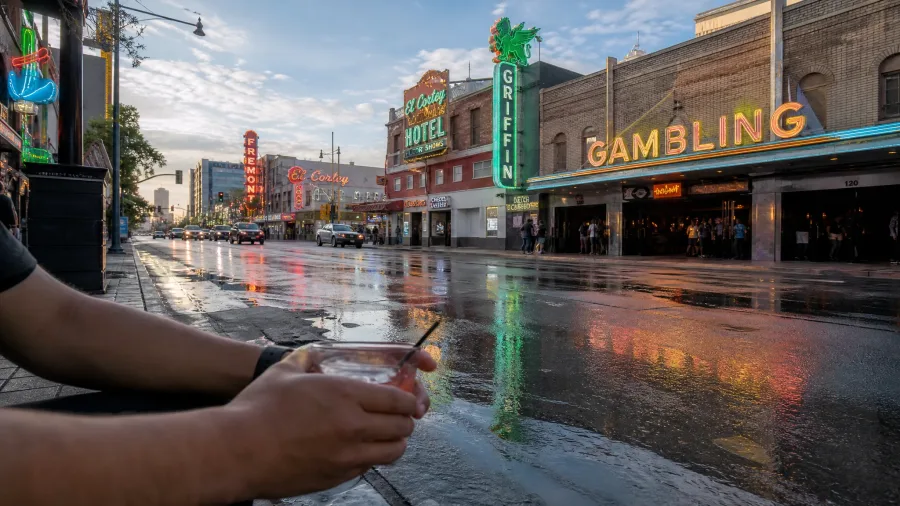
The answer is already in the room rate, which has a cover charge stapled to it. A resort fee of about $45 a night lands on top of whatever you booked, and it is charged whether you use the pool, the gym or none of it – the same device as a honky-tonk cover, just scaled to the building. A cocktail out front runs around $18 before the fee has been factored into anything.
Downtown prices the same night at ground level. A hotel near Fremont East runs about $120, cocktails sit near $10, and four walkable blocks hold the entire evening – the bands, the bars, the late food – so you never call a car. That last part is the real arithmetic: a rideshare between the Strip and Fremont East is about $25, and if you have booked the wrong base you pay it both ways just to see the other thing.
So the math sorts itself by what you came for. First-timers who want the megaresorts, the fountains, the pools and the address should pay the $45 and stop wincing at it – that fee is buying the lobby you came to stand in. Budget travelers and anyone who wants to walk out of the room and into the night should book downtown, where the room is $120 and the night stays inside four blocks.
One honest note on the wildlife. The Strip's people-watching is the best free show in the city – the costumed characters, the wedding parties, the man carrying a two-foot margarita at 9 a.m. – and you will see it on any walk-through.
What you will not reliably see is it staying good. Midweek it thins, conventions change the crowd entirely, and the best glimpses come after midnight when the day-trippers have gone. If spotting that crowd is your reason to be here, keep it as a walk, price the fee, and sleep where the blocks are walkable.
Coast and Beach
The coastal swaps are mostly about the same water at a different address. South Beach and Waikiki both pitch the room as the attraction; Surfside and the North Shore pitch the beach and the drive.
Price the room night against the ride and the parking. That's the whole decision.
6. Fisherman's Wharf: $22 buys a snack
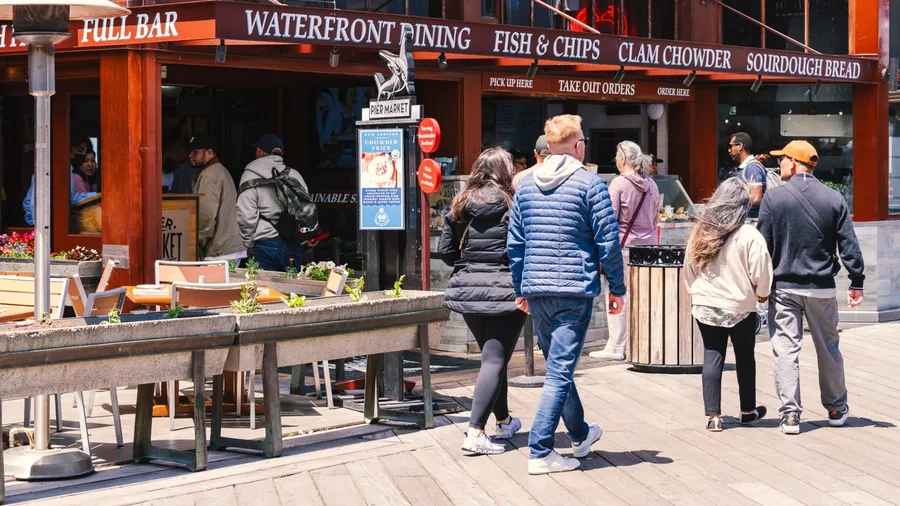
Against the fee-on-the-room logic of a casino hotel, the coast runs the same sum in different packaging. Here the surcharge is not a resort fee but a waterfront's grip on access: you pay to stand near the water, and the water is free a short ride away. Fisherman's Wharf is a two-hour stop once you add it up – a chowder bowl around $14, a cable car round trip about $8, and the pier's souvenir shops between them.
Outer Sunset is where the people who live here go to end a day. The N-Judah gets you out in about 30 minutes, Ocean Beach has no gate and no entry fee, and $12 buys dumplings on the way back instead of a bread bowl on the pier. You trade attractions and crowds for sand and a residential sunset – the arc of the whole trip in an afternoon.
That trade decides the trip by who is on it. Families who came for the cable car and the sea lions should do the Wharf and enjoy it. Walkers, couples and anyone who would rather eat dinner than buy a keychain should ride the N out and watch the light go down over the ocean. The wharf's $22 buys a snack and a ride; the swap's $12 buys dinner, and the beach is free.
7. South Beach: the $300 nightly scene
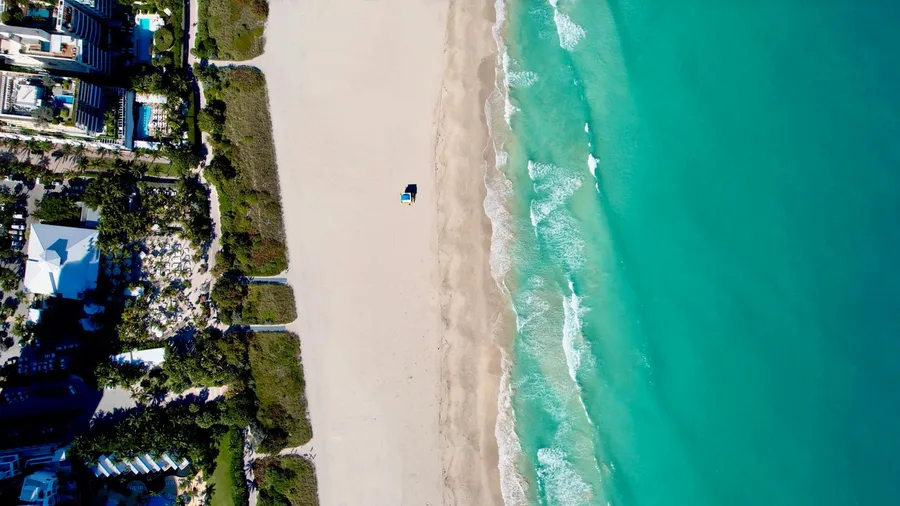
Know before you book: the weekend rate on Ocean Drive is not buying you a better beach, it is buying you a front-row seat. The sand is public and identical a few miles north. South Beach runs about $300 a night and posts cocktails at $18-$22 along the strip, and from Friday to Sunday the sidewalks on Ocean Drive are shoulder-to-shoulder with people watching and being watched. You are paying for the audience, not the ocean.
The swap is Surfside, about 15 minutes north by Uber at roughly $18 each way. Rooms there run about $220 a night, and beach access costs nothing on either side of the causeway. Same water temperature, same sun, same afternoon light on the sand, and the sand itself is free at both.
Where the two diverge is the reason you came. South Beach is for the nightlife and the people-watching, the walk past the art deco facades with a drink in hand. Surfside is for a quiet family beach where the loudest thing is the surf. Do the arithmetic: the $80-a-night room gap covers four $18 Ubers, and the beach charges you nothing either way.
The Cost Words on This List
8. Waikiki: towers, parking, midday crush
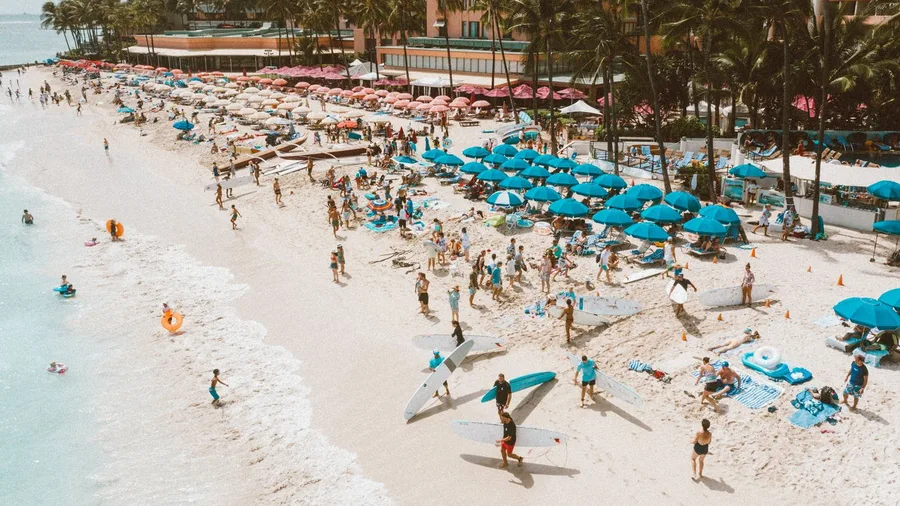
Base on the North Shore, not Waikiki, unless you have decided in advance that you will not rent a car. That is the whole decision, and it comes down to one arithmetic fact: the room in Waikiki runs about $350 a night, parking another $40 a day, and the beach is shoulder-to-shoulder by midday.
The walkability is real. From a Waikiki tower you can leave the room in bare feet, cross the street, and be in the water in four minutes, and every meal, every shave ice stand and every ABC Store is inside a ten-minute stroll. That is what the $350 buys: not the sand, which is public and free on every island, but the absence of a steering wheel. It is also why the rate is what it is, and why you should ask yourself honestly whether you will use it. Most people who pay for the walk still drive to Pearl Harbor, to Hanauma Bay, to the Pali lookout – and then pay $40 to park the car they were told they would not need.
Now price the other base. A North Shore room runs about $250 a night, and a rental car about $55 a day. The $100 nightly gap between the two rooms nearly swallows the car on its own, and the car is the thing that gets you to the water worth standing in. Drive 45 minutes from the airport and the towers are gone, the road narrows to two lanes with jungle on one side, and the ocean starts showing up on your left in flashes through the trees.
The photograph is at Shark's Cove, and it costs nothing. Parking is free along the road, entry is free, and the cove is a shallow lava shelf where the water sits flat and clear enough to see the fish from standing height – bring your own mask and you have skipped a $40 boat ride. Go in the morning, before the afternoon swell and before the tour vans fill the shoulder, and get in the water on the west side where the shelf breaks the swell. Sunset is the other appointment: drive to Sunset Beach or Ehukai and stand on the sand facing northwest, and the sun goes down between the two rock points while the surfers paddle out past the break. That is the shot you came for, and nobody is charging for it.
The trade is convenience for a steering wheel, and a car-based trip means planning around one road. The Kamehameha Highway is the only route along that coast, and a stalled car or a north swell can turn 45 minutes into two hours – check conditions before you commit to a dinner reservation across the island. If you have kids who need a pool and a lift to the beach, take Waikiki and pay for the ease. If you came for surf, snorkeling and a view with no buildings in it, take the North Shore, take the car, and treat the drive as part of the day rather than the cost of it.
Canyons and Falls
The last two pairs are the ones where the famous stop and the swap often cost the same. What changes is the crowd and the season, not the ticket.
Check closures before you route around either.
9. Niagara Falls: $43 for the mist
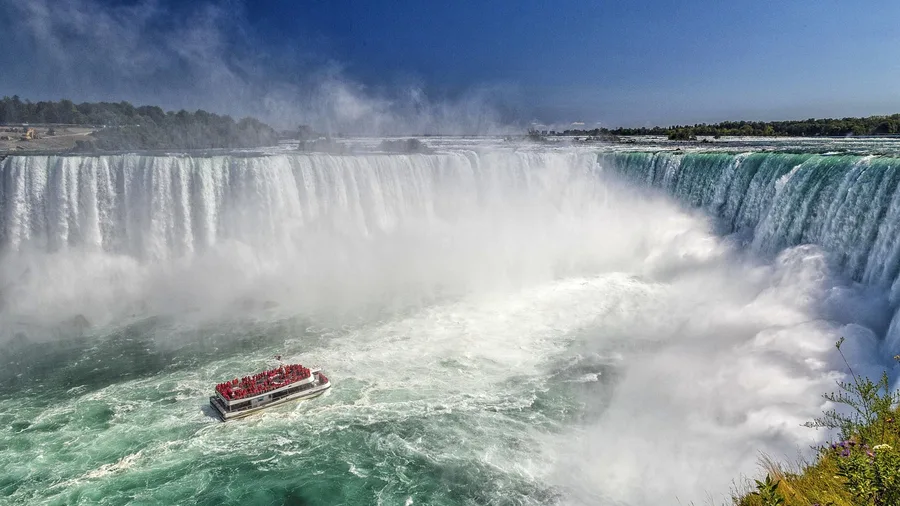
The roar reaches you before the water does, a low steady thunder through the trees, and then the mist comes up over the rail and soaks your sleeves in seconds. That is Niagara from the promenade, and it costs nothing to stand there. The $28 is for the boat that takes you into the spray, plus about $15 to park, and the whole visit runs 2-3 hours before you have seen it.
Drive an hour and 20 minutes from Buffalo to Letchworth instead and the day stretches to 3-4 hours in the gorge for a $10 vehicle entry, with ledges to sit on while the river runs past below. Niagara is the quick icon to see once; Letchworth is the full day outdoors. The boat and the mist bill about $43; the gorge bills $10 a car, and the drive is the real cost either way.
10. Grand Canyon South Rim: same fee, different season
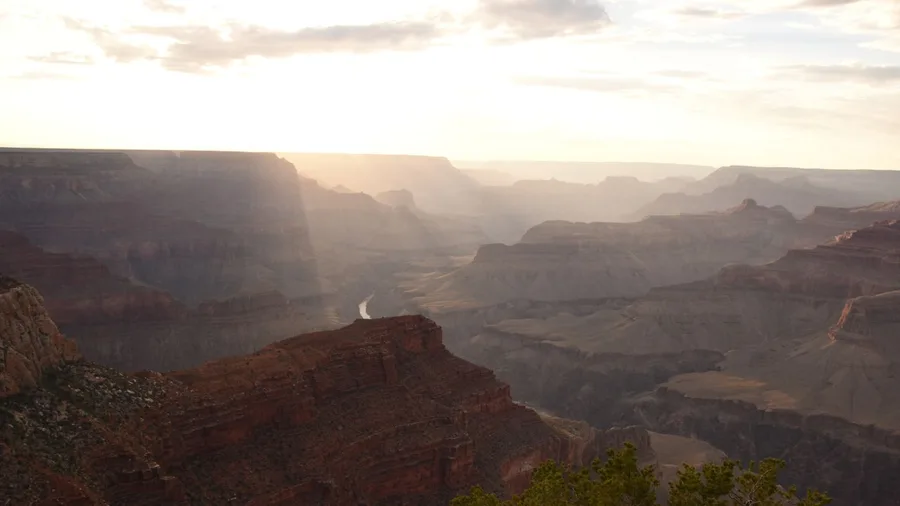
Stand at Mather Point just before dawn and the canyon is a sound before it is a sight: ravens riding a cold updraft, wind scraping the rim trail, the whole gash in the earth still black. Then the light hits the North Rim wall across the gap and the rock comes up in bands, red then orange then a pale dust yellow, 10 miles away and somehow close enough to touch. That wall is a different park in every way that matters, and the good news is you have already paid for it.
One $35 vehicle entry covers both rims, so this is the rare pair where the money never enters the decision. Choose on calendar and tolerance instead. The South Rim runs year-round with full services and crowds that peak around midday, the easy answer for first-timers and for any winter trip that needs a warm room and an open restaurant. The North Rim sits 1,000 feet higher, runs 10-15 degrees cooler, offers far fewer services, and closes for the season, so verify access with the National Park Service before you route a trip around it. Same fee, different season, different crowd: the swap costs nothing and only the calendar decides.
Prices are typical examples and change with season; check before you book.
Frequently Asked Questions
Is it actually worth skipping the famous stops on a first US trip?
Most first-timers should see the icon once. Walk Times Square, photograph the stars, ride the boat — then spend the money on the swap. The famous stop is a photo stop, not a whole evening.
How much does a swap save, roughly?
It varies, but the gaps are real: Times Square to Flushing saves about $140 a night on the room before the ticket; Navy Pier to Garfield saves about $43 on the afternoon; the Vegas resort fee alone is about $45 a night.
Do I need a car to take these swaps?
Only for the North Shore and Letchworth. Flushing, East Nashville, Fremont East, Outer Sunset and Surfside all work by train, rideshare or a 15-minute Uber. Griffith Park is easiest by car or rideshare.
When is the best time to go to any of these places?
For the city stops, mid-morning or early evening beats the middle of the day. For Griffith and the North Shore, go about an hour before sunset. For the Grand Canyon North Rim, summer is the only season — check access with the park service before you book.
Are the swaps better for families?
Sometimes. Surfside is quieter than South Beach, Garfield is calmer than Navy Pier, and the Grand Canyon South Rim has the services that matter with kids. Broadway Nashville and the Vegas Strip are the reverse — keep the famous version if the family came for that.
Do I need to book ahead for the swaps?
Book the room for Flushing and Fremont East as early as you would any city hotel. For Griffith, Letchworth and the North Rim, no ticket is needed — you pay for parking or a vehicle entry at the gate.
Which Swap You Make First, Depending on the Trip
Take the famous stop only on a first trip where the postcard is the whole point and your dates can fall off-peak. Take the swap when cost, local texture and shorter lines matter more than the name.
With one free evening and no Broadway ticket, make Flushing your first swap: 35 to 40 minutes on the 7 train, a $180 room against $320, and a $12 to $18 dumpling dinner instead of a packed 8 to 11 p.m. sidewalk.
The neon is still there and still free to walk through on another night. The swap costs you one train ride, not the trip, and what you get back is an evening spent on purpose, priced before you spend it.
Price your next trip on the same ledger
Open your booking tab and add the room, the resort fee, the ride and the cover. Compare that total against the swap — the answer is usually on the screen.