Everyone files Santa Fe with Sedona, and both are red-rock towns you can tour by shuttle. The difference is altitude: Santa Fe sits at 7,000 feet, so the same two flat blocks cost you more breath, and the fix is short bursts with a seated break between them. Five nights mid-range run about $1,700 to $3,000 a person before airfare, which sounds attainable until you look at the daily shape: 2 to 4 hours on foot with seated breaks, optional walks under a mile.
That is the real constraint, and it is also the good news. The best stops arrive by paved rim, trolley, shuttle, coach, elevator and timed entry rather than trail miles.
So the choice is not the shortest item on a list. It is the trip whose signature moment asks the least walking and the fewest transfers. Pick one base, protect access, then let the season decide the rest.
By the last entry you will have matched pace, season, budget and an accessible room to one of twelve bases, and known which entry to book first. That single decision turns a famous name on a map into five comfortable nights.
Quick Tips Before You Start
Book the room first
Request a step-free room with a roll-in shower at the time of booking, not on arrival.
Confirm 48 hours out
Call the shuttle, trolley or coach desk 48 hours ahead to confirm the drop-off point and lift access.
Book the signature moment early
Biltmore entry, the Acadia coach, the Maid of the Mist and the Grand Canyon shuttle all sell out in peak season.
Pack one broken-in pair
Flat, closed shoes with a grippy sole handle cobblestones, boardwalks and boat decks better than any walking shoe you buy on the trip.
Plan a seat every 90 minutes
Schedule a bench, a café table or a boat seat into the middle of every morning and afternoon.
Travel shoulder season
April-May and September-October give you thinner crowds and milder temperatures in most of these places.
1. Savannah and Charleston by Rail and Coach
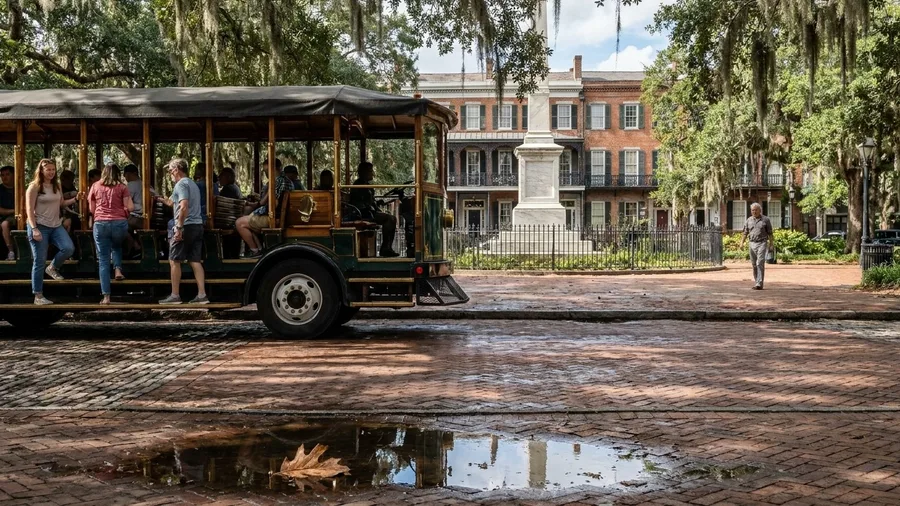
Book the trolley before you book anything else. Savannah's historic district is flat, but summer heat off the sidewalks makes an unplanned afternoon feel twice as long, and the seated orientation tour is what keeps the day inside your 2-4 hour rhythm. In April-May or September-October, ride the loop first, step off where a 1-2 block stretch of squares around Forsyth Park looks worth the walk, then sit down again. Benches sit at nearly every corner of that grid.
Charleston is a roughly two-hour coach or rail ride from Savannah, so you never touch a rental car. Stay near Marion Square and King Street and City Market become level walks of a few short blocks each, with a carriage ride or a house-museum tour in the afternoon to put you in a seat. Two walkable districts, no parking, and a day broken into short stretches: the low effort here comes from the trolley and the coach, not from your stamina.
💡 Tip: Ask the trolley company which stops have benches and shade; some loops drop you in full sun.
| Trip | Best season | Daily walking | Why it is easy | Signature moment |
|---|---|---|---|---|
| Savannah & Charleston | Apr-May, Sep-Oct | 2-3 hrs, short blocks | Trolley and coach, no car | Forsyth Park bench stop |
| Grand Canyon South Rim | Apr-May, Sep-Oct | 1-2 hrs, paved rim | Free shuttle, flat path | Mather Point at sunrise |
| Monterey & Carmel | Year-round mild | 1-2 hrs, flat village | Car is the viewing seat | Aquarium galleries |
| Door County | Jun-Sep | 1-2 hrs, short stops | One base, ferry and coach | Washington Island ferry |
| Sedona Red Rocks | Apr-May, Sep-Oct | 1-2 hrs, paved viewpoints | Shuttle to trailheads | Airport Mesa sunset |
| Asheville & Biltmore | Apr-May, Sep-Oct | 2-3 hrs, flat blocks | House elevator, free trolley | Biltmore terrace |
| San Antonio Missions | Nov-Mar | 2-3 hrs, paved paths | Boat and coach, level grounds | River Walk boat |
| Bar Harbor & Acadia | Jun-Sep | 1-2 hrs, flat paths | Coach on Park Loop Road | Jordan Pond shore |
| Santa Fe Plaza | Apr-May, Sep-Oct | 2-3 hrs, short clusters | Pickup shuttle, one base | Canyon Road galleries |
| Niagara Falls | May-Oct | 1-2 hrs, paved viewpoints | Trolley and boat | Maid of the Mist |
| San Diego | Year-round | 1-2 hrs, flat waterfront | Cruise and free tram | Harbor cruise |
| Lancaster County | May-Jun, Sep-Oct | 1-2 hrs, level stops | Small-group coach | Covered bridge stop |
2. Grand Canyon South Rim by Shuttle
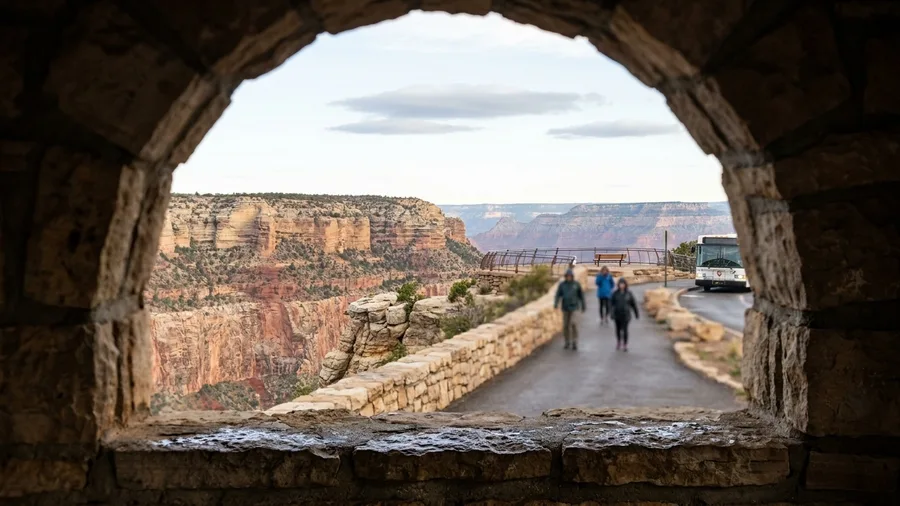
The South Rim is a national park you can see without hiking a step. The free shuttle runs from Tusayan and Grand Canyon Village out to Mather Point, Yavapai and Hermits Rest, and the Rim Trail between Mather and Yavapai is a flat, paved 0.7 miles with overlook benches spaced along it. The canyon's story is one of water and time, carved layer by layer over millions of years, and the shuttle's job is simply to put you in front of it.
Start before 9 a.m. in April-May or September-October. The light is clean, the shuttle seats are open, and the overlook railings are not three deep. Book the Grand Canyon shuttle early, and confirm accessibility with the operator before you go, because boarding arrangements at each stop are what decide whether the day runs smoothly.
One caution: the shuttle drops you at the rim, not at a door, so plan the paved path as your walking and the benches as your pauses. Effort here is in the timing, not the trail.
💡 PRO TIP
The 9 A.M. Rule
On every shuttle-served landscape in this list, the first bus beats the first coffee. Arrive before 9 a.m. and you get the view, the bench and the photograph before the tour coaches unload.
3. Monterey and Carmel by Car
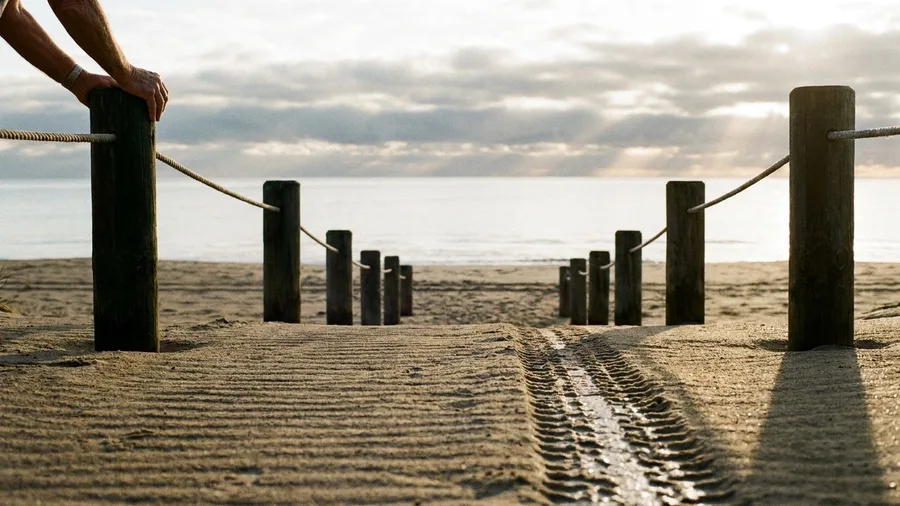
Treat the car as your viewing seat along this coast. The shuttle-and-path rhythm carries over to a mild shoreline where the drive itself is the attraction, and 17-Mile Drive delivers cypress, sea and the lone cypress on the rocks without a single steep step. The Monterey Bay Aquarium is the seated anchor of the day: book timed entry, then wander the galleries with their benches and watch the kelp forest from a chair.
In Carmel, park near Ocean Avenue and the beach ramp or the cottage courtyards sit two or three flat blocks away. Keep the village walk short and let the drive do the rest.
Weather is mild year-round, which makes this the trip that fits when other seasons will not. Arrive before 10 a.m. to sidestep weekend traffic, and base yourself in Monterey or Carmel so the morning starts without a long transfer.
The best scenery here costs nothing once you have the car and the aquarium ticket. That is the point: the coast's signature moments arrive through a windscreen or a timed-entry door, not a trail.
Book the aquarium entry first, then plan the drive around it. The walking stays under a mile, the car does the looking, and the day never runs long.
💡 Tip: Book the aquarium's first entry slot; the galleries are quietest in the first hour.
4. Door County by Car and Ferry
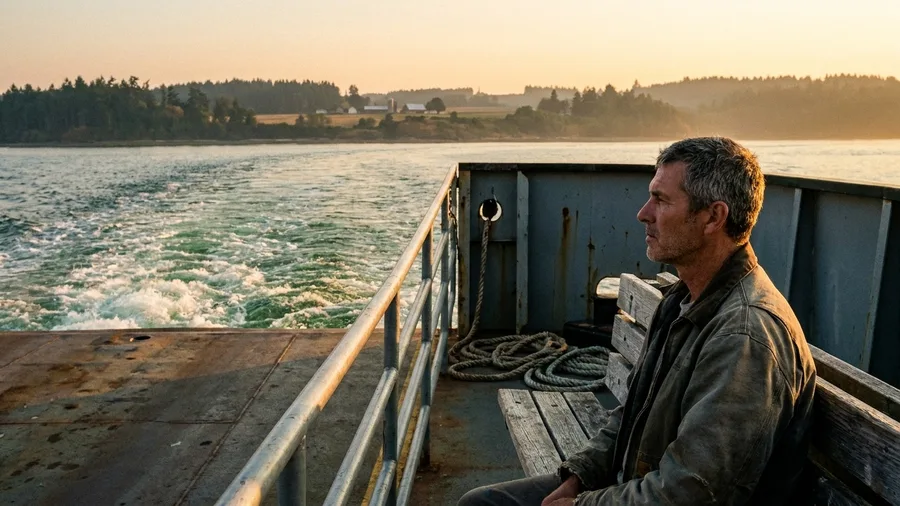
Door County, Wisconsin — if you treat the car as your viewing seat again, this time facing Lake Michigan instead of the Pacific, and keep every stop short. Base yourself in Fish Creek or Egg Harbor and the drives between stops stay under half an hour on flat, two-lane farm roads.
The scenic stops at Peninsula State Park are built for this: Eagle Bluff is a short level walk from the lot to a railed overlook, and the Cana Island overlook looks across the causeway to the lighthouse without a single stair. Then take the 30-minute Washington Island ferry, park the car, and let the island coach do the slow, flat loop past the farmsteads — brief stops, a seat between each. Go June through September, book a fish boil that seats you at a table (the boil-over at the fire is the whole show, roughly $30 a head), and keep one full day car-free so the ferry-and-coach rhythm carries it.
Walking vs. Sitting on a Door County Day
How the ferry and coach redistribute the effort
5. Sedona Red Rocks by Shuttle
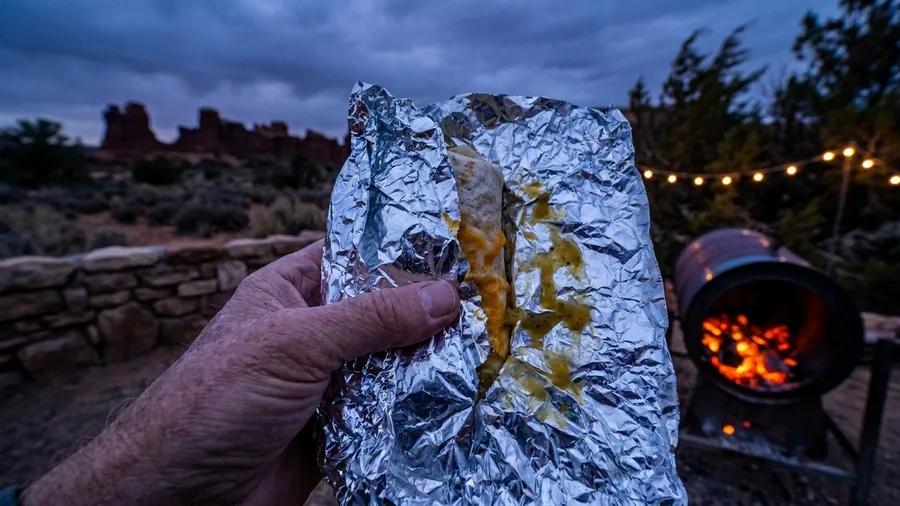
It hits you in the nose before you see anything: green chile roasting in a steel drum outside a Burrito Lady stand on the way out of town, smoke sharp enough to stop you mid-step. That $5 breakfast burrito, wrapped in foil, is the best money you will spend in Sedona — and the reason to eat before you chase the shuttle.
Red-rock country rewards the viewpoint, not the trail. The Sedona Shuttle runs free to the Cathedral Rock and Soldier Pass trailheads, but you ride it to look, not to climb: the paved overlooks at each stop give you the full formation without a foot of the scrambles, and the vortex routes can stay for the hikers. Airport Mesa at sunset is a five-minute level walk from the lot to the rim view; a jeep tour will take you further with step-up assistance if you want the dusty version.
Go in April-May or September-October, start early, and carry more water than feels necessary at this elevation. Base yourself in Sedona, spend the saved energy on a short main-street stroll, and let your choice of viewpoint — not your stamina — set the effort for the day.
💡 Tip: Ask the jeep operator about step stools and handholds before you book.
6. Asheville and Biltmore by Car
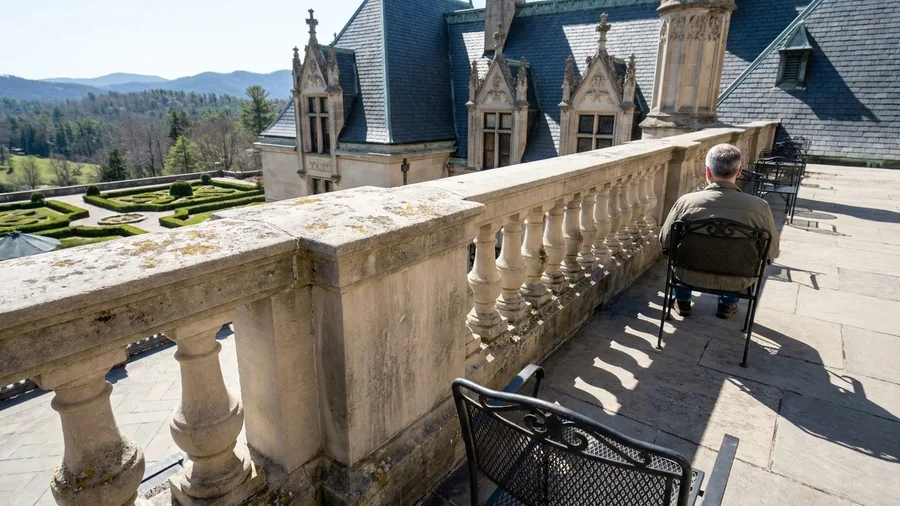
A red-rock rim view asks you to drive out and stand at a rail. Biltmore asks for less driving and more house — a timed entry, an elevator to the upper floors, and a terrace chair when your feet want one. If the scenery stops have been your whole week, this trades dust for a gilded staircase.
Book the Biltmore entry early; the timed slots for the house go first in leaf season. Inside, take the elevator or the accessible route and save your standing for the library and the banquet hall, then walk out to the winery terrace and sit with a glass. The photograph everyone wants is the rear facade of the house seen straight down the lawn — stand at the far end of the esplanade in late afternoon, when the light rakes across the stone and the tour buses have thinned.
Downtown Asheville is two or three flat blocks of Wall Street and College Street, with a free trolley to close the gaps; stay outside the busiest core for easier parking and base here. Come April-May or September-October, and put one main site on the calendar each day. The access planning does the work, so the days do not have to.
Biltmore Visit at a Glance
⏱️ Time inside
Allow 2-3 hours, half of it seated
🍂 Leaf-season risk
Timed slots sell out weeks ahead in October
🚫 Skip this if
Stairs and standing are hard and the elevator queue is long
🅿️ Parking
Lot fills by mid-morning; arrive at opening
✅ Confirm ahead
Step-free room and shuttle drop-off, 48 hours out
Budget line
House entry plus winery stop runs roughly $100-$150 per person – check current prices.
7. San Antonio River Walk and Missions
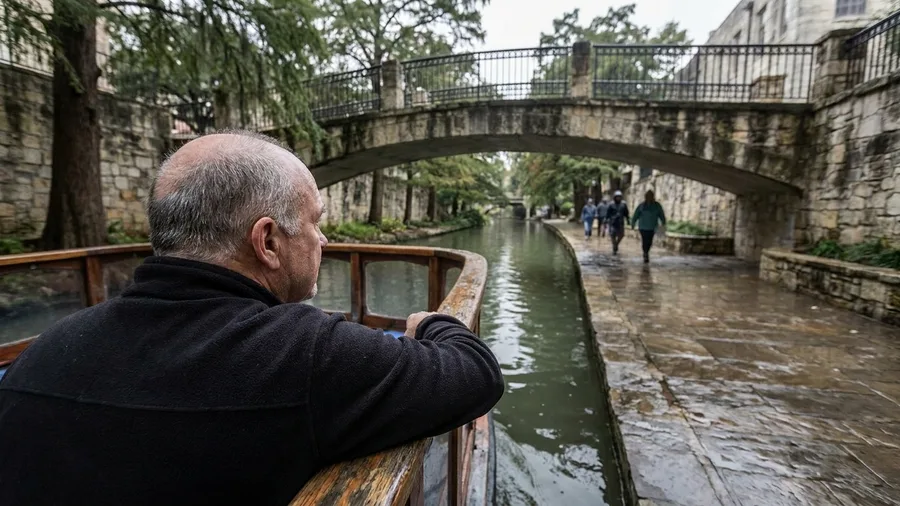
Two boat rides and one flat mission ground are the whole splurge here, and it runs about $120-$180 a person on top of your lodging once you add the cruise and a guided mission tour. That is the rare city where the signature moment comes with a seat underneath you. The River Walk boat covers the downtown loop in roughly 35 minutes while the guide points out the bridges, and you step off within a block of where you started.
On foot, the main loop and the Museum Reach are paved and level, and both break naturally into 15-minute stretches because there is a bench or a low wall every few dozen yards. The mission grounds are flatter still, with paths wide enough for a wheelchair to pass and shade trees that make the walking feel shorter than it is. Book the mission tour early, since the small guided slots at San Jose fill first and the self-guided option leaves you reading plaques in the sun.
November through March is the window, when the humidity drops and the river walk becomes a place to sit rather than endure. Ask for a river-facing room with elevator access and you can watch the boats from your window with your shoes off. This is the city break where the effort stays low and the weather works with you, which is what makes the splurge defensible.
💡 Tip: Sit on the left side of the boat for the best view of the bridges.
8. Bar Harbor and Acadia by Coach
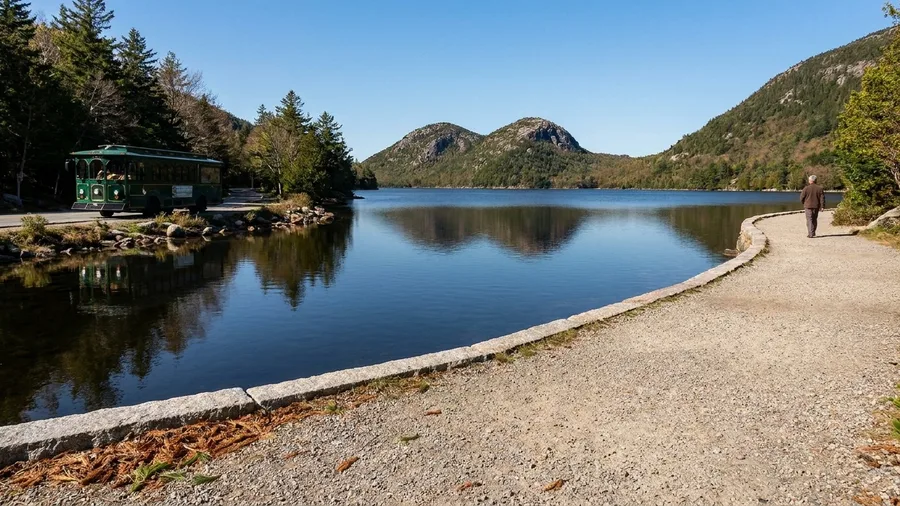
Acadia's air hits you first: spruce and cold salt, a few degrees cooler than the town below, because the granite keeps the fog. Locals send their visitors up to Cadillac Mountain for the sunrise, which is the wrong advice if stairs are an issue. The better seat is on the park road itself.
Ride the free Island Explorer or a guided coach around Park Loop Road and the whole coast comes to you, from Otter Cliffs to the mouth of Frenchman Bay, with no mountain switchbacks to drive and no trail miles to log. Step off where the paths stay flat, like the boardwalk at Sieur de Monts through the Wild Gardens of Acadia, or the graded loop at Jordan Pond where the pond sits still and the Bubbles rise behind it. Both give you the park's signature view in under a mile of walking.
Base yourself in Bar Harbor and the town itself is a 5-10 minute level walk: waterfront, shops, and the Shore Path running along the harbor with benches the whole way. Go June through September, book the Acadia coach well before you arrive, and if Cadillac's summit stairs are the sticking point, let the coach skip them.
Two Ways to See Acadia
Coach and flat paths
- Book the coach 4-6 weeks out; June-September slots fill
- Island Explorer is free and stops at Sieur de Monts and Jordan Pond
- Confirm step-free drop-off with the operator 48 hours ahead
- Allow 2-4 hours on foot with seated breaks, under 1 mile total
Drive and climb
- Cadillac summit road needs a vehicle reservation in peak season
- Summit stairs and rock steps are the actual barrier, not the drive
- Trailhead lots fill by mid-morning; no guaranteed parking
- Long walks between stops push past the 4-hour foot limit
9. Santa Fe Plaza and Canyon Road
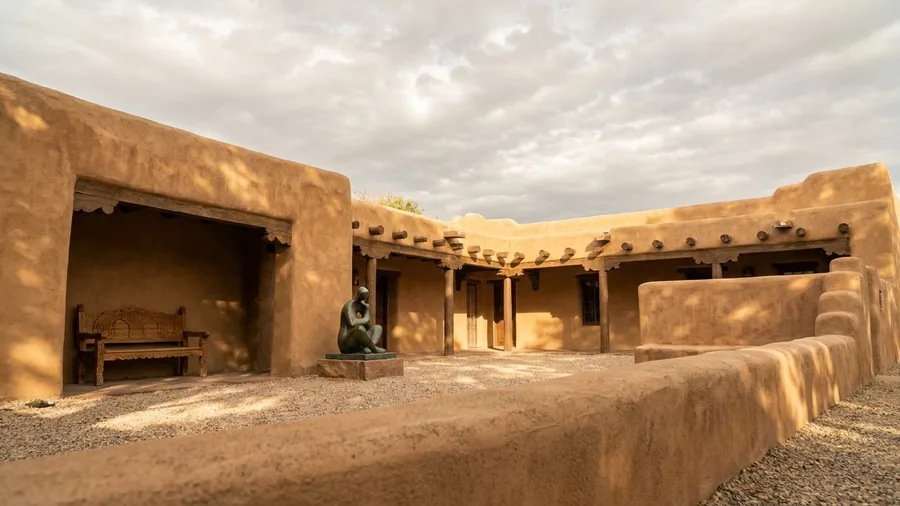
Santa Fe is a walking town that happens to sit at 7,000 feet, so the doing is gallery browsing, and the trick is to do it in short bursts and let the altitude set the pace.
Base within three blocks of the Plaza and the whole thing becomes a series of short, level walks. The Santa Fe Pickup shuttle runs to Canyon Road and Museum Hill for free, so the two long-ish stretches of the day are handled by a seat. Start at the Plaza in the morning, when the adobe walls are still cool and the portales are quiet, and work outward from there.
Canyon Road is best taken in two or three gallery clusters, with benches between them and one long lunch in the middle. Resist the steep side lanes; they look tempting and they end in a flight of steps. The Pickup drops you at the bottom of the road, which saves the uphill walk and leaves your legs for the browsing itself.
April and May or September and October are the months to aim for, when the light is low and gold on the adobe and the afternoons are not yet brutal. Drink more water than you think you need, and plan one afternoon of rest built around nothing in particular; the elevation is the pacing factor here, not the distance, and a slow first day pays for itself by the third.
What you get for that pacing is art in the courtyards and doorways, a plaza that fills with people at dusk, and a town you can cross on foot without ever feeling rushed. Book a room near the Plaza and the shuttle does the rest.
10. Niagara Falls by Trolley and Boat
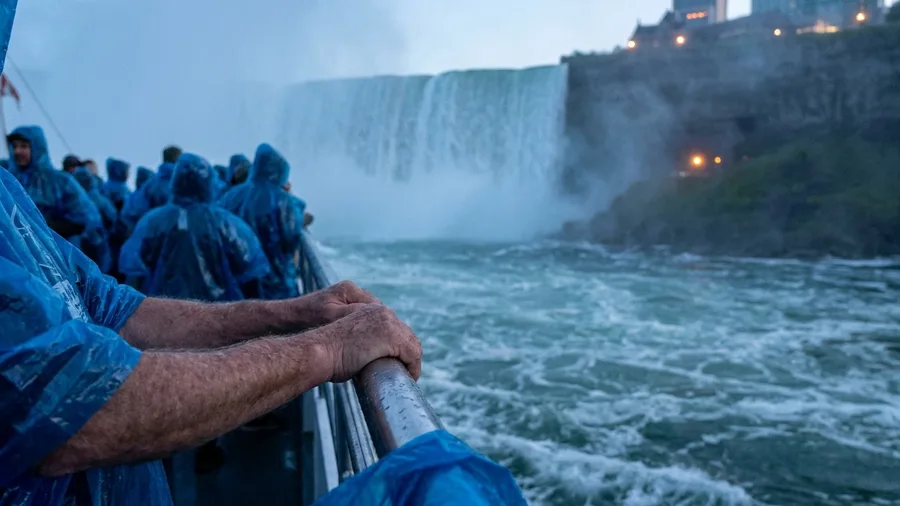
The Maid of the Mist costs around $30 for adults, runs 20 to 30 minutes, and is the one line worth booking the moment your dates are fixed. The boat has step-free boarding, and an elevator carries you down instead of the long stair descent to the dock. Expect real spray: a poncho comes with the ticket, but bring a dry layer for the ride back up.
A trolley loops between Table Rock, Horseshoe Falls and the visitor center, so you can stand at the railing for ten minutes, sit for ten, and move on. Stay on the US side inside Niagara Falls State Park and transfers drop away; you walk from your room to the trolley. May to October is the window, and the slow hour is after the boat: find a bench facing the gorge and watch the water arrive before it goes over.
Three Booking Mistakes That Cost You the View
11. San Diego Harbor and Balboa Park
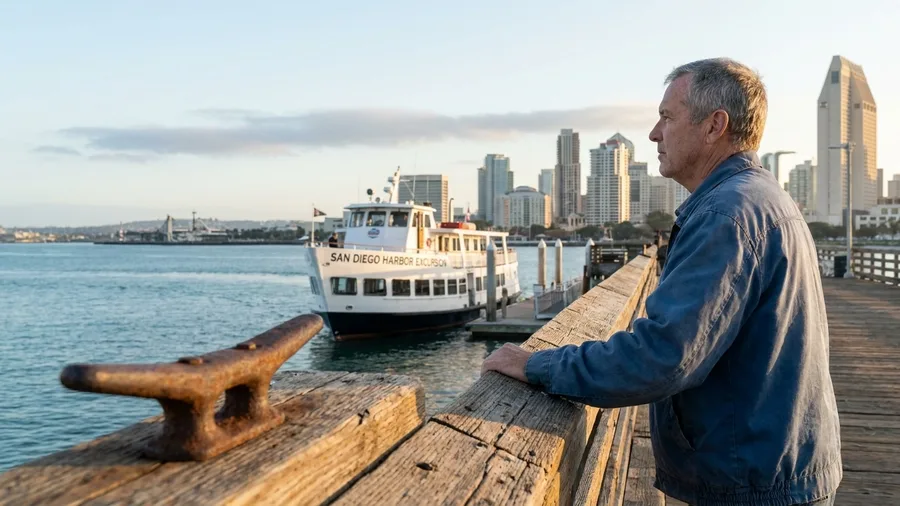
The air off San Diego Bay in the morning is cool and a little salt-stiff, and the light comes at you low off the water. That is the hour to be on the Embarcadero, because the harbor cruise leaves from the piers here and the boats are calmer before the afternoon wind picks up.
The cruise runs 1 to 2 hours, and booking it early protects the seat and the departure time you want. From the landing, a flat mile of waterfront path takes you to Seaport Village, a boardwalk of odd little shops and a carousel where nobody minds if you stop and do nothing much.
Inland, Balboa Park has a free tram linking the museums and the Japanese Friendship Garden, and the honest advice is to pick one museum per visit rather than trying to sweep the park. A hotel near the trolley or the harbor cuts transfers to almost none. Warm weather all year, and no day here asks more than a mile on your feet.
How Much Walking Each San Diego Stop Asks Of You
Low effort on the left, higher effort on the right
- Harbor cruise: Boarding ramp, then seated for the whole ride
- Seaport Village waterfront: Flat mile with benches
- Balboa Park tram loop: Short walk between tram stops
- Japanese Friendship Garden: Gravel paths and a few slopes
12. Lancaster County Amish Country by Coach
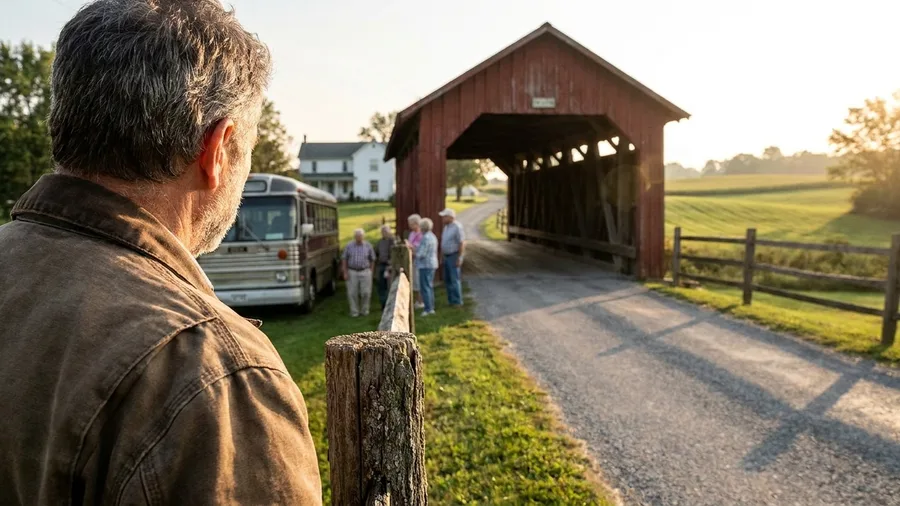
Book a weekday, not a Saturday. The farm markets that anchor these tours fill with local shoppers on weekends, and a Tuesday morning coach rolls through a quieter countryside. May-June or September-October gives you mild air and open fields; a small-group coach from Lancaster city handles the lanes, with short, level stops at a farm market, a covered bridge and a one-room school.
Ask for a front seat and a step stool when you reserve, and pair the day with a flat walk through Lancaster Central Market back in town. You get rural America without steering a car down a narrow road, and the driver does the work.
Frequently Asked Questions
How much walking is typical on these trips?
Plan on 2 to 4 hours on foot per day, broken into 15- to 30-minute stretches with a bench, café or boat seat in between. Every optional walk in this list stays under a mile.
What does a five-night trip cost, excluding airfare?
Roughly $1,700 to $3,000 per person for mid-range lodging, meals, entry fees and local transfers. Coastal California and peak-season Bar Harbor sit at the top of that range; Lancaster County and San Antonio sit lower.
Do I need to book the signature experiences ahead?
Yes. Biltmore entry, the Acadia coach, the Maid of the Mist, the Grand Canyon shuttle, the San Antonio mission tour and the San Diego harbor cruise all sell out in peak season. Book them before you book the hotel.
When is the best time to go?
April-May and September-October for Savannah, Charleston, Asheville, Sedona and Santa Fe; November-March for San Antonio; June-September for Door County and Bar Harbor; May-October for Niagara; May-June and September-October for Lancaster County. San Diego and Monterey-Carmel are mild year-round.
How do I confirm accessibility?
Request a step-free room with a roll-in shower at booking, then call the shuttle, trolley or coach operator 48 hours ahead to confirm the drop-off point and lift access.
Choose Your Base, Then Book the Access
Match the trip to how you want to move. Rail and coach for a no-car East Coast run, shuttles for the big scenery, a car for coastal and rural loops, a warm-weather city when you want winter sun.
Pick one base, then reserve the room first: step-free, roll-in shower, confirmed. Book the signature timed entry next, and call 48 hours ahead about shuttle, trolley and coach drop-offs. Everything else flexes around those three.
The arithmetic holds: five nights at $1,700 to $3,000 a person before airfare, one or two bases, one main site a day, 2 to 4 hours on foot with seated breaks. Ambition is not what limits this trip. Pace is.
Keep the optional walks under a mile. The trip you remember is the one where the view met you at a seat, a shuttle door or a short paved path, at 7,000 feet or at sea level.
Pick One Trip and Book the Room
Choose the trip that fits your season, then reserve the step-free room and the signature timed entry this week. The rest of the plan can wait.