Most people planning a Southern road trip out of retirement default to the interstate, and they get it exactly backwards: the freeway is the most tense part of the day, all merge lanes and trucks and sameness. The belief worth arguing with is that skipping it means slow improvisation and drives that stretch past comfort. It does not. None of these nine routes touches an interstate, and no driving day runs past 150 miles. The longest, the Blue Ridge, spreads 470 miles over 7 days.
So the real decision is not whether you can handle the miles. It is which daily shape suits you: 45 mph ridge overlooks, a 50 mph one-road parkway, beach hops under 70, ranch roads of 40 to 70, Ozark curves of 50 to 80, flat Lowcountry days of 50 or 60, bourbon days of 40 to 60, 40-mile North Georgia days, or 50-mile Cajun prairie days.
Each of these routes comes with its mileage, its overnight towns, its best season and an honest cost. Match one to your comfort, your budget and your appetite for scenery, sand, culture or curves, and then drive it instead of guessing from a map.
Quick Tips Before You Start
Paper maps
Download offline maps and carry a paper atlas for parkways where cell service drops.
Fill up early
On two-lane routes, top off the tank whenever you see a station; the next one may be 40 miles on.
Book dinners
In small towns, popular restaurants fill by 6 p.m.; reserve a table or eat an early supper.
Two-night stays
Two nights in the same motel cuts packing and unpacking and gives you a full day off the road.
Check the season
Mountain parkways can close for ice; coastal routes can flood. Check road conditions the morning you leave.
1. Skyline Drive and Blue Ridge Parkway
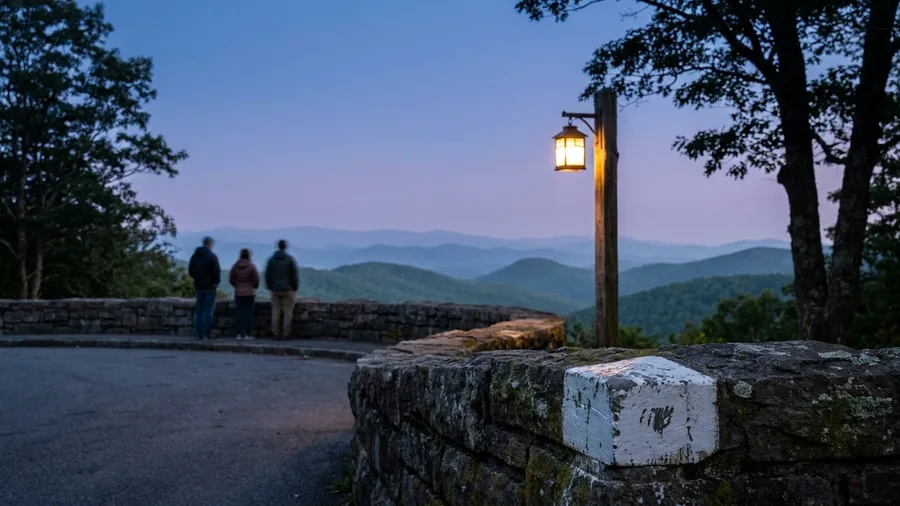
This is the longest mountain route of the nine, and it is the one to take if the scenery matters more than the speed you get there.
Front Royal to Asheville on Skyline Drive and the Blue Ridge Parkway runs 470 miles over 7 days, about $1,650 per couple for midrange lodging, meals and fuel, with overnights in Front Royal, Roanoke, Blowing Rock and Asheville. That works out to roughly 67 miles a day. The parkway holds you at 45 mph, which sounds like a penalty until you notice you are on a ridge the whole time and the Appalachian Trail day hikes come every few minutes. May and October are the months to aim for.
For wildlife, the honest likelihood is good but not guaranteed, and the best window is early morning and the hour before dusk, when white-tailed deer graze the grassy shoulders and the overlook clearings. Drive the first stretch out of Front Royal just after sunrise and your odds climb; black bears are possible in the thicker woods but rare enough that a sighting is luck, not a plan. The frequency of overlooks is what makes this route work for a couple who needs to stop often: pull over, stretch, watch the valley a while, then carry on without losing the day.
💡 Tip: Skyline Drive charges an entrance fee; the Blue Ridge Parkway is free. Buy the America the Beautiful pass if you plan to visit other national parks.
2. Natchez Trace Parkway
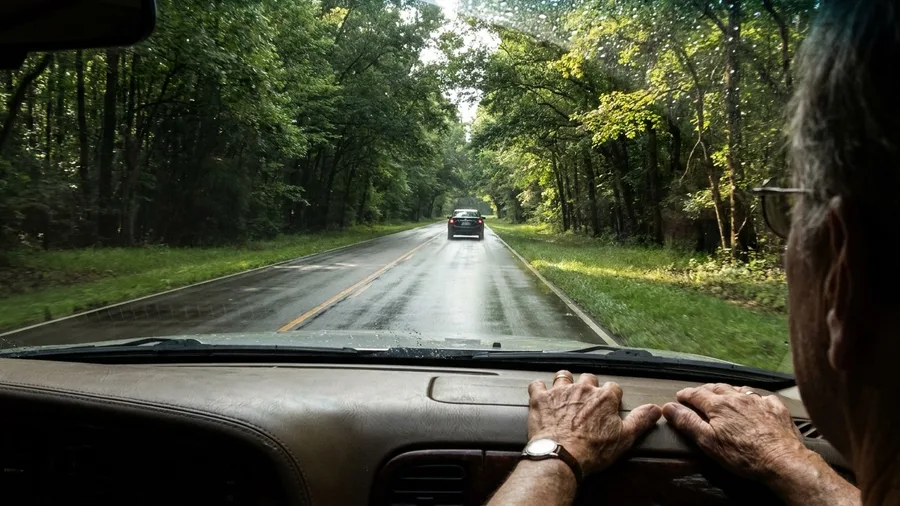
Yes, if you cut out the turns entirely.
Natchez to Nashville on the Natchez Trace Parkway is 444 miles over 6 days, about $1,250 per couple, with stops in Natchez, Tupelo, Franklin and Nashville. It is parkway for most of the way, so the speed limit is 50 mph and the route hands you one road instead of a stack of directions. There are no stoplights and no truck traffic, and at about 74 miles a day the driving stays easy. April and October are the best months.
The hour that matters here is dawn, and the reason is the wildlife. The Trace is a narrow green corridor with mowed shoulders, and white-tailed deer step out of the treeline in the half-light, so an early start means you see them and, more to the point, means you are driving slowly when you do. Late afternoon is the second window. Midday is quiet and safe but delivers far less.
Navigation is where this route earns its place: with one road and no commercial traffic, the couple in the passenger seat can put the map away. That simplicity, not the mileage, is why it suits a pair who want the trip to feel calm from the first mile.
A word of caution on the early starts. Fog can sit in the low sections until mid-morning, so keep your speed honest and your headlights on until it lifts. A thermos and a bag of something to eat covers breakfast at a pull-off, and the day still ends early enough to be rested.
💡 Tip: The parkway has no gas stations. Plan fuel stops in the towns just off the route, especially between Natchez and Jackson.
| Route | Miles | Days | Best season | Est. cost per couple |
|---|---|---|---|---|
| Skyline Drive & Blue Ridge Parkway | 470 | 7 | May or October | $1,650 |
| Natchez Trace Parkway | 444 | 6 | April or October | $1,250 |
| Gulf Coast Two-Lane Beach Run | 250 | 4 | March-May or Oct-Nov | $1,100 |
| Texas Hill Country Ranch Roads | 220 | 4 | March-April or October | $950 |
| Arkansas & Missouri Ozarks Loop | 320 | 5 | April-May or October | $1,050 |
| Lowcountry Backroads to Savannah | 160 | 3 | March-May or Oct-Nov | $900 |
| Kentucky Bourbon Country Byways | 180 | 4 | April-May or Sept-Oct | $1,250 |
| North Georgia Mountain Loop | 120 | 3 | October | $800 |
| Louisiana Cajun Prairie Ramble | 150 | 3 | Oct-Nov or March-April | $750 |
3. Gulf Coast Two-Lane Beach Run
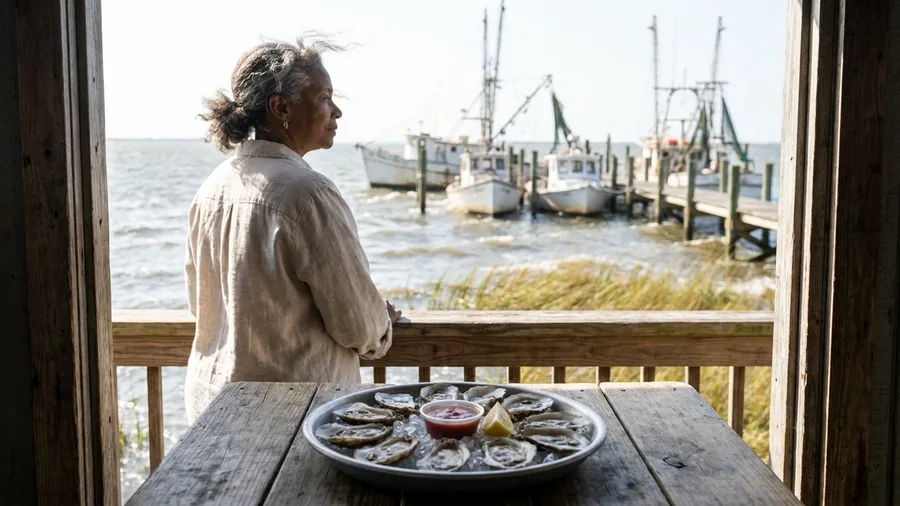
If the wooded parkway asks you to trade warm weather for calm, this route gives you the same calm with sand under it.
Fairhope to Apalachicola on US 98 and US 90 into FL 30A covers 250 miles in 4 days, about $1,100 per couple, stopping in Fairhope, Gulf Shores, Seaside and Apalachicola. Every driving day comes in under 70 miles, and the whole run stays on two-lane beach roads and small-town bypasses, so you reach the water without a single interstate leg. March through May and October through November are the months that work.
The dish to order is a dozen raw Gulf oysters at a 30A raw bar, and plan on somewhere around $15 to $20 depending on the day and the size. Order them cold and local, ask what came in that morning, and eat them while you look at the water rather than after. That is the point of a short driving day: you have the afternoon to spend on a bar stool instead of a highway.
The low-stress math holds together because the towns sit close enough to break up each hop. Gulf Shores to Seaside is a morning, not a haul, and Apalachicola is a slow afternoon of shrimp boats and old storefronts. Cooler months keep the sand comfortable and the rates lower, which is why this is the beach answer when summer does not suit you.
Gulf Coast Beach Run — At a Glance
🛣️ Longest single hop
Gulf Shores to Seaside, about 65 miles
🛏️ Overnight towns
Fairhope, Gulf Shores, Seaside, Apalachicola
💵 Daily budget
About $275 per day, all in
📆 Book ahead if
You want 30A in October: that stretch sells out first
🚫 Skip it if
You want high-summer heat or a pool-and-resort week
Order of play
Drive Fairhope to Gulf Shores on day one, keep Gulf Shores to Seaside as the middle morning, and finish in Apalachicola so the longest water views come last.
4. Texas Hill Country Ranch Roads
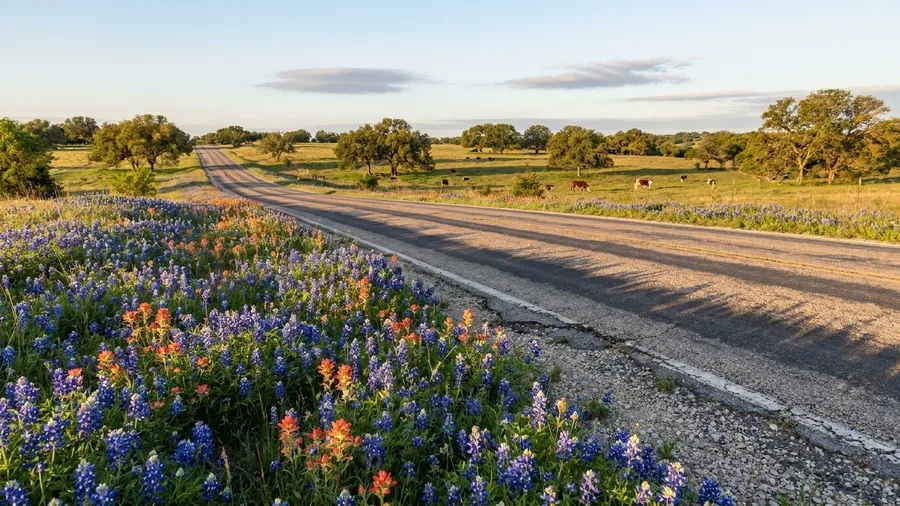
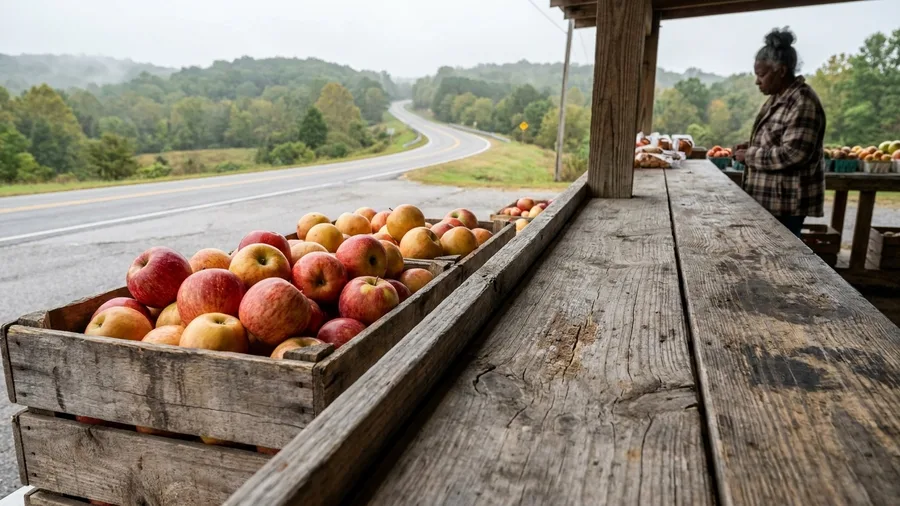
You smell the wildflowers before you see them: on Ranch Road 1376 out of Fredericksburg, bluebonnets and Indian paintbrush run right up to the pavement, and the shoulder is wide enough to pull over and stand in it. This is the route that costs the least and still feels like a road trip.
Fredericksburg to Llano to Mason on US 290 and Ranch Roads 1376 and 1888 runs 220 miles over four days, about $950 per couple for midrange rooms, meals and fuel, with 40- to 70-mile hops and no interstate anywhere. The draw is the German-Texan towns: a stone Sunday house on every side street, a bakery counter in Fredericksburg, the round courthouse in Llano. A four-day route that hits that figure while keeping days this short is the one to beat on budget. Go in March or April for the blooms or October for clear, cool ranch roads. If even $950 is more than you want to spend, the three-day Cajun Prairie run comes in nearer $750; but for a scenery-and-stops road trip without freeway or long days, this is the cheapest of its length on the list.
💡 Tip: The three-day Cajun Prairie route is cheaper at $750, but this one delivers more scenery per mile.
💡 PRO TIP
Book your first two nights
No matter which route you choose, reserve your first two nights before you leave home. It removes the biggest stress of the first day: not knowing where you will sleep after a long drive.
5. Arkansas and Missouri Ozarks Loop
Before you commit to the Ozarks, know what your hands will be doing for five straight days: the wheel is never still. This is mountain-and-lake country of short sight lines and constant turns, so book it only if you are already comfortable reading a curve on a two-lane road, not if a winding descent makes you grip the armrests.
The loop runs Harrison to Eureka Springs to Branson on AR 7, AR 23 and MO 86, 320 miles over five days, about $1,050 per couple, with driving days of 50 to 80 miles. There are no interstate legs, so the scenery comes honestly, but the price of it is curve after curve. The reward is a pair of craft towns and a lake loop that keeps the itinerary from turning into a highway slog. April through May or October are the seasons. Where the flat ranch roads of the Hill Country ask little of a driver, this route asks for hands and attention, and gives back mountain views in return.
Freeway vs. Two-Lane: What You Trade
Interstate
- 70 mph traffic and merging trucks
- Billboards and chain exits
- Fast but stressful
- Little to see or do along the way
Two-Lane / Parkway
- 45-55 mph, light traffic
- Small towns, farm stands, overlooks
- Slower but calm
- The reason you left home
6. Lowcountry Backroads to Savannah
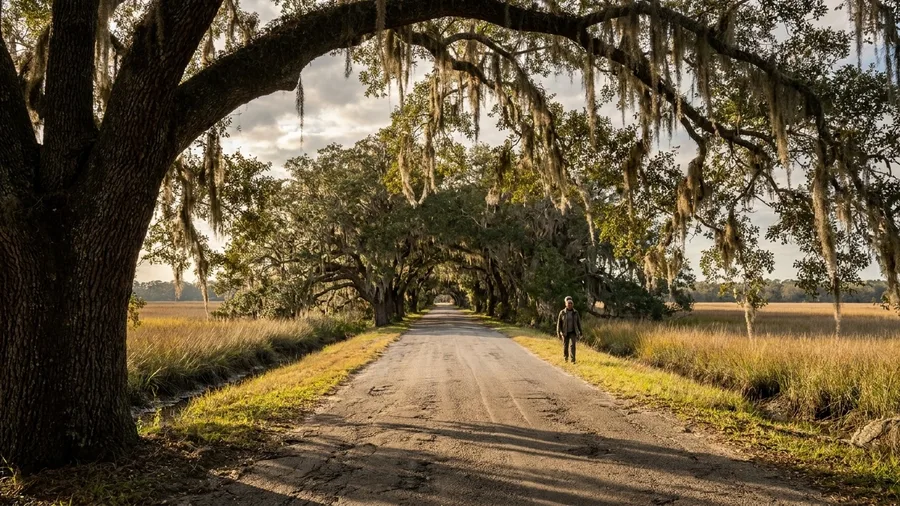
A 160-mile run from Charleston to Savannah, three days, about $900 per couple, is the shortest, flattest answer to the freeway-free question. Drop the map, keep the wheel easy, and let the towns do the work.
The route goes on US 17, SC 174 and GA 25 by way of Beaufort, and most of the mileage sits within a few feet of sea level. Days run 50 to 60 miles, so you are parking the car by early afternoon with the rest of the afternoon open. This is the one to pick if curves make you uneasy, if this is your first trip without an interstate, or if you simply want a long weekend. March through May or October through November, before the Lowcountry heat sets in, are the windows to aim for.
On that long weekend, skip the worst of the souvenir traffic on the Savannah waterfront and follow the locals: walk the shaded, Spanish-moss streets of Beaufort's Old Point, then eat shrimp and grits in a plain dining room off the river in Savannah rather than on it. Those quiet blocks and plain tables are where residents actually spend their time.
💡 Tip: In Beaufort, park near the waterfront and walk the historic district; the streets are flat and shaded.
7. Kentucky Bourbon Country Byways
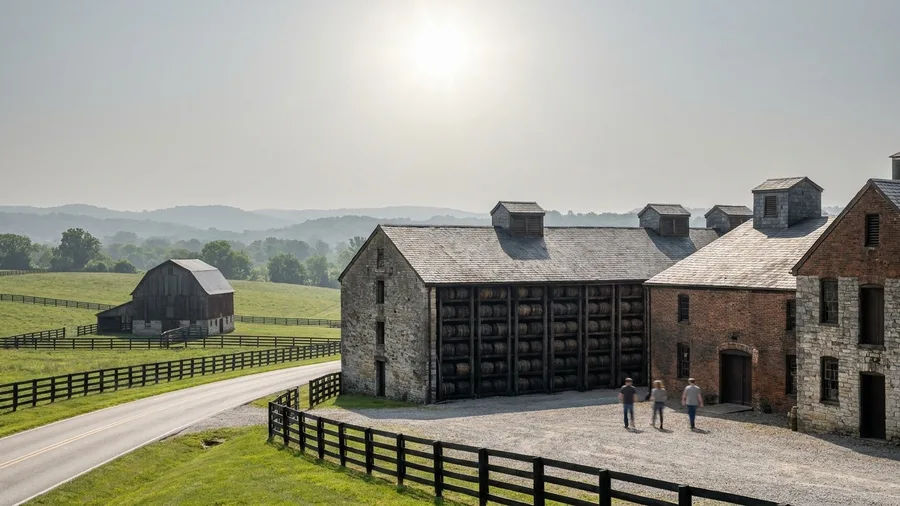
If you want history and food packed into four days without a single long highway haul, take the Kentucky byways from Bardstown through Lawrenceburg to Frankfort. It is the shortest drive on this list that still feels like a real trip: 180 miles across US 62, US 150 and US 33, four days, about $1,250 per couple for midrange rooms, meals and fuel.
The daily shape is what makes it calm. You are covering 40 to 60 miles a day, which leaves whole afternoons free for a distillery tour, a long lunch, or a walk through a town square. No leg of the route touches an interstate. Book tour times before you leave home, since the good ranger-led and distillery tours fill in spring and fall, and keep tasting days short so the driving stays easy. Best in April and May or September and October. At $1,250 you are trading budget for culture, and that is the honest trade here: the miles are gentle, the payoff is on the table, not the odometer.
💡 Tip: Designate a driver for tasting days. Many distilleries offer non-alcoholic options, and the driver often gets a discount.
Avoid These Common Mistakes
8. North Georgia Mountain Loop
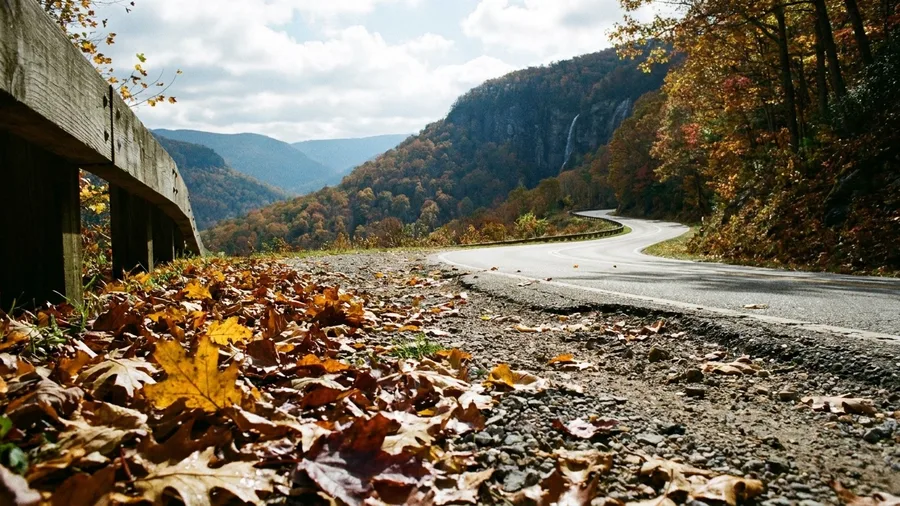
By mid-October the air on the GA 60 ridge above Blue Ridge comes cold and dry, and the poplars below run from yellow to rust to a deep bruised red all the way to the gap. That light is why you make this drive in fall.
The loop runs from Blue Ridge to Helen to Dahlonega on GA 60, GA 19 and GA 129: 120 miles, three days, about $800 per couple. The driving days are about 40 miles each, with no interstate legs, so a mountain pass in the morning leaves the afternoon open for a town.
For the photograph, stand at the Brasstown Bald overlook on a clear morning before the tour coaches arrive, or at the top of GA 129 near Neels Gap where the road bends hard and the valley opens below you. Go early; the parking at the popular pull-offs fills by mid-morning.
What keeps this low-stress is the way towns break up the curves. Blue Ridge, Helen and Dahlonega sit close enough that you never drive more than an hour without somewhere to stop, walk, eat and reset, and 40-mile days mean you arrive before you are tired.
It is a good trial run for a couple testing mountain two-lane driving on a long weekend. Curves are steady, not punishing; if the passes feel comfortable here, longer ridge routes will too.
9. Louisiana Cajun Prairie Ramble

Where the Georgia mountains cost you curves and cool mornings, this route gives you flat ground and warm air on the smallest budget on the list: 150 miles from Lafayette to Eunice to St. Martinville on LA 92, LA 31 and LA 182, three days, about $750 per couple. Less climbing, less money, more music.
The days are short, around 50 miles each on flat two-lane blacktop with easy small-town stops and no interstate legs. Best in October and November or March and April, when the prairie heat backs off. You will find Cajun music in Eunice, a plate of something rich in Lafayette, and bayou scenery along the way.
It suits couples who want warm weather, low cost and local culture, and it genuinely does not suit anyone chasing mountain views or a beach. If your idea of a road trip is switchbacks and overlooks, this flat, slow, food-and-fiddle weekend will feel too quiet. For everyone else, the low stress comes from three things at once: distance, terrain and price.
💡 Tip: The Saturday morning zydeco breakfast in Eunice is a local institution; go early and expect a line.
Frequently Asked Questions
Are these routes really freeway-free?
Yes. Each one uses US highways, parkways, and two-lane ranch roads, with no interstate legs. You may cross an interstate, but you will not drive on one.
How much driving is there per day?
Most routes keep days under 100 miles, and many under 70. The longest average is about 74 miles per day on the Natchez Trace.
What is the best season for these trips?
Spring and fall are best for most routes. October is peak for mountain color, while March to May and October to November are best for coastal routes.
Do I need to book lodging in advance?
Yes, especially for October in the mountains and spring on the coast. Small towns have limited rooms, and booking two months ahead is smart.
Are these routes suitable for someone with mobility limitations?
Many are, especially the Lowcountry and Cajun Prairie routes with flat terrain and frequent towns. Mountain routes have curves and steep grades; choose based on comfort.
Two Days Or Seven On The Back Roads
Choose by situation. Blue Ridge for the longest scenery, Natchez Trace for the easiest navigation, Gulf Coast for a warm beach, Lowcountry for a short flat weekend. Cajun Prairie or Hill Country if the budget matters most, North Georgia for a mountain long weekend, Kentucky for culture, the Ozarks if you want curves.
Then act: book the first two nights and download offline maps before you leave. The opening fact holds across all nine. No interstate, no day over 150 miles, and the right pick is the one whose daily shape matches your comfort.
A calm Southern trip is not found by dodging freeways alone. It is chosen by matching mileage, terrain, navigation and cost to the two of you, then committing to those first two nights.