The shortest loop here is 155 miles. The longest is 285. That is the whole argument, and it fits in a single tank.
You have a long weekend, a car in the driveway, and no appetite for the airport shuffle. Somewhere along the way you picked up the idea that a real trip needs a flight or a serious haul on the interstate. It doesn't. Two or three nights on a loop that brings you back to the same driveway can swap city blocks for coast, dunes, springs, adobe or harbor.
These eight routes are ranked by what the miles buy, not by how far they run: the anchor stops, the overnight base, the cost for two, and an honest best-for line on each. Mileage never decides anything here.
By the end you'll choose by situation rather than by brochure, know the nights and the bill before you commit, and have the first night booked while the rest of the route stays open. A short loop with a planned turnaround does more for a weekend than 600 miles of interstate ever will.
Quick Tips Before You Start
Pick one loop
Don't try to combine two. Each is designed as a standalone weekend.
Book the first night
Lock in your main overnight base before anything else.
Fuel up early
Some routes have long stretches without gas stations. Fill up when you see a pump.
Download offline maps
Cell service gets spotty in the mountains and along the coast.
Carry cash
Small farm stands and roadside stops often don't take cards.
1. Hudson Valley Farm-and-Inn Loop

The first thing you notice on the Walkway Over the Hudson is the sound of your own footsteps on the steel grid, hollow and echoing over the river, and the wind coming off the water in a steady push. It is an old railroad bridge, 212 feet above the Hudson and 1.28 miles across, now a linear park open to anyone walking or riding a bike, and it costs nothing to cross.
That is the idea behind this whole loop: 245 miles out of the city and back, two nights, and the stops are chosen so the drive is broken, not endured. Dia Beacon in a former biscuit-box factory, a farm stand outside Rhinebeck with a brown paper bag of peaches on the front table, the bridge in Poughkeepsie. Each gives you a reason to get out of the car rather than pass through, and none requires a full afternoon.
Split the nights and the shape works better: one inn in Rhinebeck, one in New Paltz, so your longest hop stays short and you get two different river-town evenings. All in, with lodging, food, gas and the one paid attraction, reckon about $760 for two. Best for couples or friends who want farms, galleries and river towns without camping.
💡 Tip: Park at the Poughkeepsie side of the Walkway and walk across—the lot fills by 10 a.m. on weekends.
| Trip | Route | Total miles | Nights | Cost for two | Best for |
|---|---|---|---|---|---|
| 1. Hudson Valley | NYC–Beacon–Rhinebeck–Hudson–New Paltz–NYC | 245 | 2 | ~$760 | Farm-and-inn fall weekends |
| 2. Santa Barbara–Cambria | Santa Barbara–Solvang–Morro Bay–Cambria–Santa Barbara | 285 | 2 | ~$980 | Coast and wine lovers |
| 3. Blue Ridge Foothills | Charlottesville–Lexington–Natural Bridge–Charlottesville | 230 | 2 | ~$720 | History buffs and leaf-peepers |
| 4. Texas Hill Country | Austin–Wimberley–Fredericksburg–Blanco–Austin | 225 | 2 | ~$640 | Barbecue fans and spring swimmers |
| 5. Oregon North Coast | Portland–Cannon Beach–Astoria–Portland | 195 | 2 | ~$610 | Beach walkers |
| 6. Sleeping Bear Dunes | Traverse City–Glen Arbor–Empire–Traverse City | 165 | 3 | ~$780 | Lake time and dunes |
| 7. Santa Fe–Taos | Santa Fe–Chimayo–Taos–Santa Fe | 155 | 2 | ~$690 | Art lovers and high-desert scenery |
| 8. Maine Midcoast | Portland–Camden–Rockland–Portland | 185 | 2 | ~$740 | Harbor towns and galleries |
2. Santa Barbara to Cambria Coast Run
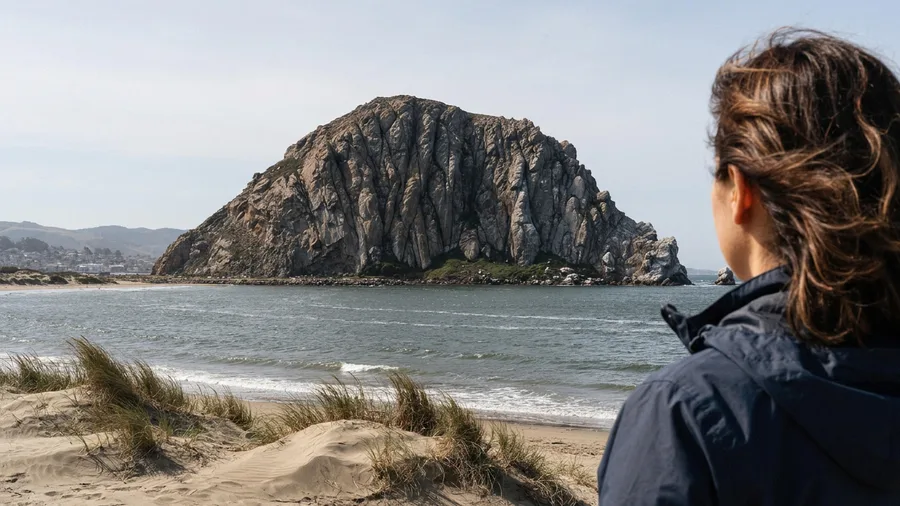
You pull off the road north of Morro Bay with an hour of light left, and the first thing that hits you is cold salt air, not sun. The rock sits out in the harbor, 576 feet of it, and the light turns the water the color of gunmetal before the orange comes, which is the whole reason you stopped here.
This loop is 285 miles out and back from Santa Barbara: Solvang for the bakeries, Morro Bay for that rock and its sunset, then a night on the water at Cambria, where Moonstone Beach is a boardwalk walk above a beach of polished pebbles. Cambria is the place to sit still for an hour, and so is the Santa Barbara bookend you sleep in on the way home. About $980 for two.
Two nights total, and nearly the whole 300-mile cap goes to coast and wine-country back roads rather than endurance. Best for wine lovers and couples who want the ocean without a full Highway 1 marathon; the payoff is in the pauses, not the miles. If you decide you do want the full coastal run, this Pacific Coast Highway itinerary sequences the stops and overnight towns for you.
3. Blue Ridge Foothills History Loop
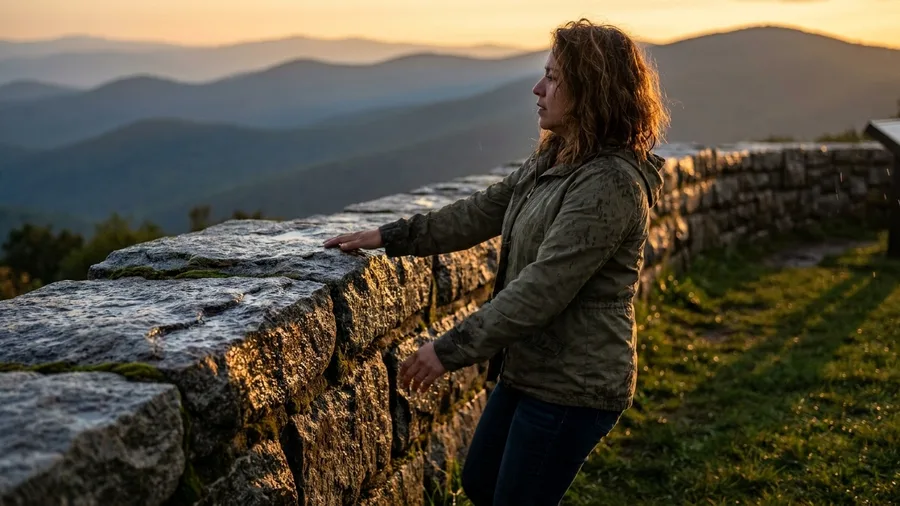
This is the drive that buys views and main-street time in the same tank of gas, not one at the expense of the other.
The route runs Charlottesville to Lexington to Natural Bridge and back, 230 miles over two nights, around $720 for two. Use Lexington as your single base and you unpack once; from there the Shenandoah overlooks sit a short hop one way and Natural Bridge the other, with Lexington's own main street filling the gap between. For the shot, take the overlook pull-offs in the late afternoon when the ridges stack up and the light drops behind them, and stand at the low stone wall rather than leaning on the railing. Best for history buffs and leaf-peepers who want short drives between stops.
💡 Tip: Natural Bridge is a quick stop—give it an hour, not an afternoon.
💡 PRO TIP
The two-night rule
Every loop here works best with at least two nights. One night in each of two towns beats two nights in one, because the change of base is what makes the return feel like a vacation, not a drive home.
4. Texas Hill Country Spring Loop
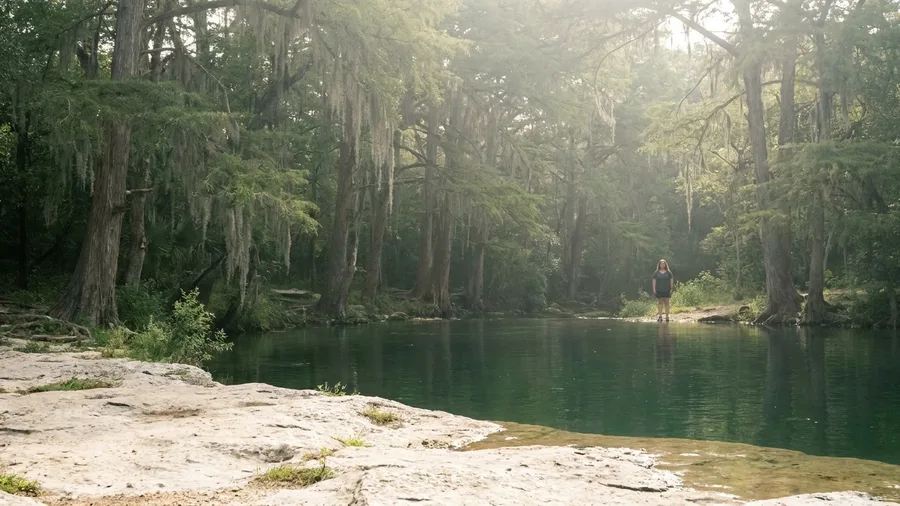
Two hundred twenty-five miles, two nights in one bed, and about $640 for two all in – the cheapest loop on this list, and the one that most feels like a week off. The route runs Austin to Wimberley, up to Fredericksburg, down through Blanco, and back to Austin.
Scenery moves the car; food and water do the work here. Blue Hole in Wimberley is the first reason to stop: a spring-fed swimming hole that stays cold and green even in August, and the kind of place you put your feet in for twenty minutes and forget what time it is. Go early, before ten, because the parking lot fills and the water gets loud.
Then Fredericksburg, which you use as your base for both nights. That is the whole trick of this loop – you unpack once. The car sits, you walk the main street, and the next day's drive out to Blanco State Park and back is short enough that you are not packing again.
The peach stand on the way out of town is the stop nobody plans and everybody remembers. In summer, roadside stands along the Fredericksburg corridor sell peaches by the bag – pull over, buy more than you think you need, eat them in the car with the windows down. Blanco State Park, on the Blanco River, gives you a second swimming stop and a place to sit under the cypress trees until the heat breaks.
Best for barbecue fans, spring swimmers and anyone who wants small-town Texas without a long haul. The reward here is not the view from a ridge – it is cold water, ripe fruit and a plate of brisket. Two hundred twenty-five miles buys a full weekend of that, at the lowest cost you will find on this list.
Hill Country numbers
5. Oregon North Coast Beach Loop
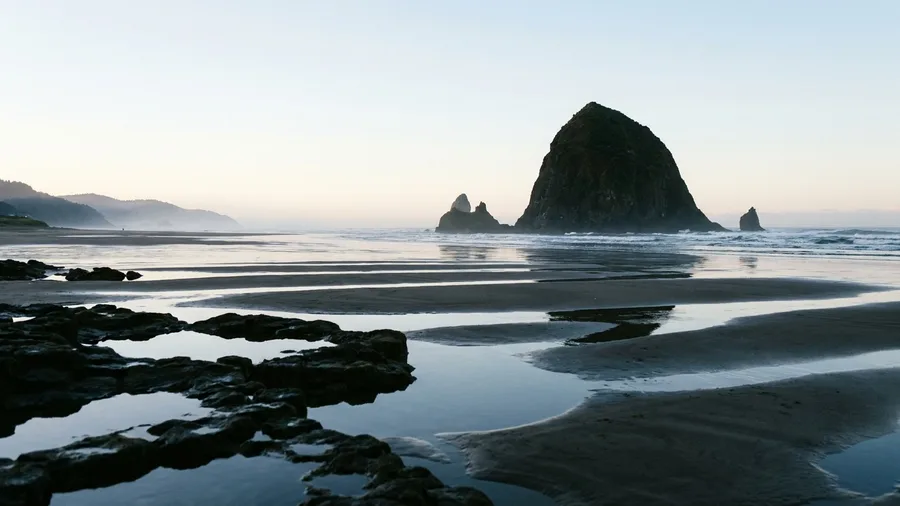
Oregon's north coast answers it with room to spare: Portland to Cannon Beach to Astoria and back is 195 miles, two nights, roughly $610 for two all in. That is the leanest loop in this set, and it still puts a rock the size of a building in front of you at breakfast.
Cannon Beach takes the first night, which is the whole trick. You leave Portland mid-afternoon, drive a little under 90 minutes, and by dusk you are walking toward Haystack Rock while the sea stacks go black against the sky. Low tide is the moment to go, since it exposes the tide pools at the rock's base and the rangers mark the sensitive stretches with rope; check the tide table before you book the room. Astoria fills the second day, its riverfront trolley track running along pilings over the Columbia, and somewhere past town you pull off at a Columbia River overlook where the water widens until the far bank is a gray line. Each of these stops is a walk or a look rather than a detour, which is how 195 miles stretches into a weekend.
Then the quirky part that makes the loop. On the drive between the two towns, keep watching the roadside: this stretch of the Oregon coast is dotted with the kind of oddball stop that costs nothing and eats twenty minutes, a roadside shack, a carved wooden sign, a pullout with a view and no one else in it. Pull over when something makes you slow down; that is the whole point of a short loop with this much slack in it.
If the weather turns – and on this coast it will – Astoria's indoor stops, a museum or the old waterfront, hold you until the rain passes. That flexibility, plus a nightly rate that leaves cash for chowder, puts ocean time, harbor time and a roadside surprise into a trip that fits a long weekend and about $610 for two.
💡 Tip: Check the tide chart before you go. Haystack Rock's tide pools are only exposed at low tide.
The tourist way vs. the better way
6. Sleeping Bear Dunes Lakeshore Loop

Take the third night. That is the verdict. A 165-mile loop around the Sleeping Bear Dunes shoreline does not need three nights on distance – it needs three nights because the whole point is to stay put and let the lake set the pace. About $780 for two, and most of that is the extra night.
The shape is simple: Traverse City as your base for all three nights, with Glen Arbor and Empire as day trips. That one bed means no repacking, no checking out, no hauling a suitcase to the car each morning. You wake up, decide whether today is a dune day or a beach day, and drive twenty or thirty minutes to find out.
The dunes are the reason you came, and they are real: the Sleeping Bear Dunes overlook gives you the climb – a steep pull up loose sand that ends with Lake Michigan spread out below – and Pierce Stocking Drive near Empire gives you the same view without the effort. You can see the Manitou islands out on the water on a clear day.
Wildlife is a realistic hope, not a promise. You will almost certainly see gulls, and the dunes and shoreline give you a fair chance at deer and the small shorebirds that work the water's edge. Bear, fox and the bigger sightings are a bonus, not a plan – do not build the trip around them.
Best for families or couples who want lake time, dunes and easy day trips. Glen Arbor's lake beach gives you a calm swim between dune days, and the low daily mileage means you spend the miles on sand and water, not on the road.
Pack for the lake, not the resort
Bring
- Layers for cool mornings
- Sturdy walking shoes for dunes
- Reusable water bottle
- Beach towel and swimsuit
Leave
- Formal wear
- High heels
- Heavy jackets in summer
- Extra luggage you won't use
7. Santa Fe to Taos Adobe Loop
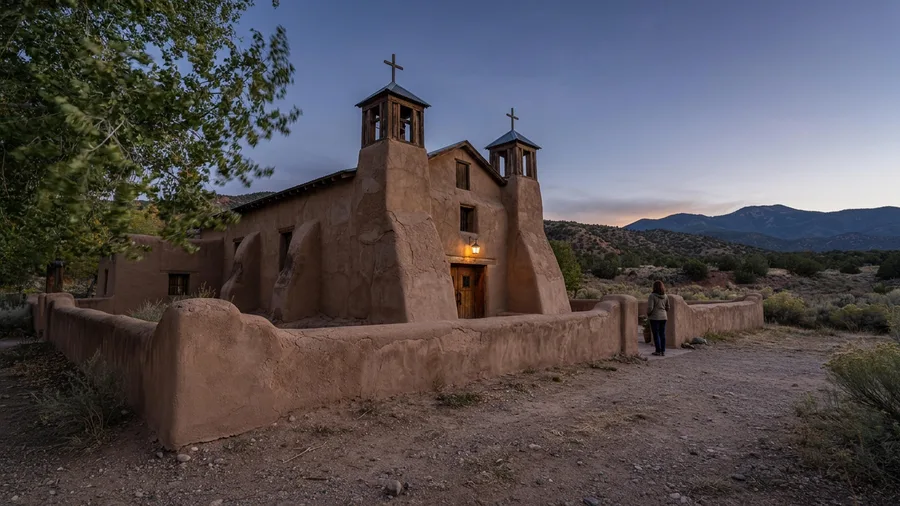
Know two things before you commit: Taos Pueblo closes to visitors for weeks at a time around ceremonies and in deep winter, and most of the High Road's galleries and studios in Chimayo and Truchas keep short hours or shut entirely on Mondays and Tuesdays. Call ahead, or build the loop around a weekend.
The drive itself is 155 miles total, Santa Fe up through Chimayo and the High Road to Taos and back down the river road, two nights, roughly $690 for two. Shorter than the lake loop that came before it, and it still lands you further from your own kitchen than three times the distance would. You feel it at the wheel: the land goes from piñon scrub to cottonwood corridor to the bare shoulder of the Sangre de Cristo in half a day.
Spend the night in Taos rather than driving back to Santa Fe. One adobe-walled room, the plaza emptying after dark, and the loop becomes an overnight instead of an out-and-back commute. Anchor the days on the Chimayo sanctuary, Taos Pueblo and the overlook pull-offs on the High Road, and pause for a green chile stew in Taos, around $14 a bowl, eaten where the room smells of piñon smoke. Best for art lovers and couples chasing high-desert light and adobe towns; 155 miles buys the shortest loop here and the longest-feeling one.
💡 Tip: The High Road between Santa Fe and Taos is slow—allow two hours and stop at the overlooks.
🛣️ Santa Fe to Taos: which day, which hour
Day 1 morning – Chimayo first
Santa Fe to Chimayo is the short leg; do it before 10am so the sanctuary and the High Road studios are still open. Sunday works, Monday and Tuesday do not.
Day 1 afternoon – High Road north
Chimayo to Taos on the High Road is the slow half. Two hours of driving, closer to three with the overlook pull-offs. Truchas studios shut early, so stop on the way up, not on the way back.
Day 2 – pueblo, then the river road home
Taos Pueblo in the morning before the tour buses, then the faster low road south to Santa Fe in the afternoon. Reverse the order and you hit the pueblo at its worst and the High Road in the dark.
8. Maine Midcoast Harbor Loop
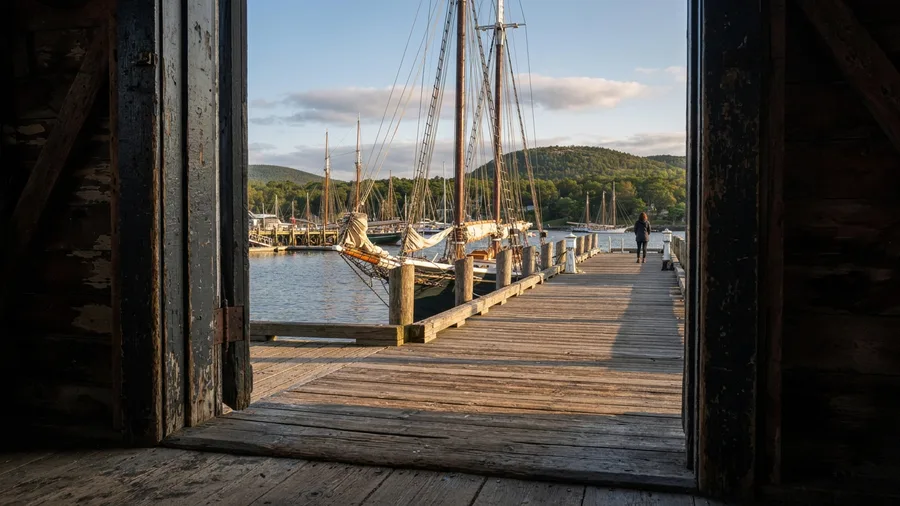
Less driving than the high-desert run, more planning: 185 miles Portland to Camden to Rockland and back, two nights, about $740 for two, but only if you book Camden by spring. In July a harbor-view room there runs past $300 a night and the good ones are gone by March. Go in late September instead and the same room drops closer to $220, the crowds thin, and the water still holds the light.
The harbor overnight is the whole point: one night in Camden puts the schooners and the windjammer dock at the center of the loop rather than a photo stop on the way somewhere else. Anchor the days on Camden Harbor at slack tide, the Farnsworth in Rockland for the Wyeth collection, and a Portland food stop to close the circle.
Best for sailors, gallery-goers and couples who want a cozy coastal weekend. If you have never pumped your own gas, note that Oregon and New Jersey are the only two holdouts and this is not Oregon: Maine is full-serve only in the loosest sense, so fill up before you leave Portland and drive the coast road at an easy pace.
Frequently Asked Questions
Can you really do a road trip vacation in under 300 miles?
Yes. The key is stopping often and staying overnight in at least two different places. A 300-mile loop with two nights gives you the same feeling of escape as a longer drive, without the fatigue.
Which of these loops is best for a family with kids?
Sleeping Bear Dunes is the easiest for families: low daily mileage, beaches, and dunes to climb. The Texas Hill Country loop is also good, with springs to swim in and short drives between stops.
Do I need to book accommodations in advance?
For summer and fall weekends, yes—especially in Cannon Beach, Camden, and Traverse City. Book your first night as soon as you pick a loop, then fill in the rest.
What's the cheapest loop on this list?
The Oregon North Coast loop, at about $610 for two, and the Texas Hill Country loop at about $640. Both keep costs down with fewer paid attractions and affordable lodging.
Which loop has the best scenery?
The Santa Barbara–Cambria coast run has the most dramatic coastal views, but the Blue Ridge Foothills loop and the Santa Fe–Taos loop offer mountain and high-desert scenery that's just as memorable in a different way.
Eight Short Drives Worth a Long Weekend
Hudson Valley for a farm-and-inn fall weekend. Santa Barbara to Cambria for coast and wine. Blue Ridge for history with views attached. Hill Country for springs and food. Oregon for beach walks. Sleeping Bear for lake time. Santa Fe to Taos for art and high desert. Maine for harbors.
The long weekend with a car and no airports was never the compromise. The 300-mile cap is what forces a route to earn its keep, and every loop here does it with anchor stops and a base worth sleeping in twice.
So lock the first night. Book it now, tonight, before you sketch the rest. The loop follows from that anchor, and the vacation starts the moment the confirmation lands: one tank, one booking, no boarding pass.
Ready to pick your loop?
Scroll back to the table, choose the trip that fits your weekend, and book your first night tonight.