Galena gets the weekend traffic, Door County gets the waitlist, and Saugatuck gets $10 a day for seasonal parking and a bar strip that is the whole reason people go. These ten towns get none of that, and that is the comparison worth making. Eight of the ten have no chain hotel at all, six hold between 800 and 3,200 residents, and the downtowns run three to six blocks.
Small enough that the anchor decides the weekend, not the brand on the door.
One specific reason to go, a few walkable blocks around it, and $380 to $660 for two nights before tax is enough to plan a quiet weekend. You do not need ten tabs open. By the end you can sort these towns by trip type, take no more than three, and book two nights midweek, when rates run $20 to $35 lower and the streets are quieter than a Saturday.
Quick Tips Before You Start
Go Tuesday to Thursday
Rates drop $20-$35 and you get the trail, the museum, and the diner without a wait.
Budget $380-$660
That covers two nights for two at an independent inn or motel plus diner breakfasts and one dinner, before tax.
Call the inn directly
Eight of these ten towns have no chain hotels; the best rooms are booked by phone, not on a booking site.
Check the drive from your city
The list gives Chicago times; from the Twin Cities, Decorah and Lanesboro are closer than the rest.
Confirm hours and tour times
Small museums and galleries keep short, seasonal hours — check the town's official visitor site the week you go.
1. Lanesboro, Minnesota: Root River by Bike
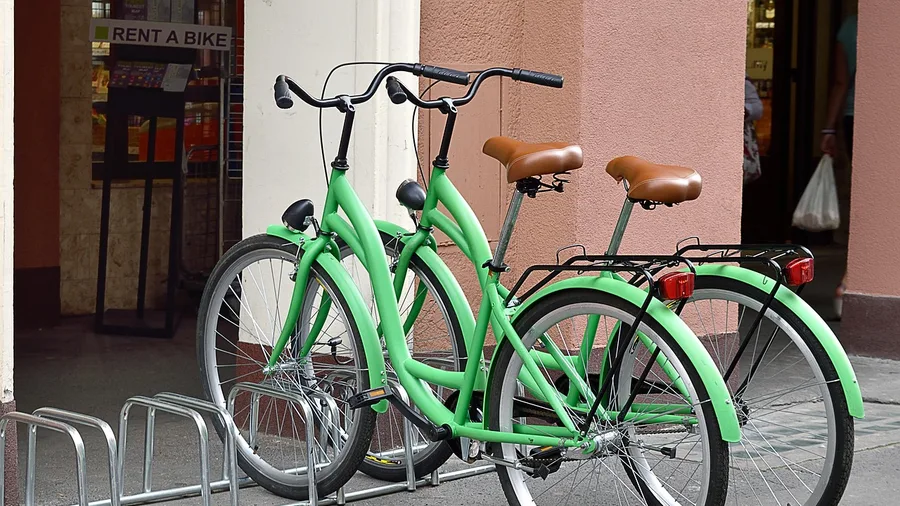
The car doors shut, traffic noise dies, and what you hear next is the river running over rocks behind the row of storefronts — that is the sound you fall asleep to. Lanesboro's one true splurge is a bike you never have to load onto a rack: rent a hybrid or an e-bike in town for roughly $25-$40 a day, roll out of the shop, and be on the Root River State Trail in minutes, no unloading and no parking spot required.
Two nights for two at a local inn or motel runs about $380-$660 before tax, diner breakfast $9-$14 and lunch $12-$18 keep you inside that band, and the town itself is a three-to-six-block stretch of limestone bluffs and river. It is not a nightlife town. Weekdays are quieter than Saturday and often $20-$35 cheaper, and the contrast is starkest in fall — a July Saturday packs the trailhead and the rooms, while a Tuesday in September leaves you the same trail, the same river and the same short downtown, just emptier.
💡 Tip: Ride toward Whalan first thing in the morning — the trail is empty and the pie stop opens at 10.
| Town | State | Best for | One anchor | Drive from Chicago |
|---|---|---|---|---|
| Lanesboro | MN | Cyclists and couples | Root River State Trail | 5.5 hours |
| Mineral Point | WI | Design and history travelers | Pendarvis and pottery studios | 3 hours |
| Decorah | IA | Museum people and anglers | Vesterheim and trout streams | 5 hours |
| Ste. Genevieve | MO | History buffs and couples | French colonial houses and riverfront | 5-6 hours |
| Douglas | MI | Lake Michigan seekers | Dunes and galleries | 2.5 hours |
| Grand Marais | MN | Remote-scenery seekers | Harbor and art colony | 6-7 hours |
| Shipshewana | IN | Families and market browsers | Amish auction and buggy lanes | 3 hours |
| Gallipolis | OH | Route-breakers and history walkers | Flood-wall murals and river bluffs | 6 hours |
| Atchison | KS | History buffs and route-breakers | Amelia Earhart birthplace and rail depot | 7 hours |
| Nebraska City | NE | Families with kids | Arbor Day Farm and orchards | 7 hours |
2. Mineral Point, Wisconsin: Cornish Cottages and Clay
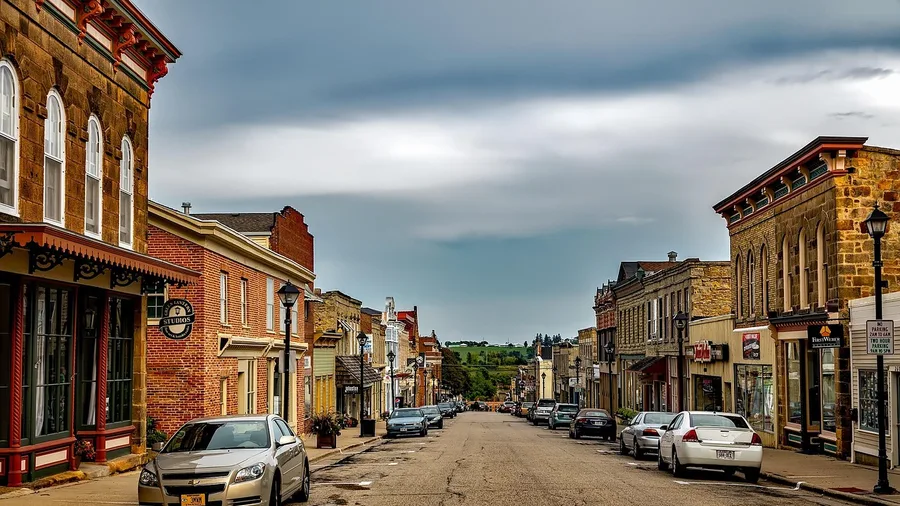
A paved trail is a fine reason to build a weekend around, but it does ask something of your legs and it wants reasonable weather. Mineral Point asks less and gives back something the trail towns can't: stone cottages, potter's wheels, and a brewpub, all inside a downtown you can cover in three to six blocks. This is a former lead-mining town that Cornish miners built in stone, and Pendarvis preserves the cottages as its history anchor — check tour times before you go, since the schedule shifts by season.
The walk that matters is uphill, and it has two working stops on it: Shake Rag Alley, the pottery studio and arts campus, and Brewery Creek Inn, where the building is over a hundred years old and the beer is brewed on site. This is the residents' route, not a museum loop — designers and history people come here to look at stonework and buy a mug from the person who threw it, and it rewards a couple of slow hours rather than a packed day.
Lodging runs $95 to $165 a night, the drive from Chicago is about 3 hours, and two nights for two with meals before tax sits in the $380 to $660 range. Families who need a full-day attraction will be looking for the highway by mid-afternoon. Go for the cottages, the clay, and the beer, in that order.
💡 Tip: Book a Pendarvis cottage tour in the morning, then spend the afternoon browsing the pottery studios.
💡 PRO TIP
Book the independent inn by phone
Eight of these ten towns have no chain hotels. The best rooms — a cottage in Mineral Point, a harbor-view room in Grand Marais — are often held for repeat guests and released only when you call, not when you search a booking site.
3. Decorah, Iowa: Trout Streams and Nordic Halls
The thing to know before you book Decorah: Nordic Fest weekend and most summer Saturdays are the busiest the town gets, and that quiet, half-empty main street you pictured is not what you'll find. Go midweek, in September if you can, and the same hilltop streets, the same creek, and the same museum come without the crowd.
What you get for it is a college-town layer on top of the bluff country. Vesterheim is the Nordic museum anchor — a real collection of furniture, boats and immigrant material, not a name over a gift shop — and admission runs $5 to $12. That's a genuine rainy-afternoon answer, which most towns this size do not have. Cafes fill the rest of a wet day without trouble.
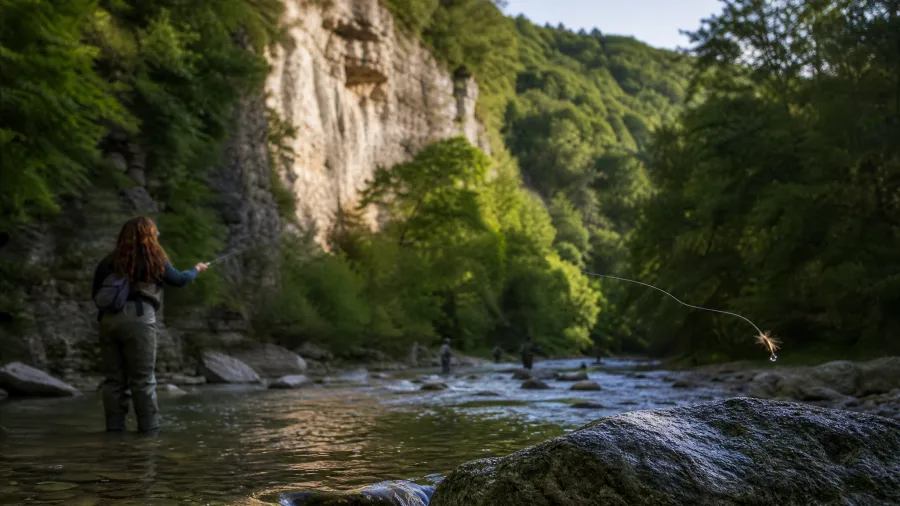
The other half of the trip is cold water. Trout-stream access points sit within a short drive, and the anglers who come for them are the reason the town has a stretch of the season when it doesn't feel like a weekend escape at all.
It suits museum people and anglers; families with young kids need to know it's not a lake and the stream access is wade-in, so bring a plan for the little ones or book two towns and split the days.
The residency figure is anywhere from 4,400 to 11,000 depending on which boundary you count, but the downtown is compact and the drive from Chicago is just under four hours. Diners breakfast at $9 to $14, supper clubs feed you dinner at $22 to $32, and craft beer is $6 to $8 — all of it fits the same two-night budget the rest of the list runs on.
Decorah — Booking Cheat Sheet
🛏️ Two nights for two
$380-$660 before tax
📉 Weekday saving
$20-$35 cheaper than Saturday
🏨 Where to stay
Independent inn or motel — no chain hotels in town
✈️ Getting there
1.5-2 hours from the nearest commercial airport
🆓 Free filler
Courthouse square and riverwalk
Skip it if
You want a swimmable lake — the water here is wade-in trout stream, and young kids need a backup plan.
4. Ste. Genevieve, Missouri: French Colonial Riverfront
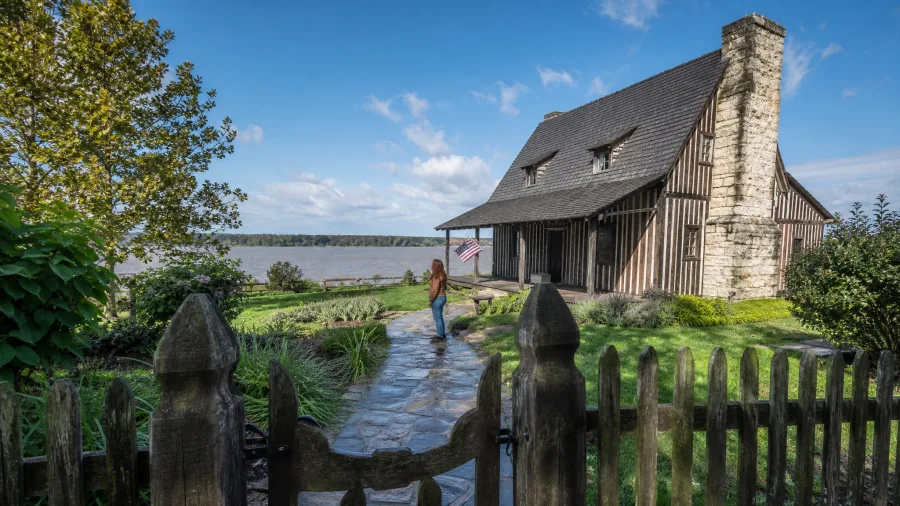
Ste. Genevieve is the oldest European settlement west of the Mississippi, and the vertical-log houses prove it rather than a sign. Where Decorah pulls its draw from an immigrant collection and cold inland streams, this town shifts the same history-and-water test onto French colonial walls and a wide, slow river. Tours run through those log houses most of the day, admission in the $5-$12 range at the small museums, and the bluff-top cemetery is where you want to stand late, when the light drops and the whole grid of steep French colonial roofs sits below you against the river flats.
💡 Tip: Book the house tours through the state historic site, not a private guide — the official tours are cheaper and more thorough.
How far is too far for a weekend?
Drive time from Chicago, low to high
- Douglas, MI: 2.5 hours — an easy Friday drive
- Mineral Point, WI: 3 hours — still a half-day
- Shipshewana, IN: 3 hours — easy from Chicago
- Lanesboro, MN: 5.5 hours — a long Friday
- Grand Marais, MN: 6-7 hours — the drive is the trip
Times are from Chicago via I-90 and I-94; check construction before you go.
5. Douglas, Michigan: Dunes Without the Saugatuck Crowds
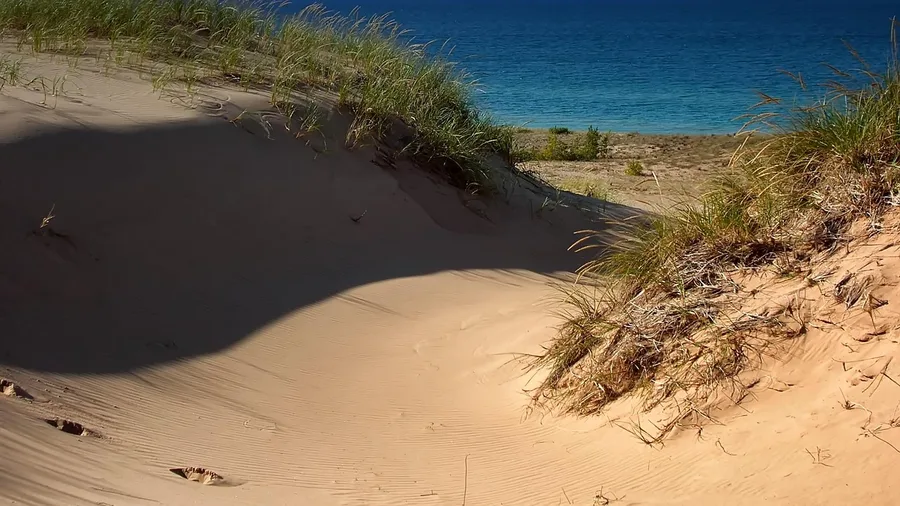
Yes, and the answer is one town over. Douglas shares the same dune park access at the end of the same shoreline and the same water, has Water Street Gallery on a main street that goes quiet after dark, and gives you Douglas Beach for the swim. The crowd you are avoiding pays for the privilege: Saugatuck runs about $10 a day for seasonal parking, while the street spots in Douglas cost nothing and the drive from Chicago is 2.5 hours either way.
The trade is blunt. You get dunes, galleries and water without the bar strip, and you give up the bar strip itself, so anyone whose Saturday night needs a crowded room should stay where the crowds are. A Saturday in August is the test: same dune park, fewer bars on the way home, free street parking, and the same 2.5 hours back to the city with the windows down and no receipt on the dash.
Go early or go in September. The dune lots fill by mid-morning in August, so you want the trailhead before 9, the beach by noon, and the gallery after lunch when everyone else is stuck in traffic.
💡 Tip: Park on Center Street and walk to the beach — the lots closer to the water fill by 10 a.m. on summer weekends.
6. Grand Marais, Minnesota: Harbor Lights and Art Colony
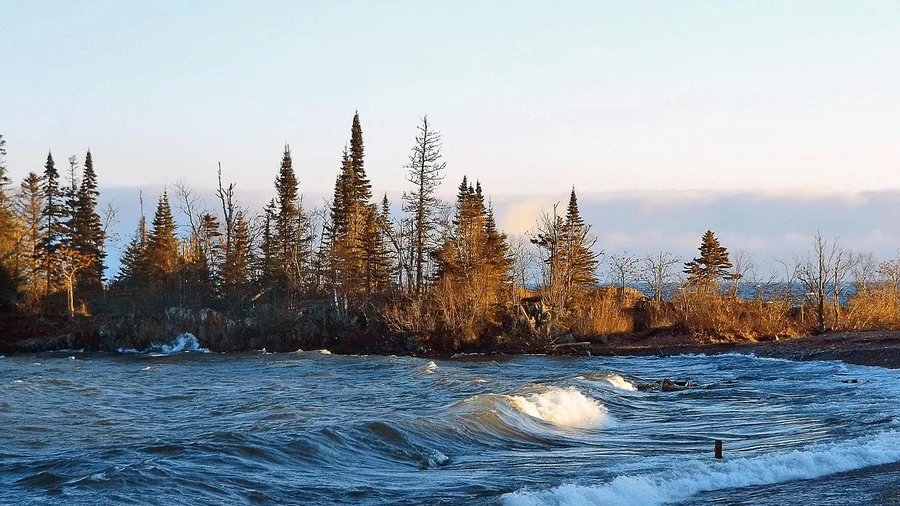
Cold air comes off Lake Superior in the morning, carrying the smell of wet rock and fried dough down the harbor. Grand Marais is a harbor town at the edge of the north shore, with the Grand Marais Art Colony, boats working the breakwater, and Superior Hiking Trail access at Pincushion Mountain just up the road.
The 6-7 hours from Chicago is the whole decision. Come from Duluth, two hours away, and two nights for two at $380-$660 with a $9-$14 diner breakfast makes an easy long weekend. Come from Chicago and the drive has to be the point, not an afterthought. Either way, the donut line on the harbor is part of the morning.
Douglas vs. Saugatuck
Douglas
- Free street parking
- Same dune park access
- Quieter at night
- Water Street Gallery
- 2.5 hours from Chicago
Saugatuck
- $10/day seasonal parking
- Busy bar strip
- More restaurant choice
- Same dune park access
- 2.5 hours from Chicago
7. Shipshewana, Indiana: Amish Market and Buggy Lanes
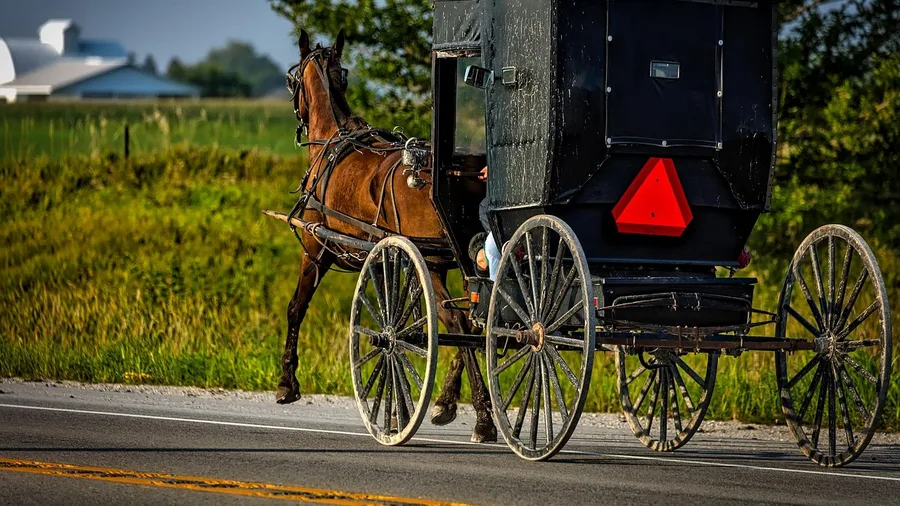
About 3 hours from Chicago, cheaper than a Saturday night downtown, and closed on the day a lot of people arrive: the catch with Shipshewana is the calendar. The auction and flea market anchor the town, but the buggy lanes and farm roads out past the edge are the real reason to come, and they operate on their own schedule whether the market is open or not.
Wednesday and Saturday pull the crowds to the auction barn and market aisles; Sunday gives you buggy lanes and shuttered storefronts with nothing else open. Time it right and lunch runs $12-$18, a local inn $95-$165 a night, and the weekend lands in the band. It is not a downtown bar town. Families and market browsers get their money's worth; anyone hunting a nightlife strip will be bored by nine.
💡 Tip: Go on a Wednesday — the auction runs but the flea market crowd is smaller than Saturday.
8. Gallipolis, Ohio: Ohio River Bluffs and Mural Walls
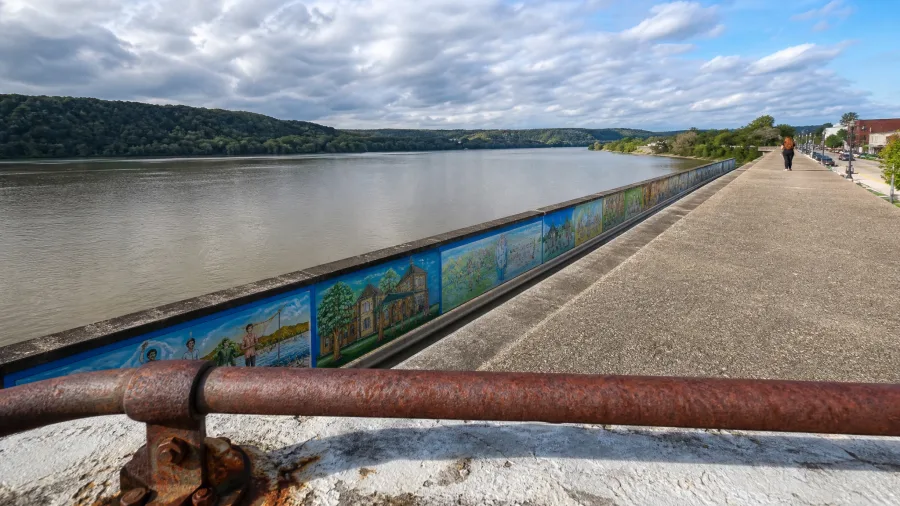
Gallipolis is worth a stop on an Ohio River drive, and the best of it costs nothing. The flood-wall murals run along the river, the walk below town is free, and a bluff overlook gives you the whole bend without a ticket. No calendar needed, unlike a market town; you roll in, walk the wall, climb the bluff, and roll out, which is exactly the kind of stop a drive needs.
The small historic district rewards an hour of walking, and the small museums charge $5-$12 if you want to go inside. Inn rates run $95-$165 a night if you decide to stay.
But the nearest big airport is 90 minutes away and there is no resort strip, so Gallipolis stays a route-breaker rather than a two-night base. Treat it as a free half-day on a longer drive and it earns its place.
💡 Tip: The mural walk takes 45 minutes — park at the riverfront lot and walk north along the flood wall.
Avoid These Weekend Mistakes
9. Atchison, Kansas: Amelia Earhart's Quiet Hometown
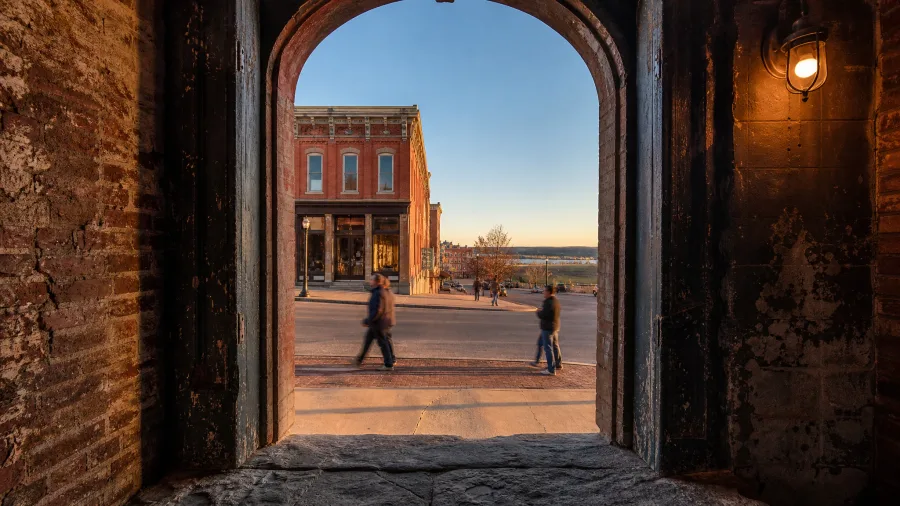
Late afternoon light comes off the river bluff and lands on the brick storefronts of Commercial Street, warming the whole north side of the block, and the loudest thing you'll hear is a screen door. That low sun and the flat Missouri River bottomland a few streets east are the reason to slot Atchison in as an unhurried half-day, the way a river town further along the same highway earns a drive-by stop, except here the pay-off is two small museums instead of murals.
Start with the Amelia Earhart Birthplace Museum, a white clapboard house on a bluff terrace where the aviator was born in 1897; it holds family furniture, photographs and a stretch of the river view she grew up looking at. A few blocks away, the Santa Fe Depot rail museum puts you in the waiting room and among the rolling stock of the old crossing town. Both charge somewhere in the $5-$12 range for adults, which means the pair costs less than two lunches.
And that is the whole trade: history buffs and route-breakers get Earhart and rail history inside a walkable grid, and nothing more ambitious than that. There may be no better hour in town than the one you spend on a bench in the small green above the river, watching the water slide past at the pace of a barge. The light goes amber before six, the bluff drops away below you, and the town makes its case without asking you to do anything.
What it does not have is the weight to fill two nights. For most people this is a day stop, not a base. Pair it with Kansas City, a little under an hour south, and the arithmetic works: diner lunch runs $12-$18, rooms in town run $95-$165 a night if you'd rather sleep here than drive back, and you have a full morning of museums and an afternoon of sitting still.
Come on a weekday if you can, when the streets are emptier and rooms run $20-$35 lower than a Saturday. Check current hours on the museums' own sites before you commit the morning, since small-town hours shift with the season. Give Atchison one unhurried half-day, and it pays you back in shade, river light and a bench with nobody waiting for it.
💡 Tip: The Earhart museum is small — allow 90 minutes, then walk the brick downtown for lunch.
Where your weekend budget goes
Two nights for two, before tax
10. Nebraska City, Nebraska: Orchards and Arbor Day Roots

Yes, but only in apple season, and the answer is the same for both halves: you pick orchards. Arbor Day Farm is the anchor, and a pick-your-own orchard such as Kimmel Orchard is the second stop, both a short drive from a brick downtown you can walk in fifteen minutes. The small museums charge around $5-$12, the downtown is free, and that is the whole plan. This is the family version of a river town rather than a single museum stop – the place where the same weekend that gets the adults to a historic main street also gets the kids into an orchard row.
Two nights for two runs $380-$660 before tax at the local inns and motels, and diner breakfast is $9-$14, so the budget band holds here like it does in the trail towns and cottage towns on this list. Come in late September or October, when the u-pick rows are open and the farm is running its harvest activities; arrive at the orchard gate at opening, because by late morning on a Saturday the parking lot fills and the picking rows thin out. The hour matters more than the day here. Early is the whole trick.
The trade is honest and it cuts both ways. Families get orchards, Arbor Day history and a compact brick downtown in one weekend, which is more than most towns this size deliver. But it is less compelling in midwinter and it is not a lake destination – in January the same downtown is there with no orchard open behind it, no picking, and no reason to linger past lunch. Book a September weekend with the kids and the town earns its two nights. Book it in January and you have paid for a hotel in a town whose best card is face down.
💡 Tip: Check the orchard's pick-your-own calendar — varieties ripen in waves from late August through October.
Frequently Asked Questions
Do I need a car to visit these towns?
Yes, to reach them from Chicago or the Twin Cities. Once in town, most downtowns are 3 to 6 walkable blocks. Lanesboro is the exception where you can park and bike the trail for the whole weekend.
Which town is best for a first-time Midwest small-town trip?
Douglas, Michigan if you want a 2.5-hour drive and lake access, or Mineral Point, Wisconsin if you want history and clay studios. Both are close enough for a Friday arrival and a full Saturday.
Are these towns expensive?
Two nights for two runs $380 to $660 before tax at independent inns and motels. Diner breakfast is $9-$14, lunch $12-$18, and most museums are $5-$12. Weekdays are $20-$35 cheaper than Saturdays.
When is the best time to go?
May-June and September-October for mild weather and fewer crowds. July-August brings festivals, and September-October is apple season in Nebraska City.
How far in advance should I book?
Two to four weeks for a standard weekend, six months for Nordic Fest in Decorah or any festival weekend. Call the inn directly — many of the best rooms are not listed online.
What should I confirm before I go?
Museum hours and tour times, because small museums keep short seasonal schedules. Check the town's official visitor site the week you travel, and confirm the inn's check-in time if you are arriving after dark.
Go in the Shoulder Weeks, Not July
Sort yourself first. Cyclists and couples: Lanesboro. Design and history travelers: Mineral Point and Ste. Genevieve. Lake seekers: Douglas. Remote scenery: Grand Marais. Families: Shipshewana and Nebraska City. Museums and trout streams: Decorah. Breaking up a longer drive: Gallipolis and Atchison. Take no more than three, book two nights midweek when rates are $20 to $35 lower, and confirm current hours and tour times on each town's official visitor site before you drive.
The crowded name is still there if you want it: Saugatuck's $10 a day seasonal parking, the Galena and Door County weekend crawl. Douglas street parking is free and the same dunes sit next door.
Under the radar was never the point on its own. The trade is: one anchor, a three-to-six-block downtown, $380 to $660 for two nights, and a reason to leave the famous name off the calendar this time. Pick your town and book it midweek.
Pick two towns, not ten
Open the at-a-glance table, choose the two that match your weekend, and call the inn directly to book two nights midweek. Check the town's visitor site for current museum hours before you go.