Fifty dollars a day in North Macedonia against ninety-five in Portugal is a $315 gap over a week, and that gap is smaller than the difference one airfare can make. The daily rate is the part you see. A typical trip runs 7 to 10 days, and in the Balkans and Central Europe two countries pair well by bus or train, with round-trip economy from the East Coast at $550 to $800 to Portugal, $600 to $850 to Central Europe, $650 to $900 to the Balkans. So the cheapest country on the daily number is not always the cheapest trip.
July and August add 20 to 35% to coastal lodging in Montenegro and Portugal, which is enough to erase a low daily rate, and a higher-daily country with frequent nonstops can beat the bottom of the ladder once the flight lands.
North Macedonia or Bosnia and Herzegovina for the lowest daily spend, Poland or Romania for city-and-rail, Portugal for a first Western Europe trip, Montenegro only in shoulder season. Price the airfare before you commit to any of them.
Quick Tips Before You Start
Price airfare first
A $50 day in North Macedonia means nothing if the connecting flight costs $300 more than a nonstop to Portugal.
Travel shoulder season
May–June and September–October hold the daily numbers below; July–August adds 20–35% to coastal lodging in Montenegro and Portugal.
Skip the rental car in the Balkans
Buses and trains link Sarajevo, Mostar, Bucharest, Brasov, and Sibiu cheaply, and parking is the real headache in old towns.
Book private guesthouses
A guesthouse room with a private bath stays near the daily figure; hostels with shared rooms push it lower but change the math.
Check entry rules on official sites
Entry rules and local tourist fees change; check the destination government's travel site before booking, not a blog.
Lowest Daily Costs: $50–$60
The bottom rung of the ladder holds five countries where a midrange day costs less than a fast-casual dinner for two in Manhattan. The math here is simple: the ground is cheap, the flight is not.
Airfare to the Balkans runs $650–$900 round-trip from the US East Coast, and every entry in this group needs a European hub connection. That flight is the fixed cost the daily rate cannot fix.
1. North Macedonia: $50 Days, Cheapest Lake-and-City Combo
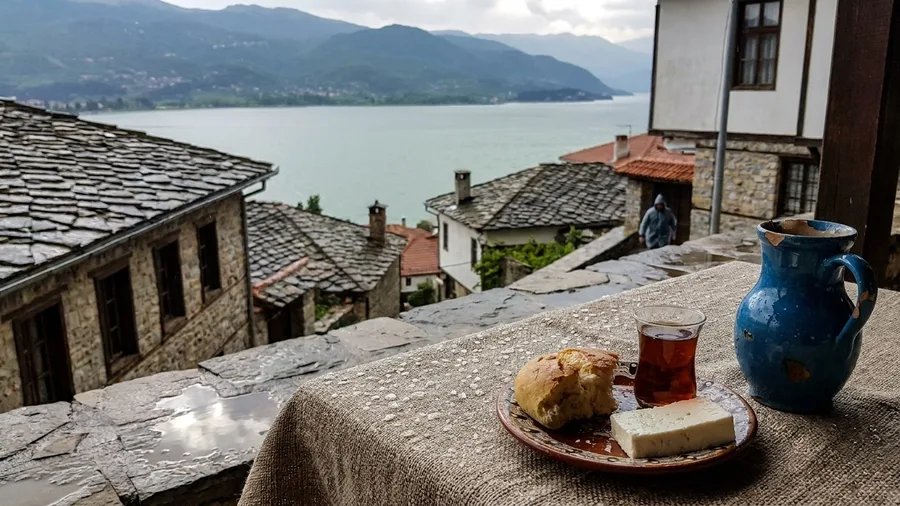
The first thing that hits you on the bus down to Lake Ohrid is the quiet: no resort strip, no crane, just water and a few fishing boats pulled up on the shore. That quiet is the whole pitch. A room in a private guesthouse, lunch and dinner from local menus, a bus ticket across town, and one paid sight a day add up to roughly $50 per person when you are splitting a double room, which is the cheapest daily number on this ladder. The catch is getting there, not the ground.
💡 Tip: Lake Ohrid's water is swimmable into September; the guesthouse rates drop after the first week of that month, so book early October if you want the lake without the summer markup.
| Country | Typical daily cost | Round-trip airfare from US | Best for | Main catch |
|---|---|---|---|---|
| North Macedonia | $50 | $650–$900 | Cheapest lake-and-city week | Longer flight connections |
| Albania | $55 | $650–$900 | Riviera coast on a budget | Airfare rivals a week of ground costs |
| Bosnia and Herzegovina | $55 | $650–$900 | City value in Sarajevo and Mostar | Limited direct US flights |
| Serbia | $60 | $650–$900 | Cheap big-city nightlife | Club tabs and taxis blow the budget |
| Bulgaria | $60 | $650–$900 | Beach and mountain in one trip | Peak resort weeks break the number |
| Romania | $65 | $600–$850 | Car-free rail travel | Slower travel days trade time for coverage |
| Poland | $65 | $600–$850 | Classic cheap city break | Airfare is the variable |
| Hungary | $70 | $600–$850 | Budapest undercuts Vienna | Festival lodging spikes |
| Montenegro | $70 | $650–$900 | Coast-and-mountain trip | August coast adds 20–35% |
| Portugal | $95 | $550–$800 | First Western Europe trip | August coastal prices |
2. Albania: $55 Days, but Transatlantic Flights Cost More

Book the coast before you book anything else, because the Albanian Riviera in July and August is where a cheap country stops being cheap.
The ground math is close to its neighbor to the north: about $55 a person per day for two sharing, covering a guesthouse or midrange room, local meals, public transit, and one paid sight. Pick a Riviera town for the swimming days, then Berat or Tirana as the inland base, and guesthouse stays hold the number near $55 outside high summer. The flight is the icon-level cost here and worth naming plainly. Round-trip economy from the US East Coast to the Balkans runs $650-$900, which can match or beat a week of ground spending on its own.
Shoulder season in May-June or September-October is when the $55 day actually survives. In July and August the coastal room climbs 20-35%, so a 7-day ground cost near $385 can be swallowed whole by airfare plus the summer premium. Go inland or go early or late.
Portugal at a Glance
💶 Daily cost
$95
✈️ Airfare from US
$550–$800
🏙️ City bases
Lisbon, Porto
📅 Best months
May–June, Sept–Oct
🏖️ Main catch
August coast prices
The offset
Portugal has more nonstop US options than Balkan routes, so the airfare can be lower even though the daily cost is higher.
3. Bosnia and Herzegovina: $55 Days in Sarajevo and Mostar
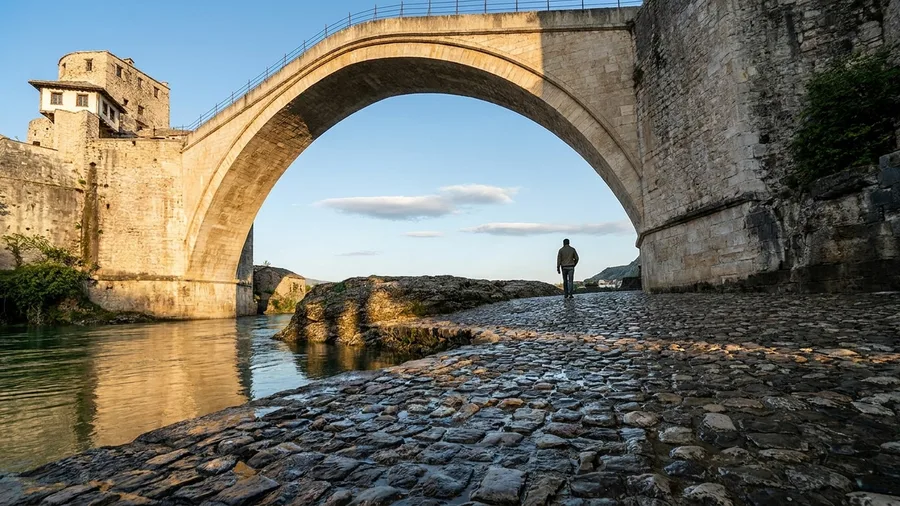
Because there is no sea to price in.
The pair is Sarajevo as the base and Mostar as the short add-on, connected by bus and by the train along the Neretva. The daily number holds around $55 a person for two sharing: guesthouse or midrange room, local meals, public transit, one paid sight. With no coastal premium in the equation, food, lodging, and transport all stay near that figure, and seven days on the ground run about $385 before airfare.
Where the locals steer you: skip the Old Town main square in Mostar at midday, when the tour buses unload, and walk down toward the river in the late afternoon instead, or ride up to the yellow fort for the look back at the bridge. Sarajevo rewards the same instinct. Eat where the ćevapi grills are full of people at breakfast, not where the menu is laminated. The catch is getting there. Direct US flights are limited, so access routes through a European hub, adds connection time, and puts the $650-$900 Balkans airfare back into the total.
💡 Tip: The Sarajevo to Mostar train runs a few times a day and takes about two hours; a seat on the right side gives you the Neretva valley the whole way.
⚠️ COMMON MISTAKE
The airfare trap in the cheap band
The $50–$60 daily countries all route through a European hub, and that connection adds both time and money. Price a round-trip to Skopje, Tirana, Sarajevo, Belgrade, and Sofia before you fall in love with the daily rate.
4. Serbia: $60 Days with Big-City Nightlife Value
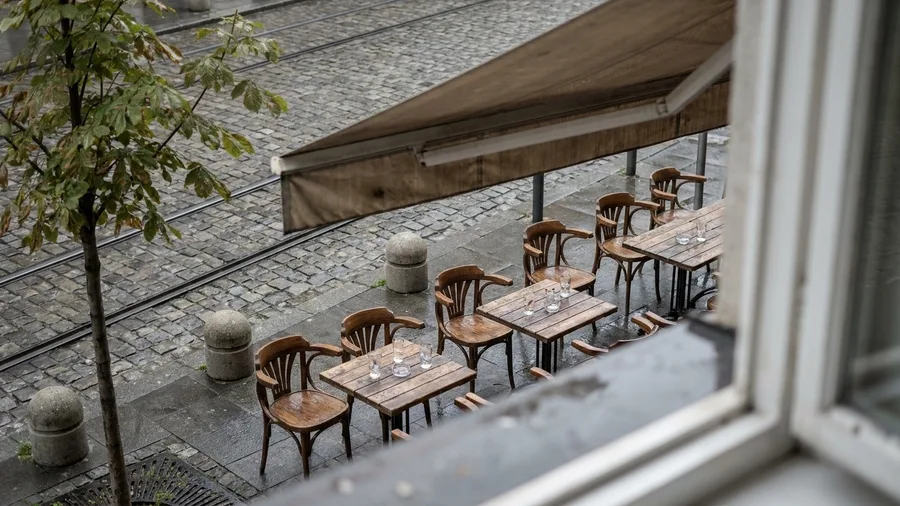
So price your nights before you book. If you plan three big evenings with club tabs and rides home, add them to the daily figure and see whether the total still beats a quieter base; if you plan one or two, Belgrade stays near its $60 and gives you a city break with momentum. Serbia is worth it – just count the taxis and the bar tabs into the week, not only the room and the plate of cevapi.
💡 Tip: Use the tram to get around during the day; a day pass costs less than two taxi rides, and late-night taxis are where budgets actually leak.
Three ways the math goes wrong
5. Bulgaria: $60 Days from Black Sea to Ski Bases

Bulgaria holds the same $60 daily figure but spreads it across cities, a Black Sea coast, and ski bases. Sofia and Plovdiv give you the city days; coast towns and mountain resorts add beach and slope bases within the same number outside peak weeks.
The dish to order is banitsa, the flaky cheese pastry sold at street bakeries and eaten warm with a cup of ayran for a couple of dollars, and it sets the tone for a country where a full local meal rarely clears $10. Shoulder seasons May-June and September-October are the value window — peak summer and winter weeks bring resort markups that break the $60 day, so a mixed beach-and-city trip needs the dates priced before anything else.
City, Rail, and Western Value: $65–$95
The top of the ladder buys access: faster trains, more nonstop flights, and a first taste of Western Europe. Each $5 to $10 step carries a specific trade-off.
From Romania's rail chain to Portugal's nonstop routes, the entries below spend the extra money on time and convenience rather than on food or lodging.
6. Romania: $65 Days and Strong Rail Connections
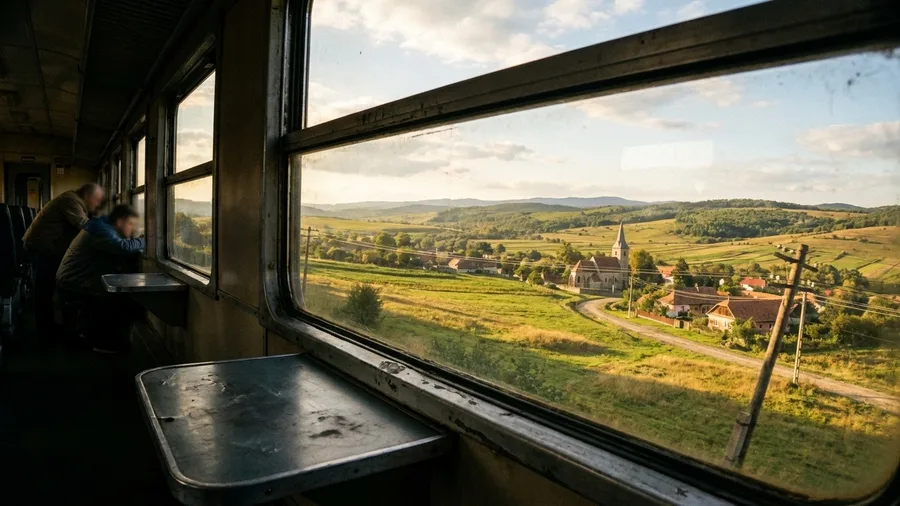
About $455 for seven days on the ground, airfare excluded, buys a three-city trip with no rental car: Bucharest on arrival, then Brasov and Sibiu through Transylvania by rail.
That $455 is the $65 daily rate for room, local meals, transit, and one paid sight, multiplied across a week, and the extra $5 over a cheaper day buys the thing that matters most on a no-car trip — a rail network that actually links the stops. Bucharest as the arrival city makes sense because the airport connects to the center and the main station puts you on trains north into the mountains. Brasov is the base for the castle-and-old-town day, and Sibiu rewards the longer ride with a pedestrian core that is worth the seat time.
The reservation is time. The rail links are strong but slow, so a 7-10 day trip trades coverage for hours spent watching the Carpathians slide past. Two or three stops is the right number for a week; squeeze in four and you've bought a train ticket, not a holiday. Book seats a day ahead at the station, keep the long legs for daylight, and the pace stays pleasant rather than punishing.
💡 Tip: Book the Bucharest to Brasov train a day ahead; the morning departures fill up, and second class is fine on this route.
7. Poland: $65 Days with Cheap City Breaks
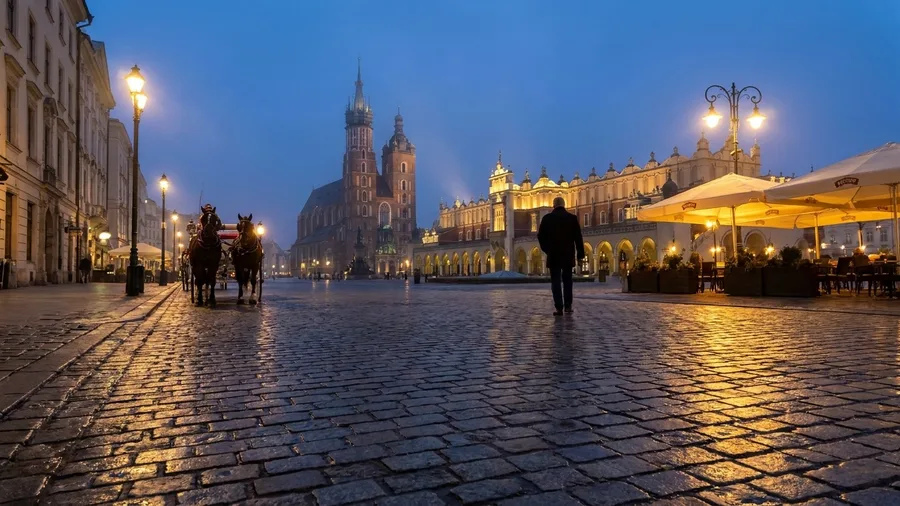
Pick Krakow, Warsaw, or Gdansk and you get a classic European city break for $65 per person per day, double occupancy. That figure covers a private guesthouse or midrange room, local meals, public transit, and one paid sight daily; international airfare is not in it. The cheap trams and trains are the reason the number stays put. A single-ride tram ticket in Krakow or Gdansk costs a few zloty, less than a dollar, and the day pass is only a little more.
Where Romania's rail chain moves you between cities, Poland's short tram hops move you inside one, and that is the whole appeal: you spend your time seeing things, not sitting in transit. East Coast round-trip economy to Central Europe runs $600-$850, under the Balkans range, and it is the variable that decides your total, since Poland hands you no coastal premium to absorb. A week on the ground lands near $455 before the flight. If a cheap nonstop out of New York or Chicago is on the board, that $600 end of the range is what turns Poland into the easy first Europe trip.
Balkans vs. Central Europe for an American budget
Balkans ($50–$70)
- Lowest daily costs: $50 in North Macedonia, $55 in Albania and Bosnia
- Airlines route through one European hub, adding connections
- Airfare $650–$900 round-trip from the US East Coast
- Best for stretching a tight budget across 7–10 days
Central Europe ($60–$70)
- Poland sits at the low end: $65 vs. $70 in Hungary
- Nonstop from New York or Chicago is what makes the $600 fare real
- Airfare $600-$850; less date-flex needed than Balkans
- City-hopping by bus: a two-country combo is one booking, not two flights
8. Hungary: $70 Days, Budapest Still Undercuts Vienna

Steam sits on the water of the Szechenyi baths at eight in the morning, the outdoor pools hazy and the air cold enough that you want to get in fast. Budapest is the base, and the $70 day per person, double occupancy, midrange covers a private guesthouse or midrange room, local meals, public transit and one paid sight. The baths and the Great Market Hall are the low-cost extras that fit inside it, and the city still undercuts Vienna by a wide margin.
This is the nature stop of the city list, and you will not see much unless you go early. The thermal pools fill with locals before nine and turn shoulder-to-shoulder by eleven, so arrive at opening if you want a lane of open water. Markets are the same: the food stalls are calm and cheap at eight, mobbed and pricier by noon. Ruin bars are the cheap night out, and a round of drinks costs less than a coffee in Vienna.
The catch is rooms. Festival weeks in Budapest push accommodation well above the $70 plan, and the hotel portion is the one line that breaks overnight. The daily rate holds for baths, markets and bars; the dates are what you check before you book, not the budget.
9. Montenegro: $70 Days, August Coast Costs More
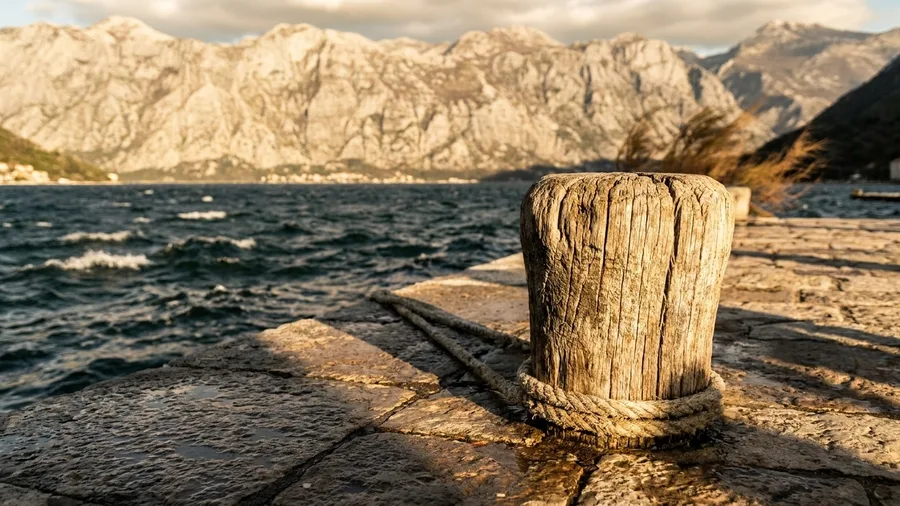
Budapest is inland and cheap in any month. Montenegro costs the same $70 a day on paper, but the number sits on a coast and behaves very differently in July and August, when 20-35% is added to lodging and the daily figure stops holding.
Go early or go late. Kotor's old town and the bay are best at six in the morning, before the cruise tender boats unload and the walls are in shade, and Budva is only worth it in May-June or September-October. Durmitor gives you a mountain base that holds through the summer. The $70 covers a private guesthouse or midrange room, local meals, public transit and one paid sight, and it fits Durmitor and the shoulder-season coast; price the coastal premium before you commit.
💡 Tip: Book the coast for May, June, September, or early October; Durmitor works in summer too, because mountain rooms do not carry the coastal premium.
Budget terms you will see in this article
10. Portugal: $95 Days, Cheapest Western Europe Entry
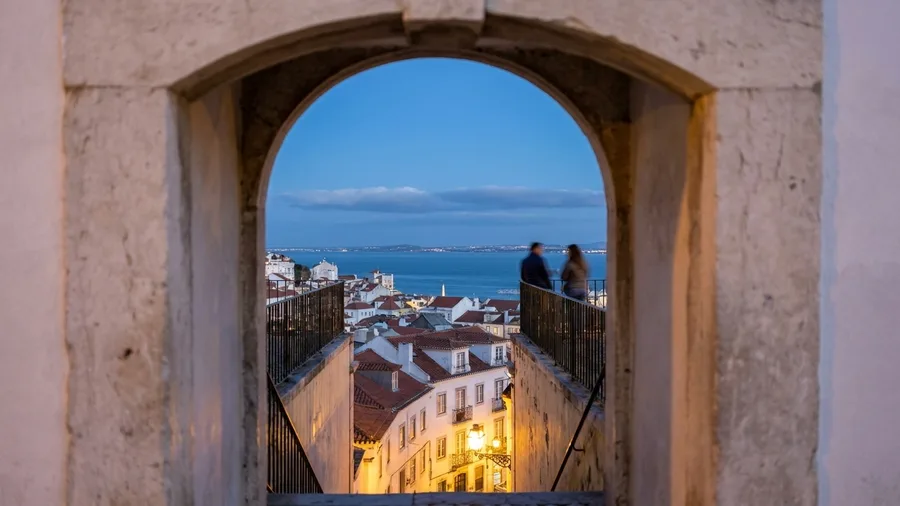
The light off the Tagus hits that pale limestone in the late afternoon and turns the whole Baixa the color of a browning peach, and every third person on the riverside promenade stops to hold up a phone. Stand on the pedestrian deck of the 25 de Abril suspension bridge, walk in from the Lisboa side in about forty minutes, and you get the shot nobody plans for: the red bridge heading off to the Cristo statue, the river sliding silver beneath, the whole orange city fanned out behind you.
Portugal is the answer if the question is where Western Europe is cheapest, not Europe outright. Budget about $95 a person per day, assuming two of you sharing a room and traveling midrange. That figure covers a private guesthouse or modest hotel, local meals, trams and buses, and one paid entry a day; it does not touch your flight. It is real money next to the Balkan countries, and it still comes in under Spain, France, or Italy by a wide margin.
Lisbon earns the most time. Porto is the second base, cheaper on the room and just as good on the light. Skip the Algarve in high summer and head inland instead, to the Alentejo or the Douro valley, where the day rate drops well below the coastal mark and the wine is poured by the jug.
💡 Tip: Book inland stays in Evora or Coimbra to pull the average below $95; the coast in August pushes it above.
Frequently Asked Questions
Is $50 a day actually enough in Europe?
Yes, in North Macedonia at midrange. The figure covers a private guesthouse room, local meals, public transit, and one paid sight per day, per person in double occupancy. It excludes airfare, so a $50 country with a $900 connecting flight is not automatically cheaper than a $95 country with a $600 nonstop.
Do these daily costs include airfare?
No. Every number on this list is ground cost only. Round-trip economy from the US East Coast runs $650–$900 to the Balkans, $600–$850 to Central Europe, and $550–$800 to Portugal, and that flight is often the largest single line in the budget.
Which of these countries is easiest without a car?
Romania and Poland. Bucharest, Brasov, and Sibiu link by rail, and Krakow, Warsaw, and Gdansk all work on trams and trains. The Balkans run on buses too, but routes are slower and less frequent than the Central European rail network.
When is the cheapest time to go?
May–June and September–October, the shoulder seasons. July–August adds 20–35% to coastal lodging in Montenegro, Albania, and Portugal. Inland cities hold their rates better, which is why inland bases are the budget move in peak weeks.
Is Portugal worth the higher daily cost?
For a first Western Europe trip, yes. The $95 day is more than the Balkans, but the $550–$800 airfare and the larger number of nonstop US routes can make the trip total competitive with a $55 country that requires two connections.
Do I need to check entry rules before booking?
Yes. Entry rules and local tourist fees change, so check the destination government's official travel site before you book. Do not rely on a blog post, including this one, for current requirements.
Ten Euros at a Balkan Market
Pick by situation. North Macedonia or Bosnia and Herzegovina for the lowest daily spend, Poland or Romania for the easiest city-and-rail trip, Portugal if this is your first Western Europe trip, and Montenegro only in shoulder season, when the coast stops charging its summer premium.
Now go back to the two numbers that opened this: $50 in North Macedonia against $95 in Portugal. That is not the final ranking. East Coast airfare of $550 to $800 to Portugal, $600 to $850 to Central Europe, $650 to $900 to the Balkans, plus July and August coastal premiums of 20 to 35%, can reorder the whole shortlist.
Price round-trip airfare to three of these countries before you choose one, and check the destination's official government travel site for entry rules and local tourist fees, which can change. A cheap country behind an expensive connection is not the cheap trip. A higher-daily country with a cheap nonstop can be.
Price three flights before you pick
Open a fare search for Skopje, Warsaw, and Lisbon right now. The daily numbers are below; the airfare decides which one wins.