Most people do this trip the same way: six months out, a Colorado or Utah gateway town, resort rates, and a hundred other cars at every pullout. The steer here is the other direction. You have already done the coasts and the big parks, which means the crowded, expensive version is behind you, not ahead. The overlooked states are not consolation prizes. The pattern that wins is one base town, one compact route, and a season picked against the crowds, and it costs $130 to $230 a day for two.
Take West Virginia. Raft the New River Gorge, hike Seneca Rocks, sleep in Fayetteville, and the day runs cheaper than a comparable week in Summit County with bigger whitewater and half the traffic.
Here are ten, from West Virginia to Oregon, each with a sample base, a standout route, a realistic daily cost and the months that make it worth choosing. Pick by season, set the base, then book the motel and any boat, tram or rafting slot 4 to 6 weeks ahead.
Quick Tips Before You Start
Book 4-6 weeks out
Base-town motels, boat tours and rafting slots fill for summer and fall weekends. Lock them in a month and a half ahead.
Use your own car
All ten routes assume you drive. A rental adds $40-$70 a day and eats into the value.
Budget $130-$230 a day
That covers a mid-range motel or cabin and casual meals for two, depending on state and season.
Pick by season first
The right month matters more than the state. Check each entry's best window before you fall in love with a route.
One base, not five
Each state gets a single base town. Day-trip from there instead of packing up every morning.
1. West Virginia: New River Gorge and Seneca Rocks
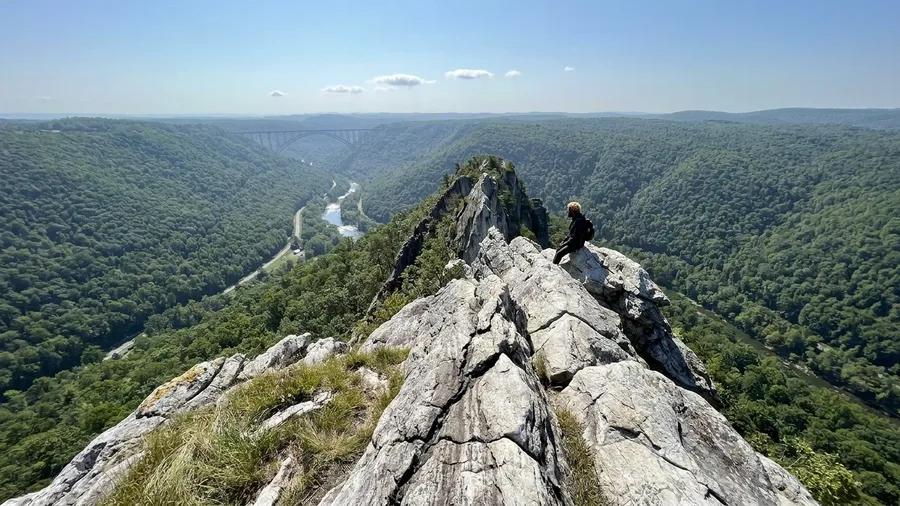
The first thing that hits you at the Canyon Rim Visitor Center is the temperature drop, then the bridge coming up through the trees below you like a dropped thread. Walk the boardwalk down toward the main overlook and keep going to the lower platform, where the New River Gorge Bridge finally shows its full 3,030-foot arch against the hillside. Stand there in the last hour before sunset on a clear spring evening and the whole gorge goes orange-rimmed while the trestles hold shadow. If you can, time the trip around Bridge Day in mid-October, when the span closes to traffic and jumpers step off the side; every other day of the year, you get the quiet version and can actually hear water moving far below.
Fayetteville is the base, and it is the right size for this trip: a few blocks of coffee, a couple of outfitters, and roads that take you to trailheads in under twenty minutes. From town you can drive the Fayette Station Road loop under the bridge, hike the Endless Wall and Long Point trails for rim views, and add the drive east to Seneca Rocks for a ridge hike that puts you on a narrow fin of quartzite with drops on both sides and nothing between you and the valley but air. Allow four to seven days, and resist the urge to build a full-state itinerary; the gorge and Seneca alone fill a good week at a pace that still leaves evenings free.
Set aside roughly $150 to $180 a day for two people, which covers a mid-range motel room in or near town, three casual meals and gas for your own car or a rental. The guided whitewater half-day on the lower gorge is where your money goes, not the lodging; the rafting outfitters in Fayetteville run trips from spring through fall and the water runs big enough that you should book your slot four to six weeks out if you want a summer weekend. May and June, or September and October, give you mild days and weekend room rates well below what a Colorado whitewater town charges in July. The resulting trip works for active couples and families with teenagers: Class III to Class V rapids in the morning, a short hike in the afternoon, and enough ridge scenery to make the camera worth carrying.
💡 Tip: Rafting companies often sell out for Gauley Season weekends in September. Book 4-6 weeks ahead, and ask for the morning trip before the afternoon thunderstorms build.
| State | Sample base | Typical daily cost for two | Best months | Best for |
|---|---|---|---|---|
| West Virginia | Fayetteville | $150-$180 | May-Jun, Sep-Oct | Whitewater and ridge hikes |
| Michigan | Marquette | $160-$200 | Jun-Sep | Great Lakes cliffs and empty roads |
| Alabama | Gulf Shores | $170-$210 | Apr-May, Sep-Oct | Warm beach below Florida rates |
| New Mexico | Taos | $150-$190 | Apr-May, Sep-Oct | Art, pueblos and red-rock drives |
| Kentucky | Slade | $140-$170 | Apr-May, Oct | Arches, forest trails, craft town |
| Rhode Island | Wickford | $180-$230 | Jun, Sep | Small coast and ferry escape |
| Nebraska | Valentine | $130-$160 | May-Jun, Sep | Empty roads and dark skies |
| Delaware | Lewes | $160-$200 | May-Jun, Sep | Easy beach weekend, no crush |
| Nevada | Baker | $140-$180 | May-Jun, Sep-Oct | Remote alpine and stargazing |
| Oregon | Joseph | $150-$190 | Jun-Sep | Alpine lakes, few visitors |
2. Michigan: Upper Peninsula and Pictured Rocks
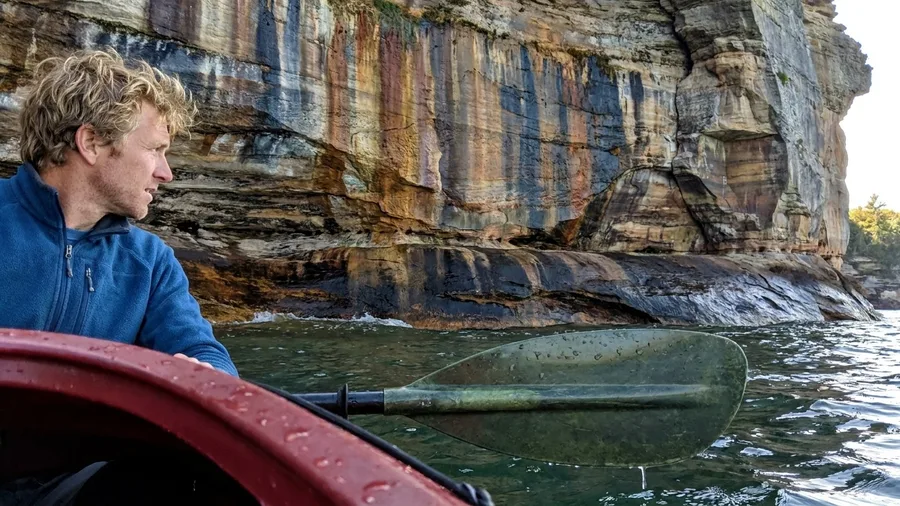
Book the Pictured Rocks boat tour before you book the motel, not after. Munising is a small town with a short lodging list, the tour boats run a fixed schedule, and a July or August weekend fills both the boats and the rooms weeks out; arrive in town without a reservation and you are driving to Marquette to sleep and possibly skipping the cliffs entirely. The view from the water is the reason you came.
The route is Marquette east along Lake Superior to Munising, four to seven days, with an optional extension up the Keweenaw Peninsula if you want the longer loop. Budget $160-$200 a day for two in summer, motels and casual meals, your own car, and the pasties and waterfalls that line the drive are the point, not the filler between. June-September is the window and the summer crowds are real but thin out fast once you leave the main corridor.
This suits road-trippers who prefer cool weather, empty two-lane roads and small harbor towns over resort marinas and high-rise beachfronts – the kind of trip where the cliffs and the lake do the work and the trip costs a fraction of a coastal summer. It does not suit anyone who needs guaranteed sun, warm water, or a restaurant open past nine; the UP runs on its own clock and shuts down early.
💡 Tip: Book the Pictured Rocks boat tour 4-6 weeks ahead for July and August. The sunset cruise is worth the extra few dollars.
Pictured Rocks by the Numbers
💵 Boat tour
~$40-$50 pp
🕒 Tour length
2-2.5 hours
🛏️ Daily cost for two
$160-$200
📅 Best months
Jun-Sep
🥟 Local lunch
Pasties, $8-$12
Book ahead
Summer boat tours sell out 4-6 weeks in advance, especially sunset departures.
3. Alabama: Gulf Coast and Bon Secour
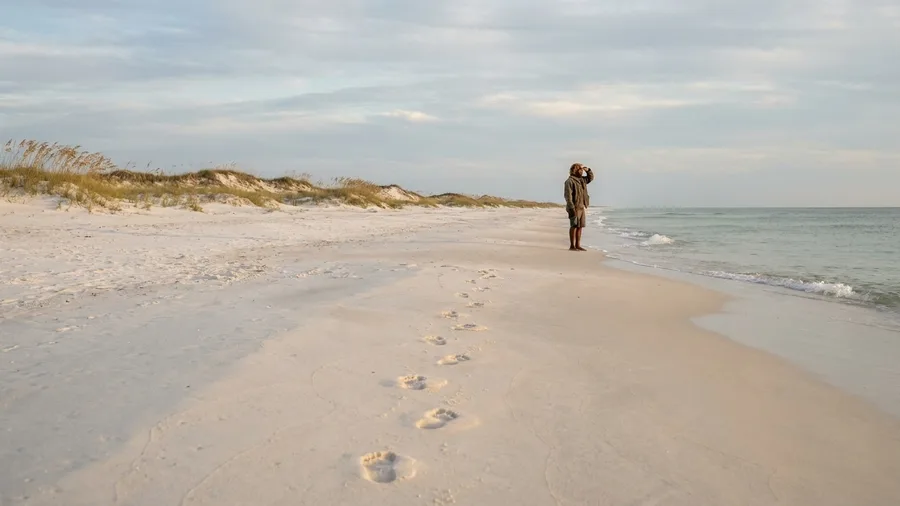
Two hundred dollars a day for two, beachfront at a Gulf Shores condo in late April, is a number the Florida panhandle stopped offering years ago. That gap is the whole reason to put Alabama on the shortlist: warm Gulf water and a seafood shack dinner for less than a Florida panhandle condo alone, plus four to seven days of coast without a high-rise wall between you and the sand.
Base in Gulf Shores or Orange Beach, and save one morning for Bon Secour National Wildlife Refuge, a low dune-and-pine stretch where you walk the Pine Beach Trail past an old gator pond to an empty beach you did not have to pay to reach. Then find a chair and do nothing: a few hours with a drink at a shack on the water is part of the trip, not a gap in it. April-May or September-October gives warm water, lower shoulder rates and quieter weekends, among the cheapest places to travel this winter, with seafood meals and a condo or motel inside the $170-$210 range; families and seafood lovers get the beach without the price tag, and anyone who came for nightlife should have picked a bigger city.
💡 PRO TIP
Eat where the boats come in
Skip the high-rise restaurant row and drive to a seafood shack near the Bon Secour River. Ask what came off the boat that morning. You will pay less and eat better.
4. New Mexico: High Desert Pueblos and Taos
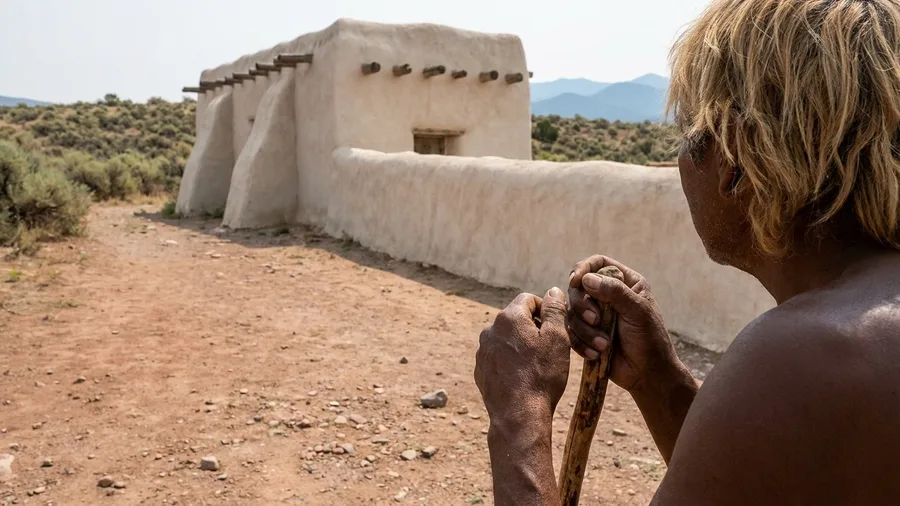
Taos. Make it your base and the whole trip compresses into a loop you can drive in a morning, hike in an afternoon, and eat green chile over by dark.
The Enchanted Circle is the doing: an 85-mile loop out of Taos through Questa, Red River and Eagle Nest, with Wheeler Peak standing over the lot, and you pull over at least three times whether you planned to or not. Give it a full day with the stops. Then take a separate half-day west to Abiquiu, where the O'Keeffe country of the cliffs and the pale light is the draw and the drives between everything are 30 to 50 minutes, not three hours. April-May or September-October gives you clear skies and hiking weather. Budget $150-$190 a day for two, sharing a casita or motel and eating casually. What you are skipping is a flight, a downtown hotel and $22 museum tickets – and you get the same walls of color without the lobby.
Your Taos Loop in Four Stops
Respect posted signs at the pueblo; some areas are closed to visitors.
5. Kentucky: Red River Gorge and Berea
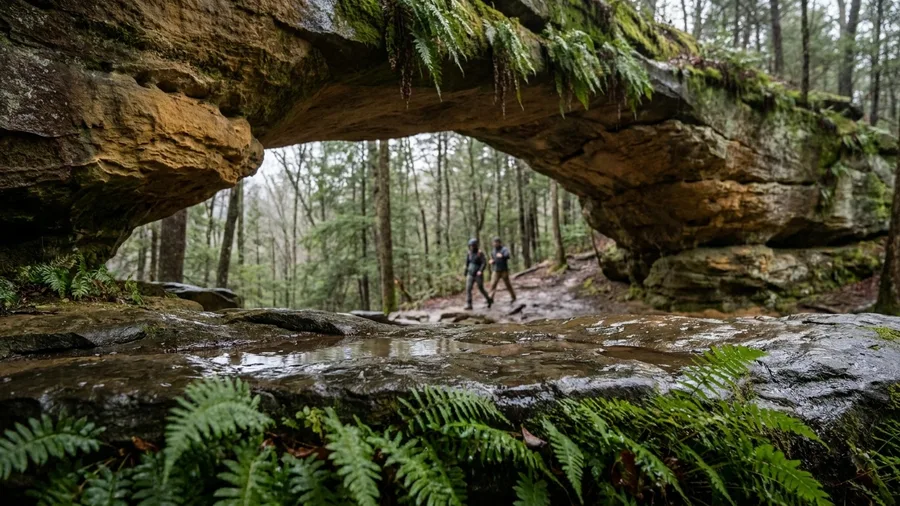
The air smells of wet sandstone and pine at 8am, and from the Auxier Ridge trailhead you can hear nothing but your own boots scuffing the rock. Daniel Boone National Forest was never given a gate to walk through, a reservation to book or a shuttle to catch.
That absence is the whole point of coming here next. After a state that trades on pueblo history and red-rock light, Kentucky compresses the same argument into a long weekend: a cabin in Slade or a motel room down the road, and arches, ridgelines and forest without a national-park ticketing system or a crowd funnel.
Base in Slade for the Red River Gorge and give the trails three or four full days. Sky Bridge is the flat, family-friendly arch that everyone walks; Double Arch and Courthouse Rock call for a longer climb and reward it with a ridge line you can pick out for miles. Natural Bridge, in the state park of the same name, is the short pay-to-ride version if you have kids and a tighter schedule. None of it costs more than a state-park admission or trailhead parking fee, which is where the splurge logic starts to run backwards.
a cabin in the gorge on a summer weekend runs maybe $150-$200 a night, but a motel in Slade or Stanton dips under $100, and casual meals in the gorge are burrito-and-burger country. Budget $140-$170 a day for two, cabin or motel and three square meals, and you are behind what a single night of lodging costs inside a national park gateway town.
April and May deliver the mildest hiking weather; October brings the fall color and the leaf-peepers, so book that month four to six weeks out. Burn a half-day in Berea on the way in or out – the craft studios, the bakery and the rainy-day backup that saves a washed-out morning. The arches, the ridge views and the forest do not care that you saved the national-park money for a nicer dinner.
💡 Tip: The Daniel Boone National Forest trails can be icy in winter and slick after rain. Check the forecast and have Berea as your backup.
Slade vs. Berea: Which Side of the 4-7 Days
Slade base (gorge side)
- Sleeps closest to the trailheads – shaves 20-30 min each morning
- Motel rooms under $100; gorge cabins $150-$200 on summer weekends
- No grocery beyond basics – stock up in Stanton or Mount Sterling
- Book 4-6 weeks out for October and summer Saturdays
Berea base (town side)
- Adds roughly 45 min each way to Auxier Ridge
- Better food and coffee; walkable evening without driving
- Right pick only if a washout would ruin the trip
- One night max – spend the rest in the gorge
6. Rhode Island: South County and Block Island
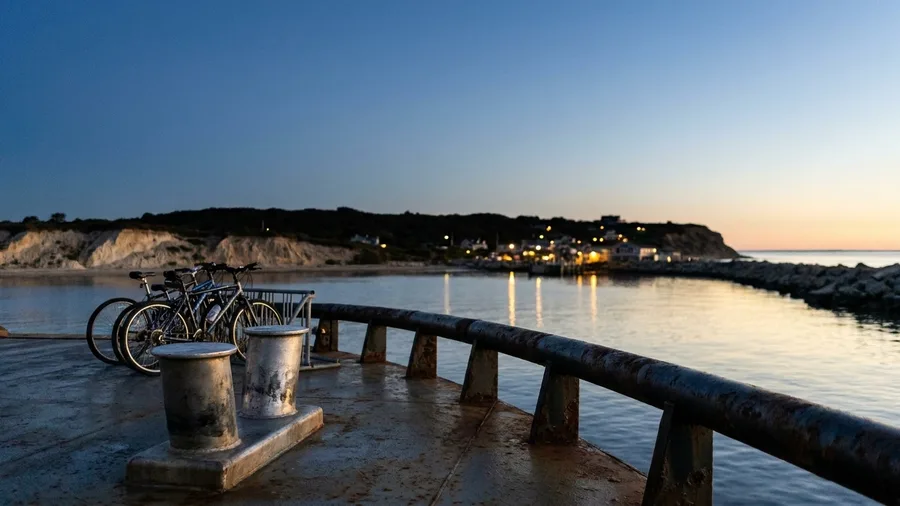
Skip the Cape Cod weekend and take the small-state coast instead: base in Wickford or Narragansett, and spend your days on a salt marsh, a state beach and a ferry.
June or September is the whole trick – beach weather with thinner weekend crowds – and a B&B or motel plus one nice dinner lands two people at $180-$230 a day. Walk the towns, ride the ferry from Point Judith out to Block Island for the day, and book the crossing ahead on a summer weekend. It is a coastal weekend without the traffic.
💡 Tip: The Block Island ferry is walk-on friendly; leave the car in Point Judith and rent bikes on the island. Check the schedule before you go.
7. Nebraska: Sandhills and Niobrara Valley
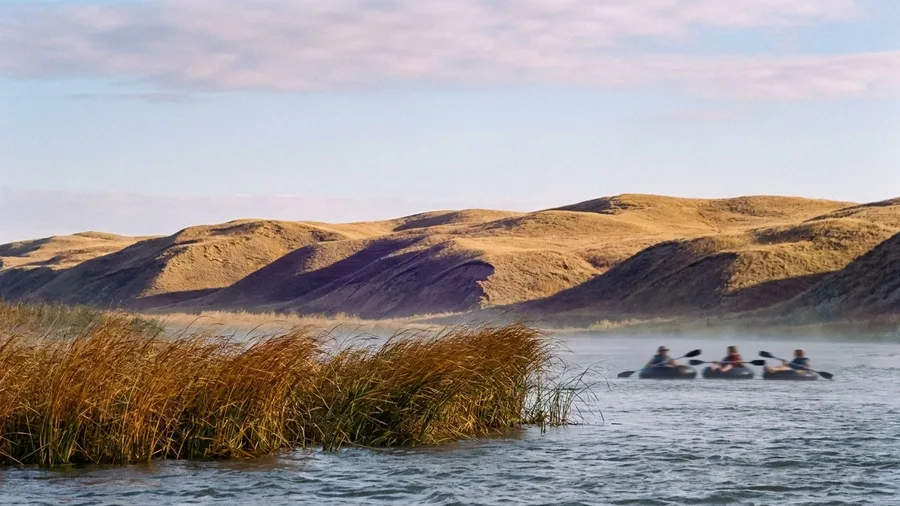
An empty coast takes effort; an empty road takes none. Nebraska is the cheapest state on this list, at roughly $130 to $160 a day for two in a shared motel and casual meals, and the space it sells costs nothing extra. Miles of grass roll out to the horizon, the nearest car disappears in your mirror, and the sky is the biggest thing you own that weekend.
Base in Valentine. From there, drive the Sandhills Scenic Byway, one of the under-the-radar scenic byways that winds through the largest sand-dune formation in the Western Hemisphere, now stabilized under grass and tall enough to hide a herd of cattle. What looks like a flat drive is actually rolling terrain that rises and falls under you, and each crest opens onto a new fold of green hills.
The food stop is a Runza, a Nebraska original: a soft bread pocket stuffed with ground beef, cabbage and onions, sold at drive-ins across the state for about $5. That is your lunch on the road, and it is all the reason you need to plan around a weekday instead of a weekend.
Float the Niobrara River with a local outfitter. The water is gentle, the canyon walls are close, and a half-day tube or canoe run costs a fraction of a guided whitewater trip; book the shuttle a few weeks out, not months. May and June give green hills and mild days before the summer bugs arrive; September returns the same mild weather with fewer people on the water.
Birders should bring binoculars for the sandhill crane migration in spring, which draws birds in the thousands to the Platte River corridor to the south, well within a day's detour. Solitude seekers get the simplest trade on the list: room rates that stay low because nothing here requires a reservation. At night, with no town lights for miles, the stars come out in layers.
💡 Tip: The Niobrara is a spring-fed river, so it stays cool even in August. Tanking (floating in a stock tank) is the local way to do it.
Nebraska: Before and After Dark
8. Delaware: Lewes and Cape Henlopen
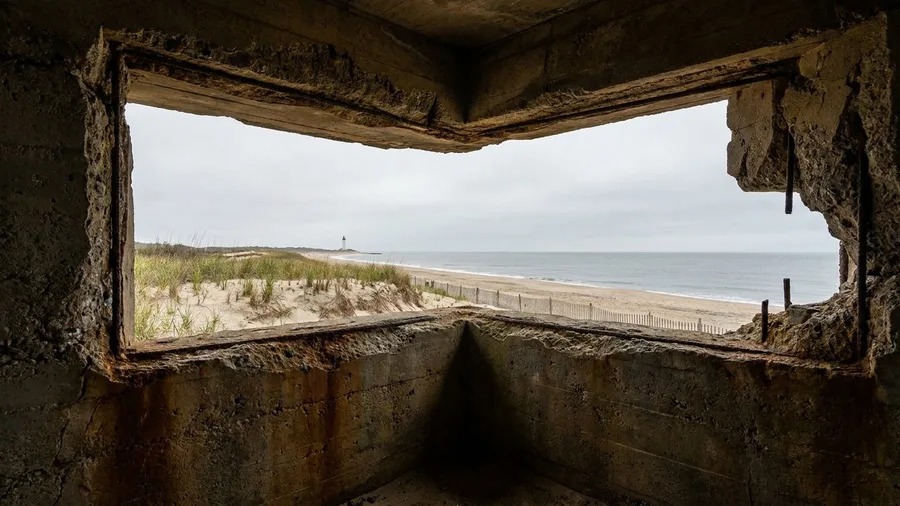
Lewes is the small beach town that does not need a scene to be worth the drive. It sits where the Delaware Bay meets the Atlantic, a compact grid of eighteenth-century houses, a working harbor and one main street you can walk end to end in twenty minutes.
Base here and bike or drive the short hop into Cape Henlopen State Park, where a wide state-park beach, a fishing pier and old coastal-defense towers give you a full day without a single high-rise in sight. The odd roadside stop that breaks up the drive is the Cape May-Lewes Ferry: load the car, cross the bay in about ninety minutes, and spend an afternoon in Cape May before riding back. A round trip for two with a vehicle runs well under $100, and the crossing is its own small event.
Budget $160 to $200 a day for two in late spring or early fall, staying in a motel or small inn and eating casual meals. May and June or September give you beach weather and easier parking than July and August, when day-trippers fill the lots by mid-morning. Couples get a walkable town and a state-park beach; families get calm water and a ferry ride the kids will remember. It is Jersey Shore ease without the crush.
9. Nevada: Great Basin and Ruby Mountains
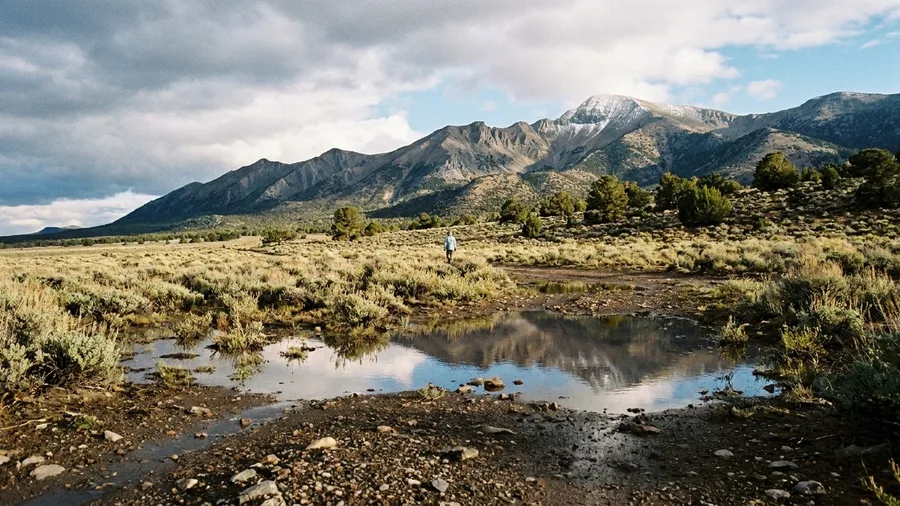
Know this before you commit: Great Basin is remote, the nearest full grocery is a long drive, and cell service drops for miles at a stretch. That remoteness is the point, but plan as if the region means it – fill the tank at every chance and pack water.
Base in Baker for Great Basin National Park, where the Wheeler Peak Scenic Drive climbs from sagebrush to alpine lakes in a matter of miles, and a bristlecone pine grove holds trees older than any building on earth. Then shift to Ely or Lamoille for the Ruby Mountains, a sudden wall of peaks above a green valley. Mule deer and pronghorn are a fair bet along the roads at dawn and dusk, though nothing here is guaranteed. May and June or September and October give cool hiking and clear nights, and the park's dark sky delivers a Milky Way you can see with your naked eye. Budget $140 to $180 a day for two, motel and casual meals, with room rates far below the big-park gateway towns.
🌄 A Four-Day Great Basin Loop
Day 1: Arrive in Baker
Book the motel 4-6 weeks ahead for May-June or September-October. Last full grocery before the park is in Ely, roughly an hour west.
Day 2: Lehman Caves and alpine lakes
Cave tours sell out and run on fixed slots, so reserve one before you leave home. Wheeler Peak Scenic Drive closes at the top once snow sets in.
Day 3: Stargazing
Time this for a new-moon window; a full moon washes out the Milky Way. Nights drop near freezing even in June, so pack a real jacket.
Day 4: Ruby Mountains
Lamoille is 90 minutes west of Baker, so treat it as a separate base or a long day out. Skip the alpine hike if thunderstorms are forecast after noon.
10. Oregon: Wallowa Mountains and Joseph
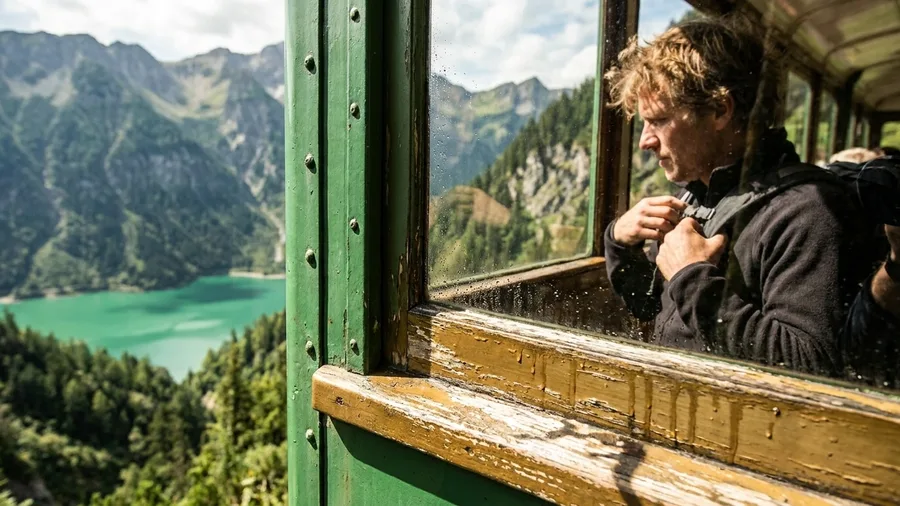
You step out of the motel in Joseph at seven and the air hits cold and pine-sharp, and the Wallowa Mountains stand at the end of the street like a wall someone dropped there overnight.
That is the trade here: no Oregon coast traffic, no Cascades trailhead queue, just a small town at the foot of something bigger than it looks on a map. Base yourself in Joseph, ride the Wallowa Lake tram up for the high view, then drive out to the Hells Canyon overlooks where the gorge drops away and you can see into Idaho. Plan $150-$190 a day for two, a cabin or motel and casual meals, and come June through September when the high-country trails are open and the lake is warm enough to sit by. The catch is distance. Joseph sits in the state's far northeast corner, hours from Portland and farther still from the coast, so you are not tacking this onto a Willamette Valley or Cannon Beach trip. This is the trip.
💡 Tip: The tram runs seasonally; check dates before you go. The Hells Canyon overlooks are a long drive on gravel, so fill up in Joseph.
Frequently Asked Questions
How do you define 'underrated'?
We looked for states with big scenery or real culture, low crowd levels, and a daily cost for two under about $230. All ten reward a 4-7 day trip from one base town without the prices or traffic of the obvious alternatives.
Are these states safe for a road trip?
Yes, with the usual caveats. The remote entries (Nebraska, Nevada) have long stretches without services, so carry water, a full tank and a paper map. Cell coverage is spotty in the Sandhills and Great Basin.
What is the best month overall?
September and October work for most of the list, with smaller crowds and lower rates. For warm beaches, aim for April-May or September-October. For alpine hiking, June-September is the window.
Do I need to book ahead?
Book base-town motels and any boat, tram or rafting slots 4-6 weeks ahead for summer and fall weekends. Last-minute works in shoulder season, but not for the popular tours.
How much does a week cost for two?
At $130-$230 a day, a 7-day trip runs roughly $900-$1,600 for two, covering lodging and casual meals. Add gas and any guided activities like rafting or a boat tour.
Can I combine several states in one trip?
You can, but each entry is designed as its own 4-7 day trip. Pick two states that share a season and a region—like West Virginia and Kentucky—and drive between them.
Sort by Season, Then Book the Base
The obvious coastal and national-park trips are still crowded and still costly. These ten are the correction: 4 to 7 days for two at $130 to $230 a day, with thinner crowds at every stop. Warm beach, go Alabama. Alpine hiking, West Virginia or Oregon. Empty-road solitude, Michigan, Nebraska or Nevada. Small-town coast, Rhode Island or Delaware. Food and craft, New Mexico or Kentucky.
Pick by season first, because it narrows ten to three or four. May-June or September-October for West Virginia, Delaware and Nevada. April-May or September-October for Alabama and New Mexico. June-September for Michigan and Oregon. June or September for Rhode Island, May-June or September for Nebraska, April-May or October for Kentucky.
Then book the base-town motel and any boat, tram or rafting slot 4 to 6 weeks out for summer and fall weekends. Start with the Fayetteville motel and the New River rafting date, because the less crowded trip is a scheduling choice as much as a destination one.
Pick your state, then book the base
Scan the table at the top, choose the state that matches your month, and reserve the motel and any tour 4-6 weeks ahead. That is the entire to-do list.