Most people book the island first and the crossing second. Reverse that and the whole weekend gets easier, because the boat or the bridge is what decides your cost, your schedule, and how much weekend is actually left when you arrive.
A three-day trip does not have to mean connections and a day lost each way. The flight is rarely the binding constraint here. A free 40-minute ferry from Hatteras buys you 16 miles of beach. A three-hour drive from Washington DC puts you among wild ponies. An hour from Ventura gets you sea caves and an island fox before lunch.
So the crossing tells you what the island is for: a single day, a beach week, or one night in the backcountry. Here are ten picks with the exact boat, bridge or drive, the time, the rough cost, and one thing to do once you land. Match the trip type to the island first, then book the crossing before the rental car.
Quick Tips Before You Start
Book the boat first
On Cumberland, Monhegan and Santa Cruz, ferry capacity sets the day. Reserve before you book the rental car.
Know if the car comes
Chincoteague and Anna Maria include the car. Ocracoke, Block Island and Cumberland are easier without one.
Pack layers for boat wind
Even a 20-minute crossing gets cold. A windproof shell earns its space on every island here.
Carry cash for small ferries
Some state-run ferries and refuge entrances still prefer cash. Have $10–$40 on you.
Check the season, not the forecast
Late July means ponies on Chincoteague; winter closes some Isle Royale services. Verify dates before booking.
1. Chincoteague, Virginia: Drive Over for Wild Ponies
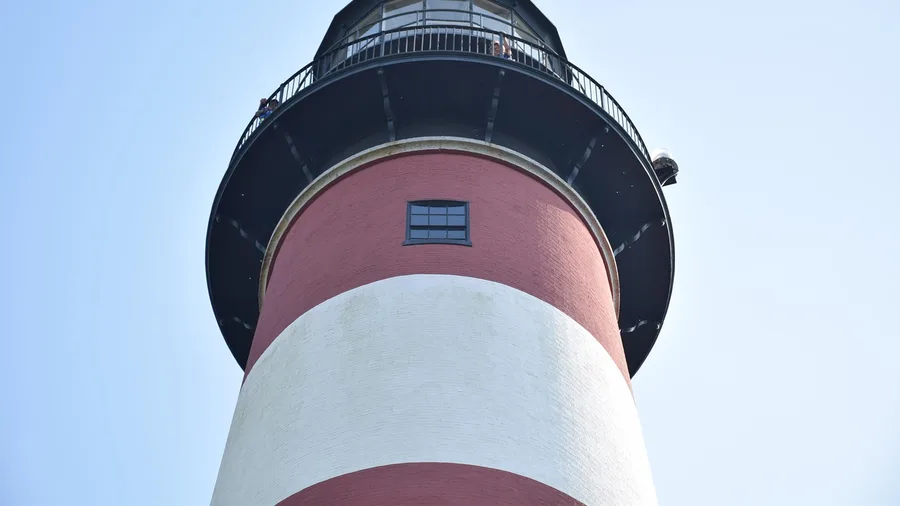
The marsh smell hits before you see water: salt mud, cut grass, and the flat Atlantic light that makes the ponies on Assateague look toy-sized from a distance.
A three-hour drive from Washington DC over the causeway gets you there. No flight, no ferry, no vehicle reservation – the car comes with you, so the weekend is gated by nothing but the road. Refuge entry is $10 per car, and that car is the smartest thing you bring, because the wildlife loop puts ponies and herons on both sides of the windshield and turns the vehicle into a moving viewing blind.
For the photograph, get on the loop early, when the low sun comes in sideways off the water and the ponies stand in the marsh grass with their backs to it. Late July is the date-setting event, when the pony swim pulls the biggest crowds of the year. Spring and fall give you the same marsh, the same ocean beach and a much quieter calendar.
💡 Tip: Drive the loop slowly at dawn. Ponies often graze close to the road before the first tour buses arrive.
| Island | Getting there | Time from mainland | Best for |
|---|---|---|---|
| Chincoteague, VA | Drive over causeway | 3 hours from Washington DC | Families, birders |
| Ocracoke, NC | Free state ferry from Hatteras | 40 minutes | Beach-first travelers |
| Cumberland Island, GA | Ferry from St. Marys | 45 minutes | Walkers, photographers |
| Monhegan, ME | Ferry from Port Clyde | 1 hour | Cliff walkers, artists |
| Block Island, RI | Ferry from Point Judith | 1 hour | Walk-on weekends |
| Anna Maria Island, FL | Drive from Sarasota-Bradenton airport | 1 hour | Warm-water beachgoers |
| Isle Royale, MI | Ferry from Copper Harbor | 3.5 hours | Backpackers |
| Madeline Island, WI | Ferry from Bayfield | 20 minutes | Low-effort lake weekends |
| Whidbey Island, WA | Ferry from Mukilteo or drive over Deception Pass | 20 minutes by ferry; 50 minutes from Seattle by road | City-based weekends |
| Santa Cruz Island, CA | Ferry from Ventura | 1 hour | Day-trippers, kayakers |
2. Ocracoke, North Carolina: A Free Ferry to Empty Beach
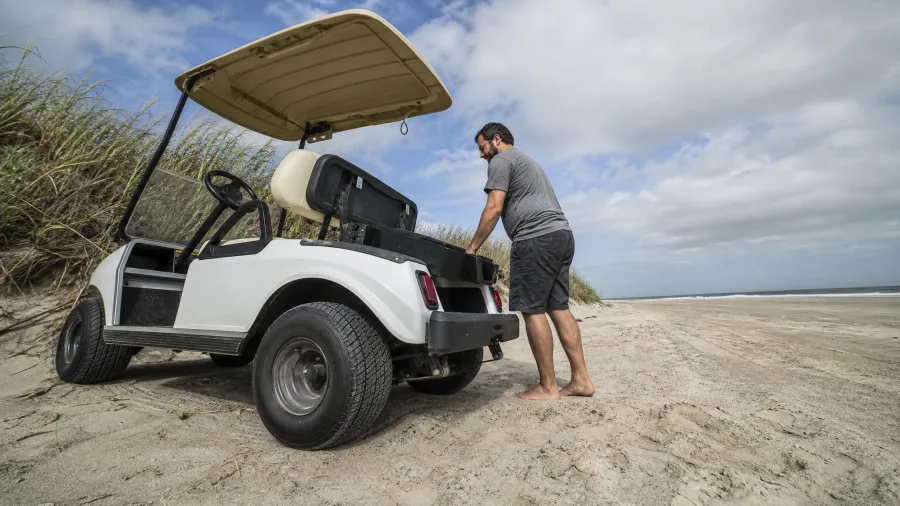
Forty minutes and zero dollars. That is the whole crossing: North Carolina runs a state ferry from Hatteras to Ocracoke at no charge, and you drive on, park, and ride across Pamlico Sound while the dunes slide away behind you. When the sound is too rough or the short route is not what you want, a longer water route exists, but most trips never need it. Per dollar spent on getting there, nothing else on this list competes.
What the free boat buys is sand. Beyond the village, the national seashore runs for 16 miles, most of it with no development at all – no boardwalk, no towers, just a low line of dune and a wide flat beach that swallows a July crowd without seeming to notice it. Once you land, leave the car where it is; the village moves by golf cart, and that slow, rattling pace is the point. Find a patch of dune, sit down, and do nothing for an hour on this flat coastal walk. This is the island for people who measure a trip in beach miles rather than activities.
Two cautions. July and August fill every bed and every cart, so aim for May or September, when the water is still swimmable and the same sand comes with far fewer people. And if you want restaurants, bars and a busy boardwalk, this is not your island – the village stays small on purpose. For beach-first travelers who want the crossing to cost nothing, it is close to perfect.
3. Cumberland Island, Georgia: Car-Free Beach and Feral Horses
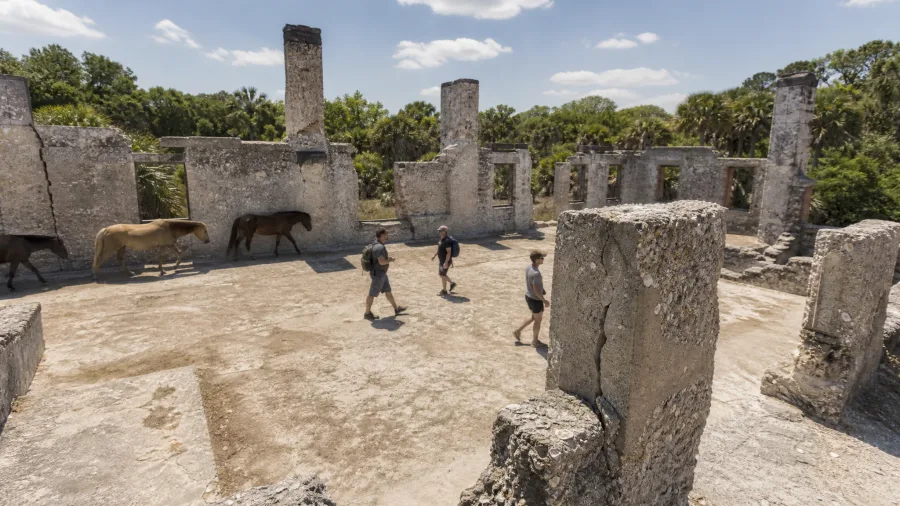
Know this before you book: there are no cars and no stores on the island, so every meal, every drink and every ounce of shade you want comes in on your back, and the ferry timetable – not your mood – decides how far the day can run.
The boat is a 45-minute ride from St. Marys, roughly $30 round trip, and you should book ahead because once the paid crossing is full, the day is gone. It buys three things: feral horses moving through the maritime forest, 18 miles of a beach you can walk alone in January, and the tabby ruins of Dungeness, all reached on foot. Walkers and photographers get the wildness-and-schedule trade and call it fair. If you want a beach bar and supplies at hand, this island is not the one – the crossing cannot deliver services it does not have.
💡 Tip: Bring twice the water you think you need. There is nowhere to refill once the ferry pulls away.
⚠️ COMMON MISTAKE
The ferry schedule is your itinerary
On Cumberland and Monhegan, the return boat leaves once or twice a day. Plan your walk backward from that departure time, not forward from the dock.
4. Monhegan, Maine: Cliff Walks After a One-Hour Boat
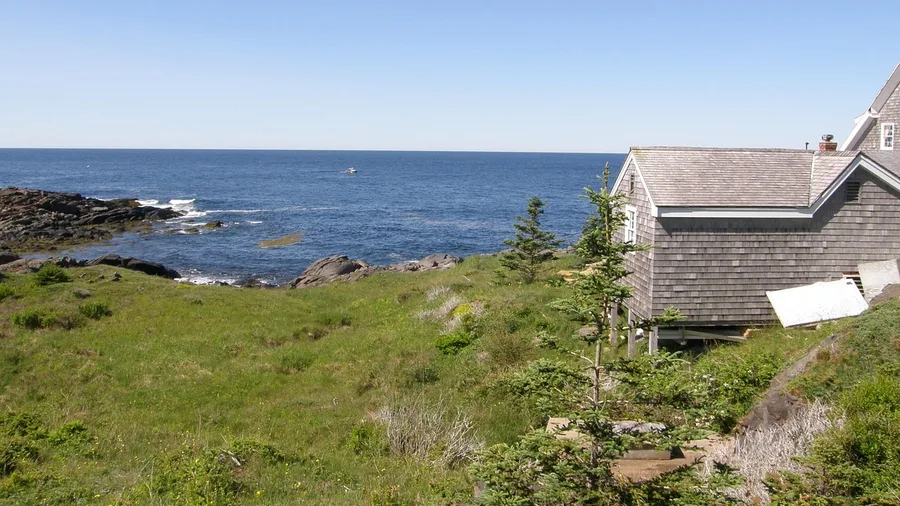
The boat out of Port Clyde runs about an hour, but it lands you in a working village rather than at a trailhead with everything on your back. The ferry is the only access, roughly $40 round trip, and its schedule frames the whole stay. What you trade against a car-free beach is a wharf, a lane of shingled houses and a cliff you can walk in an afternoon.
The core walk is small and the drop is the point. A cliff trail reaches Black Head, a 160-foot granite wall that ends the island in a sheer line over open water. Add the 1.5 miles of village lane and you have most of the ground worth covering. It reads as remote because nothing on the path tells you otherwise.
a lobster roll bought at the wharf, in the region of $25, eaten on a bench while the boats come in. Buy it before the day boats load, because they leave mid-afternoon and the island empties behind them.
That departure time is the honest catch. The fare is the same whether you sleep there or not, and the payoff is not. Overnighting buys dusk and dawn on the cliffs, the two hours when the artists' colony goes quiet and the water turns to slate. Day-trippers get the middle of the day and a rushed walk back to the dock.
5. Block Island, Rhode Island: Bluffs Without Bringing the Car
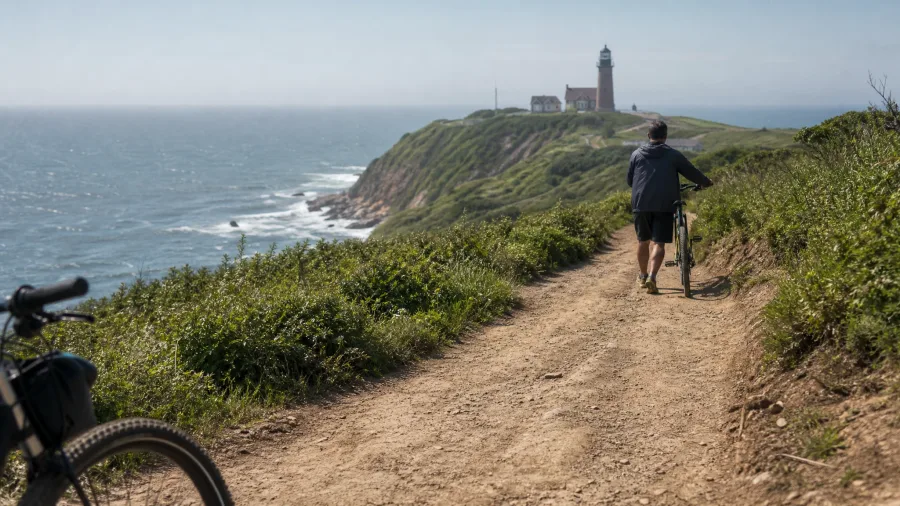
Block Island is the short-notice island. The ferry from Point Judith takes about an hour and costs around $30 round trip as a walk-on, and no vehicle reservation stands between you and the ticket. A boat that runs on a set schedule can still strand you if the last one leaves without you; this one asks for nothing more than showing up.
The hour has an hour. The bluff path to Southeast Light is best walked in the late afternoon, when the sun drops low behind you and the clay trail glows against the green, and the lighthouse stands at the edge of a 200-foot scarp that the wind pushes back from. Go at midday and you get glare and crowds on the narrowest sections.
The crossing is the only booking, which changes how you pack and plan. Bikes and mopeds are the tools once you land, and leaving the car on the mainland keeps the fare low and the pace slow. Seventeen miles of beach and the bluff trail cover the ground without a car.
June and September are the smart window. The paths thin out, the water is warm enough to swim, and the walk-on crossing costs the same as it does in the crush of July. The car queue at Point Judith in summer can eat an hour before you even board, another reason to travel light.
Best for a weekend you decide on a Wednesday. Book the boat, not a car slot, and the island opens up.
💡 Tip: Rent the bike at the dock, not in town. The first mile is flat and you'll beat the walk-on crowd.
Block Island — At a Glance
⏰ Last boat back
Know the mid-afternoon cutoff before you book
🚗 Vehicle slot
Reserve separately; cars wait a season, walk-ons don't
🚲 Where to rent
Old Harbor, a short walk from the ferry dock
🌅 Bluff walk timing
Late afternoon for light and elbow room; midday brings glare
🎒 What to pack
One small bag; no car means no trunk
Failure mode
Miss the last return and the walk-on fare buys you an unplanned night and a new ticket.
6. Anna Maria Island, Florida: Seven Miles, No High-Rises
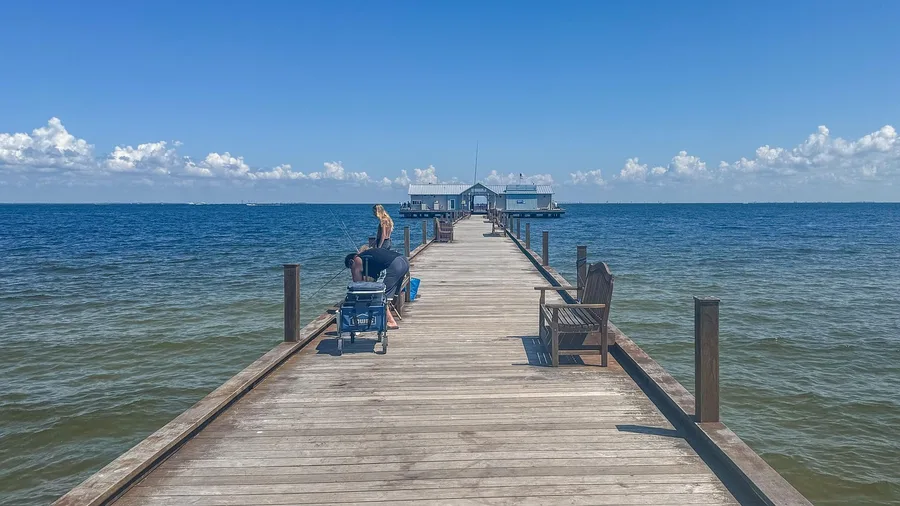
Skip the flight-plus-ferry calculus and take the one place where the hard part is a rental car. Anna Maria is a one-hour drive from Sarasota-Bradenton airport, and there is no schedule once you are rolling. If you want warm Gulf water without a resort tower over your shoulder, this is your island.
The locals head to Bean Point at the north end, where the bay meets the Gulf in a quiet sweep of sand, and they eat on the village strip rather than at the beachfront places. A low-rise-only building rule keeps the sky open along all seven miles. Winter and spring are the window; by summer the heat pushes the beach day earlier and the afternoon storms roll in.
💡 PRO TIP
Rent the car on the island
On Anna Maria, the airport drive is short enough that you don't need a rental for the whole trip. Pick one up at the Sarasota-Bradenton terminal only if you plan to explore beyond the island.
7. Isle Royale, Michigan: Real Wilderness on a Three-Hour Boat
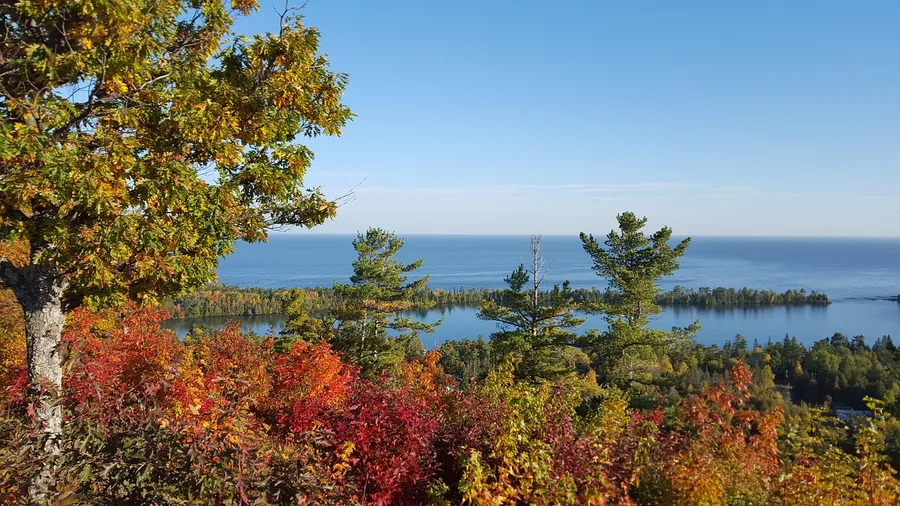
Isle Royale answers that, and it answers it slowly: the boat from Copper Harbor takes three and a half hours, and your vehicle stays on the Michigan shore while you cross.
That boat is the whole trip's frame, in both directions. Figure roughly $150 per adult for the round trip, and know that the return sailing is the hard deadline your last day bends around. Once you land, the ground is 165 miles of trail, so a first visit wants two to four nights on foot rather than a rushed out-and-back. Moose stand in the shallows at dusk and loons call across the inlets, and there is no shop anywhere to resupply you, which means food, stove and shelter travel in on your back. It is the most serious crossing on this list, and the honest test is simple: if the weekend needs a restaurant, a car or a bar at the end of the day, take the warm-water beach and leave this one to the hikers.
💡 Tip: Reserve your ferry seat the same week you book the campsite. Boats fill before sites do in July.
The crossings that define the trip
8. Madeline Island, Wisconsin: A Twenty-Minute Ferry to the Lake
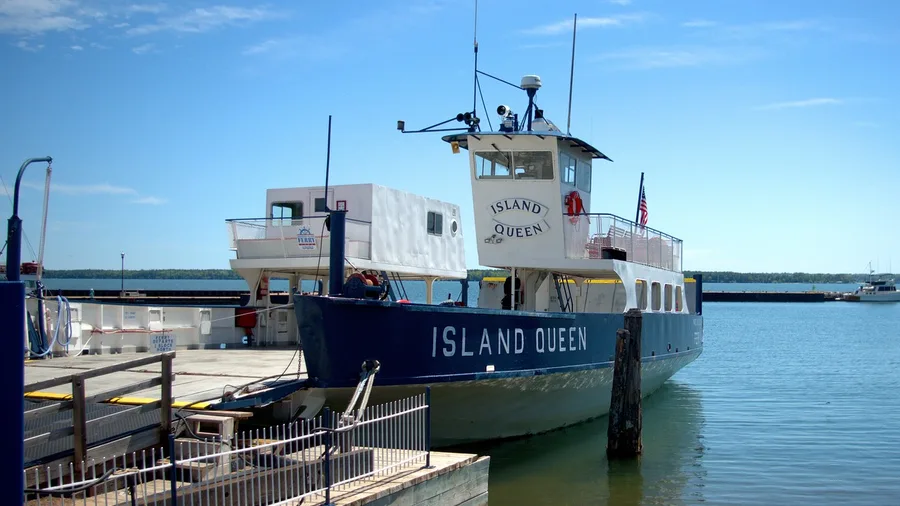
You step off the ferry in Bayfield and the air hits cold and mineral, like a lake poured straight out of bedrock.
The ride that delivers you takes twenty minutes and costs about $16 per adult round trip, so you can cross on a whim and still have a full afternoon on the far side. What you get for that fare is a state park beach at Big Bay, broad and sandy, with the same frigid water pressing against it. It stays cold even in August, so treat the swim as a bracing plunge and a towel as non-negotiable.
The walk along the lakeshore is the other half of the payoff, and it starts close enough to the ferry landing that you can be on it within minutes of docking. No car, no shuttle, no expedition logistics.
La Pointe, the island's one town, is small enough to cover on a rented bike in an hour, and that is the point. Pedal the lanes, stop where the light is good, and let the crossing's brevity be the luxury.
Summer and early fall are the window. Nothing here asks you to be fit or prepared beyond a daypack, and the fare and the clock both stay small enough to leave the weekend intact.
Ferry vs. Bridge on Whidbey
Take the ferry
- 20 minutes from Mukilteo
- About $30 round trip for car and driver
- Puts you on the south end for Coupeville
- Reserve ahead on summer weekends
Drive the bridge
- Crosses Deception Pass
- About 50 minutes from Seattle
- No ferry fare, more road time
- Best if you're looping north to Anacortes
9. Whidbey Island, Washington: Ferry or Bridge from Seattle
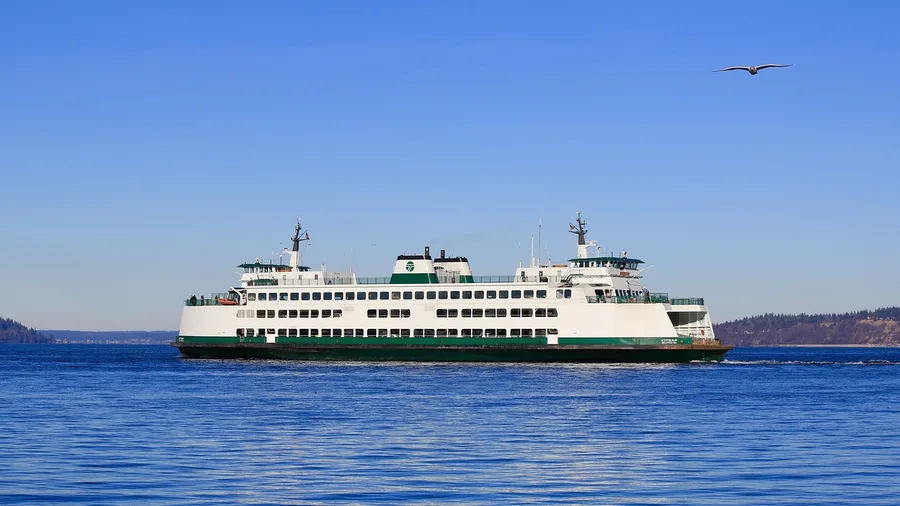
Whidbey is the island that solves a city weekend, because you can reach it in about 50 minutes from Seattle, by a 20-minute ferry from Mukilteo or a drive over Deception Pass.
The two routes are the itinerary. Take the boat one way and the bridge the other, and the loop writes itself; the ferry runs about $30 round trip for car and driver, while the Deception Pass road skips the fare and adds the driving instead. Anchor the day at Ebey's Landing, where the bluff trail runs high above the water, then finish on Coupeville's waterfront with its old storefronts and a pier worth walking to the end.
Grey weather is no disqualifier here. Mist on the bluff and a low tide at the pass hold up fine without sun, which makes this the island to book before you have checked a forecast.
💡 Tip: Park at Ebey's Landing trailhead before 9 a.m. The lot is small and the bluff trail is the reason to come.
Your weekend on Santa Cruz Island, hour by hour
10. Santa Cruz Island, California: Sea Caves an Hour Offshore
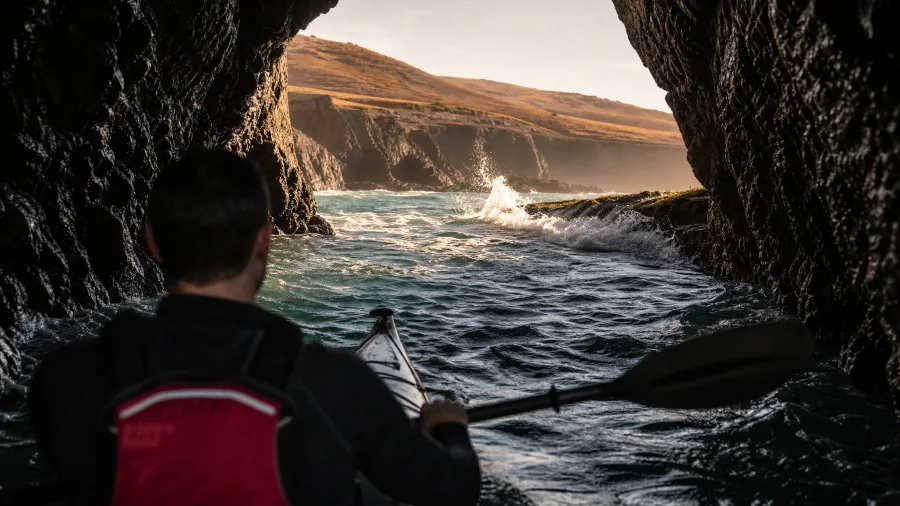
The shortest crossing does not always buy the emptiest island. An hour off Ventura, Santa Cruz is the Channel Islands at their most reachable – and their most booked-up. The boat is a one-hour ferry, roughly $70 round trip, and capacity, not the road, sets your day. Reserve weeks ahead in summer; the same logic you used on the shorter boats applies harder here, because when the morning run fills, the afternoon one is your whole afternoon.
Land at Scorpion Anchorage and three things justify the fare: the sea caves you paddle into by kayak, the island fox that trots through camp like it owns the place, and a hillside of grassland that drops straight to the water. The crossing is only an hour, so the rest of the day is island time, not travel time. This is the wild fix that leaves your hotel bed and your mainland dinner intact.
Then the honest part. The day trip trades hours ashore for a warm room and a shower back in Ventura; the overnight costs a pack, a tent and a campsite permit, but buys dawn and dusk on the cliffs when the last boat has gone. Conditions decide the rest: wind can scrub a crossing, so the ferry booking is the first and most fragile plan you make. Spring through fall is the window. Reserve the boat, then build the weekend around what it leaves you.
Frequently Asked Questions
Do I need a car on these islands?
It depends on the island. Chincoteague and Anna Maria are drive-on, so the car is useful. Ocracoke, Block Island, Cumberland and Monhegan are better on foot or by bike and golf cart; leave the car on the mainland and save the ferry fare.
Which island is the easiest to reach without a long flight?
Chincoteague, if you're near Washington DC: a three-hour drive with no ferry at all. From most cities, Block Island and Madeline are the shortest paid crossings, at one hour and 20 minutes respectively.
How far ahead should I book the ferry?
For Cumberland, Monhegan, Isle Royale and Santa Cruz, book as soon as you have dates. Boat capacity, not hotel availability, is what fills first. Block Island and Madeline are easier to book last-minute, especially walk-on.
Are these islands expensive?
Crossings range from free (Ocracoke) to about $150 round trip (Isle Royale). Most are $16 to $70. On-island costs vary more: Cumberland and Isle Royale have no stores, so you pack everything; Anna Maria and Whidbey have full services.
Which one works best for a family with kids?
Chincoteague: drive-on, ponies visible from the car, and a beach. Ocracoke is a close second, with a free ferry and golf carts that kids love. Skip Isle Royale and Cumberland until they're older and can carry a pack.
Can I do any of these as a day trip?
Yes: Santa Cruz from Ventura, Block Island from Point Judith, and Madeline from Bayfield all work as day trips. Cumberland and Monhegan can be done in a day but reward an overnight. Isle Royale needs at least two nights.
Which crossing matches your weekend
Pick by trip type and stop deliberating. No-car day trip: Block Island, walk-on ferry from Point Judith. Beach week: Anna Maria Island, a one-hour drive from the Sarasota airport. Wilderness nights: Isle Royale, and the 3.5-hour boat is the whole point. Family float: Ocracoke, free ferry, golf carts, ponies a causeway away.
Book the boat before the rental car. Crossing time and capacity set the lodging, the packing and the return. The three-day weekend never needed a long flight, only a crossing short enough to leave the island payoff intact. Choose it at the booking screen: ferry first, everything else after.
Book the boat, then the car
Check the ferry schedule and reserve your seat before you book anything else. The crossing is the trip.