Twelve rooms and no cars is the whole inventory: Monhegan runs on 17 miles of trail and a 1 hr 10 min boat from Port Clyde, about $38 round trip. You may arrive thinking quiet is a corner of a resort nobody has found yet. On these islands it is the room count. The ferry goes when it goes. Nobody drives, nobody flips a stoplight, and no chain puts its sign on the road because there is no road to put it on.
Monhegan sets the pattern with its twelve-bed inn and footpaths; Isle au Haut answers with a mail boat; Cuttyhunk with one store; Block Island with September; Smith and Tangier with golf carts and a long crossing; Ocracoke with a free ferry; Daufuskie with no bridge at all. Each is quiet in a different currency, and your job is to pick the one you can live inside for a few days.
By the end you should know which of the eight you are: the walker who never wants a car, the shoulder-season beach type, the ferry-day visitor, or the family hauling groceries to a cottage. Then book in the right order, passenger ferry first and room second, because the boat schedule sets the trip before anything else does.
Quick Tips Before You Start
Book the boat first
The ferry schedule is fixed and small; reserve your crossing before you reserve a room.
Pack one bag
You will carry everything from the dock to the inn; a rolling suitcase is useless on gravel.
Bring cash
Many island stores and carts are cash-only or have a minimum for cards.
Check the day of week
Some ferries do not run daily in shoulder season; a Monday arrival can strand you.
1. Walk Monhegan Island, Maine
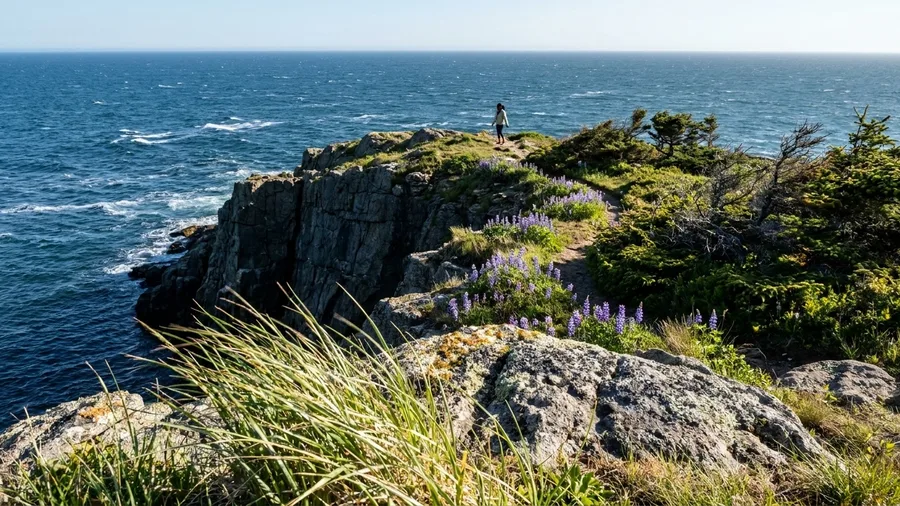
On Monhegan it is the first thing. The ferry leaves Port Clyde and takes 1 hr 10 min for about $38 round trip, and that schedule, not your mood, decides when the day starts and when it ends.
You book the boat and the room as a pair, because there are only about 12 rooms in the inn and the June rate runs from about $185 a night. Once you are off the dock you walk 17 miles of trails and a small village, no cars anywhere, your feet the whole transit system. Give it two nights if you want art in the morning and a headland trail in the afternoon. It is a walking trip, not a beach resort day, and the quiet is nothing more than foot traffic and a short bed count doing their work.
💡 Tip: Book the ferry and the 12-room inn in the same phone call if you can; one without the other is a wasted trip.
| Island | Ferry or access | Typical lodging | Best for |
|---|---|---|---|
| Monhegan Island, ME | Port Clyde passenger ferry, 1 hr 10 min, about $38 RT | 12-room inn from about $185/night | Art and walking, two nights |
| Isle au Haut, ME | Stonington mail boat, 45 min, about $32 RT | 5-room inn from about $160/night | Hikers who bring bikes |
| Cuttyhunk, MA | New Bedford ferry, 1 hr 15 min, about $30 RT | 6-room guesthouse from about $175/night | A simple one- or two-night reset |
| Block Island, RI | Point Judith ferry, 55 min, about $28 RT | Inn from about $210/night in September | Off-season beach walking |
| Smith Island, MD | Crisfield ferry, 1 hr 15 min, about $25 RT | 4-room B&B from about $145/night | One-night watermen culture |
| Tangier Island, VA | Reedville ferry, 1 hr 30 min, about $35 RT | 3-room inn from about $135/night | A walkable island overnight |
| Ocracoke Island, NC | Free Hatteras ferry, 55 min | Inn from about $190/night in October | A slow beach week in fall |
| Daufuskie Island, SC | Hilton Head ferry, 30 min, about $30 RT | Cottage from about $225/night | A car-free cottage week |
2. Sit Still on Isle au Haut, Maine
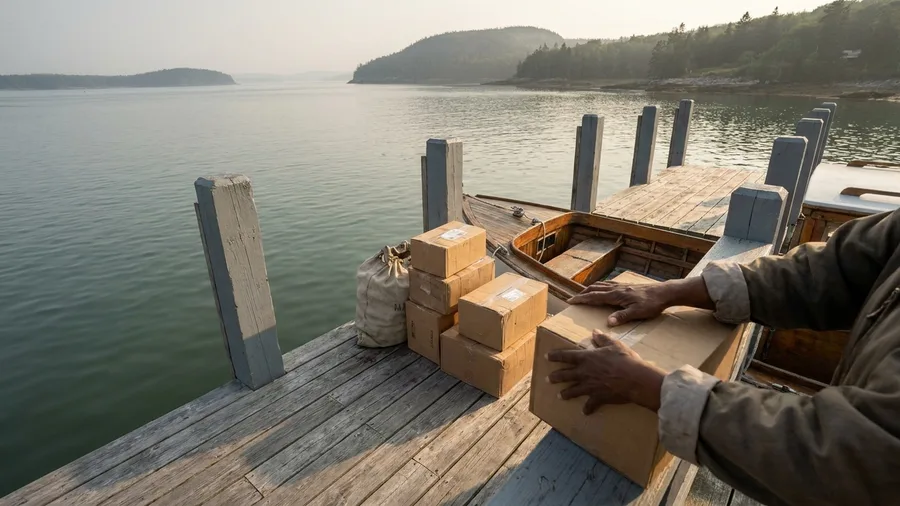
Take the mail boat from Stonington, 45 minutes and about $32 round trip, and plan on sitting still. That is the reason to come, and the schedule makes it easy to keep.
There is no menu of departures to choose from, just the mail boat's runs, so the boat and the 5-room inn, from about $160 a night, are one booking decision rather than two. Most of the island is Acadia National Park. Bring bikes, because nothing on the island rents them, and let the afternoon go by on a rock above the harbor watching the water do nothing in particular. It is remote, and it is workable for a short stay, but only if the boat and the room line up before you commit.
This is the trip for hikers who want the trails without the Bar Harbor traffic. The smaller inn and the park land test the same quiet a car-free Maine island gives you, on a slower clock and a shorter guest list.
💡 Tip: The mail boat often carries freight; pack light and be ready to help hand boxes ashore.
⚠️ COMMON MISTAKE
Don't book the room before the boat
On every island in this list the ferry schedule is the smaller number. A 12-room inn can have a vacancy on a day the boat does not run. Reserve the crossing first, then match the room to the days you can actually arrive and leave.
3. Find the Quiet on Cuttyhunk, Massachusetts
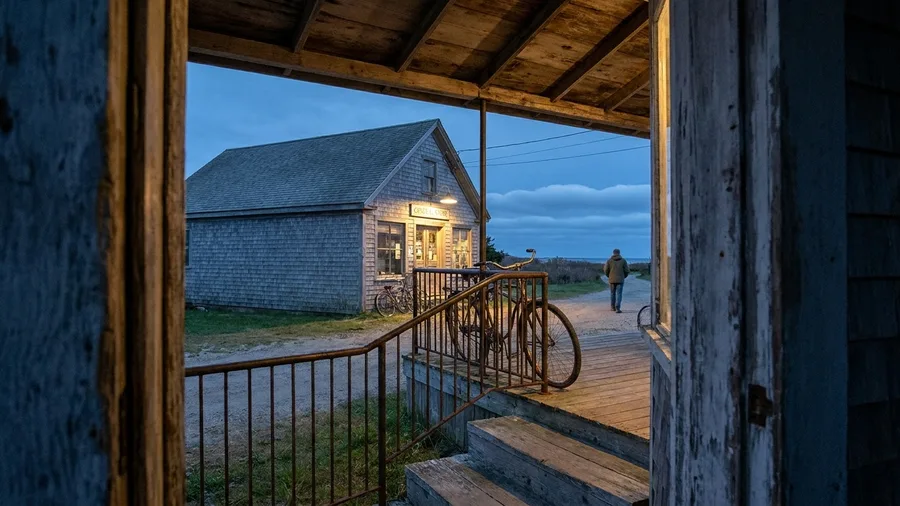
The deckhand casts off and the diesel settles into a low thrum you feel in your feet for the next hour and a quarter; then the mainland slips behind the stern and the wind picks up salt.
The Steamship Authority runs the crossing from New Bedford, roughly $30 round trip for an adult, and the return boat leaves late afternoon with a fixed time you should write down before you board. That timetable, not a rented car, is what structures your day on the island.
The boat delivers you to a village with six guesthouse rooms, one general store and not a single stoplight, all from about $175 a night. Book the room and the boat together; the lodging is the anchor for a stay where you walk everywhere. Provisions come from the store, so decide breakfast and lunch before the shelves thin out.
For the wildlife, watch the harbor mouth at low tide, when the herons work the shallows and the water is calm enough to read. Harriers quarter the low grass on the pond trail past the village in early morning. See it or you don't; sightings are reliable enough to plan a walk around, not rare enough to chase. Bring binoculars and give the marsh an hour.
This is a one- or two-night reset and nothing grander; you feel the quiet in bareness, not in polish. If you need a pool or a restaurant for every meal, the island will disappoint you. Come for two nights and the bareness turns into the whole point.
Peak Summer vs. Shoulder Season
How the same island feels in July and in September
Timing is the cheapest way to buy quiet on a ferry island.
4. Time Block Island for September
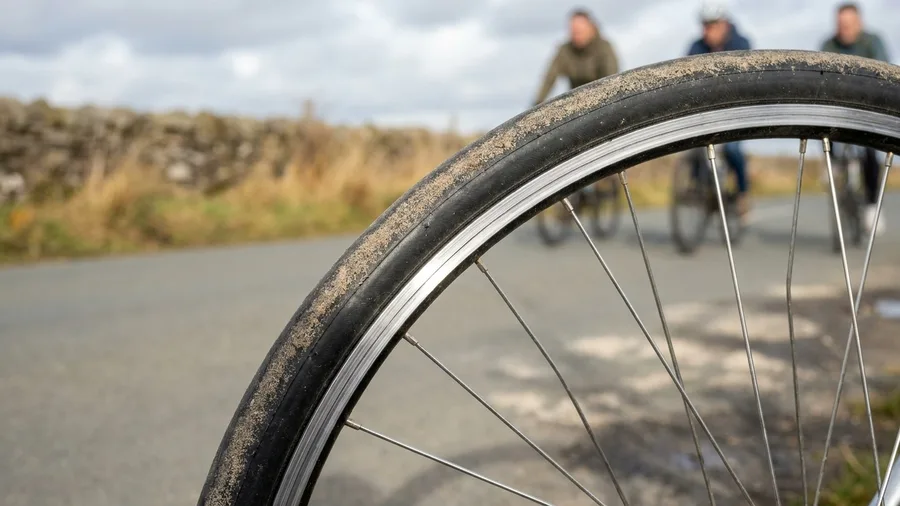
Block Island is busiest in high summer, and the day-tripper rush is real: the boats from Point Judith fill with people doing the island in an afternoon. The ferry itself is short and cheap, 55 minutes and roughly $28 round trip, which is exactly why the crowds come. The constraint here isn't scarcity of beds or cars. It's the calendar.
Wait for the Tuesday after Labor Day. The day-trippers thin out, the inns drop their nerve, and a room that would have gone for peak summer money settles to around $210 a night in September. What you buy with that premium is 25 miles of walking trails with room to walk them, and bikes as the main way to get around. The island doesn't empty, but it exhales.
This is a splurge in the honest sense, because September rates are still September rates, not a steal, and the ferry costs less than a nice dinner. If you're the off-season beach person, though, the math works: you get the same bluffs and the same lanes at the price of going a few weeks later than everyone else. Book the boat and the room together, since the last ferry doesn't wait for a slow lunch.
💡 Tip: Book a weekday arrival in September; the Friday ferry still carries a weekend crowd.
⛴️ How to Book a Ferry Island
Pick your island
Choose by the constraint you want: no cars, no bridge, or no chain hotels.
Check the ferry schedule
Confirm the boat runs on your arrival and departure days, especially in shoulder season.
Reserve the crossing
Book the passenger ferry first; the schedule is smaller than the room inventory.
Match the room to the boat
Book the inn or cottage for the nights between your confirmed crossings.
Pack for the dock
One bag you can carry yourself, cash for the store, and layers for the wind.
5. Ride a Golf Cart on Smith Island, Maryland
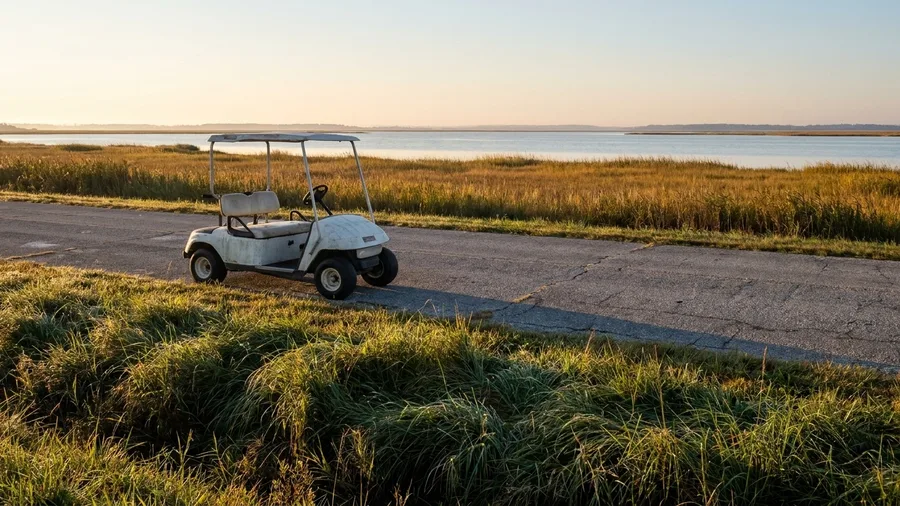
Smith Island is a flat strip of Chesapeake marsh and watermen's houses reached only by boat, and the locals get around on golf carts because there are no rental cars to speak of.
The ferry runs from Crisfield, takes an hour and fifteen minutes, and runs about $25 round trip. A four-room B&B at roughly $145 a night keeps the stay simple, and it should stay simple: this is a one-night look at a working watermen's culture, not a beach trip. The quiet comes from the flat roads, the carts, and a boat that leaves on its own schedule whether you're ready or not. Ask a local where they eat rather than following the crowd off the dock.
Car-Free Island vs. Car-Friendly Island
Car-free (Monhegan, Cuttyhunk, Daufuskie)
- You walk or ride a cart everywhere
- The pace is set by your legs
- Pack one carryable bag
- Fewer provisions, so plan meals
Car-friendly (Block Island, Ocracoke)
- You can bring a car on the ferry
- Bikes are still the better choice
- More dining and lodging options
- More traffic in high summer
6. Take the Long Ferry to Tangier Island, Virginia
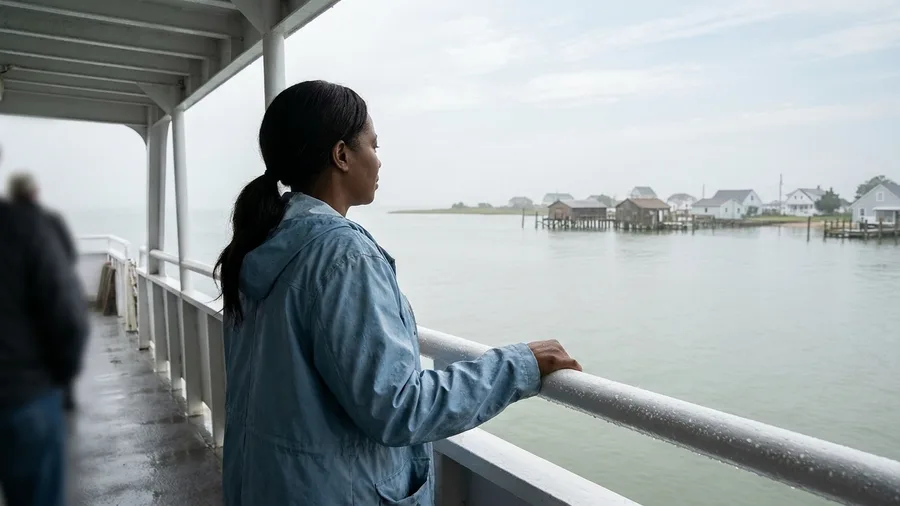
You feel the engine settle into its long rhythm, the mainland sliding down to a line, and you realize how much of the day the water has taken. The ferry from Reedville is an hour and a half, about $35 round trip, and there is no car ferry at all. That's the trade: a longer ride in, and a smaller, stranger island waiting at the end.
Tangier is walkable or cart-paced, its lanes narrow enough that the absence of cars reads as the point rather than a gap in service. What makes an overnight work here is the inn: three rooms, from about $135 a night. A tiny inventory means you don't simply arrive, you plan, and a spontaneous drop-in is likely to find the doors closed.
Start early, take the long boat, stay one night, and let the departure schedule set the shape of the next day. That longer ride is the whole reason to come, a slow crossing that turns an odd little island into a place you had to earn.
💡 PRO TIP
The free ferry still has a schedule
Ocracoke's Hatteras ferry costs nothing, but it runs on a boat timetable and fills in summer. Arrive early, and treat the crossing as part of the day rather than a quick hop.
7. See the Banker Ponies on Ocracoke, North Carolina
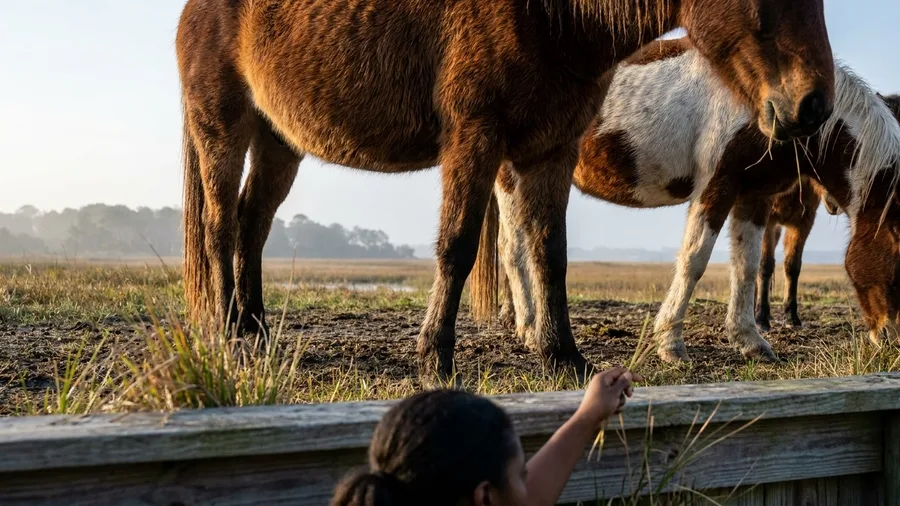
A free ferry still leaves on a boat's clock: from Hatteras the crossing runs 55 minutes, and you take the departure you are given. Ocracoke is the one island on this list where the water costs nothing and the schedule still owns your day. It runs to a village small enough to cross on foot and 16 miles of beach and bike path running down the outer edge.
The reason to come in October or early spring is the crowd, not the weather: an inn here runs around $190 a night in October, and there are no chain hotels on the island to absorb the summer rush. In peak weeks that same shortage turns the village and the beach into a queue. Off-peak they flatten back out into what they are – a wide beach you can walk a mile along without passing anyone, and a harbor village where the loudest thing is a ferry horn. If empty sand is the goal, other coastal towns with empty winter beaches make the same trade against cold and closures. Book the boat first, then the room, because the free crossing fills before the beds do.
The Numbers That Set the Pace
8. Eat a Fig Cake on Daufuskie Island, South Carolina
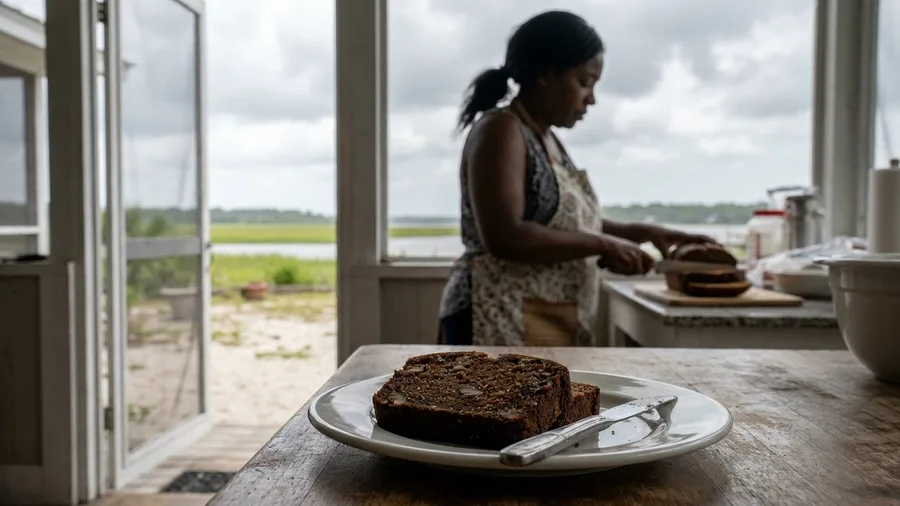
Ocracoke times its quiet against the calendar; Daufuskie removes the bridge and lets geography do the work. The ferry from Hilton Head runs 30 minutes and costs about $30 round trip, and when it pulls out there is no road back. That single missing bridge is the whole design of the place: sandy tracks, golf carts, and a week that rewards staying put instead of touring. A cottage runs about $225 a night, and the practical arrangement is a car-free stay with the groceries you carried across on the boat.
Then there is the fig cake: a dense, dark loaf built on figs and nuts, the kind of thing baked in island kitchens long before anyone thought to sell it to a visitor, sold in small slices or loaves around the village for a few dollars. Buy one on your first morning and you have breakfast, a beach snack and a reason to stop the cart. What it costs is small; what it saves you is the drive to a grocery store you would have needed anyway.
This is the last test of the trip, and it is the one to book most deliberately: a couples' or family cottage week, groceries in hand, the cart for the sandy roads and the ferry as the only way on or off. Match it to a party that wants to sit still for seven days, and the missing bridge turns from an inconvenience into the point.
💡 Tip: Ask at the ferry landing which store has fig cake that day; it is baked in batches, not stocked daily.
Frequently Asked Questions
Do I need to book the ferry in advance?
Yes, especially for Monhegan, Isle au Haut, and Tangier. Passenger ferries have limited capacity and some run only a few times a day. Reserve your crossing before you book a room.
Which island is best for a first-time quiet trip?
Cuttyhunk is the simplest: a short ferry from New Bedford, one store, and a 6-room guesthouse. It is a one- or two-night reset with minimal planning.
Can I bring a car to these islands?
Most of them do not allow cars. Monhegan, Cuttyhunk, and Daufuskie are car-free or cart-based. Block Island and Ocracoke allow cars on the ferry, but bikes are still the better way to get around.
What is the best season for quiet?
September and October for Block Island and Ocracoke, and June for the Maine islands. Shoulder season means fewer day-trippers and softer inn rates.
How much should I budget per night?
Expect about $135 to $225 per night for a room or cottage, depending on the island and season. Add $25 to $38 per person for the round-trip ferry.
The Dock At Five In The Morning
Here is the sort. The no-car walker or hiker gets Monhegan, Cuttyhunk and Isle au Haut, where the trail starts at the dock. The off-season beach person gets Block Island in September and Ocracoke in October or early spring, when the free crossing thins and the sixteen miles of beach are yours. The ferry-day visitor gets Smith Island for one night and Tangier for a single overnight. The cottage-week family gets Daufuskie, groceries carried in and a golf cart for the sandy roads.
That start you pictured, the twelve rooms and seventeen miles of trail, was never a resort corner. It is a boat, a small bed count and no cars. So reserve the passenger ferry first, then the room, since the boat schedule sets the trip. Boat, bed, then foot or cart: on these eight islands the booking order is the day's order.
Pick your island and check the ferry
Open the ferry schedule for your first choice, confirm the days it runs, then book the room that fits between the crossings.