The 10 a.m. Louvre slot comes and goes while you are still in line for the Metro, suitcase handle cutting into your palm. The first Europe trip often looks like this: three famous cities in eight nights, a map that folds them into one tidy loop, and $1,300 to $1,800 in round-trip airfare riding on a plan too thin to hold.
The loop is the trap. London, Paris and Rome sit in three countries, each with its own booking system, its own transit card and its own rules. Every move eats about half a day before you have seen anything. Eight nights can carry two bases comfortably, and a third only if it is a short hop, so treat the trip as one region.
Check entry and train rules at the official source before the flights go in the cart, not after. Then pack and pay for the shape you picked, and schedule arrival day, museum slots and Sunday closures around it. Wait until day two for the big museum. Nothing here needs all twelve mistakes fixed at once.
Pick the three or four that match your itinerary and let the rest go.
Quick Tips Before You Start
One region, two bases
Choose a single region and two cities for eight nights. Three is the maximum, and only if one leg is under three hours by train.
Book direct
Buy rail tickets and museum entry on the operator's or museum's own site, never a resale page that adds a fee and a confusing voucher.
Two cards, some cash
Carry a no-foreign-fee credit card, a backup card from a different bank, and €50–€100 in small notes for cafés and transit machines.
Pack for cobblestones
One 22 x 14 x 9 in carry-on at about 15 lb, broken-in walking shoes and a rain layer beats a checked bag and a pair of dress shoes every time.
One timed sight a day
Build each day around a single timed entry, not three. The ticket time sets your meal, your transit and your walking route.
Check entry rules twice
Verify visa, passport and ETIAS rules on the official EU and UK government sites before booking, then again 72 hours before departure.
Plan the Route and Rules First
Every mistake that will cost you real money starts before you book a single flight. Route shape and entry rules set the floor for what everything else costs, because a badly shaped trip eats days in transit and a wrong rule can cancel the trip at the check-in desk.
Get these four right and the rest of the list shrinks to small fixes. Get them wrong and no amount of clever packing will save the itinerary.
1. Treating Europe as One Country Wastes Days
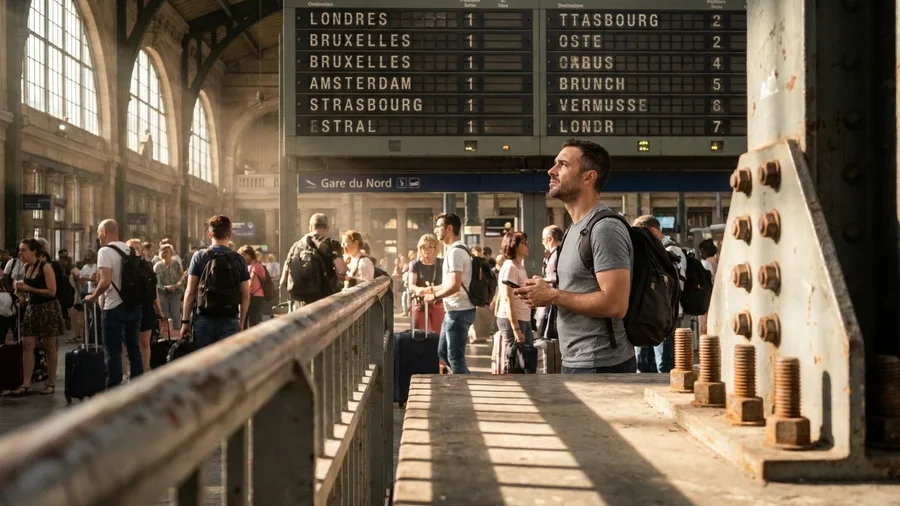
You step off the Eurostar at Gare du Nord, reach for your phone to buy the next leg, and the app that worked in London hands you a screen in French asking for a different account. That is the moment Europe stops being a word on a map and becomes three countries with three sets of systems.
The itinerary that makes this obvious is the famous one: London, Paris, Rome. You cross the UK, France and Italy, and each border means a new booking platform, a new language at the ticket machine, and a different local transit card. The 2h15 London-Paris Eurostar and the 3h20 Paris-Amsterdam train are genuinely fast segments, but they run under different operators, and each end requires its own connection, its own metro map, its own fare rules. Nothing about the first leg teaches you the second.
For an 8-night first trip, one region or two neighboring countries is the shape that fits. A three-country sprint doesn't buy you three cities so much as it buys you stations, luggage carousels and check-in queues.
So treat each country as its own system. The national tourism and transport sites for each country are where passes, tickets and local transit actually live, and no single Europe-wide booking portal covers a route like this one. The famous loop is worth doing once in a lifetime, if that is your goal, but know you are paying for it in connection time.
💡 Tip: Pick two countries maximum for eight nights, and treat every border crossing as half a day gone.
2. Booking Too Many Cities Wastes Days
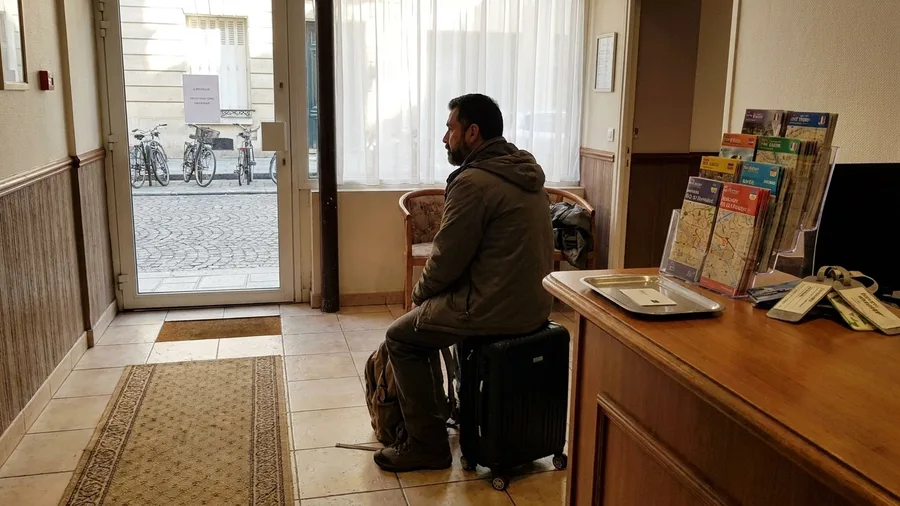
Two, and no more than three, and the third only if it is a two-hour hop. A route that treats Europe as one country turns straight into a booking with too many pins on it, and that is where the trip quietly leaks days.
Run the arithmetic on half a day per move. Packing the bag, waiting out checkout, walking or riding to the station, the train itself, then the walk to a new door and a second check-in — unlike a Pacific Coast Highway road trip with one car and one bag — that is four to five hours gone before you have seen anything. Five hotel beds in eight nights at that rate eats the better part of three sightseeing days. Two bases for eight nights costs you one move, which leaves seven full days and six free evenings in the same neighborhood – the square you learn, the bakery you return to, the walk home you stop needing a map for.
London and Paris together work because the Eurostar does the transfer in about 2h15m, and Paris to Amsterdam at roughly 3h20m is the other short hop that earns a third stop. One base with day trips beats three cities, since the day trip returns you to your own bed and your own shower at night. A coach tour or a single-city stay is not what this is aimed at – both have already stripped out the repeated packing, so the trade is settled before you start.
3. Buying a Rail Pass Blind Can Cost More
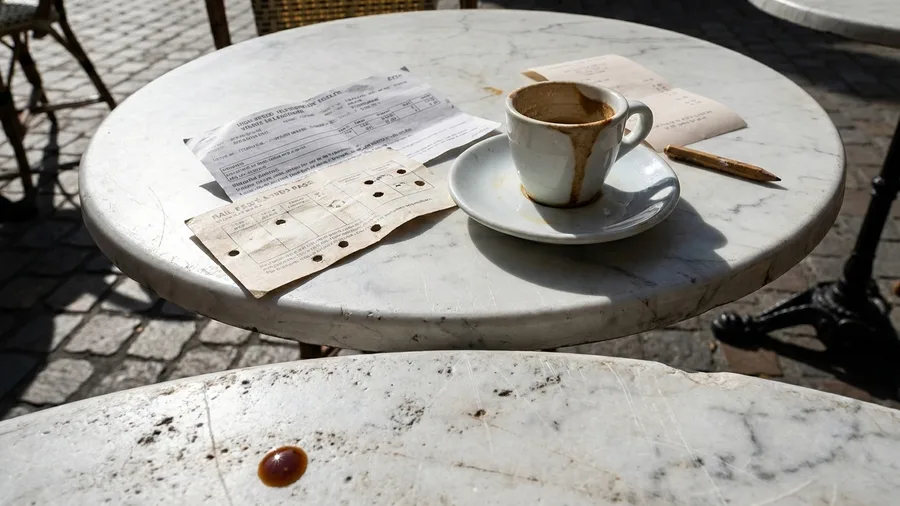
A London-Paris Eurostar seat booked a month or two ahead runs $80 to $160 one way. That is the number to hold beside any pass you are considering, because a pass can still require a seat reservation on that exact train.
Once you have cut the city count, the rail question changes. It stops being which pass covers everything and becomes which specific segments are cheaper bought point-to-point. Sit down with your actual route and price each leg on the operator's own site, then add any reservation the pass demands on top of the pass price. The math moves with flexible fares, reservation fees and short trips, so a pass that wins on a long multi-country route with big train days can lose badly on a two-city trip.
The practical layer is where people go wrong. Official rail operators and the pass site itself carry the current reservation fees, and a blog's verdict from three years ago is not a fare quote. Check both before you buy anything.
A pass suits flexible trips across several countries with long days in the saddle. It does not suit London-Paris or Paris-Amsterdam as a two-city plan, where two point-to-point tickets usually come in under the pass plus its reservations.
So do the arithmetic once, on paper, with today's numbers. It takes twenty minutes and it is the difference between a pass that earns its price and one that quietly costs you $100 you never see on the receipt.
💡 Tip: Book long train segments 4–8 weeks ahead. The price difference on a Eurostar or Thalys is real, not a marketing line.
⚠️ COMMON MISTAKE
Old entry advice can strand you
Visa, ETIAS and passport-validity rules depend on your nationality and change without warning. The only current source is the official EU and UK government site, not a 2019 blog post. Check before you book flights and again 72 hours before departure, because London plus Paris or Rome crosses two entry systems and one country's rules do not cover the trip.
4. Trusting Old Entry Advice Can Strand You
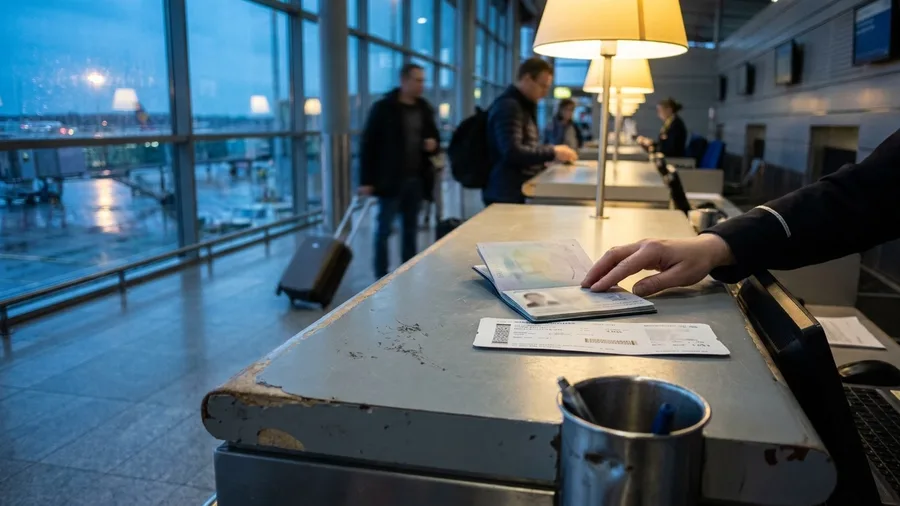
The fluorescent light over the check-in desk is the last place you want to learn that a 2019 blog post about visas is out of date. Immigration rules for US passport holders are not a fixed thing – the passport-validity window, the ETIAS registration and the visa exemption all depend on nationality, and they can shift between the time you book and the time you fly.
Paris and Rome sit inside the Schengen area, the UK sits outside it, so a trip that touches London and then one of the other two crosses two separate entry systems. One country's rules will not cover the whole itinerary. Look up the current requirement on the EU and UK government sites before you lock in flights, then again 72 hours before departure. Keep the confirmations on your phone, because the airline desk can ask for proof of entry before it prints a boarding pass.
Pack, Pay and Eat Without Overpaying
Once the route is right, the daily habits decide what the trip costs. Packing light, paying in local currency and eating one street back from the sight are the three small fixes that together save more than any coupon.
None of these are about being cheap. They are about spending the money on the meal, the view or the train upgrade instead of on fees, baggage and a table with a view of the crowd.
5. Packing for Looks Makes Cobblestones Brutal
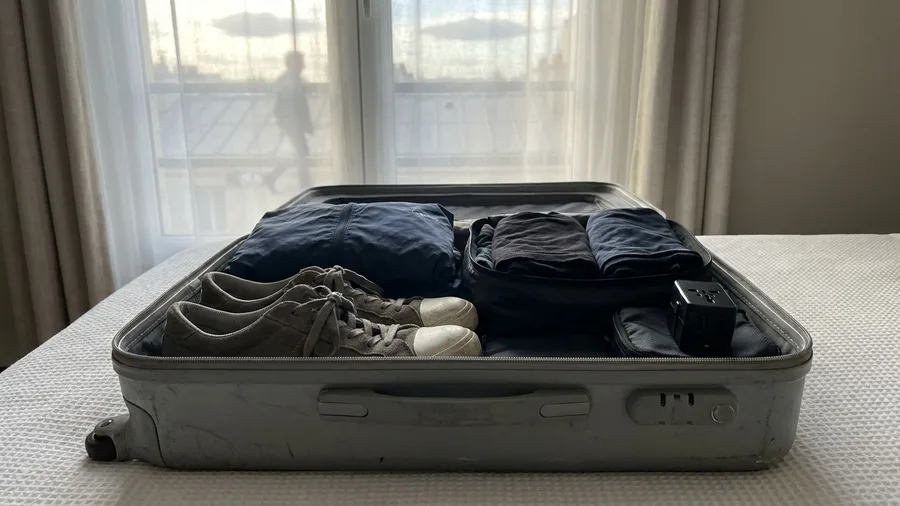
Travel gets through the airport on paperwork; what it carries between stations is what decides whether the trip feels easy. A carry-on at 22 x 14 x 9 inches is the usual limit, packed to roughly 15 pounds, but the cabin rules differ from one European carrier to the next, so check the airline's site before you book the seat.
Broken-in walking shoes, one rain layer and a universal adapter cover the cobblestones, the station stairs and the grey afternoons. Slip the formal shoes out unless the itinerary needs them. Figure on 6 to 8 miles of walking on a moving day, and one laundry run mid-trip so the bag stays small. A beach resort with a car waiting at the door is a different kind of trip; this bag matters most when you are hauling it over train platforms and old-city stone.
💡 Tip: Pack the shoes first, then build the wardrobe around walking in them. Anything that cannot walk a mile does not go in.
6. Assuming Every Card Works Leaves You Stuck
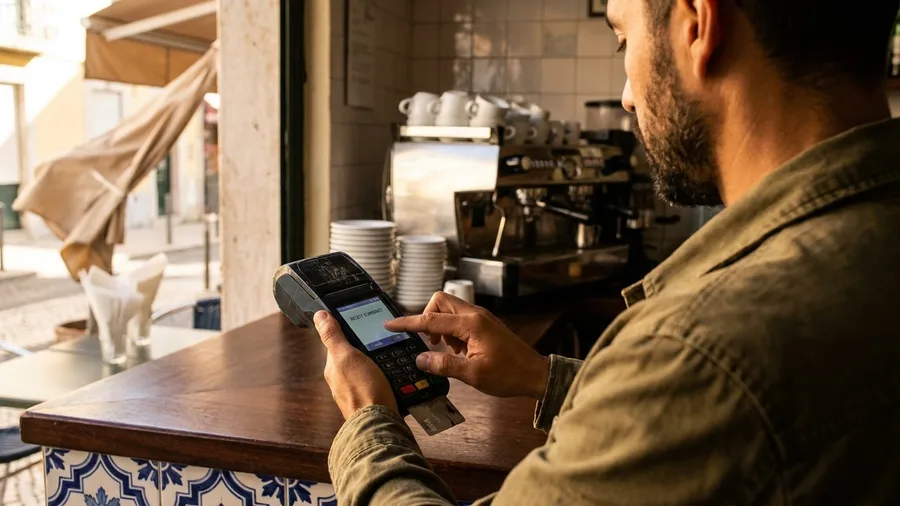
Do not leave the house assuming every card in your wallet will work the same in Lisbon, Rome or a rural French market. Carry a card that does not charge a foreign transaction fee – it saves about 3 percent on every purchase – plus €50 – €100 in cash in small notes for the café that takes no plastic, the market stall and the transit machine that eats bills and returns nothing.
The early part of the trip is when the difference shows. On your first evening, the restaurant terminal offers to charge you in dollars; press the euro button, because choosing dollars runs a hidden markup at the point of sale that eats the savings from a no-fee card in a single meal.
Carry a second card on a different network, and look up your bank's ATM fees before you leave. Debit-card rules and surcharges vary by institution and by country, and a card that works at home does not always work at a foreign cash machine.
The no-fee card is not a cash substitute. Networks drop out at the wrong moment, and some kiosks run card-only, so the cash backup covers both the outage and the gap.
The right hour is the one before you pay anything, not the moment the register flashes an error.
Cash and Card: What Works Where
Card is fine
- Hotels, chain restaurants and big museums
- Train tickets bought at the machine or online
- Supermarket and pharmacy purchases
- Contactless transit entry in most large cities
Carry cash
- Small cafés and market stalls
- Transit ticket machines in older stations
- Rural restaurants and family-run shops
- Anywhere card-only fails and you have no backup
7. Tipping Like an American Double-Pays
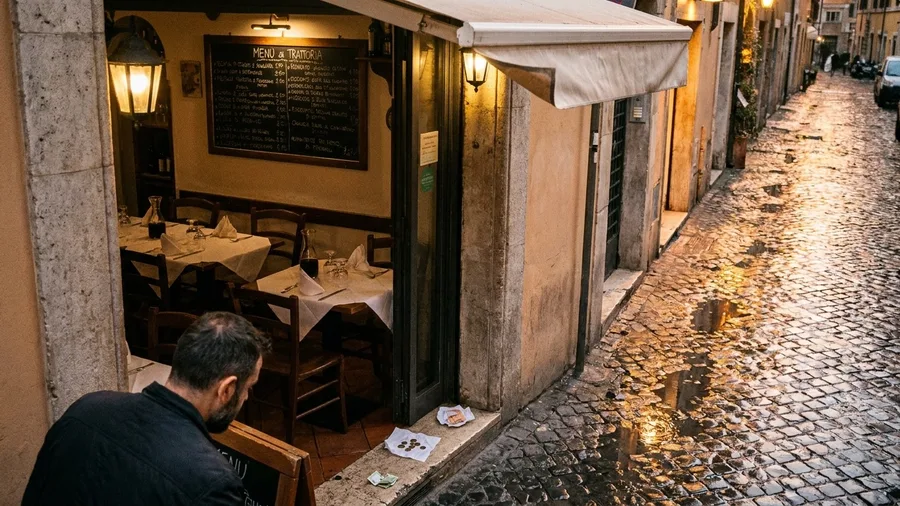
The service charge printed on the menu is already the tip, and adding 20% on top of it is the most common way an American card-friendly trip quietly double-pays. Look at the bottom of the menu before you order. A listed service charge is often 10-15%, and that line covers the service, so your only job is to pay the bill. Where no charge is listed, round up the small bills at a café or add 5-10% at a sit-down restaurant, and no more. The wide American percentage does not transplant cleanly, and the locals are not tipping 20% at the bar next door.
💡 Tip: In Italy, 'coperto' is a cover charge, not a tip. It goes on the bill either way, so do not double it.
8. Eating at the Front Door Costs More
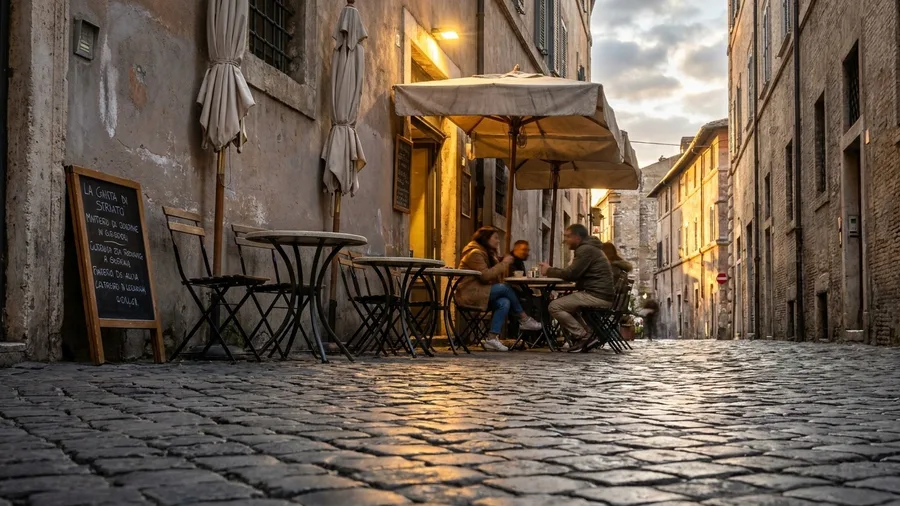
A table on the square costs you twice over: $15-$22 for a plain lunch, plus the $20-$30 museum ticket you queued for an hour to get, and two of each before dinner quietly outruns the whole day's food budget. Walk five minutes off that square, or one street behind the museum, and the same plate and the same glass of wine land cheaper, with locals at the counter instead of cameras.
You will spot the difference on the menu before you sit. A board in one language, a short list of dishes, a fixed-price lunch scrawled on a chalkboard – those are the signals that the kitchen is cooking for its neighbors and not staging a photo of itself. Five languages and photographs of every plate is the tell. Not a rule for all of Europe, just a better filter than the leather-bound folder.
This is about sitting down, not skipping the sight. Walk back from the museum and it should be a place you linger an hour over the plate and the second coffee nobody brings until you ask – the slow one where the trip settles. That gelato stand by the entrance is fine to spend on; the move is to do it standing up and save your full meals for one street back.
💡 PRO TIP
The lunch menu is the trip's best-value meal
A two- or three-course lunch prix fixe at a proper restaurant often costs less than an à la carte dinner at the same place, and it is the same kitchen. Book the lunch, walk in the afternoon, eat light at night.
On the Ground: Tickets, Hours and Jets
The last four mistakes are all about timing, and they are the ones that turn a good plan into an exhausting one. Book the timed entries early, respect the local week, and leave the rental car for the countryside.
Arrival day is the one most people waste. Sleep is the variable, and the plan should account for it instead of fighting it.
9. Skipping Timed Tickets Can Shut You Out
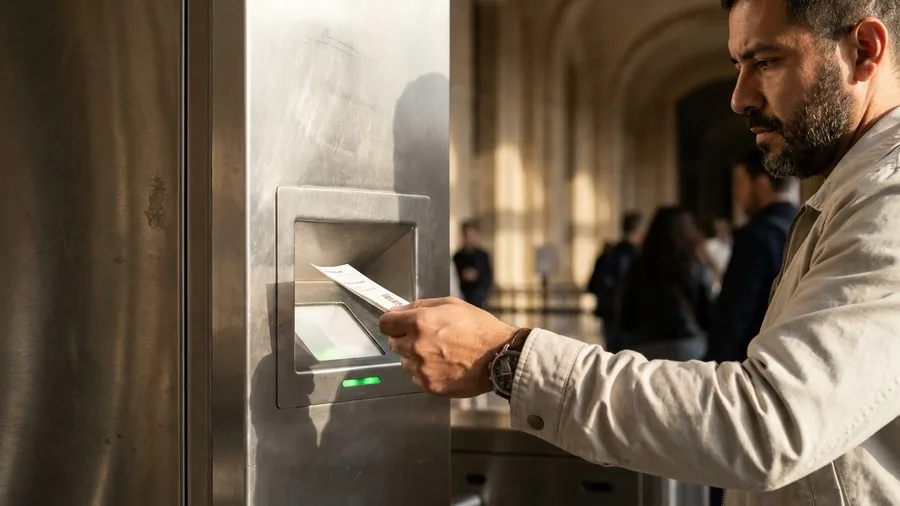
A timed-entry slot at the Louvre, the Vatican Museums or the Anne Frank House can be gone weeks before your trip, and the door does not care that you flew across an ocean to be there. These are the sights where a $20-$30 ticket is not the hard part; the hard part is the hour printed on it. Book on the official site rather than a resale page, and check the opening days and last entry before you build anything around the visit.
The reason a single slot reshapes the day is that it sets everything downstream: the meal before or after, the transit to get there, the walking route that ends at the door. Build the day around one timed sight, not three. Two back-to-back reservations turn a city into a relay race between entrances, and the thing you came to see becomes a queue you paid to stand in.
Not every sight needs a reservation. Off-season and smaller museums often take walk-ups, so check official hours per place rather than assuming the whole trip needs booking. The rule is one timed anchor a day, booked early, with the rest of the day left loose around it.
💡 Tip: Book the first slot of the day for the biggest museum. You get the rooms before the tour groups arrive, and the photos match the postcards.
🗓️ When to Book What, Before You Go
8–12 weeks out
Book flights and long train segments like Eurostar or Paris–Amsterdam, when the cheap fares are still on sale.
6–8 weeks out
Check official entry rules and passport validity, then book your two base hotels in the city centre.
4–6 weeks out
Book timed entries for the major museums and the one sight that genuinely sells out.
1 week out
Download each city's transit app, load a card, and confirm opening days for the small sights you want.
72 hours out
Recheck entry rules and passport validity one last time. Carry printed confirmations with the passport.
10. Forgetting Sunday Closures Wastes a Day
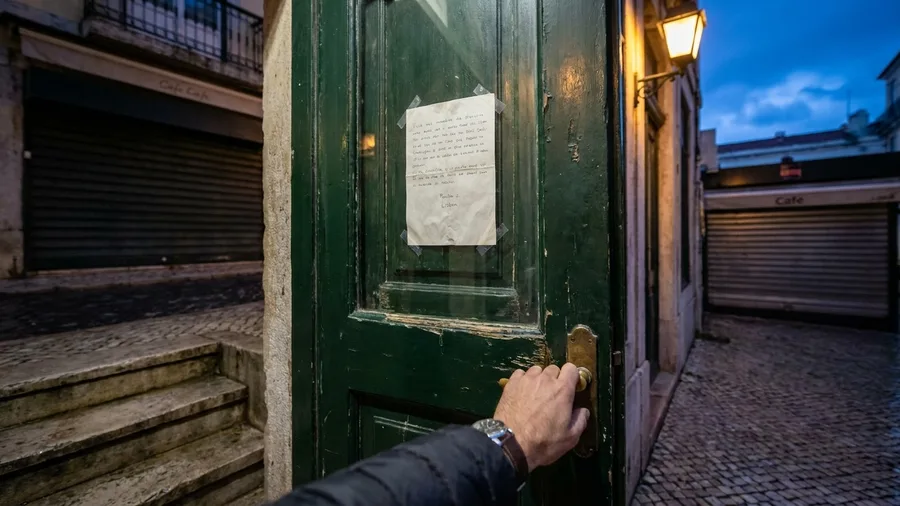
You find the door shut, a sign in the window and a printed timetable you cannot read. Sunday hours are the trap, and so is the midday pause between roughly 12:00 and 15:00, when small museums, shops and restaurants lock up for a couple of hours the way an American city itinerary never assumes.
In the 8-night plan, put a single indoor sight on the Sunday and keep a backup you can walk to if the first one is closed. Check official hours for each small museum or shop the week before, because the rule is per place, not blanket: big-city sights and chain stores tend to keep longer hours, small-town shops do not. A big-city-only trip barely notices this; the further out you go, the more the timetable matters.
Car Rental vs Trains — At a Glance
🚗 Compact rental
$45–$75/day
🅿️ City parking
$30–$50/day
⚙️ Transmission
Manual is standard
🚄 London–Paris train
2h15
✈️ City centre to airport
30–60 min by train
Verdict
A car suits countryside and small-town routes after you leave the city. It does not suit a three-city first trip.
11. Renting a Car for Cities Adds Cost
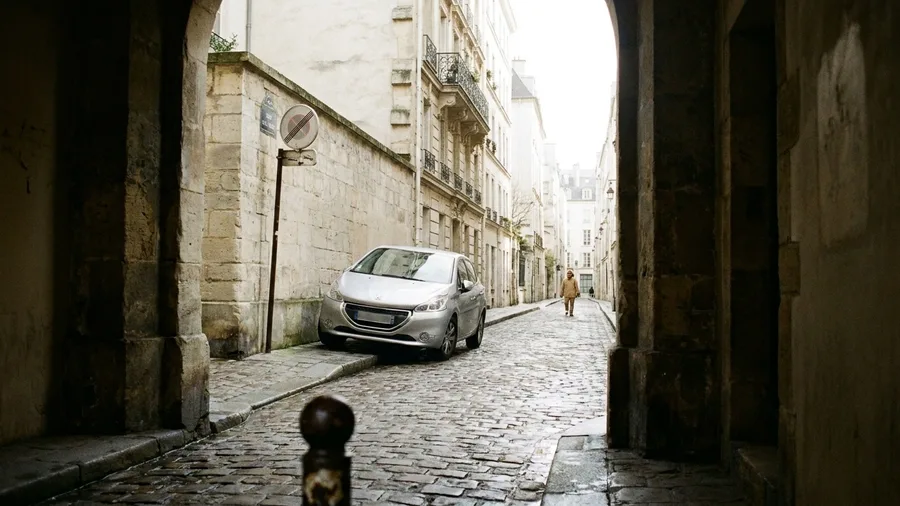
For a first trip built on London, Paris and Rome, do not rent a car. It solves a problem you do not have and creates three you do: parking, restricted zones and a manual gearbox.
A compact runs $45-$75 a day before you park it, and city parking adds $30-$50 a day on top. Manual transmission is standard unless you book automatic in advance and pay for it, and city centers carry driving restrictions that change by street and by hour. Check the official local signs or ask the rental company, not a blog from five years ago, because a camera fine can arrive months after you get home.
The car earns its money in the countryside and small towns, on the leg after you have left the city and the train stops helping. Between London, Paris and Rome, the 2h15 Eurostar and the 30-60 minute airport train beat parking and zones every time. A family with small kids and countryside plans is the case where it works; a family doing three capitals is the case where it does not.
💡 Tip: If you do rent, pick up at the airport on your way out of the city, not downtown on day one. It saves a day of parking and a night of stress.
12. Scheduling a Museum Marathon on Arrival Day Backfires
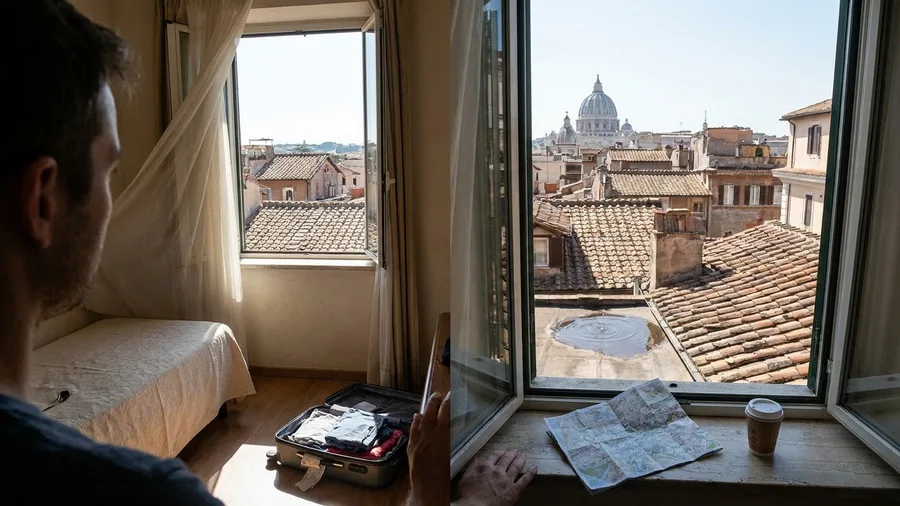
Even a clean transport plan runs into a body that still thinks it is midnight back home. Landing in London, Paris or Rome is the moment the trip's cheapest line item, a slow first afternoon, can save you a $20 to $30 timed ticket you would otherwise sleep through.
Your internal clock is still set to the east coast, running six hours behind, or nine if you flew out of the west. Add the three hours you spend at the airport before a transatlantic departure and the 30 to 60 minutes on the train into the center, and a morning landing is already mid-afternoon by the time you check in.
The number worth knowing: transatlantic departures want you at the airport three hours ahead, intra-Europe hops about two. That buffer is not lost time so much as the first bite of the first day, and it is why an arrival afternoon looks wider on paper than it feels in a hotel lobby.
So the first day gets the cheapest possible program. A walk through the neighborhood, a casual lunch or dinner at $15 to $22, and an early night, with the one timed museum held back for the next morning. If you land hungry, a bowl of ribollita in Rome or a croque monsieur in Paris costs less than $20 and does more for the evening than any queue.
Where to Base Yourself for Eight Nights
Two areas do most of the work on a first trip: one central big-city base for the famous sights, and one smaller city a short train ride away for the slower half. The mistake is spreading eight nights across five hotel changes and calling it a route.
In London, Bloomsbury or South Bank puts you walkable to the British Museum and the river, and you pay for it at $180-$240 a night for a central double. In Paris, the Marais or the Left Bank around Saint-Germain gives you the same trade-off: higher price, shorter walks, no commute. That nightly rate is the cost of not losing an hour each way to a suburban train every morning.
For the second base, a smaller city such as Edinburgh or Porto drops the room rate to $120-$170 a night and shrinks the daily transit to a fifteen-minute walk. You give up some big-name sights. On a first trip, that is often the point: fewer queues, more afternoon, and evenings that belong to you instead of a station platform.
Pick the base by what you want from the evenings, not from the map. If you want restaurants and a late walk, stay central and pay the rate. If you want quiet and a lower bill, take the smaller city and use the train for the day trips – one base, two or three short hops, and the transfer cost stays in the budget instead of eating it.
Neither choice fails if it holds for all eight nights.
The First-Timer's Europe Glossary
Rules and fees change. Confirm current terms on the official operator or government site before you book.
Frequently Asked Questions
Is a Eurail pass cheaper than buying train tickets?
Sometimes, but not on a two-city trip. Fast trains like the London–Paris Eurostar carry a compulsory seat reservation even with a pass, and a booked-ahead ticket at $80–$160 often beats the pass plus fees. Price your actual segments before you buy.
How many cities should I book for eight nights?
Two bases, three at the absolute most. Each move costs about half a day in packing, transfers and check-in, so five hotel changes in eight nights spends two and a half days holding a suitcase. Add a third city only if one leg is under three hours by train.
Do I need a visa or ETIAS for Europe?
It depends on your nationality, and the rules change. Check the official EU and UK government sites before booking flights and again 72 hours before departure. London plus Paris or Rome crosses two entry systems, so one country's rules do not cover the whole trip.
How much cash should I carry?
€50–€100 in small notes, alongside a no-foreign-transaction-fee card. That covers small cafés, market stalls and transit machines, and it is your backup when a card is declined or a terminal goes down.
Do I need to book attractions in advance?
Yes for the major timed-entry sights such as the Louvre, the Vatican Museums and the Anne Frank House, which sell out on peak days. Book on the official site, and build each day around one timed entry rather than three.
Is it worth renting a car?
Not for a three-city first trip. A compact runs $45–$75 a day plus $30–$50 for city parking, and restricted zones are enforced by camera. Rent one after you leave the city for the countryside or small-town leg.
What should I do on arrival day?
A walk, a casual meal and an early night. The time shift is six hours from the east coast and nine from the west, and the airport buffer eats half the day. Keep the timed museum for day two.
One Region and Two Bases Beats Twelve Famous Cities
Before you book the flights, choose one region and two bases for eight nights, then put your nationality and your actual train segments through the official entry and rail sources. That is the first move, and it decides the price of every one after it.
The rest is a set of small corrections that follow: fewer cities, exact rail math, a 15-pound carry-on, a no-fee card plus €50 to €100 in cash, tips read off the menu, food one street back from the square, one timed sight a day, closures checked, no car in a capital, an easy arrival day. None of them rescues a route that is wrong.
Eight nights and $1,300 to $1,800 are too much to spend in station transfers and queueing. A first Europe trip is not a checklist of famous cities. It is one region and two bases, with the rest handled as corrections. Choose the region today, then book the flight.
Before you book, write down two bases
Open a note and type your region, your two base cities and the one train leg between them. Then check the official entry rules for your passport. That is the whole plan for a first trip, done before the booking page.