The mistake is treating a month abroad as a longer version of a ten-day trip. You land with the seven-city spreadsheet still open: three trains a week, a bag you unpack twice, every morning carrying a departure time. Four weeks in one apartment costs less than four short lets, because the price is set by the nights, not the city. Most hosts drop to the monthly rate at 28 or more nights, utilities land $80 to $150 on top, and a 30-day transit pass runs $28 to $85 against $18 to $35 for a single week of unlimited rides.
One furnished one-bedroom, four weeks, booked direct, shoulder season, no car. That is the whole setup, and every city on this list answers a different reason to hesitate: rent, size, a beach, winter light, day trips, an evening crowd. By the end you will have a city, a base neighborhood, a monthly rent figure and a day trip already fixed, which is enough to reserve the same week.
You do not have to read all eleven. Skim the first three, check the rents, and take the one that fits your budget and your legs.
Quick Tips Before You Start
Book 28+ nights
Most hosts drop to the monthly rate at 28 nights. Book direct to avoid platform fees.
Budget utilities on top
Rent usually excludes bills. Add $80–$150 a month for electricity and heating.
Buy a 30-day pass
City passes run $28–$85 and cover trams, buses and the occasional suburban line.
Eat one market lunch a day
A $9 market plate beats a restaurant lunch and forces you into the life of the place.
Base market-adjacent
Pick a neighborhood 10–20 minutes on foot from the core, not on top of it.
1. Lisbon: Hills, Trams, and Miradouros
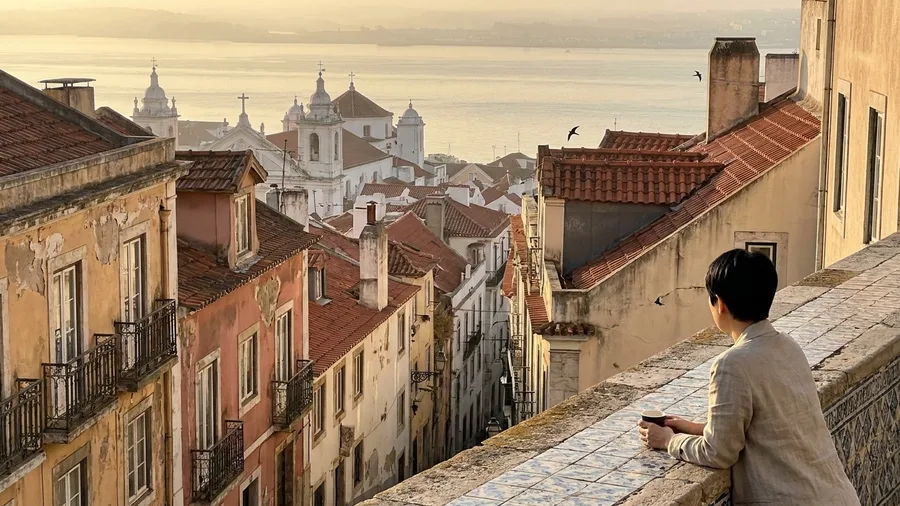
The trap in Lisbon is the tram. Line 28 is a beautiful machine and everyone on your ship knows it; by mid-morning the stop at Martim Moniz is a knot of people who all read the same article. Plan around it and the city opens up the way the photograph lied about.
Lisbon has jackdaws and a sky full of swifts, and from a miradouro on the right evening the odds are decent. In Graça the walls are plastered with posters and the floor smells of grilled sardines from a kiosk; you look out over an entire terracotta roofscape and the swallows come back to nest in the eaves above you. The odds of a raptor are low, the odds of gulls following the tram are certain – what you will reliably see is thousands of starlings, a pale-eyed city going gold at eight, and the river widening into a plate of light.
💡 Tip: Walk Alfama before 9am and after 7pm. The tram 28 queue and the cruise-ship crowds are a scheduling problem, not a reason to skip the neighborhood.
How hard the hills hit, by neighborhood
Where you book decides how much climbing an ordinary Tuesday involves
- Príncipe Real to Baixa: Mostly level with one steep descent, easily walked twice a day.
- Graça to the river: A steady climb home, softened by two miradouros on the way.
- Alfama lanes: Stairs and cobbles in every direction, and the cruise crowds to match.
- Bairro Alto to Chiado: Short, brutal gradients. Fine for a night out, tiring for a month.
2. Bologna: Porticoes, Markets, and Student Energy
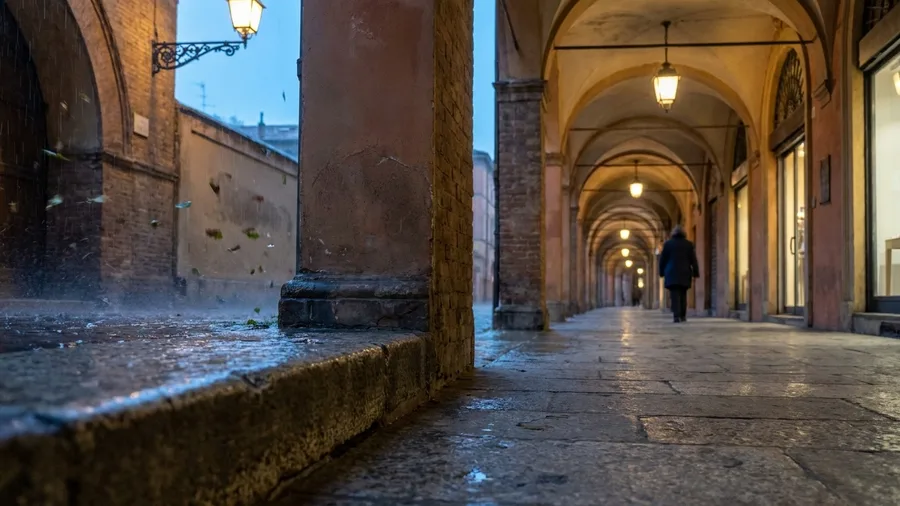
The porticoes of Bologna are the free day. Their arcades run in long, cool tunnels of shade for mile after mile, and under the biggest of all the air smells of wet stone and coffee and a little of fried dough; when it rains, and it will, you stand under them and watch the street dissolve without ever getting wet. The walk to San Luca climbs 3.5 miles of covered colonnade up a hill, all arches and brickwork, and it costs nothing.
| City | Furnished one-bedroom, per month | 30-day transit pass | Best months | Base neighborhood |
|---|---|---|---|---|
| Lisbon | $1,500 | $45 | Apr–Jun, Sep–Oct | Graça or Príncipe Real |
| Bologna | $1,350 | $40 | May–Jun, Sep–Oct | Bolognina or Santo Stefano |
| Ljubljana | $1,100 | $28 | Apr–Jun, Sep–Oct | Trnovo or old center |
| Valencia | $1,250 | $40 | Apr–Jun, Sep–Oct | Ruzafa |
| Thessaloniki | $850 | $35 | May–Jun, Sep–Oct | Ano Poli or Ladadika |
| Tallinn | $950 | $30 | Jun, Sep | Kalamaja |
| Montpellier | $1,150 | $40 | Apr–Jun, Sep–Oct | Beaux-Arts or Figuerolles |
| Utrecht | $1,700 | $85 | Apr–Jun, Sep | Lombok or Wittevrouwen |
| Ghent | $1,400 | $45 | May–Jun, Sep | Patershol or Sint-Amandsberg |
| Kraków | $900 | $30 | Jun, Sep | Kazimierz |
| Leipzig | $1,000 | $75 | May–Jun, Sep | Plagwitz or Südvorstadt |
3. Ljubljana: Compact, Green, and Easy to Walk

The castle on the hill gives you the shot. Climb to Ljubljana Castle early in the morning, before the funicular fills, and stand on the terrace above the river with the old town spread below in terracotta and green; below you the Ljubljanica bends past the Triple Bridge, and on a clear morning the light is thin and blue and the whole basin is quiet. That is the picture you will put on the wall.
💡 Tip: Ljubljana is the best test case on this list. If four weeks here sounds too quiet, move to Bologna or Utrecht before you book.
💡 PRO TIP
The 28-night rule
Almost every host on this list drops to the monthly rate at 28 nights. Book direct where you can, ask for the monthly price in writing, and screenshot the agreement.
4. Valencia: Beach, Market, and the Turia Gardens
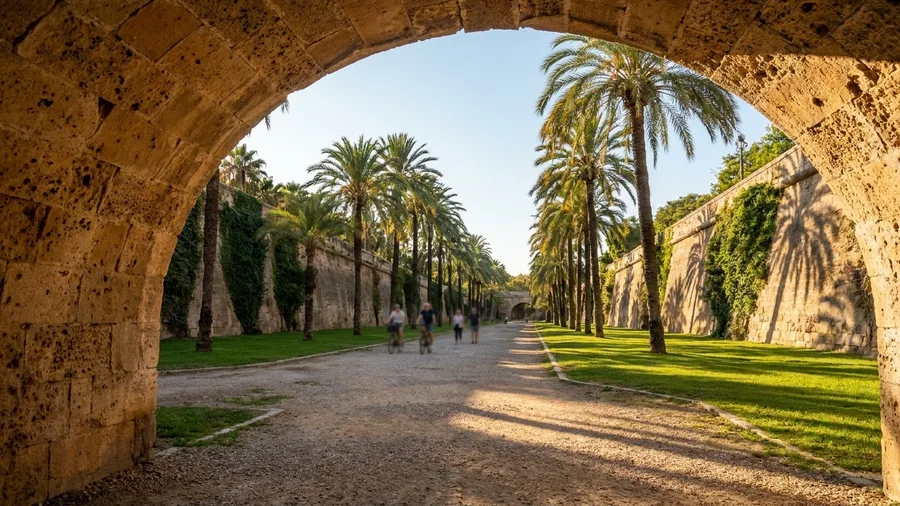
Ljubljana asks nothing of your budget or your legs; Valencia asks forty dollars a month and answers the one thing a small, flat city cannot – a beach reachable without a rental car. Ruzafa, furnished, at $1,250 a month, market-adjacent, 15 minutes on foot from the core. The $40 transit pass covers the city lines and the beach lines both, so the sea is a pass ride rather than a car rental, and the pass is what decides the whole map.
The day builds itself: Mercat Central for the week's shopping, a $9 lunch from the stalls, then the Turia gardens – five miles of path laid in the drained riverbed, green in both directions where the water used to run – taken in sections across the month rather than in one heroic circuit. The food stop that pays for the rent is the market lunch: a plate and a glass for under ten dollars, eaten standing, the same move that funds the daily food figure. The catch is August, when the heat and the closures empty the city; April to June and September to October are the months the loop actually works.
5. Thessaloniki: Seaside Tavernas and Byzantine Streets
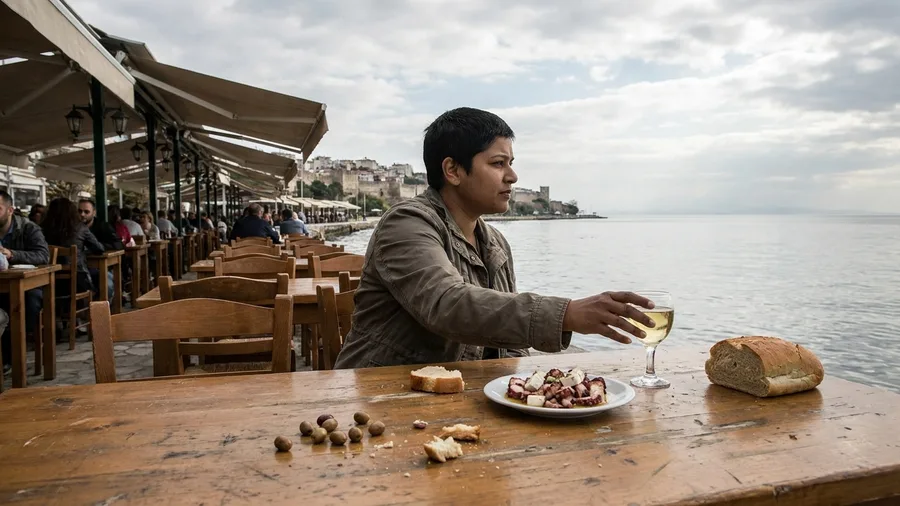
Eight hundred and fifty dollars covers four weeks in a furnished one-bedroom here, the cheapest month on this list, with utilities of $80 to $150 landing on top of that figure. Take a flat up in Ano Poli, where the lanes climb past Byzantine walls and the courtyards go quiet after dark, or settle down in Ladadika among the restored warehouses near the port, where the evening tables stay full until late. Neither is a compromise: pick Ano Poli for the view and the climb, Ladadika for the noise and the walk home.
The $35 transit pass is almost decoration, because the waterfront walk between dinner and bed costs nothing and most days you will take the long way on purpose. Breakfast is a $3 bougatsa, the custard pastry pulled warm from the tray, eaten standing at the counter before the market opens. Shop Modiano and Kapani for olives, cheese and the week's vegetables, and understand that eating out here is a habit rather than an occasion — a taverna dinner is a Tuesday, not an event. Vergina sits an hour away by bus, the royal tombs under their grass mound, and the half-day there costs less than dinner for two.
Thessaloniki month — at a glance
🏠 All-in month
$930–$1,000
📆 Rent trigger
Book 28+ nights
🛒 Food budget
$300–$400 groceries
🚌 Vergina return
$5–$25
☀️ Best months
Apr–Jun, Sep–Oct
Bottom line
A month here runs about $930–$1,000 all in, but August shuts the tavernas. Book the shoulder months instead.
6. Tallinn: Old Town and Kalamaja's Cafe Culture
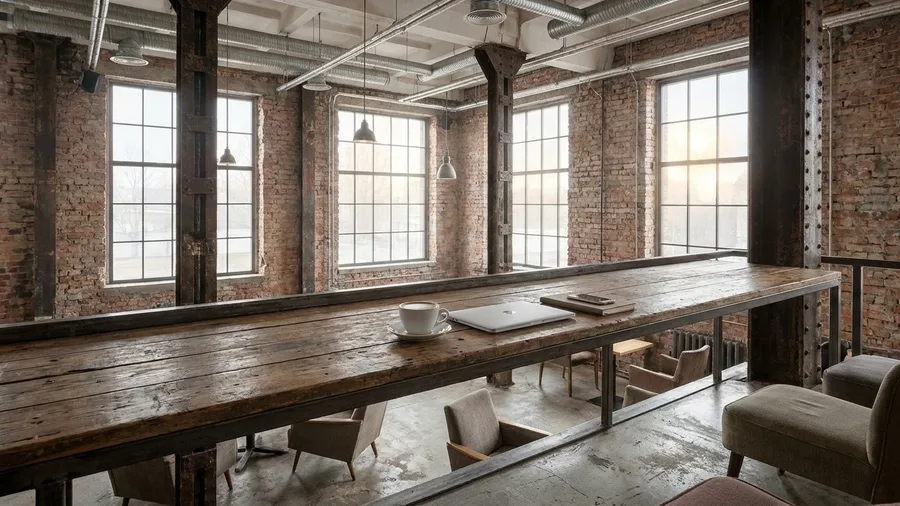
Not here, because the everyday life of Tallinn happens a 20-minute walk northeast of the medieval walls, in Kalamaja, where a furnished flat runs about $950 a month. The converted factories at Telliskivi hold the cafes and the coworking desks, and that is where the working day actually takes place — laptop open, coffee on the table, a table of Estonians doing the same thing beside you.
Here is the story that explains the place. The old town you see was built by merchants who walled their wealth in and went home through gates that locked at night, and the suburbs outside were where the people who did the work lived. Kalamaja was a fishing and railway quarter then, wooden houses for dockers, and under the Soviet years it was left to rot while the centre stayed a stage set. The Estonians who moved back in the 2000s found cheap wooden houses, put the cafes into the old factories, and made the quarter the place they actually live — which is why the postcard core now belongs to the visitors and the evenings belong here.
The $30 transit pass exists, but most days you will not use it, because the commute into the old town is 20 minutes on foot and the walk takes you past the Baltic Station. Shop at Balti Jaam market for groceries — the same building the trains come into, stalls of bread, smoked fish and berries on the upper floor — and treat the medieval core as the after-work stroll, not a sightseeing project to be finished. By the second week the streets stop being a monument and start being the route between your flat and dinner.
For a weekend off, the ferry to Helsinki crosses in a couple of hours and makes a capital-city day without the capital-city rent, and when the city itself feels too big, the coast walk at Keila-Joa gives you a river, a waterfall and an hour of trees. The caution is light: December here gives you roughly six hours of daylight, and four weeks of dark afternoons is a real cost of the low rent. Aim for June or September, when the terraces hold and the evenings stay bright long enough to eat outside.
7. Montpellier: Mediterranean Sun Without the Crowds
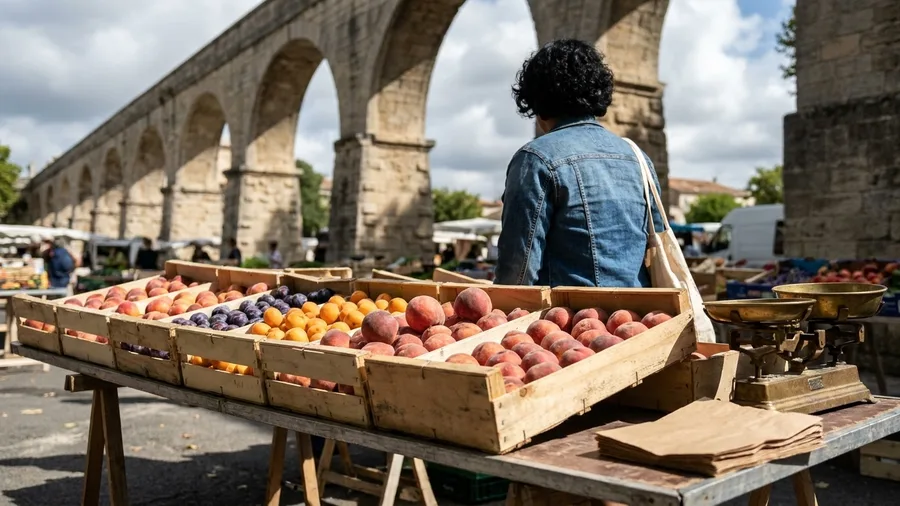
Montpellier is a Mediterranean city where you do the living, not the touring. The year-round student population means the bakery on the corner and the cafe you claim as your own stay open in February, when the Riviera towns a hundred kilometres east have shuttered their terraces for the season. You are not buying a sea view here; you are buying October, April and May at a price that does not punish you for choosing them.
The base: Beaux-Arts, close to the old town, or Figuerolles a little further out, a furnished one-bedroom at $1,150 a month direct from the owner, utilities on top. The thirty-day pass costs about $40 and includes the coastal tram that runs you to the city beach, which is a tram ride out rather than the end of your street. That is the honest trade: this is weather first, waterfront second, and you will walk five minutes to the morning coffee rather than fifty metres to the sand.
💡 Tip: If you want a beach at the end of the street, this is not your city. The Mediterranean here is weather first, waterfront second.
Utrecht at $1,700 or Kraków at $900?
Utrecht
- English-friendly services and a calm, walkable center
- Bike infrastructure removes the transit decision
- Amsterdam 30 minutes away for about $12 return
- A used bike at roughly $90 beats the $85 pass
Kraków
- Rent is $800 less per month
- Milk-bar lunch at about $6
- Wieliczka salt mine 30 minutes away for about $5 return
- January cold and poor air on still days
8. Utrecht: Canals, Bikes, and a Calm Center
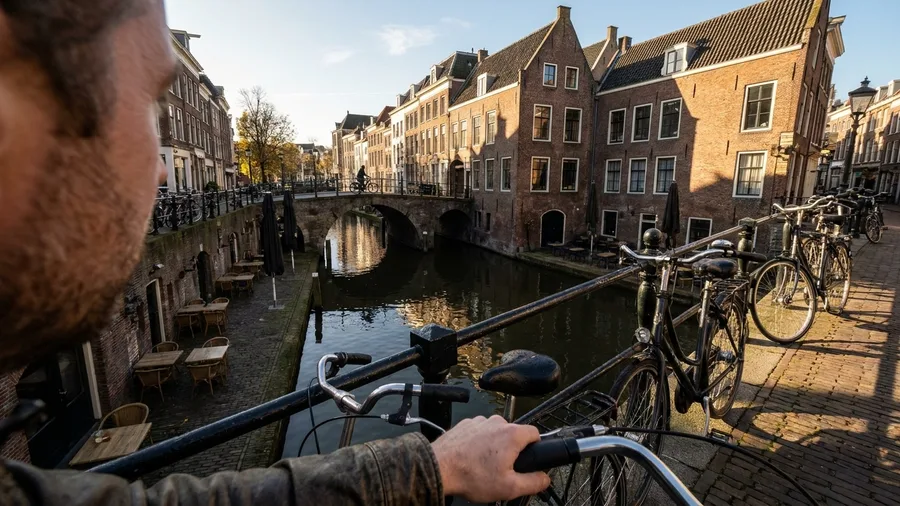
You hear the water before you see it: a low echo off the brick, bicycles ticking past, cups on a table a metre below street level. That is the Oudegracht wharf, and it is where you will spend an hour most afternoons doing nothing at all, which is the point.
A furnished one-bedroom in Lombok or Wittevrouwen runs $1,700 a month: the highest rent on this list. The 30-day transit pass is $85, also the highest, and the cheaper route is a used bike at roughly $90 for the month, which beats the pass on every trip inside the ring. The Saturday market stocks the week, and fifteen minutes of riding gets you anywhere in the center. What the extra money actually buys is fewer decisions: English-friendly services, bike lanes that remove the transit question entirely, and a small-city core bolted onto big-city trains.
On a day off, Amsterdam is 30 minutes and about $12 return, or you ride out to the Utrechtse Heuvelrug forest when trains feel like the city again. If a lower rent buys more month than ease, look elsewhere. If ease is the month, the premium is the product.
9. Ghent: Medieval Core, Student Energy, Short Trains
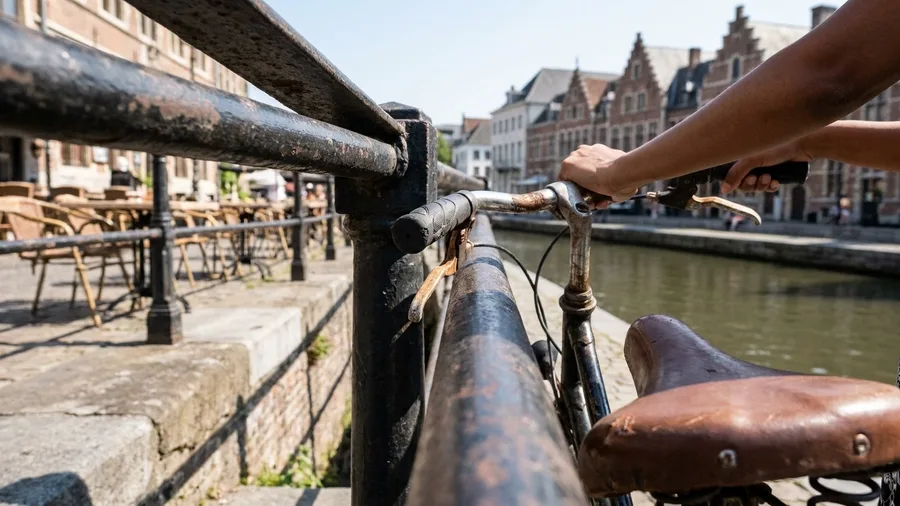
Ghent is a medieval core with a working population in it, and the hour that proves it is 6pm on a Friday. The stalls at Sint-Baafs are being packed away, the Graslei steps fill with students and a beer or two, and the car-free streets change from sightseeing to living in a single shift. That is the life-after-the-sightseeing the weekdays leave open.
A furnished one-bedroom in Patershol or Sint-Amandsberg runs $1,400 a month, and a $45 pass covers the tram and bus. The day-trip menu is the strongest as far as short rides go: Bruges in 25 minutes for about $10 return, Brussels in 35. It suits anyone wanting museums and nightlife in the same month. It does not suit sun-chasers: outside summer, grey, wet weeks are the norm, and the hour that makes the city worth it is one you spend indoors.
💡 Tip: Ghent does not chase sun. Grey, wet weeks are common outside summer, so book May, June or September if you want the canals to look like the photos.
10. Kraków: Milk Bars, Kazimierz, and Low Rent
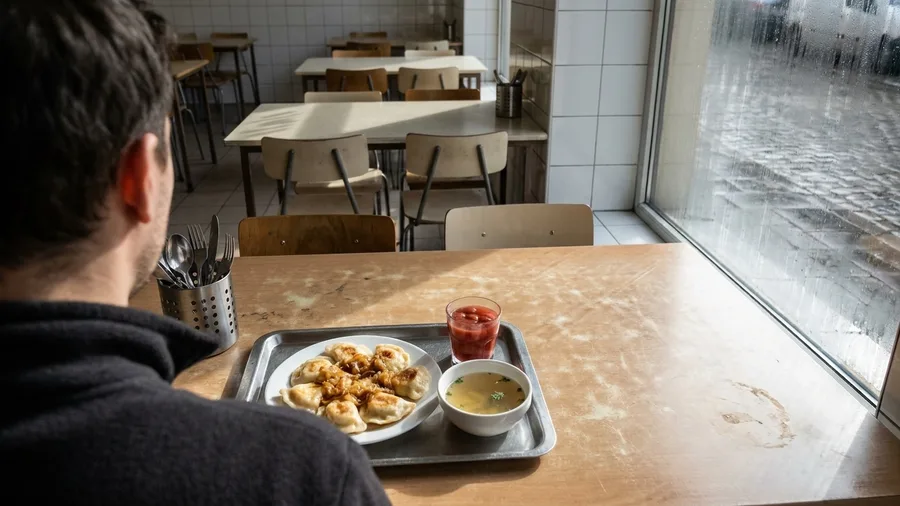
The cheapest month here still buys you a real city, and Kraków is the honest recommendation at $900 for a furnished one-bedroom in Kazimierz, the old Jewish quarter where people live rather than perform. The catch is weather, and it decides when you go: not January. On still winter days the coal smoke sits in the valley and the air turns thick and yellow, and a month of that is not the cheap month you imagined.
The $30 transit pass is almost beside the point, because the Planty – the ring of parkland circling the old town where the medieval walls used to stand – replaces both the gym and the commute. Walk it in the morning, cut through for errands, walk it again after dinner. Milk bars, the state canteens that survived the transition practically unchanged, serve a lunch of soup and a plate at around $6, and that single habit is the biggest lever on the $22-$38 a day food figure that rules your whole month.
For a day out, Wieliczka salt mine is 30 minutes and about $5 return, the carvings and chambers underground a half-day that barely touches the budget. Auschwitz is the other half-day, and it is not a spontaneous one: you book it in advance, you give it the whole morning, and you plan nothing else for the afternoon. June and September are the months that hold – long light, cafes spilling onto the pavement, a city that is cheap and warm at once.
11. Leipzig: Green Lanes, Orchestras, Cheap Rents
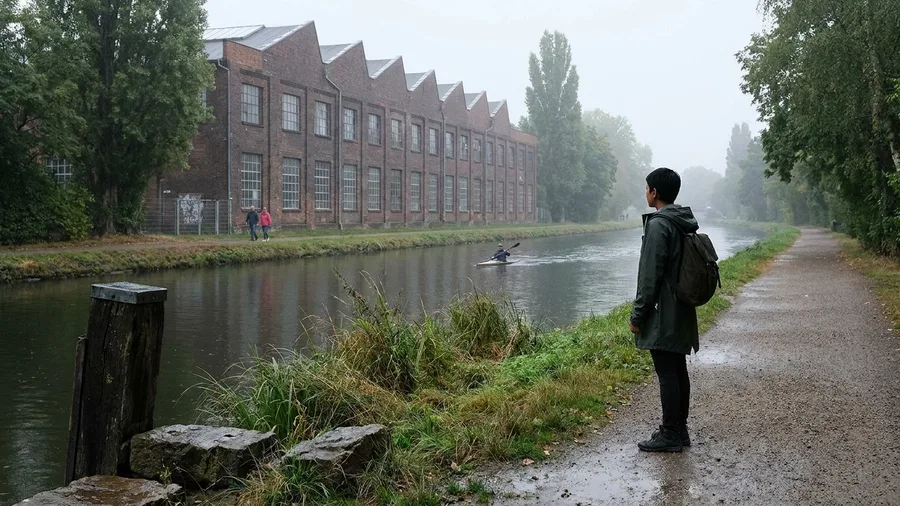
Cheaper than you think, and quieter than you expect. A furnished one-bedroom in Plagwitz or Südvorstadt runs around $1,000 a month booked direct at the 28-night rate, utilities extra, which puts a real German city within $100 of the Polish rents you have been weighing and $700 under the Utrecht figure.
The neighborhoods are why it works: Plagwitz is canals and converted brick lofts, Südvorstadt is leafy streets behind the Karli, and a green ring of parkland circles the whole city inside a bike ride. The 30-day transit pass is about $75, the steepest on this list, and most people stop using it by week two because a used bike covers the ring faster and the lake paths north of the city start where the pavement ends. An ordinary Tuesday is a coffee on Karl-Liebknecht-Straße, a kayak down the Karl-Heine-Kanal in the afternoon, and the St Thomas choristers on a Friday, music and clubs on small-city rent, so a tram to Dresden an hour and fifteen minutes away for roughly $25 return, or the Leipziger Neuseenland lakes by bike, is a want rather than a need. The catch is ambition: this is a slower city that will not schedule your evenings for you, and readers who need a crowd outside the door should skip it.
💡 Tip: Leipzig asks you to make your own evening. If you need a city to hand you a plan every night, pick Ghent or Utrecht instead.
Frequently Asked Questions
Is four weeks in one city cheaper than a multi-city trip?
Usually yes. A furnished one-bedroom at the monthly rate runs $850–$1,700, and most hosts drop the price at 28+ nights. Four short lets in the same period cost more and add travel days you cannot get back.
Do I need to speak the language?
No, but learn the market and cafe words. Utrecht and Tallinn are the easiest for English; Thessaloniki and Kraków reward a few phrases. Rentals booked direct often go through English anyway.
What is the best month for a slow stay?
April–June and September–October work for most of this list. August closes shops in Bologna, Valencia and Thessaloniki; Tallinn and Kraków peak in June and September. Pick the season before the city.
How much should I budget per day on top of rent?
Plan $22–$38 a day on food, plus $80–$150 a month in utilities. A 30-day transit pass is $28–$85. Day trips by train or bus run $5–$25 return, so a month with four day trips adds under $100.
Can I do this without a car?
Yes on this list. Every city here has a walkable core and a transit pass; Ljubljana and Utrecht are the easiest without one. Day trips are by train or bus. A car is a liability in all eleven.
How far ahead should I book?
Book two to three months out for shoulder season, earlier for June and September. Ask for the 28+ night rate in writing, and check entry rules on the official Schengen short-stay calculator before you book flights.
Rent the month, then pick the city by your constraint
There is no single winner, only a fit. If the budget is the constraint, Thessaloniki at $850 or Kraków at $900 when a bigger city matters more than the last $50. If winter light is the point, Lisbon, where the mildest days keep the miradouro-and-coffee ritual running in January. Ghent for car-free day trips, Bruges 25 minutes away for about $10 and Brussels in 35. Bologna for food, with the Mercato di Mezzo lunch and the San Luca portico walk setting the day. Utrecht if ease outranks cost.
The seven-city spreadsheet collapses to one line: city, 28 nights, monthly rate. The same four numbers decide it every time, rent, pass, market, day trip.
So before you touch a flight, reserve 28 or more nights so the monthly rate applies, then check entry rules on the official Schengen short-stay calculator. Next year, swap the city and keep the rhythm.
Pick your city tonight, book the month this week
Open the table above, match your budget to a rent line, and reserve 28+ nights at the monthly rate before the shoulder season fills.