Two hundred miles of two-lane road is enough to leave the theme parks behind entirely.
You have already stood in the queues. What you want now is a slower loop of small towns, working docks, roadside springs and oak-shaded roads, and one or two places to build a weekend around rather than a checklist to clear.
The old Florida that survives is not a restored village or a tiki-bar mood. It is where daily work still runs on the water, the square or the road: clam boats off Cedar Key, oyster houses in Apalachicola, shrimp trawlers at Fernandina, sponge boats at Tarpon Springs, mango stands on Pine Island. You stand at the edge of that work and fit your day around it.
So every stop here gets the same test – what working life sets the pace, and where you stand to watch it. That makes eleven places one decision: Forgotten Coast, springs and small towns, or city plus waterfront. Go October to April for lower heat and crowds, and reserve the glass-bottom boat, the mermaid seat or the kayak rental a week or two ahead in peak season.
The weekend worth building is not a preserved attraction. It is a working waterfront, square, spring or back road you can still stand beside – and the right pick depends on the trip you want.
Quick Tips Before You Start
Go October to April
Lower heat and lighter crowds make working docks and spring tours easier to enjoy; in summer start outdoor stops by 8 or 9 a.m.
Carry small bills
State park entry runs $4 to $6 per vehicle and small museums $5 to $12 per adult, so a few fives save time at gates.
Ask before you photograph
Most docks are active workplaces; stay in marked public areas and ask crews before taking pictures.
Book the water early
Reserve glass-bottom boats, mermaid-show seats and kayak rentals one to two weeks ahead in peak season.
Base yourself twice
Two nights in Apalachicola covers the Forgotten Coast; two nights in Cedar Key or Gainesville covers the small towns and springs.
1. Cedar Key's Working Clam Waterfront
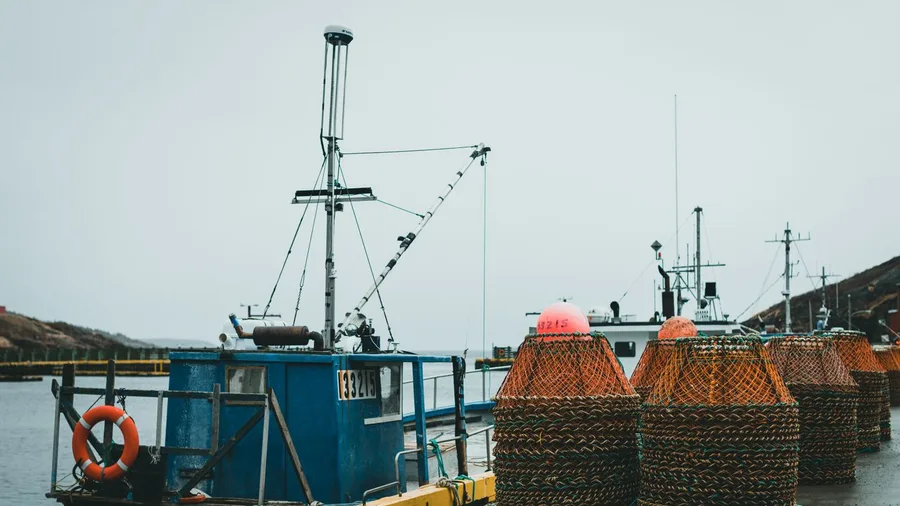
Forget the resort math: a day on Cedar Key costs you a few dollars in museum admission and the price of lunch. The island sits low to the Gulf off Levy County, reached by a two-lane road that crosses the salt marsh, and what runs it is clam and oyster boats tied at the docks, seafood shacks with screen doors, and locals in sunglasses who know your truck by the second visit. No high-rises on the horizon, no valet stand.
Park once and walk. Downtown is a compact grid of low blocks holding shacks, a couple of small local museums and a working waterfront you can stand at the edge of for free; museum admission is typically $5 to $12 per adult. A full day covers it, but an overnight gets you the docks at first light, when the clam boats are actually moving and the town shows you what it does. A weekday is quieter than a weekend, measurably so.
Two nights here, or in Gainesville, works as a base for a small-towns-and-springs trip. The one honest caution: those clam boats are somebody's shift, not scenery. Stay inside marked public areas along the waterfront and ask before you photograph a crew. You will get a better conversation and a better picture, and the working docks stay working.
💡 Tip: Walk the dock edge at low tide when the boats are tied up and the crew is off-loading.
| Place | Region | Old Florida draw | Time to allow | Typical cost |
|---|---|---|---|---|
| Cedar Key | Nature Coast | Working clam and oyster boats | Full day or overnight | Free walks; museum $5–$12 |
| Apalachicola | Forgotten Coast | Oyster houses and river docks | Two nights | Free walks; museum $5–$12 |
| Micanopy | North Central | Oak-shaded antique block | Half day | Free to browse |
| Fernandina Beach | Amelia Island | Shrimp fleet and Victorian downtown | Full day | Park entry $4–$6 per vehicle |
| Silver Springs | Ocala | Glass-bottom boat on spring run | Half day | Park $4–$6 plus tour $12–$35 |
| Weeki Wachee | Nature Coast | Underwater mermaid show | Half day | Park $4–$6 plus show $12–$35 |
| Tarpon Springs | Tampa Bay | Sponge docks and Greek bakeries | Full day or overnight | Museum $5–$12; boat $12–$35 |
| Cortez | Sarasota Bay | Wooden fishing cottages | Half day | Free walks; museum $5–$12 |
| Everglades City | Gulf Coast | Stone-crab boats and quiet square | Day or overnight | Free walks; check park fees |
| Ybor City | Tampa | Brick cigar district | Half day | Museum $5–$12; sandwich $8–$12 |
| Pine Island | Lee County | Mango stands and fish houses | Day trip | Free roads; ferry fee to Cayo Costa |
2. Apalachicola's Oyster-Town Streets
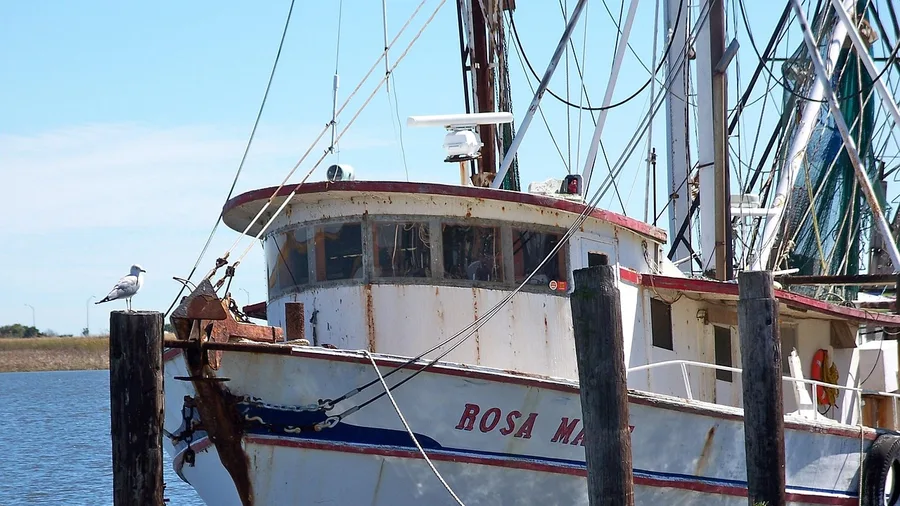
Salt, diesel and crushed shell hit you at the same time, and under it the low rumble of a boat idling against the pilings. This is a river port that never stopped working: shrimp and oyster boats still move against the Apalachicola waterfront while the town behind it stays low and slow. If Cedar Key is the island version of a working waterfront, this is that same test scaled up to a whole Forgotten Coast port, where the river mouth, the storefronts and the docks still organize the day. Nobody has staged any of it, and that is the draw.
Start along the river, where the oyster and shrimp houses sit close enough to the water that guys never fully get off the dock. The old commercial blocks run a few streets back, and a small maritime museum takes half an hour to explain how all this used to get shipped out; admission runs $5-$12 per adult. Walk it slow, read the cast-iron and the tin ceilings, and you have the whole town in an afternoon. It is the kind of stop that looks like a pause between bigger things and turns out to be the thing you talk about later.
Plan to sleep here, not pass through: two nights in town makes it your base for the whole Forgotten Coast. St. George Island is the beach break, and its state park entry is typically $4-$6 per vehicle. The docks are somebody's job, so stay on the marked public stretches and ask before you raise a camera at a crew. The town does not perform for you, and that is exactly why it still feels like the old place.
🚗 Build a Five-Day Old Florida Loop
Fly into Jacksonville
Land early if you can. The 45-minute run to Fernandina Beach is your only airport transfer of the loop; every stop after this is a short hop.
Fernandina Beach
Night one. Keep it to one: you need the daylight hours for the three stops west, and Centre Street and the docks fit into an evening and a morning.
Micanopy
Not an overnight. 25 minutes from Gainesville, it works as a lunch stop between bases. Skip the museum if you are behind schedule; the block is the point.
Cedar Key
Two nights, not one. Island time runs slow and the clam boats go out early; a single night leaves you watching the dock from the car.
Apalachicola
Two nights closes the loop. Book ahead if you want a St. George Island beach day – state park entry is $4-$6 per vehicle, and summer parking fills before 10 a.m.
3. Micanopy's Oak-Shaded Antique Blocks
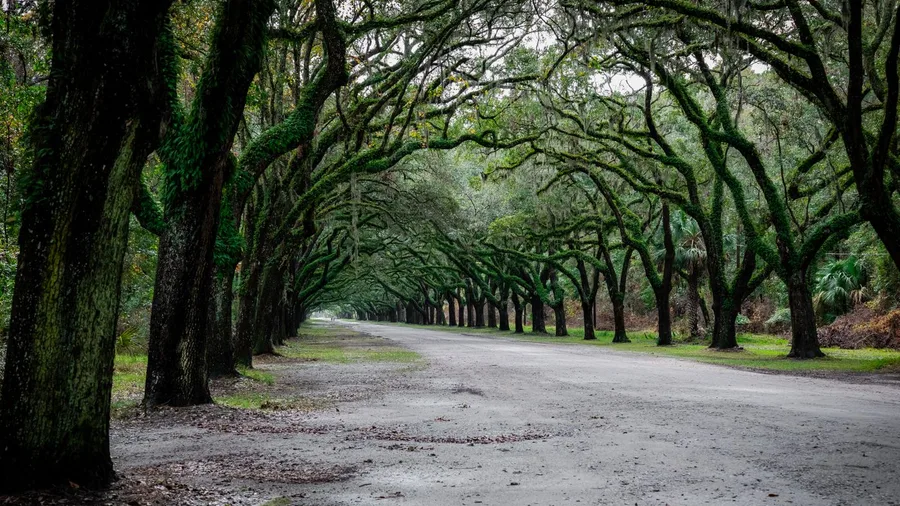
If you want one photograph from this trip that looks like old Florida, stand under the live oaks on Cholokka Boulevard – the whole street goes green and gold for a couple hundred metres, and the light comes down in strips. Apalachicola keeps you on the water for a two-night port stay; this is the inland counterweight, a single oak-shaded block you browse in an afternoon and then connect to Gainesville or Paynes Prairie, 25 minutes down the road. No traffic lights. That is not a figure of speech.
The block is antiques, used books, local crafts and a general store that may not look like it sells much until you need something, and wandering costs nothing. Get lunch at one of the little cafes, or a sandwich from the store, and eat it outside under the trees. The work here is shopkeeping and farm-town trade rather than boats, so the pace is set by the shade and the storefronts – which makes it the easy, low-cost half-day that pairs with Paynes Prairie if you want birds and a boardwalk afterwards.
4. Fernandina Beach's Historic Shrimp Docks
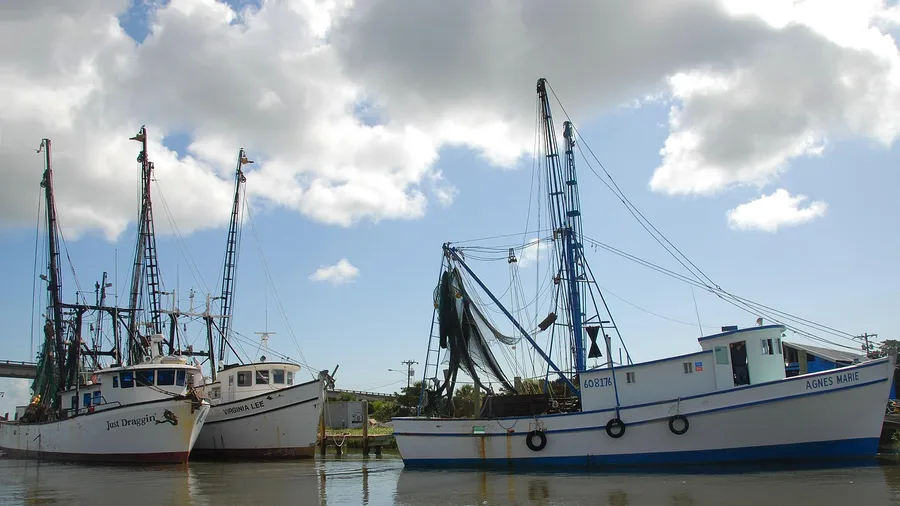
Rare Florida find: a brick Victorian commercial street, with balconies and wrought iron, running straight down to a river where shrimp boats are tied up and still heading out. Centre Street is the walking spine, one long block of shops and cafes that slopes toward the Amelia River, and both the town walk and the waterfront walk are free. Shrimp crews work these docks — the fleet landed here for decades and still does — so watch the unloading from the public bulkhead and ask before you point a camera at anyone's hands. For the family part: this is the easiest stop on the whole route with kids. Flat sidewalks, no stairs to reach the waterfront, bathrooms in the downtown blocks, a beach a short drive away. Give it half a day, or a full one if you add Fort Clinch, where state park entry runs $4-$6 per vehicle and the beach gives you the afternoon after the town.
Two notes on who this is not for. If you want a town where nothing has been restored and the storefronts still show their scuffs, this will read as tidy to the point of polished — the ghost-tour and fudge-shop density is real by evening. And if you are chasing a dock scene with an unvarnished, working-only feel, the fleet here shares the riverfront with restaurants and a marina rather than owning the whole edge. Coming from inland oak shade out toward the coast, it is the natural first overnight on a five-day run up from Jacksonville — 45 minutes from the airport — before you swing west toward Micanopy, Cedar Key and Apalachicola, with Tarpon Springs or the springs as a second loop. For grandparents, strollers and a first taste of working water in one afternoon, it suits almost everyone. For a traveler hunting the rawest docks in the state, aim elsewhere and treat this as the soft landing.
💡 PRO TIP
Time the docks before the tour buses
Working waterfronts are best before 10 a.m., when crews are still off-loading and the parking is free. By midday the same dock is a backdrop for photos.
5. Silver Springs' Glass-Bottom Boats
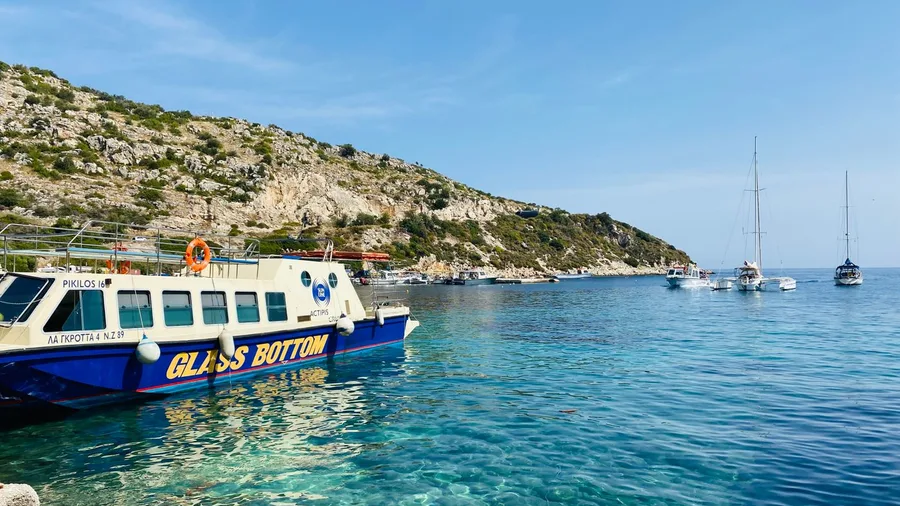
Yes, once, and mostly for what the floor shows you: fish drifting under your feet, a manatee shadowing the hull, the vents where the spring boils up from below. Silver Springs is the old roadside spring that has been running these boats for generations, and the ride on the Silver River is a natural run, not a tank. Nobody swimming the river sees what you see through that pane.
The money is modest as splurges go. Park entry runs $4-$6 per vehicle, and the boat tour is a separate ticket at roughly $12-$35 per adult depending on the ride; kayak rentals sit in the same range.
Book the first tour of the day. The light is cleaner, the water is calmer, the heat has not built, and you are off the river before the mid-morning flood arrives. In peak season, reserve the glass-bottom seats and any kayak one to two weeks out – this is the one stop on a springs day where the schedule is not yours to improvise.
October through April gives you the lowest heat and the thinnest crowds. In summer, be at the gate by 8 or 9 a.m. and hold the afternoon for a museum, a cafe or a swim in the spring itself. The water sets the timetable here, not the visitor: clarity and heat decide how good the ride is, so you follow them.
💡 Tip: Sit on the left side of the boat for the clearest view of the spring vent on the return leg.
Silver Springs and Weeki Wachee — At a Glance
🗺️ Two springs, one day
Silver Springs and Weeki Wachee sit about 90 minutes apart — pick one per day
🕗 Why the first boat
Water clarity peaks before the day's boat traffic stirs the riverbed
🛶 Who skips the boat
Strong swimmers: rent a kayak instead and you'll still see the vents from the surface
🎭 Mermaid show vs. river
Weeki Wachee's show is theatre; Silver Springs' boat is the actual spring — do the boat if you only do one
🌧️ Rain plan
Boats run in light rain, but the view dims — swap to the museum and come back at opening
Summer rule
In July and August the water greens by mid-morning — book the 9 a.m. boat or wait for October.
6. Weeki Wachee's Mermaid Spring

Know before you go that the mermaid show is on a fixed schedule, and the seats fill. Miss the first show and you spend the morning waiting in the wrong place.
Weeki Wachee is the 1940s roadside attraction where performers in tails breathe from hoses in a first-magnitude spring, and the state park has kept the act running. The underwater theatre is the anchor; the spring itself, where you can kayak or swim, is the second half of the visit. Park entry is $4-$6 per vehicle and the show ticket runs about $12-$35 per adult.
Be at opening for the first performance and reserve show seats and kayaks one to two weeks ahead in peak season. Afterward, work the water at your own pace, or carry the day into the afternoon with a stop toward Hernando Beach – though nobody would blame you for driving to Pine Island instead, where a roadside pineapple milkshake at the fruit stand runs a few dollars and is the right way to close out a spring morning.
💡 Tip: The front three rows get wet when the mermaids surface; sit a row back if you have a camera out.
Old Florida Words You'll Hear on the Docks
7. Tarpon Springs' Sponge-Dock Waterfront
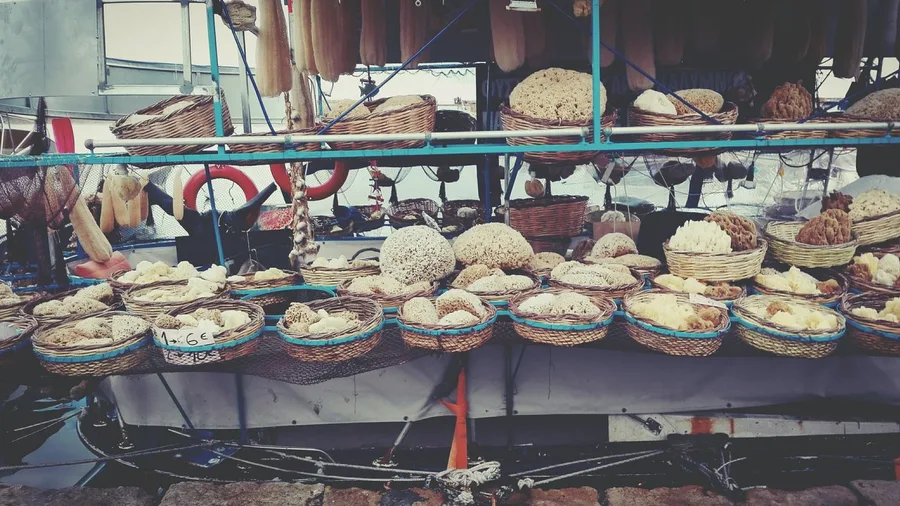
The sponge docks at Tarpon Springs cost you the same afternoon as a spring show and give back more work to watch. Boats tie along the Anclote River and unload the sponge haul; bakeries a block off the water sell spanakopita by the tray; the whole district smells of diesel and salt.
Residents eat at the bakery counters and drink coffee at the back tables rather than the waterfront patios with the menus in four languages, so follow them inland one street for lunch and save the dock walk for after. The sponge museum runs around $5-$12 per adult and explains what the divers actually did. Boat trips to Anclote Key run roughly $12-$35 per adult, Tampa is 45 minutes down the road, and one night here or in St. Pete covers this waterfront and the one at Cortez. The boats still work; buy along the dock, but leave the crews room to land a haul.
8. Cortez's Wooden Fishing Cottages
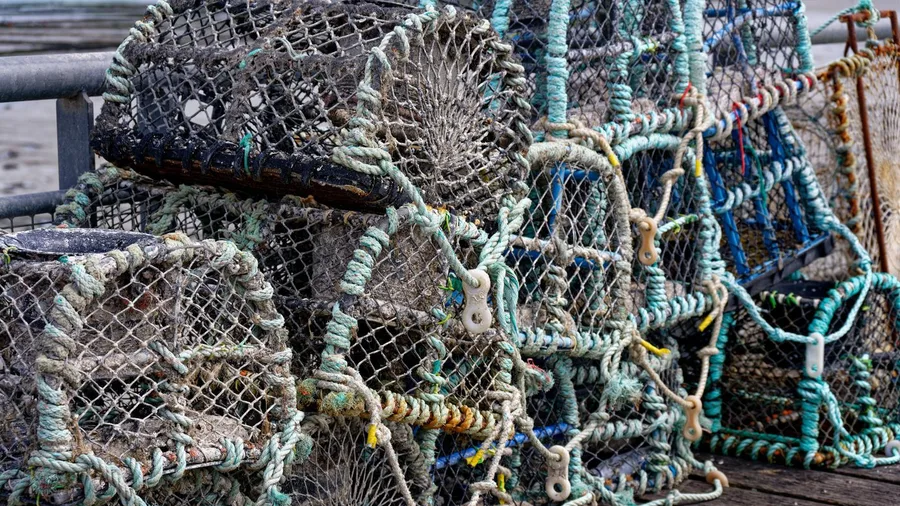
You hear the net boats before you see them: diesels idling at the Cortez docks while a crew stacks crab traps that smell of bait and salt. Wooden cottages and net sheds line the streets a few blocks back, and condos never arrived to replace them.
The Cortez Village historic district holds those cottages, and the working net and crab boats tie up within sight of them; walking the waterfront costs nothing. The Florida Maritime Museum explains what the boats still do for a living, admission around $5-$12 per adult, and a dockside shack serves the catch for lunch. Sarasota is 30 minutes away, so this is an easy half-day on the way to or from the city.
On the honest likelihood of wildlife: watch the water, not the sky. Pelicans and herons work the docks year-round and you will see them; dolphins and manatees turn up in the bay and channels, but no one can promise them on your particular morning. If you would rather trade warm water for an empty shore, these quiet coastal towns keep their beaches walkable in the off months. The docks are workplaces, so stay in marked public areas and ask before you photograph a crew.
9. Everglades City's Stone-Crab Docks
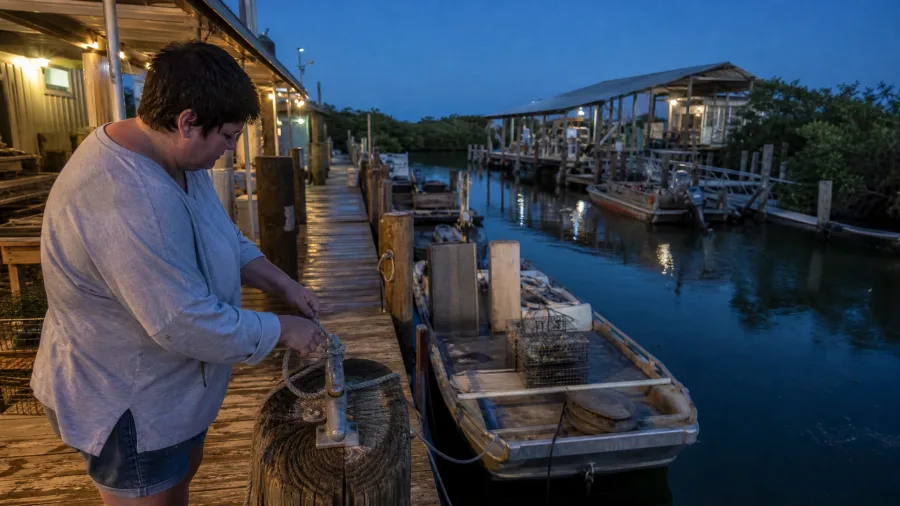
Forty-five minutes from Naples, the road runs out of suburbs and into a town where crab boats and airboat sheds sit beside a courthouse square that has not changed its pace in decades. The doing here is the water. Put in at the Gulf Coast Visitor Center and paddle the mangrove creeks of Everglades National Park, where the channels narrow to a boat's width and the only sounds are your paddle and birds you cannot name.
Stone-crab boats work the docks when the season is on, and the season is short: check Florida Fish and Wildlife for the current dates before you plan around it. Outside those weeks the crab boats sit idle, and the square, the small seafood restaurants and the visitor center carry the visit.
Check official park sites for current hours and fees before you drive down; the visitor center is your launch point and your map. Book a kayak or a boat with a licensed local operator out of town rather than assuming you can rent on the spot in peak season.
Two ways to use it. Make it a day stop from Naples, or stay one night at the Glades edge so you can be on the water at first light, before the heat builds and the airboat traffic picks up.
This is the last town before the park takes over, and it feels like it. The crab work and the park waters set the rhythm; you fit your morning around them, not the other way round.
💡 Tip: Book the boat tour before you leave Naples; walk-up seats are scarce on winter weekends.
Tourist Strip vs. Working Waterfront
Tourist version
- Souvenir shops between you and the water
- Crews posed for photos, not working
- Paid parking and timed entry
- Restaurants with photo menus
- You leave with a fridge magnet
Working version
- Boats off-loading at the dock edge
- Crews on their own schedule
- Free waterfront walks
- A dockside shack with one dish
- You leave knowing what the town does
10. Ybor City's Brick Cigar Blocks
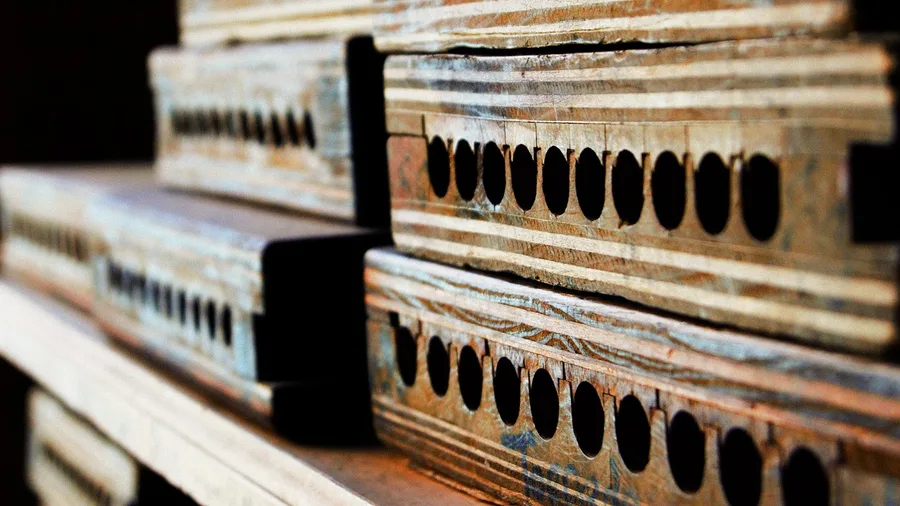
Go in the morning. By two in the afternoon the light on Seventh Avenue is harsh and the bars are starting to open, and by nine the same bricks belong to a crowd that has nothing to do with cigars. Between roughly nine and noon you get the street as a neighborhood – shopkeepers sweeping, rollers at their benches, the smell of fresh tobacco and coffee in the same breath.
The blocks themselves tell the story: low one- and two-story buildings of red brick, built by Cuban, Spanish and Italian workers starting in the 1880s, who rolled cigars in huge factories and lived in the rooms behind the shops. Hand-rolling survives in a handful of small shops where you can watch a roller work a leaf across the bench, and walking those streets costs nothing. Cuban sandwich counters that have been at it for decades fill the lunch gap; a small museum in the old district sets out the immigrant story for around $5-$12 per adult, and the state park of the same name is part of that visit.
11. Pine Island's Mango-Stand Backroads
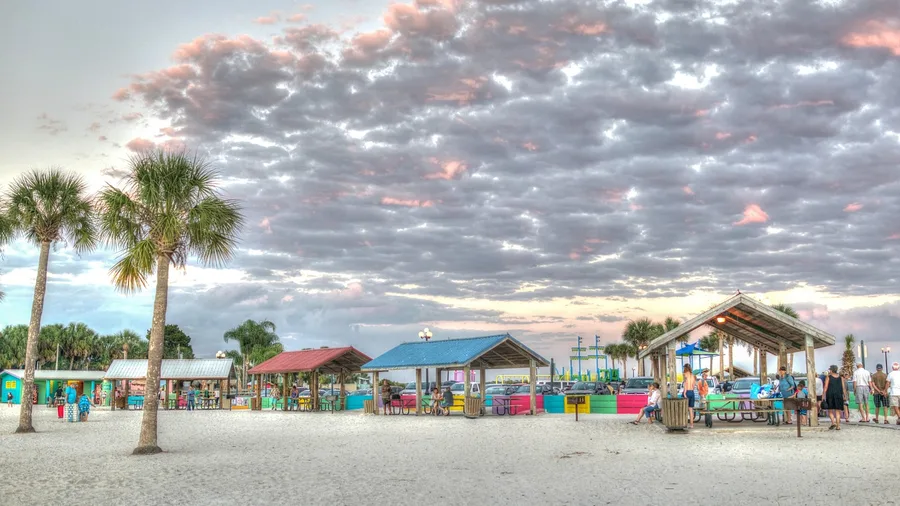
Pine Island is worth a day only if you commit to the slow backroads and check the ferry situation before you drive out. It is a rural Gulf island of mango groves, fish houses and one-lane roads, the Florida that existed before gated resorts, and it works best when you let it set the pace.
Mango stands and fruit farms line the backroads through Bokeelia and Pineland, and the fish docks there keep the waterfront working. Fort Myers is 45 minutes away, so the island works as a day trip from the mainland rather than a destination in itself.
Cayo Costa State Park is reached by ferry, and the ferry times and fees are the thing to check before you go, so look at the official park site for current hours and the launch schedule. In peak season, reserve kayak rentals one to two weeks ahead; the island's backroads are quiet, but the water access is not.
The mango harvest and the fish houses set the rural pace. Follow fruit stands and public docks, then take the ferry out for the beach, and let the day shorten or stretch with the ferry schedule instead of a checklist.
💡 Tip: Bring cash for the mango stands; several are honor-box operations with no card reader.
Four Mistakes That Flatten an Old Florida Trip
Frequently Asked Questions
What does 'Old Florida' actually mean here?
Pre-theme-park Florida: working waterfronts, courthouse squares, roadside springs, oak-canopied roads and small historic districts. The places on this list still run on daily work — clams, oysters, sponges, cigars, mangoes — rather than on visitors.
How many days do I need to see a few of these?
Five days covers a solid loop: fly into Jacksonville, then drive Fernandina Beach, Micanopy, Cedar Key and Apalachicola. A second loop around Tarpon Springs and Cortez, or the springs, can be a long weekend on its own.
Is it expensive?
Not much. Waterfront and downtown walks are free, state park entry is $4 to $6 per vehicle, small museums are $5 to $12 per adult, and boat or spring tours run $12 to $35 per adult. The main cost is the rental car and the nights.
When is the best time to go?
October through April for lower heat and crowds. In summer, start outdoor stops by 8 or 9 a.m. and save afternoons for museums, cafes or spring water.
Can I visit the working docks?
Most stops are public, but several docks are active workplaces. Stay in marked public areas and ask before photographing crews. That courtesy is what keeps these places open to visitors.
Do I need to book ahead?
Reserve glass-bottom boats, mermaid-show seats and kayak rentals one to two weeks ahead in peak season. Check official park sites for current hours and fees before you drive.
The Dock Lights at Cedar Key
The list becomes a decision by trip shape. Want the strongest working waterfront? Two nights in Apalachicola carry a Forgotten Coast long weekend. Want small towns and springs? Base two nights in Cedar Key or Gainesville. Want city plus waterfront? One night in Tarpon Springs or St. Pete pairs the sponge docks with Cortez.
Make the first booking the thing that sells out. For the Forgotten Coast, that is two nights in Apalachicola. For a springs day trip, it is the first Silver Springs glass-bottom boat. For Tarpon and Cortez, it is one night in Tarpon Springs or St. Pete. You trade queues for clam boats, oyster houses, oak shade, spring water and cigar smoke.
Old Florida is not a museum. It is a working day you can join at the edge. Choose one or two places and let the boats, springs or groves set the schedule, the same 500 miles of two-lane road still waiting.
Pick your region, then book the boat
Choose one of the three plans above and reserve the timed ticket — the glass-bottom tour, the mermaid show or the Apalachicola nights — before anything else.