London is the trip everyone compares every other city break to, and it is the one that taught me the most expensive lesson of the decade. I was 41, flying from Denver on a $1,180 red-eye round trip. It landed at 11 a.m. and took the whole first day with it. A daytime fare cost $180 more and would have saved it.
I'm 51 now, a marketing director in Denver. Between ages 40 and 49 I took 17 trips while working full time: London, Santa Fe, Rome, San Diego, Chicago, Lisbon, Madrid, Phoenix, Portugal and Italy. I kept the receipts and a spiral notebook, and both say the same thing.
Cheapest fare, cheapest room, fullest itinerary. That was the belief I walked in with. The invoices it doesn't show: $28 a day for parking, $90 in rideshares, $35 a checked bag each way, a $40 blister kit, a $210 airport hotel, and mornings gone before I ever left the terminal.
The metric that survives your 40s is total-day cost. The fare or the rate is only the first line; add sleep, parking, transfers, what your body pays, the recovery day, and the work you land back into. The 10 mistakes below are that checklist, in the order I made them.
Quick Tips Before You Start
Run the total-day test
Before you click buy, add parking, rideshares, lost sleep, and a recovery day to the sticker price.
Book for the arrival, not the departure
A red-eye saves a day on paper and spends two in your body. Price the recovery.
Break in shoes before you leave
New shoes on an 8-mile walking day cost me $40 in blister supplies and half an afternoon.
One carry-on for five days
I paid $35 each way to check a bag I barely opened. A capsule wardrobe fits in a 22-inch.
Do the car math on city trips
In Chicago, rental plus hotel parking hit $357. I used the car once.
Quote insurance on any trip over $1,500
A $140 policy looked steep until a five-hour delay put me in a $210 airport hotel.
Booking Traps

These are the choices you make before you pack, and they set the frame for everything else. A bad fare or a cheap room in the wrong place doesn't stay in the booking confirmation. It follows you through the whole trip.
1. Red-eyes Saved a Day and Cost Two

A hotel base gets judged on the whole day, not the nightly rate, and a transatlantic fare deserves the same scrutiny. Mine was $1,180 for the Denver round trip in my 41st year, and I picked it because it left after dinner and put me on the ground by mid-morning London time.
I landed at 11 a.m. and had nothing left. I bought a $6 flat white at the first coffee counter past arrivals in a numb haze, checked into a room I had booked for that night precisely so I could sleep, and did not leave it again until the next morning. The first day of the trip was gone, the fare still stood, and the hotel night cost twice over. Two years later I paid $180 more for a daytime crossing and had a usable afternoon, which is the whole argument in one figure: $1,180 plus a lost day loses to $1,360 with the day intact. Now the recovery time is on the ticket alongside the price, and if I still want the red-eye I price the lost morning in first.
💡 Tip: If you must take a red-eye, book the hotel for the night before so you can check in at 8 a.m., not 3 p.m. It costs a night but saves the day.
⚠️ COMMON MISTAKE
The Cheapest Fare Is Not the Cheapest Trip
A $180 saving on a red-eye cost me a full day of a seven-day trip. Divide the fare difference by the usable hours and the daytime flight is almost always the better buy.
2. The Cheapest Hotel Far Out Wasn't Cheap
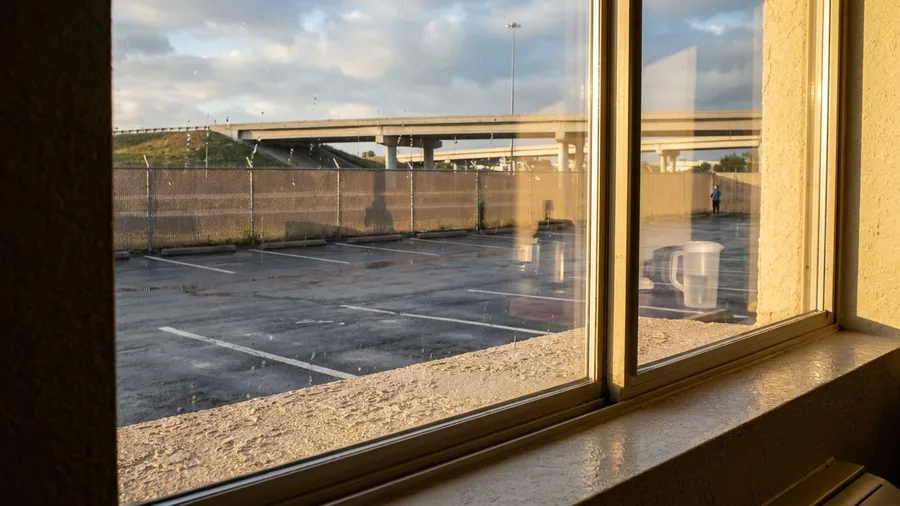
San Diego in July hits you at the rental car desk: warm air with a salt edge to it, and the sea somewhere past a parking garage. The room I booked was $60 a night less than the one by the water, which felt like a win until I counted the drive. It sat 25 minutes from everything I came to see.
Parking at that hotel ran $28 a day, and I burned $90 on rideshares over the stay. Neither number was on the rate I booked. I had traded a nightly discount for a daily drip of cash and a 25-minute drive each way, twice a day, in traffic.
The honest part is this: the savings did not survive the parking and the rideshares, let alone the drive time. The nightly rate looked small next to the room in the center. The total, when I added it up after the fact, was not.
Now I check the all-in daily cost before I book a room: rate plus parking plus an estimate for rideshares, and I look at the walk score alongside the price. A walkable base is part of what the room actually costs, and a room you have to drive to is a room you are still paying for in a rental lot.
I would stay there again, but only knowing what it was: a bed with a commute. Book it if you are renting a car anyway and will be out all day. Skip it if you plan to walk to the sights, because that is the thing you are buying with the rate.
💡 Tip: Type the hotel address into a maps app and check the walk time to the two things you most want to see. If either is over 25 minutes on foot, add the rideshare cost to the rate.
| Mistake | What it cost me | What I do now |
|---|---|---|
| Red-eye to London | $1,180 fare plus a lost first day | Price the recovery day; pay $180 more for daytime |
| Cheaper hotel far out (San Diego) | $60/night saved, $28/day parking, $90 rideshares | Compare all-in daily cost and walk score |
| Last Sunday flight (Phoenix) | 3-hour delay, landed at 2 a.m., work at 8 a.m. | Book midday return or take Monday off |
| Overpacking (Santa Fe) | $35 each way checked, 3 of 9 outfits worn | One carry-on, five-day capsule |
| New shoes (Lisbon) | $40 blister kit, half an afternoon lost | Break in shoes; pack blister plasters |
| Back-to-back tours (Rome) | 9.2 miles walked, skipped dinner | One anchor sight per day |
| Huge late dinner (Madrid) | Heartburn, lost next morning | Light grocery meal on arrival |
| City rental car (Chicago) | $54/day rental + $65/day parking = $357 | Compare transit and rideshare totals first |
| Bonus city (Lisbon + Porto) | 3.5-hour train each way, one full day in each | One base on trips under a week |
| Skipped insurance (Italy) | $2,400 trip, $140 quote, $210 delay hotel | Quote any trip over $1,500 |
3. Sunday-Night Flights Ruined Monday
Not once you count what lands after it. At 46 I was in Phoenix and booked the 10:40 p.m. Sunday return because it was the cheapest seat on the board and I did not want to burn a vacation day. We pushed back from the gate three hours late and set down in Denver around 2 a.m.
I was at my desk at 8 a.m. and spent the day foggy, rereading the same sentence three times. The fare saved nothing, because Monday was gone.
Now I take a midday return, or travel the second week of January and let the travel day be a travel day. That trip changed what the total-day test counts: the day after landing is on the bill too, not just the price of the seat.
Price the Whole Day Before You Book
Body and Pace

These are the mistakes you make inside the days, not before them. They don't show up on a confirmation email, but they cost you the thing you actually came for: energy.
In my 30s I could walk 10 miles, eat at 11 p.m., and be fine. In my 40s the bill arrived the next morning.
4. Packing for Just in Case Meant Hauling It All

A five-day Santa Fe trip in my mid-forties went out with two bags: a 26-inch checked case and a 22-inch carry-on above it.
I paid $35 each way to check the big one and hauled both through two airports and a hotel lobby, and when I unpacked at home I counted what I'd actually worn: three of nine outfits. Six never left the case. The airline took $70 for the privilege of carrying clothes I never touched, and my back took the rest. Now one carry-on goes with me, built as a five-day capsule, and the bulkiest layer, the coat and the heavier shoes, stays on my body through security where nobody weighs it but me.
The free win is the bag you don't check. A $35 fee that repeats on the way home is a $70 line item you get nothing for, and the hauling is a body cost on every curb and staircase between here and there.
💡 Tip: Lay out five days of clothes, then put back two outfits. You will not miss them.
💡 PRO TIP
The Capsule Math
Five days, one carry-on: three tops, two bottoms, one layer, one pair of broken-in shoes, one dressier option. That is 15 outfit combinations and about 22 inches of space.
5. New Shoes on a Walking Trip Caused Blisters

Wear the shoes you have already walked ten miles in, not the pair you bought for the trip. In Lisbon at 45 I broke that rule with new leather loafers, and by the end of an 8-mile first day the heels had rubbed through. The next morning went to a pharmacy: $40 for a blister kit, half an afternoon gone, and the miles after that walked carefully and slowly. The fix is free. Break the shoes in at home for a couple of weeks, fly in the sneakers you trust, and pack a few blister plasters anyway.
The body cost sits on the same ledger as the fare. Forty dollars plus half a lost afternoon is more than the right pair of shoes would have run you, and residents here walk cobblestones in soft, worn-in trainers for exactly that reason.
6. Back-to-Back Tours Made the Day a Blur

9.2 miles. That is what my phone told me I walked in Rome at 43, and the number isn't the badge I thought it was.
I booked the Colosseum at 9 a.m. and the Vatican at 2 p.m., two tickets, two queues, one city. The day worked on paper. In person the miles stacked up between them, and by the time I sat down I was too tired to eat, so I skipped dinner and went to bed hungry. Entry times are not the whole cost.
The splurge I pay for now is a single anchor sight a day – one timed ticket, one thing worth the ticket price – with the afternoon left loose. On the Rome trip that would have cost me nothing extra and bought back the dinner. If you have one big sight and one half-day to spend, spend the half-day walking a neighborhood with no ticket attached, or sitting in a piazza watching it fill. Attention and legs are part of the price, and they run out before the schedule does.
What Two Anchors Costs You vs. One
Two big tours in one day
- Legs quit around 5 p.m. – the second queue is the expensive one
- Back in the room by 7, the neighborhood you came for untouched
- A sit-down dinner falls first, then tomorrow morning's start
One anchor plus a loose afternoon
- Keep the 2 p.m. slot empty – that's your rest margin
- Plan the second ticket only if the first one leaves you fresh
- Cheapest upgrade on the whole trip, and it costs zero extra
7. A Huge Late Dinner Stole the Next Morning

The bread basket lands first, warm, and you are three plates and a glass of rioja into a three-course dinner at 10 p.m. on the day you flew in. In Madrid at 42 that felt like the whole point of being there. By midnight I was propped against the headboard with heartburn, and the next morning was gone – not slept through, gone, spent lying still and waiting for my stomach to settle while the city opened without me.
Now the arrival-day meal is the cheapest thing on the trip: soup from a counter, bread and cheese from a grocery, whatever is open near the hotel and small. Save the long table for a night when the next morning has nothing booked on it. The rule holds whoever you are, but it is strictest if you are over 40, traveling with kids, or arriving on a red-eye with your body clock already wrecked – that reader does not get a second morning, and a heavy late meal is how the first one goes missing. The total-day test puts sleep and the morning after on the same bill as the menu, and at 10 p.m. the food is never the expensive part.
Ground Choices and Add-Ons

The last three mistakes are about how you move and what you add on. They scale: one bad rental car can eat a day's budget, and one skipped policy can cost more than the trip's extras combined.
These are the choices that look small on the booking page and large on the credit card statement.
8. Renting a Car in Chicago Wasted $357
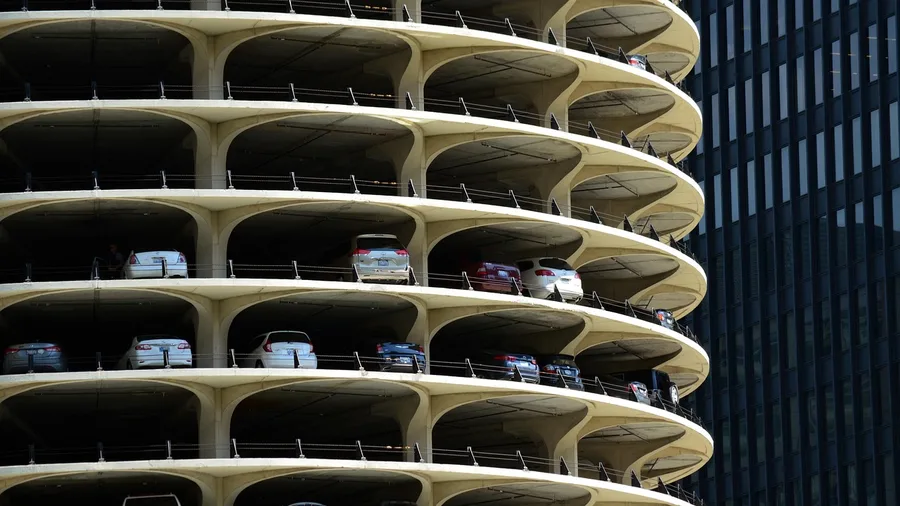
Before you book a car for a city break, price the parking lot, not the rental counter. That is the number that decides it, and it is the one nobody quotes you when you reserve.
At 44 I rented a car for three days in Chicago at $54 a day and felt efficient about it. The hotel garage charged $65 a day. I drove the car once – out to a neighborhood on the second afternoon and back – and the total came to $357. The rental was the smaller half of it.
Here is the story that made it stick. Chicago is a city built for the train, and the parking in the Loop is priced to remind you. Two blocks from my hotel, under a park, there is an underground garage in what was once a network of freight tunnels dug at the turn of the last century; you can tour a stretch of it, and standing down there in the damp brick, it is obvious why the city never built itself around cars. The trains run above and below the streets, the lake is walkable, and a rental car in that grid is a thing you pay to park, not a thing you use.
So before booking, add the garage rate for every night to the daily rental, then compare that total with three days of transit passes or a handful of rideshares. If the car is for a day trip out of the city, rent it for that one day and return it.
The sticker price never mentions the parking, and a short city break almost never needs the car.
💡 Tip: Call the hotel before you book the car. Ask for the nightly self-park rate, not the valet rate.
City Car vs. No Car — At a Glance
🚗 Chicago rental
$54/day
🅿️ Hotel parking
$65/day
🧾 3-day total
$357
📍 Times I used the car
Once
🚇 Better option
Transit pass plus rideshares
The math
Three days of rental plus parking bought one trip to a restaurant. The transit pass would have covered the rest.
9. A Bonus City Turned Five Days into Two Half-Trips

You are standing on the platform at Santa Apolonia at 7 a.m. with a coffee going cold in your hand, watching the board flip for Porto, and the thing registering is not excitement but arithmetic: three and a half hours out, three and a half back, and this is one of your five days. At 48 I split five days between Lisbon and Porto because both were on the map and neither was far. It read like two cities. It was two half-trips.
The train ride itself is fine – the countryside goes by, you get a seat, it is not the problem. The problem is what gets left on either side of it. One full day in each city, with the rest eaten by a checkout, a walk to the station, an arrival in the wrong part of the afternoon. Seven train hours is most of a day you paid for, and the day you spent in transit does not come back.
Now I keep one base on anything under a week, and I add a second city only when I have two extra days to give it, not one. A hour on a café terrace doing nothing is not waste – it is the trip working. If you want Porto, give it its own trip and sit still in it for a morning. The itinerary-level version of the total-day test asks a plain question before you book the second train: what does this move cost in hours, and what do those hours buy?
10. Skipping Insurance on a Big Trip Was False Saving
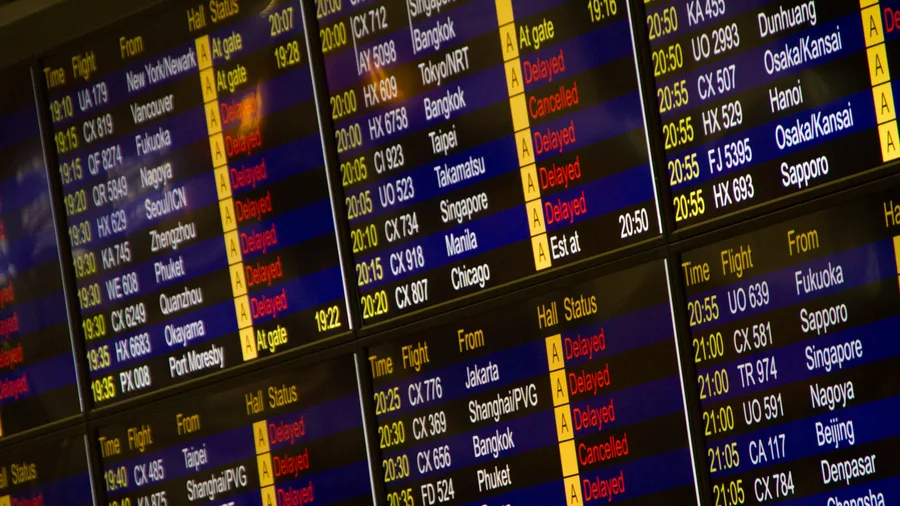
The departures board at Rome's Fiumicino clicked over to a five-hour delay and the terminal air went stale and warm, all vinyl seats and fluorescent hum, with nowhere to be. My Italy trip at 49 cost $2,400, and the insurance quote I'd waved off was $140. That afternoon I paid $210 for an airport hotel, more than the policy, and slept in a bed I could have insured for less than the price of the room.
A weather delay or a missed connection doesn't check whether you bought the cheap fare. Now I price insurance against the size of the trip: a quote for anything over $1,500, compared with what one lost night at an airport actually costs. At $140 against a $2,400 trip, skipping it was the false saving the delay exposed, the same shape as the train hours that vanish from an itinerary but never from the bill.
The Numbers I Now Check Before Booking
Frequently Asked Questions
Is a red-eye worth it to get an extra day?
Almost never for me. I landed at 11 a.m. and lost the whole first day to exhaustion. I would rather pay $180 more for a daytime flight and actually have the arrival day.
Should I book the cheaper hotel outside the center?
Only if the all-in daily cost, rate plus parking plus rideshares, is genuinely lower than a walkable base. In San Diego the nightly saving was erased by $28 a day parking and $90 in rideshares.
How much should I pack for a five-day trip?
One carry-on and a five-day capsule. I once brought a checked bag plus a carry-on for five days in Santa Fe and wore three of nine outfits.
Do I need a rental car for a city break?
Rarely. In Chicago, three days of rental plus hotel parking cost $357 and I used the car once. Compare a transit pass and rideshare total before you book.
Is travel insurance worth it for a big trip?
Quote it for any trip over $1,500. A $140 policy looked steep until a five-hour delay put me in a $210 airport hotel. One lost night can cost more than the premium.
Run the Total-Day Test Before Your Next Booking
Run the total-day test before your next booking. Write down the fare or rate, then add the lost sleep, the parking, the transfers and a recovery day. Pay for usable days, not the cheapest sticker.
It would have caught the booking traps: the $1,180 red-eye against a $180 daytime premium, the San Diego room $60 a night cheaper against $28 a day parking and $90 of rideshares, the Phoenix flight landing at 2 a.m. before an 8 a.m. workday, and $140 of insurance against that $210 airport hotel in Italy. It catches the body and ground traps too: $35 a bag each way to wear 3 of 9 outfits in Santa Fe, a $40 blister kit and half an afternoon in Lisbon, 9.2 miles between a 9 a.m. Colosseum and a 2 p.m. Vatican with dinner skipped, a lost morning after a 10 p.m. Madrid dinner, $357 on a Chicago car, and 3.5 hours each way to give Lisbon and Porto one full day apiece.
At 51, the first receipt in the journal is still that $1,180 red-eye. The trip worth booking now has a usable first morning, a base you can walk out of, and one anchor a day. Price those three things before you click buy.
Price the Whole Day, Not the Ticket
Before your next booking, open a notes app and run the total-day test on the fare, the hotel, and the car. The numbers add up faster than you think.