The bus from Orvieto leaves you at the foot of a footbridge, and across the ravine a town sits on a plateau of soft volcanic rock eroding underneath it. You walk over, pay about $6 at the gate, and have the place mostly to yourself for two hours.
By day ten of an Italy trip, Rome, Florence, Venice and maybe Capri are already decided. What is left is a spare half-day and one transfer leg nobody has claimed.
That is where these 12 stops go. They sit 30 minutes to 4 hours from the hubs you are already using: Ferrara 30 minutes from Bologna, Arezzo an hour from Florence, Civita di Bagnoregio 1.5 to 2 hours from Rome, Matera 3 to 3.5 hours from Bari. Every timing is one-way from the hub, and you add 30 to 60 minutes for the local connection.
The frame is a real trip: 12 days, two travelers, carry-on bags, $180 to $240 a day for two before flights. Each stop has to earn its slot against transfer time, minimum stay, rough cost and who it suits. By the end you should have two or three chosen and slotted into what you already booked.
Your first move is a cave room in Matera for two nights, at roughly $120 a double, before anything else gets locked.
Quick Tips Before You Start
Book trains early
Frecciarossa and Intercity seats get expensive two weeks out; lock the long legs first, then fill in the regional hops.
Pack for stairs
Civita, Matera, Urbino and Erice are all steep and uneven, so bring shoes with grip and leave the rolling suitcase at the hotel.
Carry small cash
The Civita footbridge and several small-town bus tickets are cash-only; keep €20 in coins and small notes.
Check the last bus
At Civita, Erice and Urbino the last return runs early; confirm the time before you start walking.
1. Civita di Bagnoregio's Bridge-Bound Hill Town
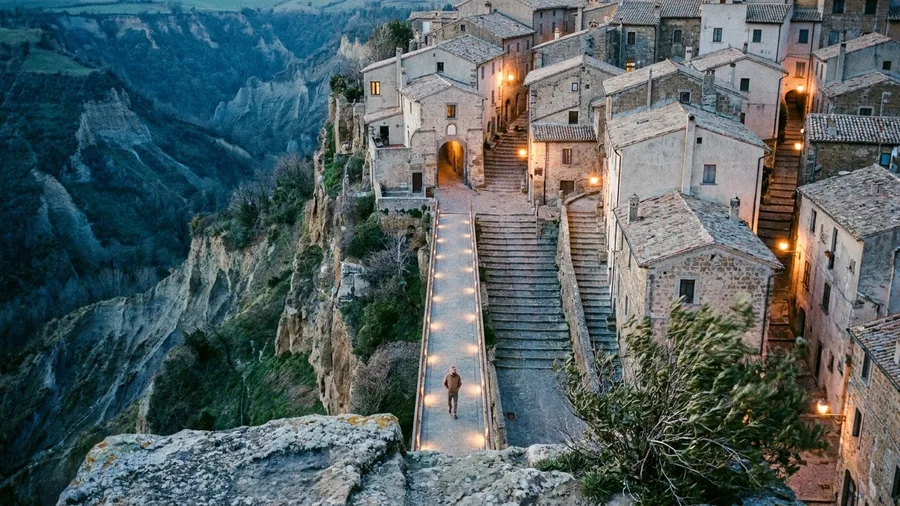
The tufa town costs more than most of the easy Rome half-day stops, and it earns it by not resembling anything else on the trip. You leave the train-bus connection about 1.5 to 2 hours north of Rome, walk out onto a concrete footbridge, and cross a gorge into a stone town with no cars inside it and one way in. Entry onto the bridge runs about $6. Carry cash, because you may not get a card reader at the ticket point on a quiet morning.
Plan 2 to 3 hours on the far side and arrive at opening or in the late afternoon, when the light rakes across the yellow rock and the bridge traffic thins. The walk is steep and uneven once you are inside, and shade is scarce; the exposed climb is not a place to bring someone who struggles with stairs or with balance. Before you leave Rome, check the last bus back. Miss it and the return leg turns complicated and expensive.
💡 Tip: Buy the bus ticket at the Orvieto tabacchi before boarding; the driver often does not sell them.
| Place | Region | Best months | Minimum stay | Typical cost |
|---|---|---|---|---|
| Civita di Bagnoregio | Lazio | Apr-Jun, Sep-Oct | Half-day | About $6 entry, $30 train+bus |
| Procida | Campania | May-Jun, Sep | 1 night | From $130 double, $25 ferry |
| Matera | Basilicata | Apr-Jun, Sep-Oct | 2 nights | From $120 cave double |
| Locorotondo | Puglia | May-Jun, Sep | 2 nights | From $95 double, $55 car day |
| Tropea | Calabria | Late May-Jun, Sep | 1-2 nights | From $110 double |
| Maratea | Basilicata | Jun, Sep | 2 nights | From $120 double, car needed |
| Erice | Sicily | May-Jun, Oct | 1 night | From $100 double |
| Arezzo | Tuscany | Apr-Jun, Sep | 1 night | From $110 double |
| Urbino | Marche | May-Jun, Sep | 1 night | From $105 double |
| Ferrara | Emilia-Romagna | Apr-Jun, Sep-Oct | 1 night | From $100 double, $10 bike |
| Mantua | Lombardy | Apr-Jun, Sep | 1 night | From $105 double |
| Aquileia | Friuli | May-Jun, Sep | Half-day | From $90 double nearby |
2. Procida's Pastel Harbor and Quiet Lanes
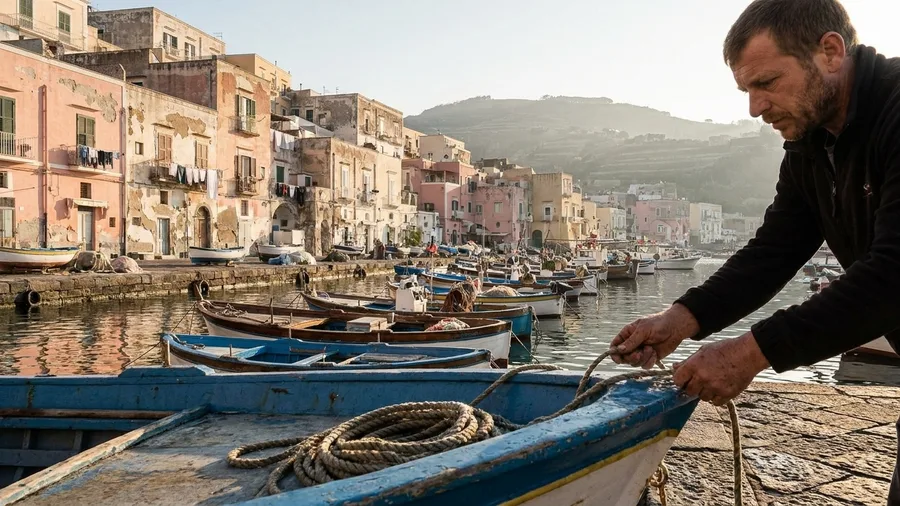
You step off the ferry into the smell of salt and fried anchovy and the sound of scooters on a narrow quay, and the first thing you register is how ordinary it feels. Procida's harbor is pastel houses stacked above fishing boats, laundry moving between balconies, and nobody especially interested in your ferry arriving. It is 35 to 50 minutes from Naples by boat, about $25 round trip, and the fare puts the island within reach of anyone already staying in the city.
The difference from Capri is the point. You get fewer designer shopfronts and beach clubs, more of a working harbor and a genuinely quiet evening once the day boats have gone. A harbor-view double starts around $130, and that number is the real test of the stop: the ferry is short enough that people try to squeeze both islands into one day, and the honest answer is that you get neither. The extra cost is one night, and the return is a slow dinner on the marina.
Sit down with a glass of the local white at one of the harbor tables and stay an hour. Nothing happens. Boats come in, someone coils a rope, the water slaps the hulls, and the light goes amber on the walls. That hour is the thing you cannot buy on a rushed day trip, and it is the reason the short crossing repays only if you sleep here.
💡 PRO TIP
Book the cave room, not just the town
In Matera the cave rooms are the point, and the good ones in the Sassi sell out weeks ahead in spring and fall. Reserve a cave double directly with the property and ask whether the room has a window to the valley; some cave rooms are interior and dark all day.
3. Matera's Cave Dwellings and Rock Churches
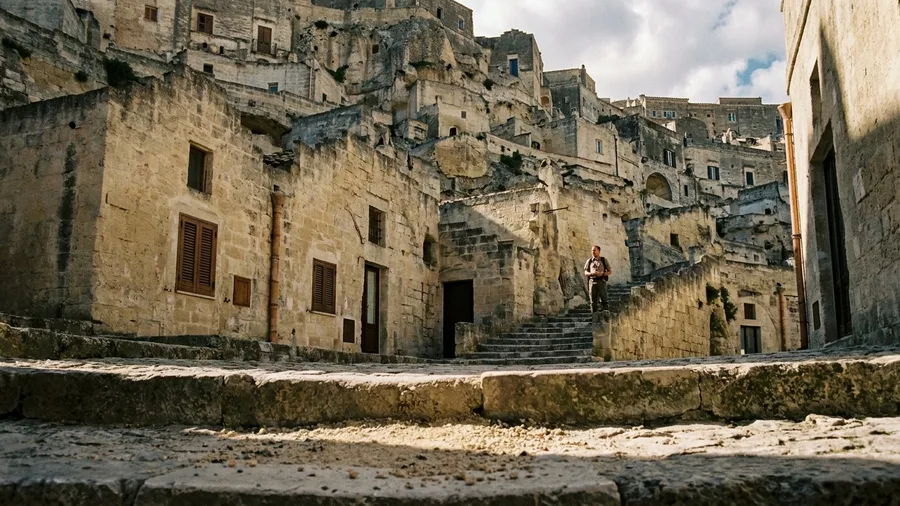
Matera is a UNESCO old town cut into tufa, where the streets are the roofs of the houses below and caves that held animals and families are now rooms you can rent. The overnight logic that works on a short ferry applies here with a longer leg. From Bari it is 3 to 3.5 hours by bus or train, so the transfer is the deciding cost, and the answer to whether it is worth it is whether you give it two nights.
Two nights is the minimum for the stop to pay off, and a cave-room double starts around $120. Spend the sight budget on the Sassi at dusk, when the cave fronts go rose and lamps come on along the switchback lanes, and on one rock church interior with frescoes rather than several in a blur. Half a day covers the old town on foot, but the steps are constant and steep, so this suits history-and-steps travelers who will keep moving.
As for wildlife, set your expectations low and honest. You will see swifts wheeling over the ravine at dusk and likely a cat asleep on a warm step; you will not see much else. The real spectacle here is stone and light, and the Bari leg repays in the dusk and the cave room, not in a nature count.
Three Italy myths worth dropping
4. Locorotondo's Whitewashed Trulli-Country Base
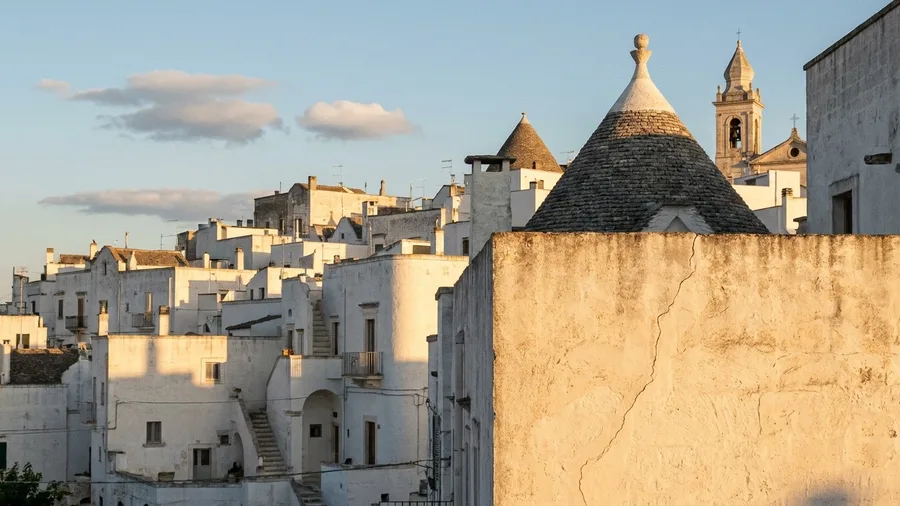
Locorotondo smells of cool stone and clean laundry. In the lanes of the whitewashed hill town above the Valle d'Itria, every wall is a different shade of chalk and the bells rattle off the hour across the trulli roofs.
A double here starts at about $95 a night, and two nights is the honest number: a Puglia leg is not paid for by a touristy hotel with a pool, and a quiet base with a cheap room puts you beside the trulli country rather than inside the coach traffic. From it, a car loop costs about $55 a day plus fuel. Be at Alberobello at opening, before the buses fill the lanes, then drive on to Martina Franca or take the long lunch at a masseria and come back after dark. A road-trip pair sleeps here and returns to it; a pool-and-resort group does not, and should not book it. The $95 base repays only for the pair who want the quiet on return.
5. Tropea's Cliffside Beaches and Calabrian Old Town
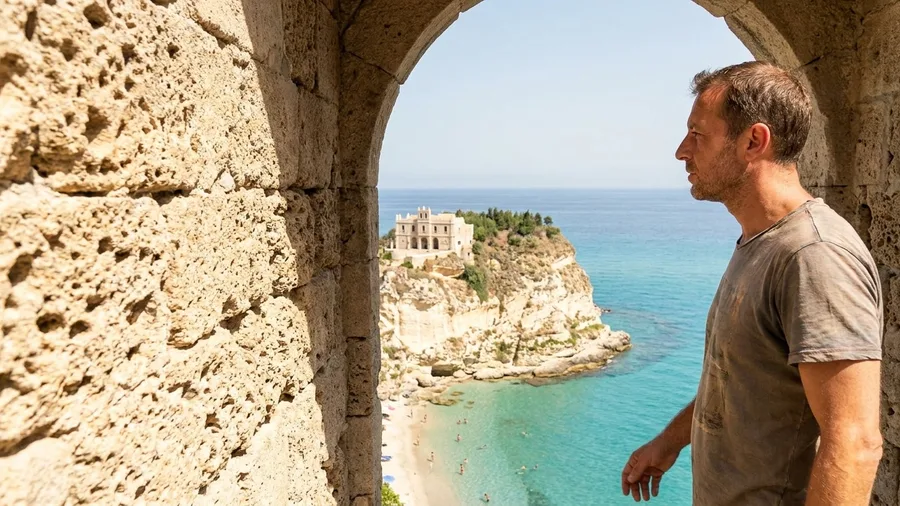
It is, but only as a stop on a drive, and only if you fly into Lamezia. Tropea sits an hour from that airport by car or shuttle, and a beach lies at the foot of the old town. A pairing of beach and old town is the point; a day trip from Naples is not. That run north of three hours each way kills the day.
The history is the reason to look up from the towel. Tropea was held by the Byzantines, then the Normans, then rebuilt after earthquakes and raids, and what remains sits on a shelf of rock above the sea: a bell tower, a cathedral, lanes that drop steeply toward the water.
The beach is at the bottom of those lanes. Stay near the old town and beach access means stairs, down and back up in the heat. The stone below the town is the color of the town itself, pale and warm, and the water holds a blue that makes the climb back feel earned.
Season decides whether the stop works. Late May through June and September give warm sea without the parking crush of July and August, when the lots above the town fill and the coast road becomes a slow crawl.
The airport leg repays for the beach-and-old-town pairing. Without a car or shuttle transfer, and without the swimming season, Tropea is a long detour to look at.
6. Maratea's Coast Without the Amalfi Crowds
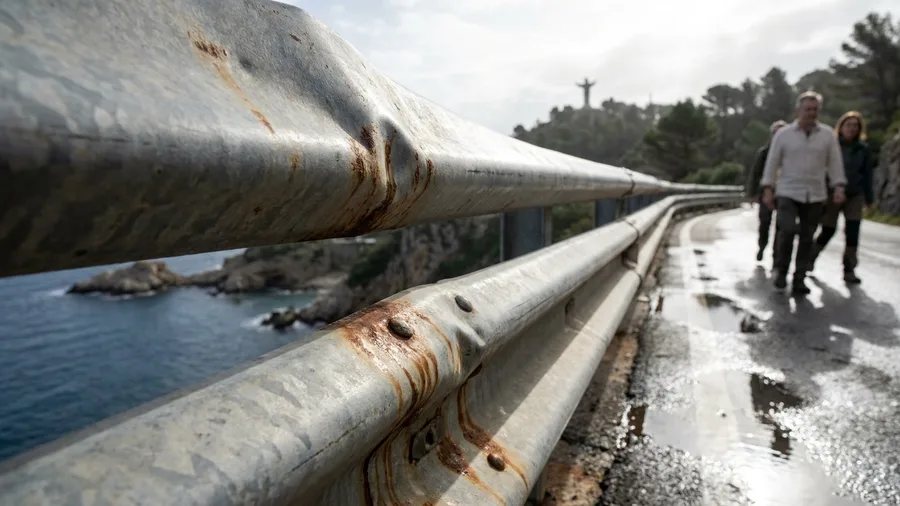
The catch with Maratea is that you need a car, and somewhere to put it. The Basilicata coast is steep, the coves sit below the road, and the buses that make the Amalfi Coast so easy without a vehicle do not run here.
Maratea is 2.5 hours from Naples by car, and what you buy with that drive is a coast without the queues. The hilltop Christ statue looks down over small coves, and the nights are quiet where Amalfi's are not. Park at Acquafredda or by the marina, where the lots are easier, and walk down to the water.
Against Amalfi: fewer buses, no ferry queue, more driving of your own. It repays for a driver who wants a low-key coast. Anyone relying on trains should skip it.
💡 Tip: Park at the marina and walk to the coves; the clifftop roads have almost no shoulder.
Amalfi Coast vs. Maratea
Amalfi Coast
- Frequent buses and ferries between towns
- Restaurants and hotels at every price
- Heavy summer traffic and packed viewpoints
- Easy without a car
Maratea
- Quiet nights and small coves
- A car needed for the best beaches
- Fewer crowds, steeper roads
- Better for drivers, not rail travelers
7. Erice's Hilltop Stone Lanes Above Sicily
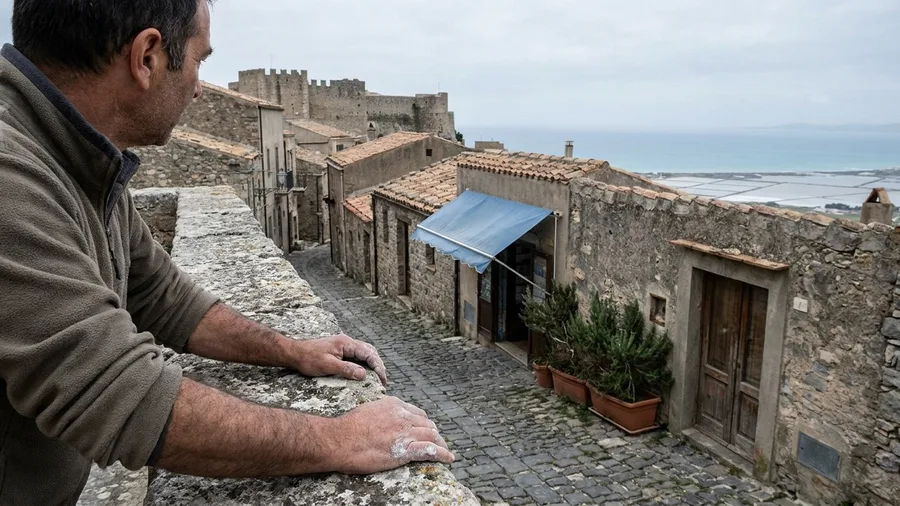
Erice is the Sicily hill-town night to take if you are driving between Palermo and Trapani, and it is the wrong call if Taormina is still on your list. The town sits 1.5 hours by car or bus from Palermo, high enough above the coast that the air changes on the way up and the lanes stay cool while the harbors below cook. One night, not two. The stone streets are the point, and they do not need a second morning.
What the height buys you is an evening. The day buses pull out in the late afternoon, and the lanes go quiet in a way they never are at midday: shutters, a few students, the smell of a bakery still working. Get an almond pastry while the shops are open, since the marzipan in Erice is the local specialty and the counters close early. Walk up to the castle end for the view over Trapani and the salt flats toward the sea, and if the wind is doing what wind does at that elevation, plan a layer for it.
The fit is a driver with Trapani on the route. A traveler trying to squeeze Erice and Taormina into one day gets a car seat and two car parks and neither town. Treat the 1.5-hour leg as the price of the night and it repays; treat it as a detour and the timing collapses.
8. Arezzo's Antique Market and Quiet Tuscan Squares
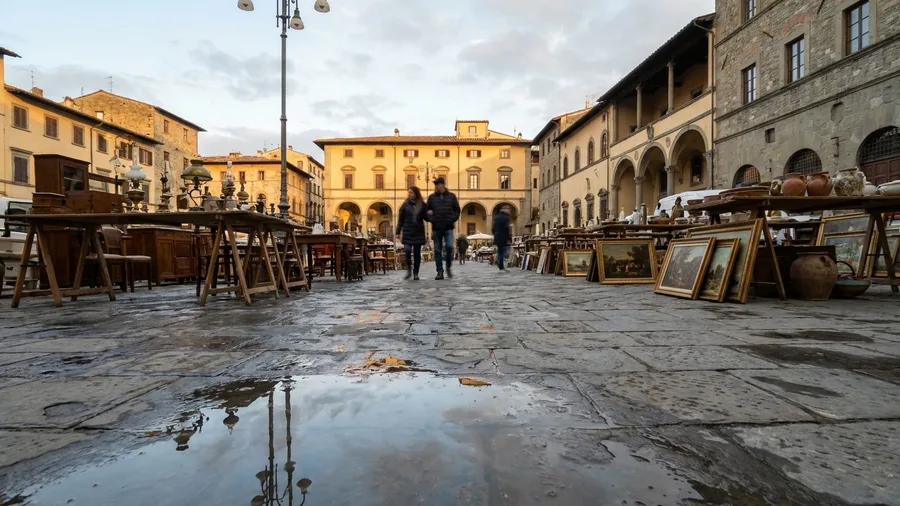
One hour by train from Florence, walkable from the station to Piazza Grande in fifteen minutes, and no ticket needed to enter the center. That is Arezzo, and the reason it works when Florence is booked solid is that most of the crowd never gets off the train. The antique market is the draw if your dates land on it, held on the first weekend of the month in the piazza and the streets around it, and it turns a quiet hill city into a browsing day.
If the market is not running, Arezzo is still a one-night stop for a rail traveler who wants a Tuscan evening without a car, which makes it a different pick from the hill-town driving circuit. The one-hour leg pays back either way: with the market timing, or with a night in a compact center that empties after dark and gives you the squares mostly to yourself.
9. Urbino's Renaissance Palace on a Steep Hill
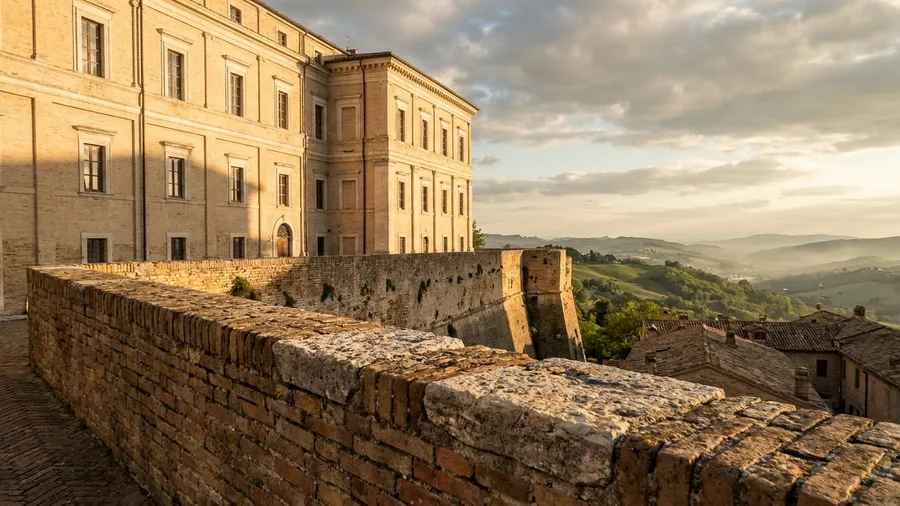
The wind hits first, coming up the ridge as you climb the last stretch of street into Urbino, and then the palace wall opens and the whole Marche drops away in ridges of green and haze. The view from the ramparts behind the Ducal Palace is the photograph this trip will be remembered for, and it is not a view you queue for. You stand on the brick wall, look out over the rooftops and the hills toward the sea, and the climb stops mattering.
Stand there in the late afternoon, when the light goes gold on the palace facade and the students pour out of the university into the same streets. The center is small enough that a half-day covers it: the Ducal Palace, one of the finest Renaissance interiors in Italy, and the wall views that come free with the walk. Plan the palace for the middle of the day and the ramparts for the end of it.
The catch is getting there. Urbino sits 3.5 to 4 hours from Bologna by train and bus, and the station is down in the valley, so you are looking at a transfer plus a climb to reach the historic center. The fix is simple and non-negotiable: book one night inside the old town, not down by the station, and treat the awkward leg as the cost of waking up on the hill.
This is a stop for the traveler who came for Renaissance history and has patience for a two-leg transfer. It is not a day trip from Bologna, and it is not for anyone trying to hit three hill towns in a week. The awkward leg repays only when you sleep up there and let the evening and the morning do the work that an afternoon cannot.
If that is you, Urbino earns its place on the rail spine and no apology. If it is not, skip it cleanly and spend the night in Bologna instead. Both are honest choices, and the itinerary decides.
Building the route
10. Ferrara's Bicycle-Friendly Renaissance Streets
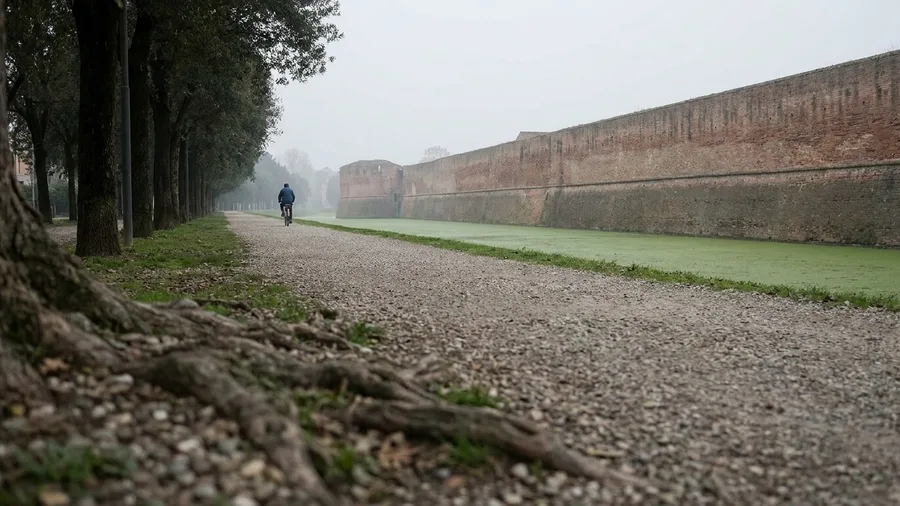
The rental closes at seven and the wall gate shuts earlier than you think, so plan the ride for the morning or the late afternoon when the light hits the brick and the ramps are clear. Ferrara is a flat, walled Renaissance city thirty minutes from Bologna by train, and the point of stopping is not to look at it through a bus window.
Rent a bike near the center, ride the full loop of the ramparts, then lock up and walk the castle and the Renaissance streets – the flat center makes the on-foot half easy on anyone. Give it one night. This is a rail traveler's break on the Bologna-Venice run, not a car day, and the short hop from Bologna repays itself only when you get on a bike and stay the night.
Ferrara at a Glance
🎫 Train from Bologna
About $5 each way
📏 Rampart loop
Roughly 9 km, flat
🔀 Pair it with
Mantua, 2 hrs from Verona
🛏️ Room for the night
Double from about $110
Skip it if
Your Bologna-Venice run is a same-day transfer with luggage in hand – the loop needs a morning or late afternoon you do not have.
11. Mantua's Frescoed Palaces and Lake-Lapped Squares
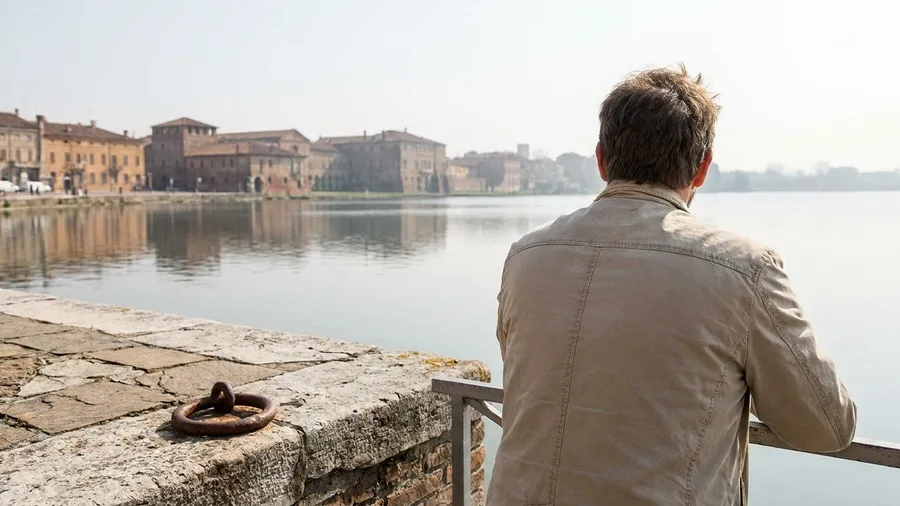
Mantua is a Lombard city ringed by three lakes, two hours from Verona by train, and the draw is two interiors that cost real money and are worth it.
Palazzo Te and the Ducal Palace are the pair to book around – budget roughly $15 to $20 each for entry, less if you buy a combined ticket, and check the Ducal Palace hours before you commit because the visit runs long. One night covers both if you start early, and the flat center means you are never more than a short walk from the next square.
Save the lakefront for dusk, when the water goes still and the day-trippers have gone. This stop suits art lovers on a rail route, not a family chasing beach or mountains – the two-hour leg from Verona repays itself in frescoes and one quiet lake evening, and not much else.
💡 Tip: Book the Ducal Palace time slot online; the frescoed rooms are capacity-limited.
12. Aquileia's Roman Mosaics Near the Adriatic
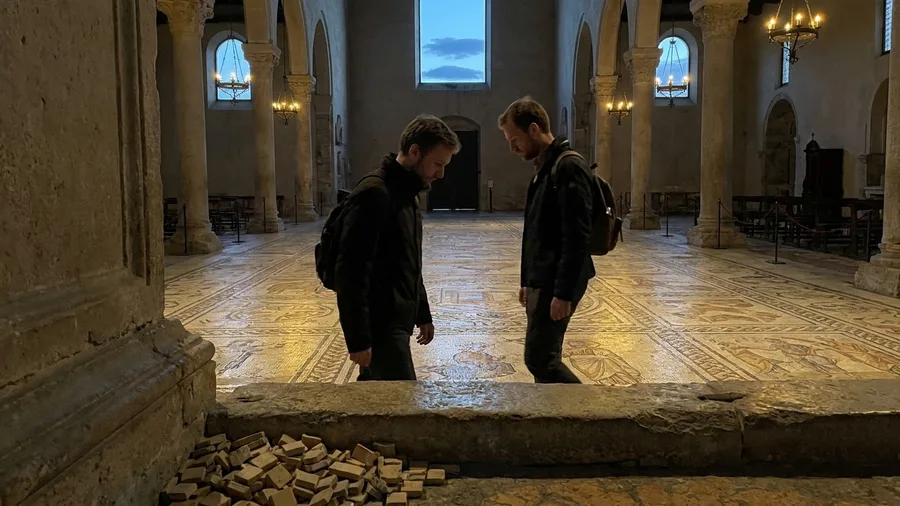
Go early, and go on a weekday if you can – Aquileia's mosaics are best before the first tour group arrives and the basilica floor is still in shadow.
Aquileia is a small town an hour from Trieste by train and bus, with early Christian mosaic floors and Roman ruins spread across a compact site. Half a day is enough for the basilica and the archaeological area, and the basilica's fourth-century floor is the thing to stand over – large, intact, and far more legible up close than any photo prepares you for.
Check the bus schedule before you leave Trieste, because the return runs thin in the afternoon and the site does not fill a whole day. Pair it with Grado for a lagoon afternoon if you want to round out the leg, since the two are close and the combination makes the trip north worth the time.
This is a history traveler's spare half-day, not a resort stop, and the short leg from Trieste repays itself for the mosaics rather than for the small towns barely changed. If your afternoon is free and you are already in the northeast, the mosaics are the reason to get on the bus.
🗺️ Slotting a stop into your trip
Pick the hub
Name the big city you are already sleeping in: Rome, Naples, Bari, Bologna, Verona, Palermo or Trieste.
Check the transfer
Compare the one-way time from that hub and add 30-60 minutes for the local bus or shuttle.
Match the stay
Give the stop its minimum night: one for Procida or Ferrara, two for Matera or Locorotondo.
Budget the leg
Add the entry fee, the ferry or the car day to your daily spend before you commit.
Book the scarce part
Reserve the cave room or the palace slot first; those are the pieces that sell out.
Where to Base Yourself for These Stops
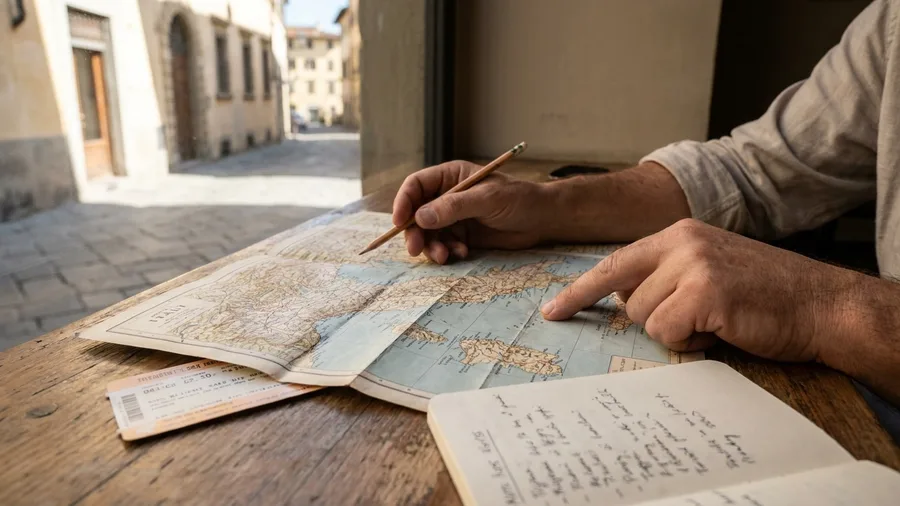
The right base depends on which direction you are moving, not on which city has the nicest hotels.
For the southern stops, Rome and Bari are the two hubs that make Civita di Bagnoregio, Matera and Locorotondo work in one route. Land in Rome, use the spare half-day there for the footbridge town, then take the train or bus down to Bari and treat it as your Puglia launch point. From Bari, Matera is 3-3.5 hours and Locorotondo is a short hop beyond, so the two nights in each sit naturally in sequence rather than as separate expeditions.
For the northern stops, Bologna and Verona cover Ferrara, Mantua and Urbino. Bologna puts you 30 minutes from Ferrara, and Verona puts Mantua 2 hours out; Urbino is the stretch at 3.5-4 hours from Bologna by train and bus, which is exactly why it earns a night rather than a day trip.
If you are flying into Naples, use it for Procida and Maratea, then decide whether Tropea is worth the drive south.
Sicily is its own base: Palermo for Erice, and Trapani if you want the coast on your doorstep.
Book the base, not the hotel, first. The hotel follows the route.
Frequently Asked Questions
Is Civita di Bagnoregio worth it as a day trip from Rome?
Yes, if you have a spare half-day and can handle a steep, uneven walk. The trip is 1.5-2 hours by train plus bus, entry is about $6 cash, and 2-3 hours on site covers it. Check the last bus back before you cross the footbridge.
How many days do I need for Matera?
Two nights. The cave rooms are the point, and the Sassi at dusk is the reason to stay. The leg from Bari is 3-3.5 hours, so a same-day visit wastes the best hour of the day.
Can I visit Procida and Capri in one day?
No. Procida is 35-50 minutes by ferry from Naples and is best with one night; Capri is a different ferry and a different day. Trying both in one day means you see neither.
Do I need a car for Maratea and Locorotondo?
For Maratea, yes; the coves are not walkable from the station. For Locorotondo, the town is walkable but the trulli-country loop needs a car, about $55 a day plus fuel.
What is the best time to visit these stops?
Late May through June and September. The south is hot in July and August, the north is crowded, and Tropea's beach is at its best in early June or September.
Is Urbino worth the awkward train-and-bus trip?
If you care about Renaissance history, yes, but only with the overnight. The station is in the valley and the trip is 3.5-4 hours from Bologna, so a day trip spends more time in transit than in the palace.
Turn One Lesser-Known Italy Stop Into Your Next Trip
Pick the stop that fits the trip you already have, not a second itinerary. Civita di Bagnoregio for a Rome spare half-day. Locorotondo for a Puglia base, from $95 a double, with a car loop about $55 a day plus fuel. Maratea for a southern drive, if you have a car and somewhere to put it. Ferrara in 30 minutes from Bologna or Mantua in two hours from Verona for a northern rail break.
Book Matera first: two nights, cave-room double from about $120, 3 to 3.5 hours from Bari. Cave rooms go before anything else on the southern leg.
The standard route leaves spare half-days and transfer legs behind, and that is where these 12 live, each with its transfer time, minimum stay, typical cost for two and traveler type stated. The extra train, bus or ferry only pays when the stop matches the traveler and the night you have. Two or three chosen well and an 8 to 12 day trip stops feeling followed and starts feeling found, which is the same thing that bridge into Civita was telling you on day one.
Book the cave room first
Open your calendar, pick the two nights in Matera, and build the rest of the twelve days around them.